



Vintage Nautical Decor
Vintage nautical decor brings the character of historic maritime life indoors through authentic objects shaped by the sea.
Vintage Nautical Decor
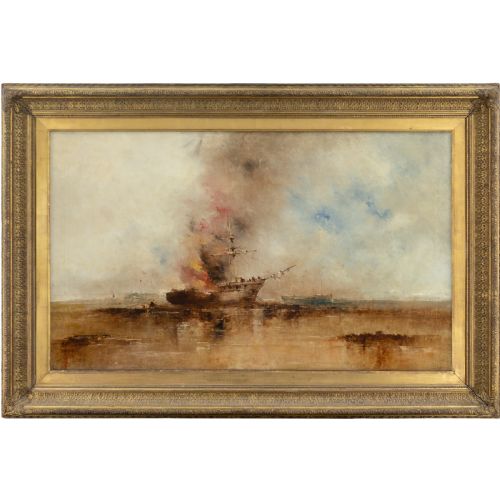
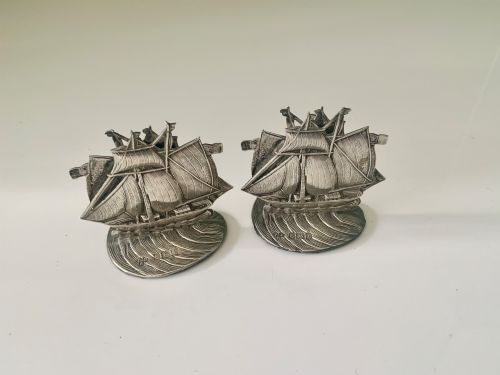
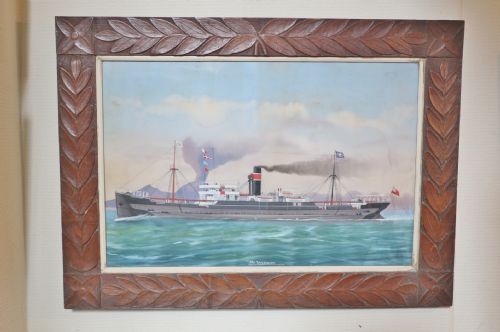
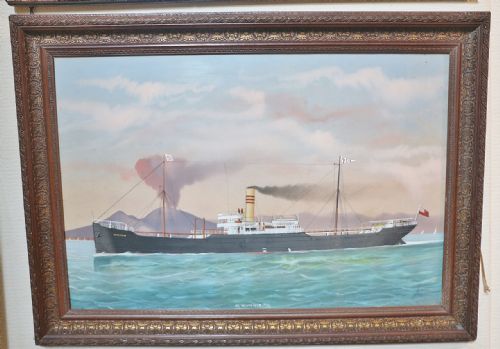
Vintage nautical decor encompasses a broad range of maritime items originating from the nineteenth and twentieth centuries, reflecting deep ties to seafaring traditions. Buyers browsing this selection frequently encounter oil paintings depicting historic vessels, detailed model ships, and utilitarian objects salvaged from actual vessels.
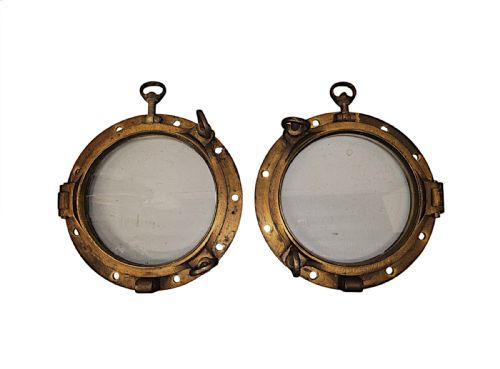
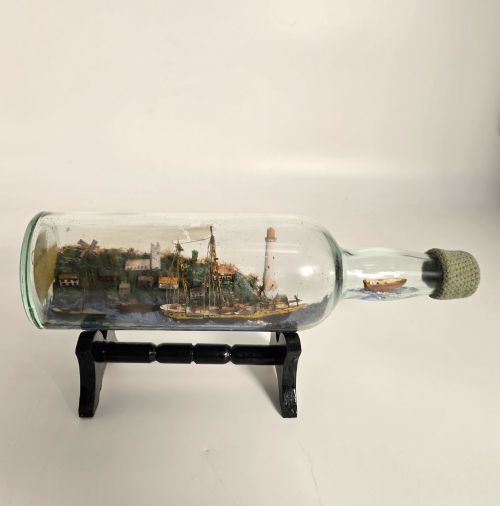
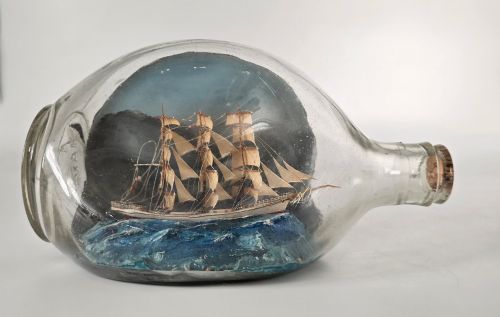
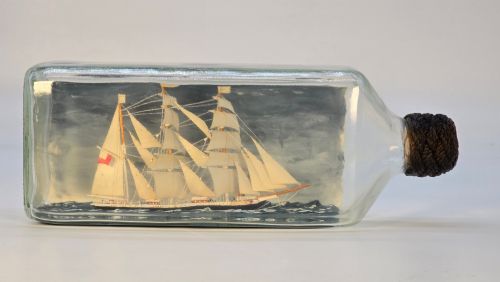
The objects span multiple distinct styles, including maritime folk art, Victorian marine works, and Edwardian pieces. These forms range from intricate dioramas housed in glass bottles to large pond yachts and solid brass port holes.
Origins vary from English workshops to French studios, incorporating regional specialisations such as Welsh ship wheels or Cornish harbour scenes. Each item carries the distinct aesthetic of its specific decade, moving from Victorian grandeur into early twentieth-century industrial forms.
Materials and construction
Makers utilised durable natural materials suited to marine environments, notably timber, brass, copper, and canvas. Woods such as sycamore and elm appear frequently in hand-carved hulls, pulleys, and architectural components.
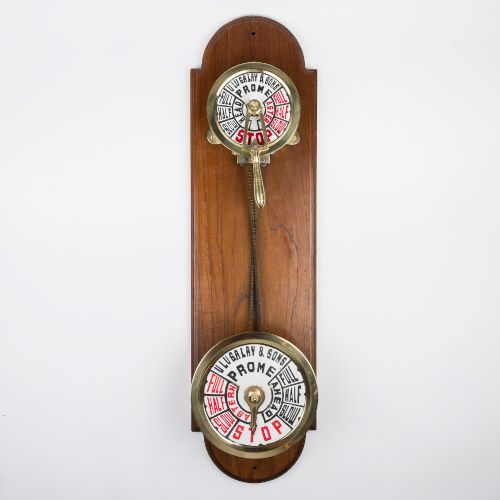
Metalwork relies heavily on cast brass and copper for navigational equipment, engine room telegraphs, and heavy-duty lanterns. Paintings employ oil on canvas or paper, capturing sea battles, steamships, and coastal fishing trawlers with precise pigments.
Vintage Nautical Decor Retail Price Guide 2026
Typical asking prices for vintage nautical decor among the pieces listed under this phrase on Sellingantiques today, from the lower quarter to the upper quarter. They describe what is for sale here now, not the wider market.
A tiny hand-carved sailor inside a glass bottle spent a century watching living rooms change completely.
Judging quality
The standard of a piece rests on the integrity of its construction and the precision of its detail, whether in the rigging of a scratch-built model or the brushwork of an oil painting. Items retaining their original patination and unpolished surfaces demonstrate greater authenticity.
Maker attribution and documented provenance elevate certain pieces, distinguishing standard decorative objects from historically significant artefacts created by known makers or marine artists.
William McAlpine·Ulugary And Sons·Dion Pears·Benson Electric Co·Richard Brydges Beechey
The Vintage Nautical Decor Glossary
- Diorama
- A three-dimensional scene enclosed in a glass bottle or case, often depicting a named ship at sea. These constructions showcase intricate folk art techniques developed by sailors.
- Pond yacht
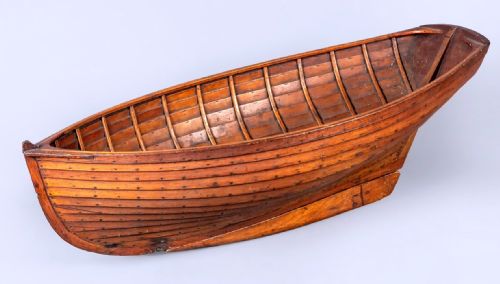
- A large scale-model sailing boat intended for leisure navigation on park lakes. These vessels feature hand-carved wooden hulls and detailed deck rigging.
- Engine room telegraph
- A mechanical communication device used by the bridge to transmit orders to the engine room. These brass units display distinct dial faces and operational levers.
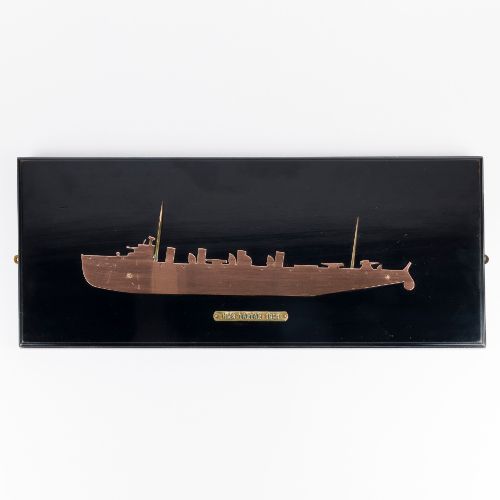
- Half hull model
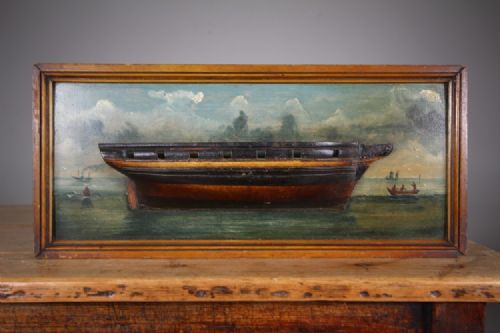
- A three-dimensional representation of one side of a ship's hull mounted on a board. Ship builders utilised these models to study vessel hydrodynamics and proportions.
- Port hole
- A circular glass window set in a heavy brass or bronze frame for marine cabin illumination. These fixtures highlight robust industrial metal casting.
Vintage Nautical Decor: Frequently Asked Questions
How do I display model ships safely?
Place models on stable, flat surfaces away from direct sunlight and fluctuating radiator heat to protect delicate rigging and wood.
Keep glass cases clean and avoid placing large items in high-traffic hallways where accidental contact might damage protruding spars.
How do I identify a pond yacht's age?
Examine the hull construction method, such as carvel planking, and the specific materials used for the deck fittings and ballast keel.
Stylistic cues in the sail plan and associated hardware usually point toward specific periods like the Edwardian era or the nineteen-twenties.
Are brass nautical items genuine salvage?
Many items like port holes, bells, and telegraphs originate from working vessels, sporting authentic wear and maker stampings.
Look for cast foundry marks and secure mounting brackets that indicate genuine marine installation rather than later reproduction work.