


Maritime Collectable Decor
Maritime collectable decor comprises historic nautical items and scale models that bring authentic seafaring history directly into a room.
Maritime Collectable Decor
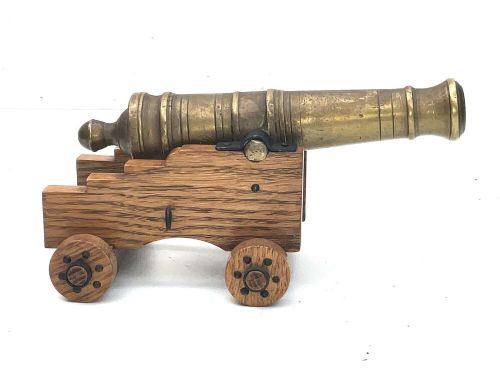
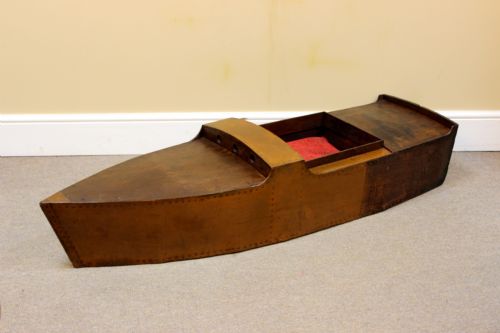
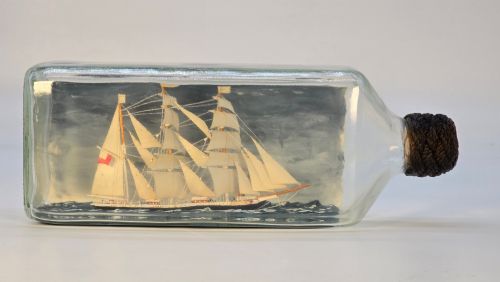
Maritime collectable decor encompasses intricate model ships, detailed dioramas in bottles, and large functional items like ships' wheels. These nautical pieces span periods from the early Victorian era through the Edwardian years and into the twentieth century, capturing centuries of seafaring traditions.
Materials and construction
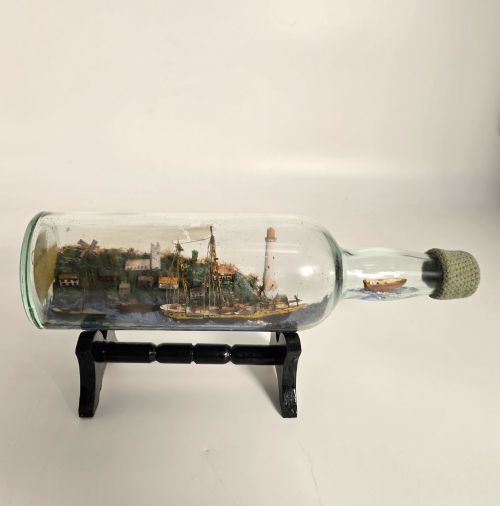
These pieces rely heavily on traditional timber construction combined with paint, glass, and fabric details. Artisans shaped wood to form hulls and decks, using putty to secure miniature rigging and components inside glass bottles.
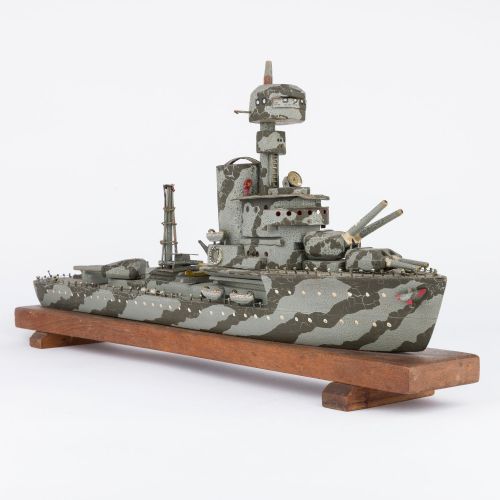
Metal elements such as brass and copper frequently appear in navigational hardware, fittings, and anchors. Scratch-built models demonstrate the meticulous hand-assembly methods employed by period makers to replicate actual naval vessels.
Bottled ship dioramas often contain clever folding masts that allowed sailors to squeeze an entire three-masted vessel through a tiny bottleneck.
Judging quality and authenticity
Quality rests in the fidelity of the scale proportions and the complexity of the miniature rigging within folk art models. Untouched condition preserves the original character of large functional pieces like ship's wheels and heavy metal anchors.
The sophistication of the internal diorama work and the precision of the scratch-built wooden elements separate standard decorative items from finer historical examples. Authenticity of the period materials ensures lasting collectible value.
The Maritime Collectable Decor Glossary
- Diorama
- A three-dimensional scene enclosed within a frame or glass container, often depicting a sailing ship at sea. These displays required immense dexterity to assemble through the narrow neck of a bottle.
- Scratch build
- A model constructed entirely from raw materials rather than from a commercial kit. This method highlights the individual maker's skill and attention to historical detail.
- Folk art
- Creative work produced by self-taught individuals utilising traditional motifs and readily available materials. Maritime examples reflect the practical artistry of sailors and coastal craftspeople.
- Stockless anchor
- A modern anchor design featuring pivoting flukes that lie flat against the seabed without requiring a traditional crossbar stock. Miniature metal models of these mechanisms served as desk ornaments or displays.
Maritime Collectable Decor: Frequently Asked Questions
What is maritime collectable decor?
Maritime collectable decor covers a wide range of nautical artefacts, including model ships, bottled dioramas, and authentic ship components. These items originate from the nineteenth and early twentieth centuries.
Collectors prize them for their connection to naval history and the handmade craftsmanship evident in folk art models.
How were ship in a bottle models made?
Artisans constructed the wooden ship masts with hinges or folding rigging so the entire vessel could pass through the narrow neck of a glass bottle. Once inside, pull-strings raised the masts into position.
Putty and paint secured the ship to a base representing the sea, creating a permanent enclosed diorama.
How do I date an antique ship model?
Dating relies on the vessel type represented, such as early nineteenth-century sailing ships versus WWI era battleships, alongside construction materials like period paints and woods. Documentation or specific stylistic cues often point to an Edwardian or Victorian origin.
Examining the wear and patina on the wooden components provides further clues to the age.
How should I display a ship's wheel?
Large ship's wheels require sturdy wall fixings or dedicated floor stands to support their substantial timber and metal weight. Placing them in rooms with stable humidity protects the aged wood from cracking.
Untouched condition pieces benefit from minimal cleaning to preserve their historic surface finish.