
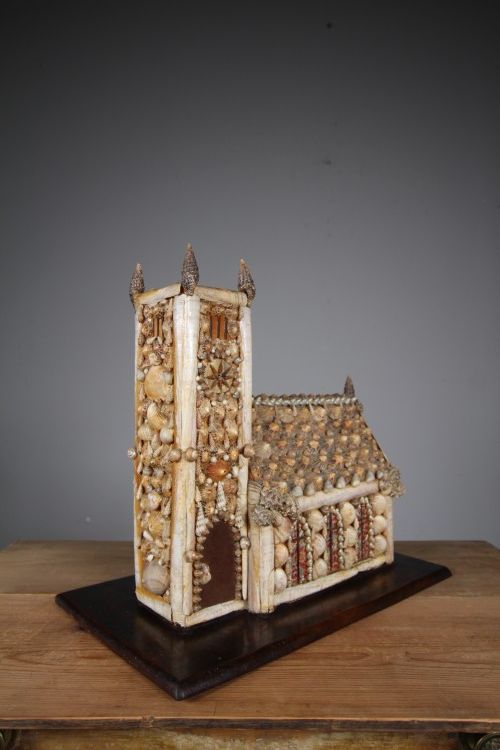


Sailor Folk Art Model
These sailor folk art model pieces capture maritime craft through intricately constructed miniature ships, bottles, and dioramas that bring authentic nautical history into any room.
Sailor Folk Art Model
A sailor folk art model represents maritime heritage through handcrafted ship dioramas, ships in bottles, and detailed shell work structures. These objects emerge primarily from the nineteenth century and the early twentieth century, reflecting the creative output of makers influenced by the sea.
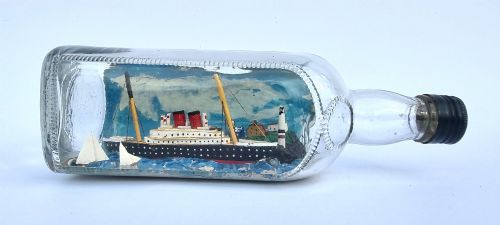
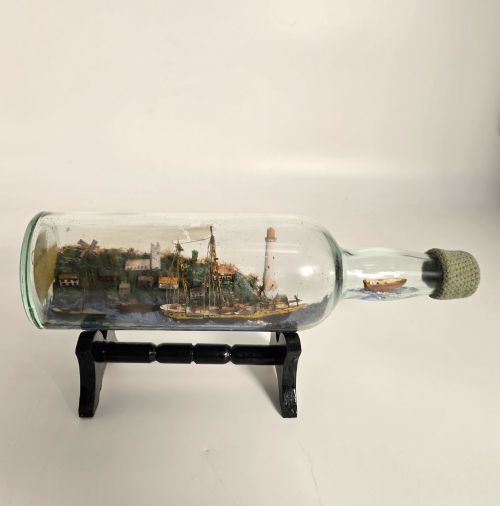
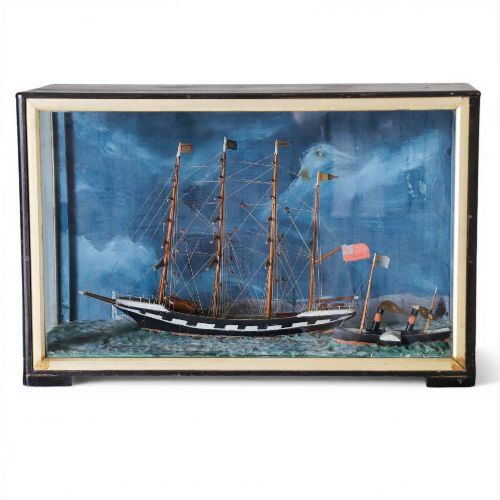
The selections available here showcase significant variation in form, ranging from shadow box dioramas and scratch-built sailing vessels to small shell grottos and bottled steam ships. English and Welsh origins predominate among these maritime collectibles, often displaying distinct regional character.
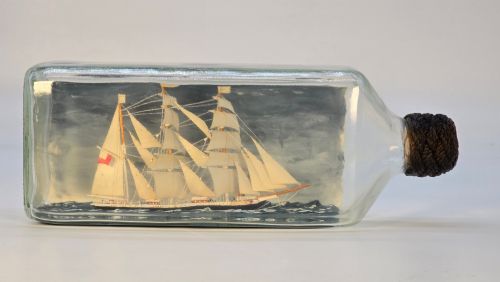
Buyers encounter traditional subjects such as four-masted sailing ships, steam barges, and clippers in full sail. These decorative objects serve as tangible links to maritime traditions, constructed with patience and specialised hand skills.
How they were made
Makers utilised wood, glass, and paint alongside plaster, fabric, and seashells to construct these maritime pieces. Structural elements of the ships and frames rely on shaped timber, while bottles and shadow boxes enclose the delicate rigging and painted seascapes.
Intricate detailing often involves thread, putty, and carefully arranged seashells fixed securely within the composition. Scratch-built construction methods allowed makers to scale down large vessels into miniature dioramas without power tools.
Makers frequently used ordinary glass medicine bottles to house remarkably complex four-masted sailing vessels.
What varies in quality
The refinement of miniature rigging and the execution of painted seascapes separate standard examples from superior pieces. Skilled makers achieved realistic proportions and convincing motion in the painted waves.
The complexity of the housing, whether a clear glass bottle, a wooden shadow box, or an elaborate shell grotto, dictates the visual impact of the work. Well-preserved materials and intact structural elements maintain the original integrity of the maritime scene.
The Sailor Folk Art Model Glossary
- Maritime Diorama
- A three-dimensional scenic representation featuring ships, painted seascapes, and physical elements arranged behind glass or within a shadow box.
- Ship in a Bottle
- A complete miniature sailing or steam vessel assembled inside a glass bottle, where masts and rigging fold down to pass through the narrow neck.
- Shell Work
- Decorative craft utilising various seashells arranged in geometric or architectural patterns to form grottos, churches, or ornamental frames.
- Scratch Built
- An object constructed entirely from raw materials and components without using pre-manufactured commercial model kits.
- Turneresque Seascape
- A painted background depicting water and sky with atmospheric effects reminiscent of traditional maritime painting styles.
Sailor Folk Art Model: Frequently Asked Questions
What is a sailor folk art model?
A sailor folk art model encompasses handmade maritime items such as bottled ships, shadow box dioramas, and shell structures created during the nineteenth and early twentieth centuries.
These pieces reflect the resourcefulness and nautical expertise of makers who utilised accessible materials like wood, glass, and thread.
How were ships placed inside bottles?
Makers constructed the miniature vessels with hinged masts and rigging that folded flat against the hull. This allowed the ship to pass carefully through the narrow neck of the bottle before being pulled upright using attached threads.
Putty and painted elements anchored the hull to the bottom of the glass container, creating a secure seascape scene.
Where do these pieces originate?
The listings demonstrate clear origins in England and Wales, with specific pieces linked to nineteenth-century and early twentieth-century traditions. Maritime communities produced these objects independently or during long voyages at sea.
Regional styles often emerge through the choice of local materials, such as specific seashells or types of timber.
How should I display a diorama?
Display these maritime objects in stable environments away from direct sunlight and extreme temperature fluctuations to protect delicate wood, glass, and fabric components. Shadow boxes and bottled ships require secure placement on flat surfaces where the interior details remain clearly visible.
Gentle dusting with a soft brush keeps the exterior glass and frames clean without disturbing the internal structure.