




Wooden Ship Hull
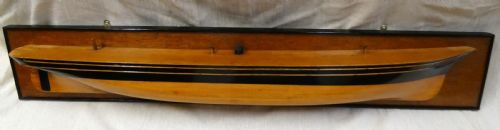
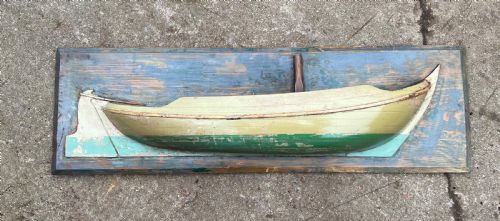
A wooden ship hull is a maritime model or builder's record, desired for its sculptural form and nautical history.
Wooden Ship Hull
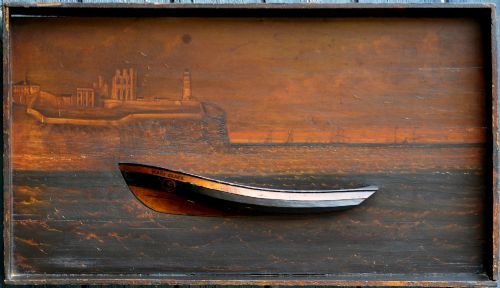
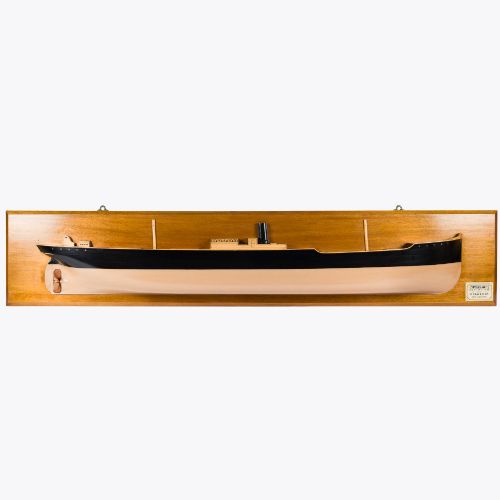
A wooden ship hull represents the maritime heritage captured in half hull models, full model boats, and related nautical antiques. When buyers search for a wooden ship hull, they encounter pieces ranging from Victorian builder's models to decorative objects spanning the late nineteenth and early twentieth centuries.
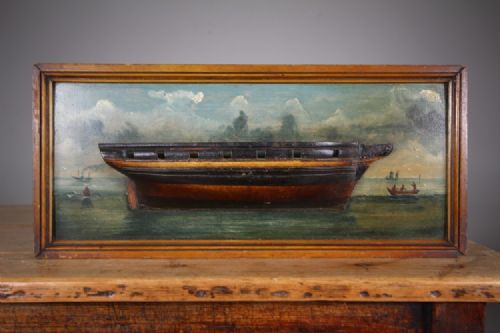
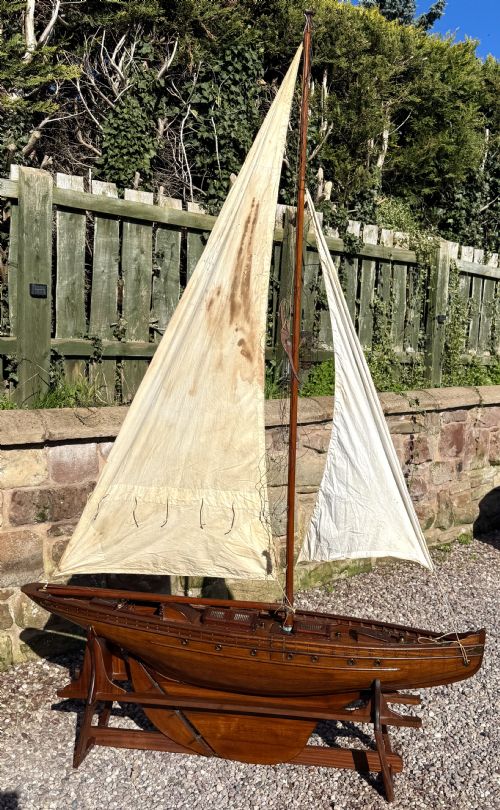
The selection here includes half hull models, pond yachts, dioramas, and paintings depicting steel hull ships. Pieces originate from periods such as the Victorian and Edwardian eras, utilising materials like mahogany, pine, and sycamore.
How they were made
Construction relies on traditional woodworking techniques, utilising woods such as mahogany, pine, and sycamore to shape solid hulls and delicate model boats. Ship builders and craftsmen shaped these materials to record vessel designs precisely.
Many items incorporate painted surfaces, oil paint on canvas, and added details in brass and glass. These mixed materials serve to delineate waterlines, decks, and rigging.
Listings feature items spanning the Victorian and Edwardian periods, utilising woods such as mahogany, pine, and sycamore.
What varies in quality
Quality rests in the precision of the carving and the accuracy of the vessel's lines, distinguishing a utilitarian builder's record from a decorative object. Finer examples display meticulous attention to scale and proportion in woods like sycamore or mahogany.
The presence of documented origins, such as specific shipbuilders or named vessels like the S.S. Othello and the trawler Caeneus, elevates a piece's historical interest. Condition of the original paint, brass fittings, and any mounted stands also influences the character of the piece.
W. Grey & Co·Liverpool Ship Building Co.
The Wooden Ship Hull Glossary
- Half Hull Model
- A three-dimensional representation of one side of a ship's hull, mounted on a backboard. Shipbuilders used these to visualise hull shapes and calculate displacement before full construction.
- Barque
- A sailing vessel with three or more masts, having square sails on the foremast and mainmast and mizzenmast rigged fore and aft. This rig offered a balance of speed and manageable crew numbers.
- Diorama
- A three-dimensional scene depicting a ship in a maritime setting, often enclosed in a glazed case. These displays combine carved models with painted backdrops to recreate sea conditions.
- Pond Yacht
- A large model sailing boat designed to be sailed on open water by hobbyists. Victorian examples often measure several feet and require substantial wooden hulls to withstand wind and water.
- Sycamore
- A dense hardwood utilised for carving detailed models. Its fine grain permits smooth shaping and crisp lines on scale hulls.
Wooden Ship Hull: Frequently Asked Questions
What is a ship builder's half hull?
A ship builder's half hull is a longitudinal model cut down the centreline, fastened to a backboard to display the underwater and above-water form of a vessel. Shipyards used them to test hydrodynamic lines and agree on designs with shipowners.
Today, these halves are mounted horizontally or vertically as wall art, appreciated for their clean, sculptural lines and direct connection to maritime architecture.
How do I date a wooden ship hull?
Dating relies on construction methods, timber choices, and any inscribed plaques naming specific vessels or builders from the Victorian or Edwardian periods. Stylistic cues in the paintwork and mounting boards also provide chronological markers.
Examining the type of vessel represented, such as a four-masted barque or a steamship like an 1880s model, helps narrow down the era of manufacture.
Where should I display a large pond yacht?
Large pond yachts require stable floor stands or sturdy shelving due to their substantial length and weight, particularly models approaching eight feet. Placing them away from direct heat sources prevents the wood and paint from splitting.
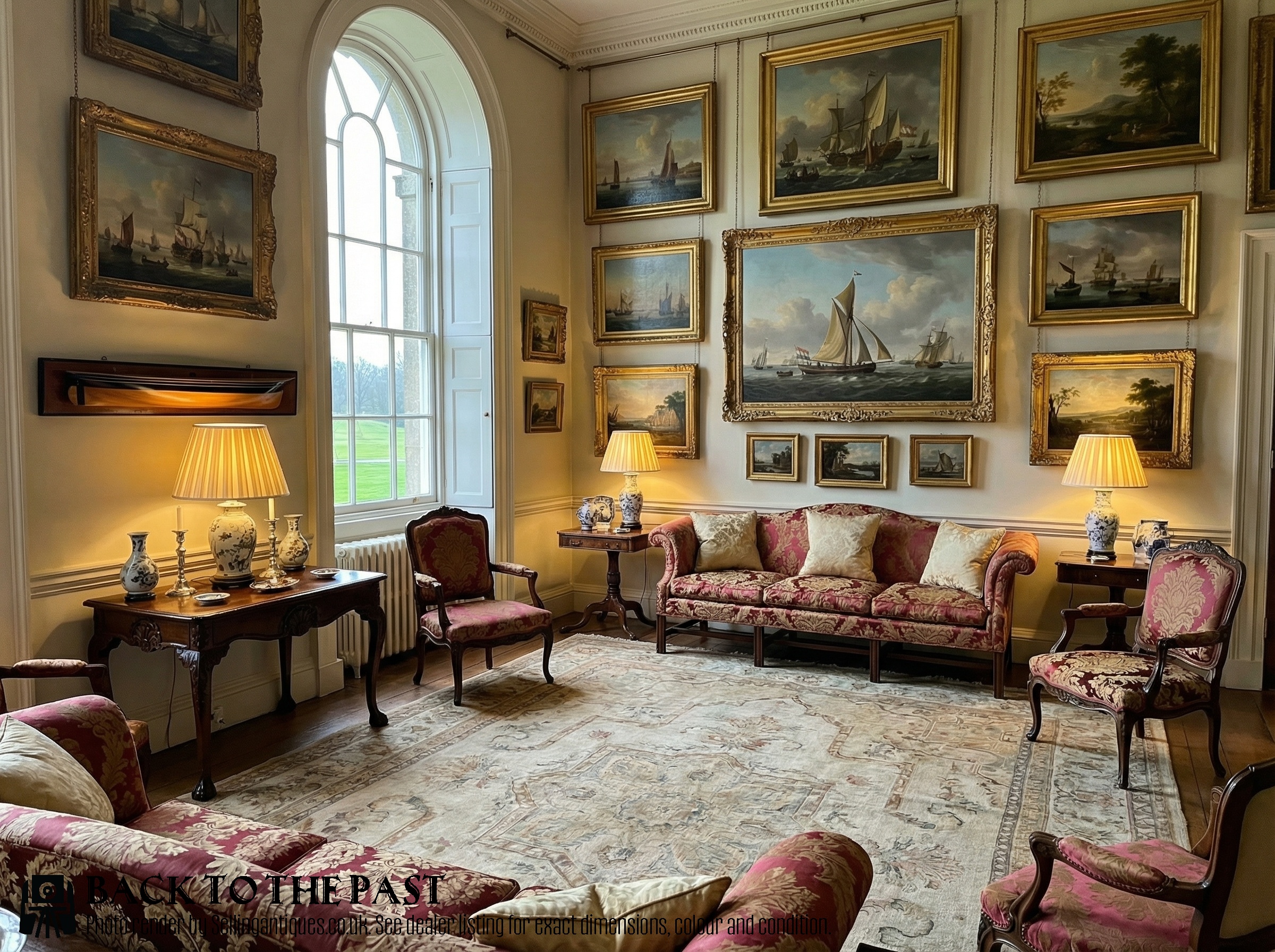
Rooms with high ceilings and maritime or neutral decor provide a suitable environment for displaying these large hulls without cluttering the space.
Are these models seaworthy?
While pond yachts were originally built for sailing on water, antique models function primarily as decorative objects or historical artefacts today. Their aged wooden joints, paint layers, and brass or glass components are vulnerable to moisture damage.
Preserving the existing finish means keeping these hulls in dry indoor conditions rather than testing them on open water.