





Vintage Nautical Art
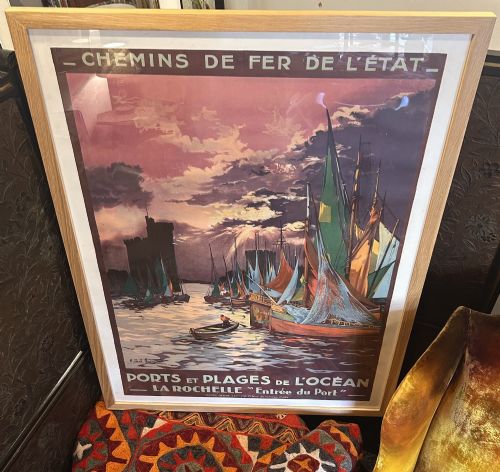
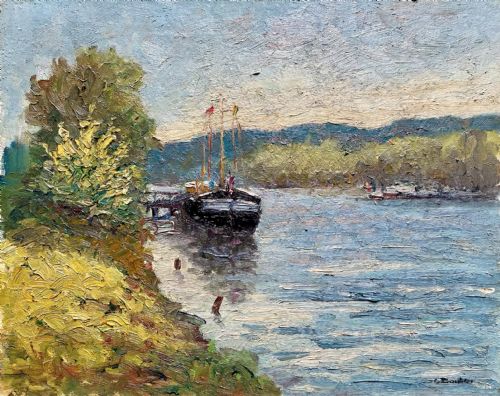
Vintage nautical art captures the enduring pull of the sea through paintings, watercolours, and dioramas spanning the nineteenth and twentieth centuries.
Vintage Nautical Art
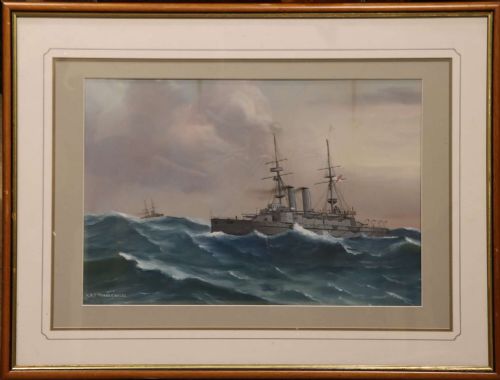
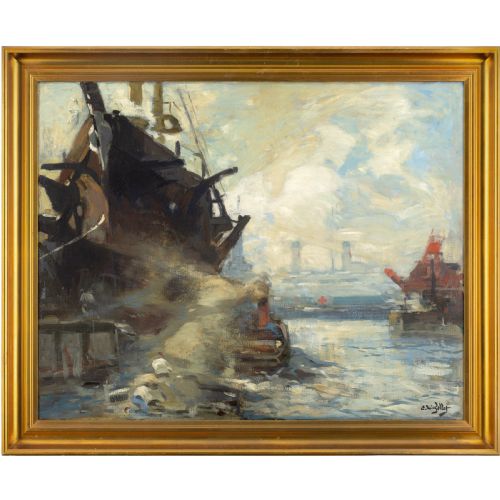
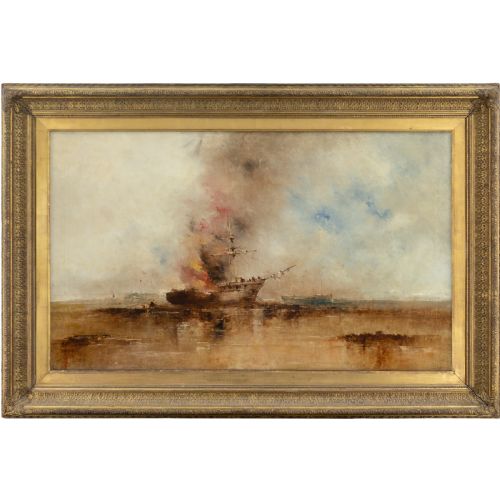
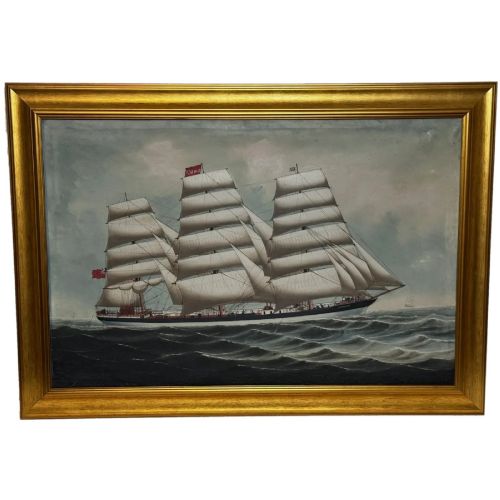
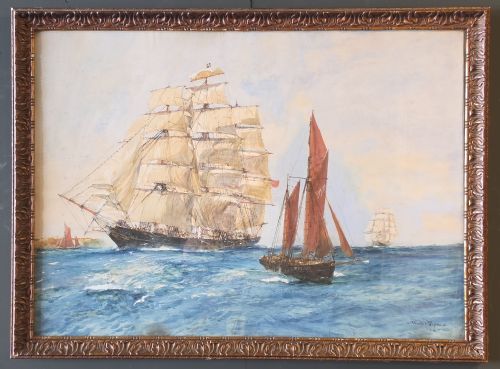
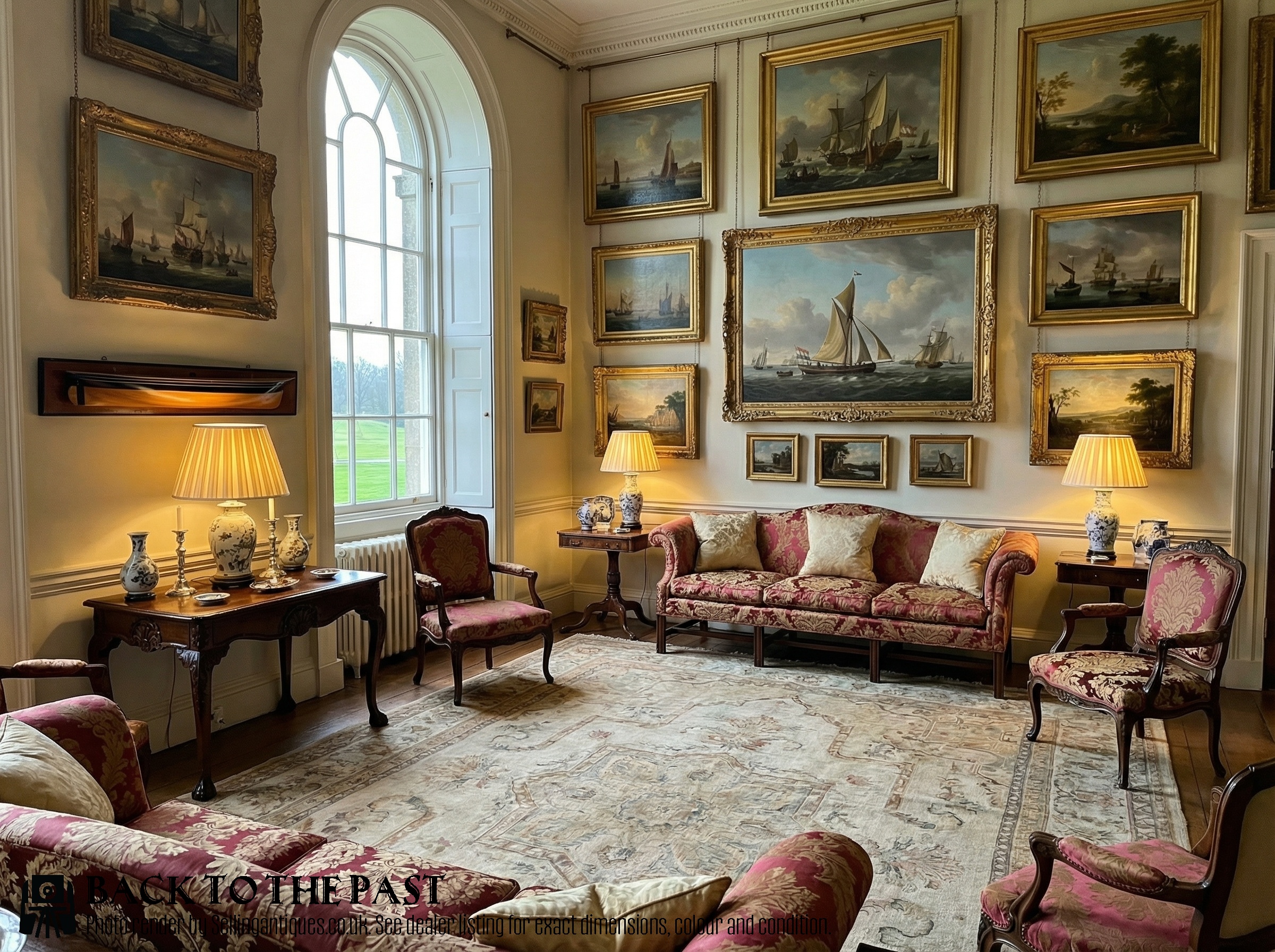
Vintage nautical art encompasses oil paintings, watercolours, and mixed media works that record maritime history, coastal scenes, and shipping. These pieces range from detailed depictions of steamships and three-masted schooners to atmospheric evening harbours and post-impressionist river views.
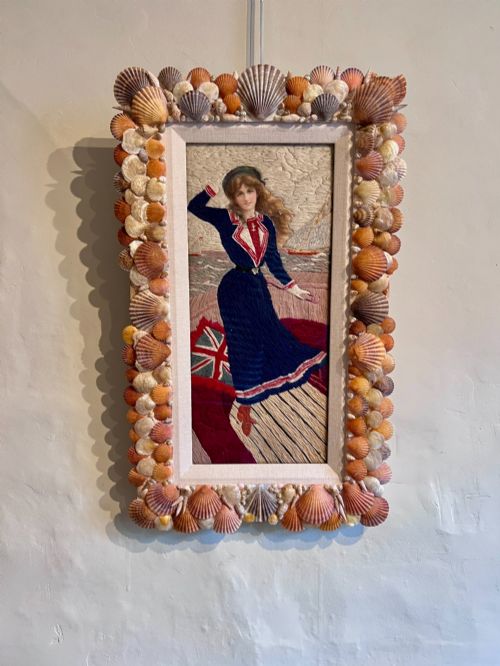
The selections available here lean heavily towards early twentieth-century canvases, Edwardian maritime watercolours, and mid-century oils. Buyers encounter everything from formal depictions of naval engagements to maritime folk art and textured woolwork pieces known as woolies.
How they were made
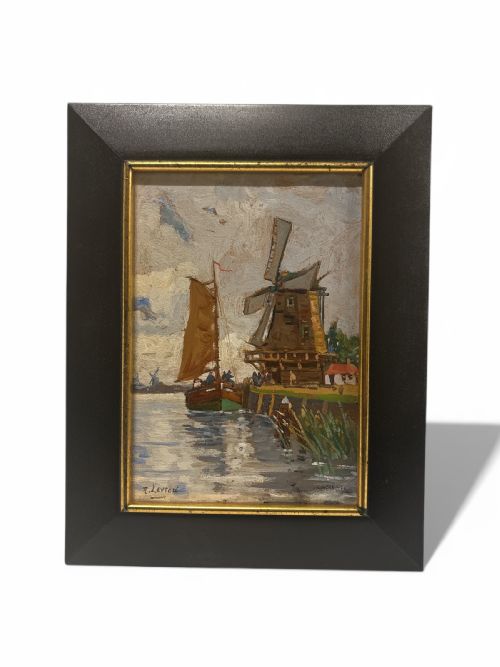
Artists relied primarily on oil paint on canvas or board and watercolour on paper to capture shifting light on water and the intricate rigging of vessels. Pigments were applied with varied brushwork, shifting from precise academic realism to looser impressionist and post-impressionist handling.
Alternative methods appear in textile wall art, such as woolwork embroideries, and three-dimensional constructions like maritime dioramas enclosed in glass bottles. Frames of wood and gilt complement many of the paintings, providing structural support and period context.
Listings feature works spanning the nineteenth century through to the nineteen-sixties, executed in oil paint, watercolour, and gouache.
What varies in quality
Quality rests on the artist's command of maritime architecture, atmospheric perspective, and the movement of water. Skilled hands render the weight of a hull and the physics of wind in canvas sails with convincing precision, whereas weaker works struggle with proportion and scale.
The handling of medium also dictates distinction, separating hurried decorative output from deeply observed studies of light and atmosphere. Provenance, clear signatures, and contemporary framing further elevate the standing of individual pieces.
Kenneth Cozens·R Leyton·Eugène-Louis Gillot·William McAlpine·Reginald Arthur Borstel·Charles Edward Dixon·John E. Aitken·James Kay·William Lionel Wyllie·Frank William Scarbrough·F. Corpuz·Peter Brannan·Paul Bret·Willem Bos·Nicholas Condy
The Vintage Nautical Art Glossary
- Diorama
- A three-dimensional model scene enclosed within a case or bottle, frequently featuring miniature rigged ships and painted backdrops.
- Gouache
- An opaque water-based pigment that dries to a matte finish, allowing artists to build dense highlights on paper or board.
- Etching
- A printmaking technique where lines are bitten into a metal plate with acid before being inked and pressed onto paper.
- Provenance
- The documented history of ownership that traces a work of art from its creation to the present day.
Vintage Nautical Art: Frequently Asked Questions
What subjects appear most often in vintage nautical art?
Paintings frequently feature steamships, sailing barques, naval engagements, and harbour scenes from British and European ports. Artists also documented coastal landscapes, lighthouses, and river traffic on waterways like the Thames.
Industrial vessels and working barges share space with dramatic storm scenes and quiet evening anchorages. Each subject reflects the commercial and naval dominance of the sea during the nineteenth and twentieth centuries.
How do I identify the period of a maritime painting?
Clues lie in the vessel types, rigging styles, and clothing of any figures depicted on deck or shore. Steamships with funnels point towards the later nineteenth and early twentieth centuries, while wooden three-masted schooners often suggest earlier Victorian dates.
Pigment choices, framing materials, and artist signatures also provide reliable dating evidence. Comparing the handling to known works from specific decades helps narrow down the timeframe.
What is maritime folk art?
Folk art encompasses pieces made outside the formal academic tradition, often by sailors or self-taught craftspeople. Examples include woolwork embroideries and detailed ship models housed inside glass bottles.
These objects value personal ingenuity and direct observation over strict adherence to artistic conventions. They offer a tangible connection to the day-to-day lives of nineteenth-century mariners.
How should I hang and light oil paintings on board?
Oil paintings on wood panels or board require stable indoor humidity levels to prevent warping of the support. Position them away from direct sunlight and heat sources to protect both the pigments and the wooden backing.
Picture lights or indirect natural light work best for bringing out the dark tones of marine water and sky. Ensure the wall fixings match the weight of the frame.