

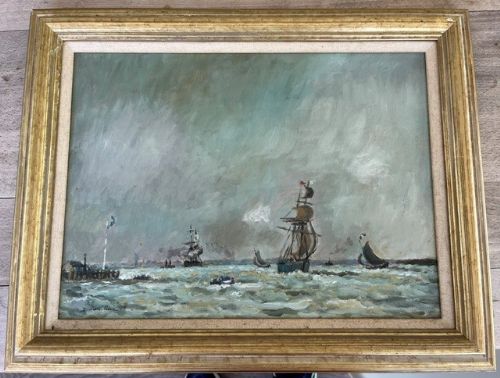


Antique Ship Picture
An antique ship picture captures maritime history on canvas, paper, or wool, offering collectors a direct link to the golden age of sail and steam.
Antique Ship Picture
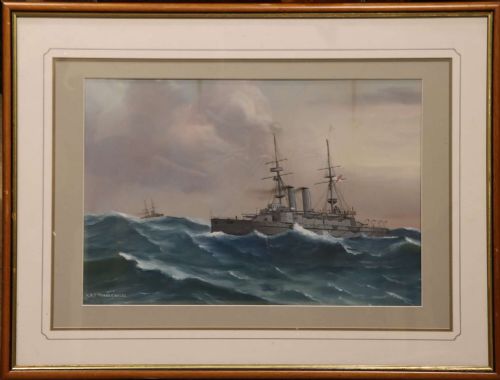
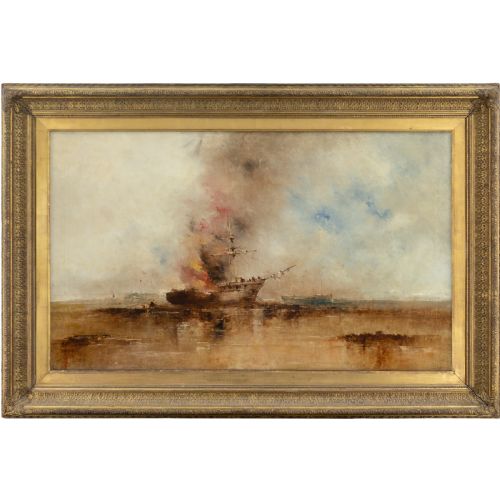
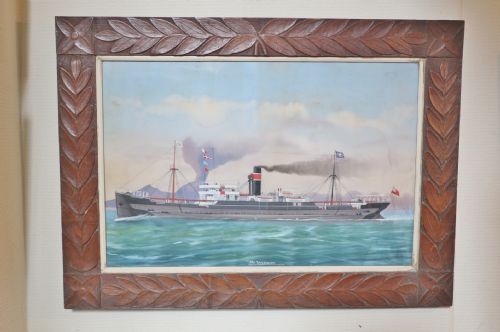
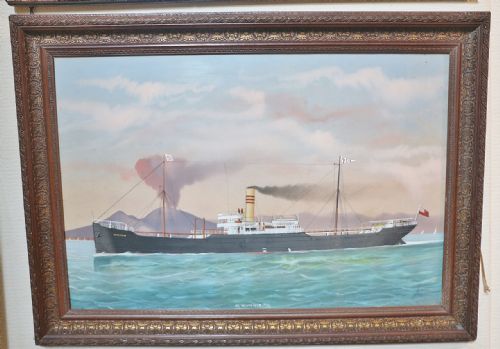
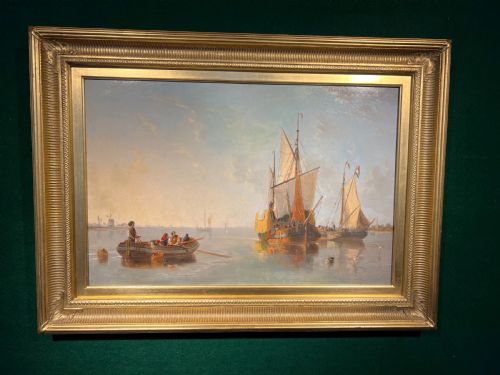
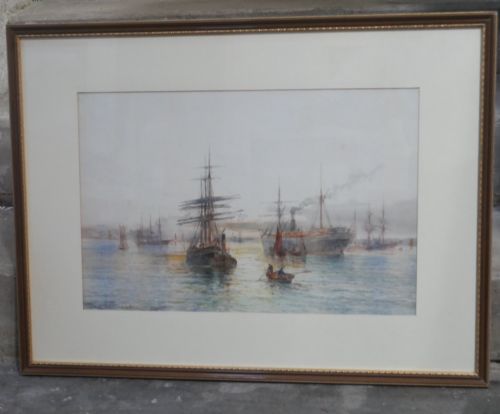
An antique ship picture encompasses framed artworks focusing on naval vessels, merchant traders, and coastal scenes. Buyers searching this phrase will most commonly encounter nineteenth-century watercolours and oil paintings.
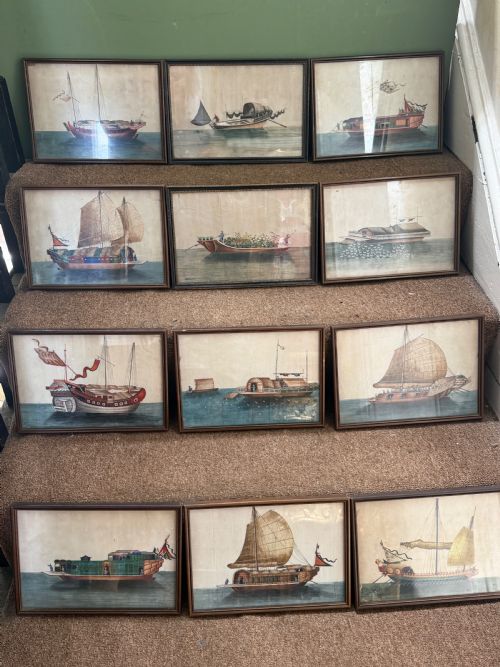
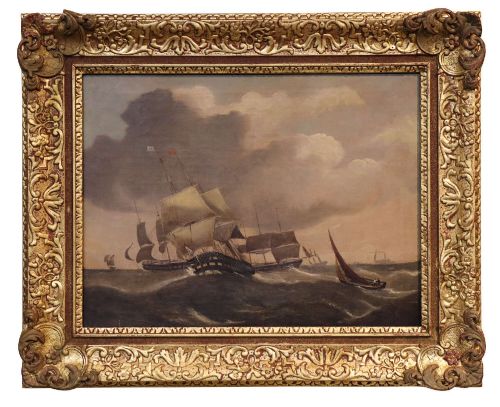
The inventory spans Victorian marine art, Edwardian steamships, and Chinese export gouache paintings of junks. Forms range from detailed watercolour paintings to heavy oil on canvas works depicting ships in heavy seas.
Subjects include named vessels like the HMS Prince of Wales alongside anonymous harbour scenes and sailors' woolie embroideries. These pieces record specific naval vessels, commercial clippers, and historic ports.
How they were made
Artists painted these works using oil on canvas, watercolour, and gouache on paper, often framing them in wood, gilt wood, and gold leaf frames. Some pieces incorporate card supports and glazed protection.
Listings feature paper, wood, glass, watercolour, oil on canvas, and gilt wood materials across the nineteenth and twentieth centuries.
What varies in quality
Quality rests upon the artist's command of maritime architecture, atmospheric rigging details, and water movement. Superior works capture the specific rigging and structural layout of named vessels accurately.
The preservation of the pigment, stability of the canvas or paper support, and originality of the framing dictate the standing of an individual piece.
William McAlpine·John Wilson Carmichael·William Frederick Settle·Charles William Wyllie·Vincenzo D’Esposito·E Tucker·Thomas Bush Hardy·Ebeneezer Colls·Rowland Henry Hill·Frank Wood·Frank W. Scarborough·William Langley
The Antique Ship Picture Glossary
- Gouache
- An opaque watercolour paint that dries to a matte finish, frequently used in nineteenth-century marine works to build dense colour and highlights.
- Woolie
- A textile picture embroidered by sailors using coloured wool yarns to depict ships, often utilising raised stitching for the waves and hulls.
- Maritime
- Pertaining to the sea, navigation, and shipping, serving as the primary classification for art depicting vessels and coastal waters.
- Gilt wood
- Wood coated with a thin layer of gold leaf or metallic gilt, commonly used for nineteenth-century picture frames.
- Barque
- A sailing vessel with three or more masts having the fore and mainmasts square-rigged and the mizzenmast fore-and-aft rigged.
Antique Ship Picture: Frequently Asked Questions
What periods do these ship pictures date from?
The selection spans the nineteenth century through the Edwardian era and into the mid-twentieth century. Most examples originate from the Victorian and Edwardian periods.
Artworks range from early nineteenth-century oil paintings to interwar watercolours and mid-century photographs of vessels.
Are these paintings of real ships?
Many depict documented vessels, including named Royal Navy ironclads, steamships, royal yachts, and commercial clippers. Artists recorded specific ships operating in places like Dublin Bay, the River Thames, and off the coast of Italy.
Other works portray generic junks, coastal figures, and anonymous marine scenes.
What is a sailor's woolie embroidery?
A woolie is a form of folk art created by nineteenth-century sailors using wool yarn on canvas. These works depict sailing ships and naval vessels using varied stitches to represent water and rigging.
They were often housed in their original oak frames as keepsakes.
How should I display a framed maritime watercolour?
Watercolours and gouache paintings require protection from direct sunlight to prevent the fading of paper and pigments. Glazed frames help shield these works from atmospheric moisture and dust in domestic settings.