




Vintage Sailor Painting
A vintage sailor painting brings the enduring character of the sea directly onto the wall, offering a tangible connection to maritime history.
Vintage Sailor Painting
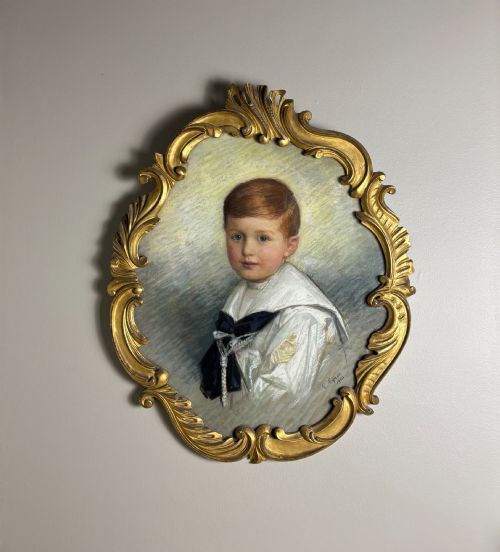
A vintage sailor painting captures maritime subjects and naval portraits, connecting collectors directly to seafaring history. The examples encountered here range from detailed watercolours to characterful folk art portraits created across the nineteenth and twentieth centuries.
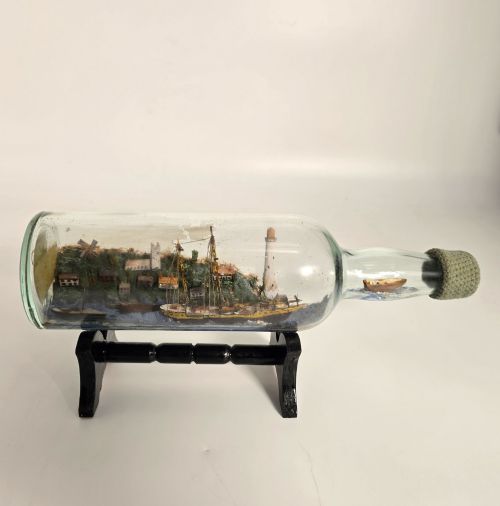
Buyers will find these works alongside related maritime objects such as dioramas, shadow boxes, and painted seaman's chests. Together, these pieces reflect a rich tradition of maritime craft spanning the Victorian, Edwardian, and mid-century eras.
Materials and methods
Artists and makers utilised traditional supports including canvas, paper, and wood panels for their maritime works. Pigments appear primarily as oil, watercolour, and gouache, often framed beneath protective glass within wooden surrounds.
Folk art pieces frequently incorporate mixed media elements alongside paint, utilising metal, iron, and found objects to construct detailed dioramas and ship models.
Vintage Sailor Painting Retail Price Guide 2026
Typical asking prices for vintage sailor painting among the pieces listed under this phrase on Sellingantiques today, from the lower quarter to the upper quarter. They describe what is for sale here now, not the wider market.
Listings feature works spanning the nineteenth century through the Edwardian period and the 1930s, utilising paint, paper, canvas, and wood.
Factors of quality
The strength of a composition and the clarity of the subject matter distinguish finer works from simpler decorative items. Skill in handling paint or constructing detailed maritime folk art determines the visual impact of each piece.
Original framing, authentic period materials, and documented historical context enhance the overall integrity of the artwork. Pieces that retain their original presentation offer a more complete historical record.
Emily Eyres·Otto Strassmann
The Vintage Sailor Painting Glossary
- Maritime Folk Art
- Objects and artworks created by self-taught makers focusing on nautical themes, ships, and the sea. This style emphasises expressive character over strict academic proportions.
- Gouache
- An opaque water-based paint that dries to a matte finish, allowing for vibrant colours and strong tonal contrast. Artists often combined gouache with watercolour for detailed maritime scenes.
- Diorama
- A three-dimensional display housed within a frame or shadow box, frequently depicting ships or naval scenes. These constructions often combine painted backgrounds with carved wooden models.
- Seaman's Chest
- A heavy wooden storage trunk, often painted with nautical motifs or patriotic inscriptions, used by sailors at sea. These chests form part of the broader material culture associated with maritime life.
Vintage Sailor Painting: Frequently Asked Questions
What is a vintage sailor painting?
A vintage sailor painting is an artwork depicting naval figures, ships, or maritime scenes created during the nineteenth or twentieth centuries. These pieces encompass both formal portraits and expressive folk art.
Collectors value them for their historical narrative and distinct aesthetic, which captures the romanticism and reality of seafaring life.
How do I date these maritime pieces?
Dating relies on stylistic clues, framing methods, and the materials used in the construction of the artwork or object. Victorian and Edwardian pieces often display specific decorative conventions and pigment types.
Inscribed dates, signatures, or historical subjects also help establish the approximate period of creation.
Where should I hang maritime art?
Maritime paintings and framed dioramas suit studies, libraries, and hallways where their nautical themes can be appreciated up close. Pairing them with other folk art or wooden objects creates a cohesive display.
Protect watercolour works and paper pieces from direct sunlight to preserve the pigments over time.
Are all sailor paintings professional works?
Many surviving pieces originate from folk art traditions, created by self-taught artists or sailors rather than academic painters. This folk tradition accounts for the unique character and direct charm found in many examples.
Both professional portraits and naïve works hold a recognised place in maritime collections.