



Vintage Marine Art
Vintage marine art captures the shifting power of the sea, recording historical vessels, coastal harbours and stormy waters across the nineteenth and twentieth centuries.
Vintage Marine Art
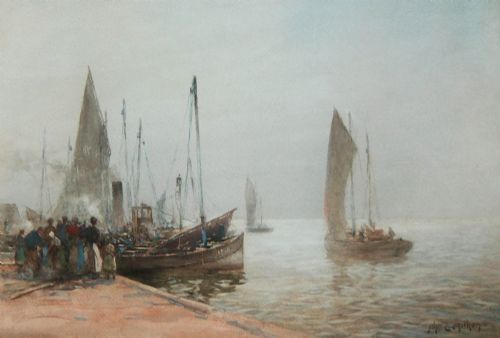
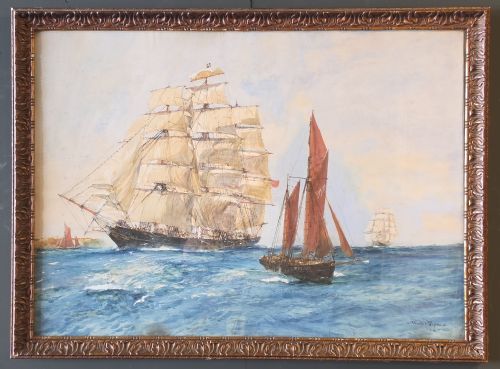
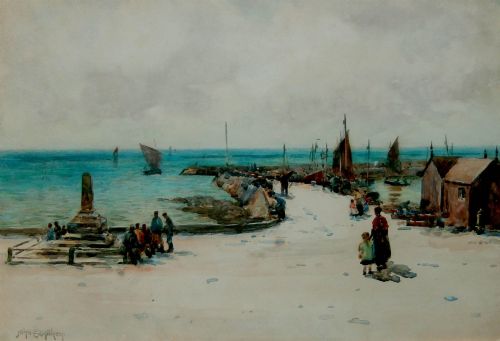
Most pieces date from the nineteenth century to the mid-twentieth century, encompassing Edwardian maritime scenes, British impressionism and mid-century works. These items range from detailed historical records of named vessels to en plein air coastal landscapes.
Materials and techniques
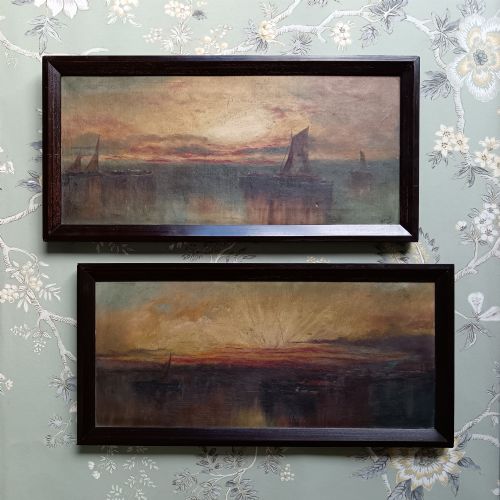
Artists painted these marine scenes using oil paint on canvas or board, alongside watercolours and gouache on paper. Canvases are frequently housed in period gilt frames that complement the maritime subject matter.
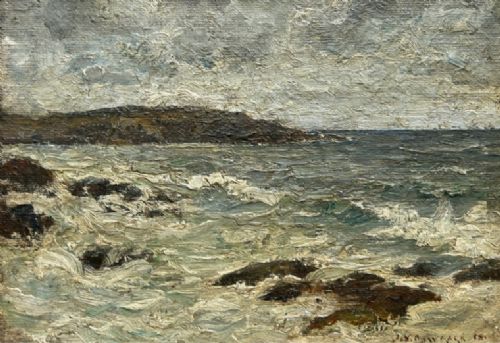
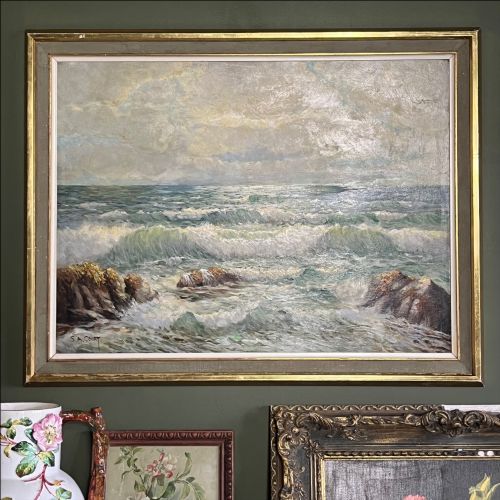
Techniques vary from precise documentary watercolours of naval ships to heavy impasto oil paintings capturing the texture of stormy coastal waters and skies.
Several artists preferred painting ships while enduring actual storms, ensuring the salt spray was practically mixed into the wet paint.
Judging quality in maritime works
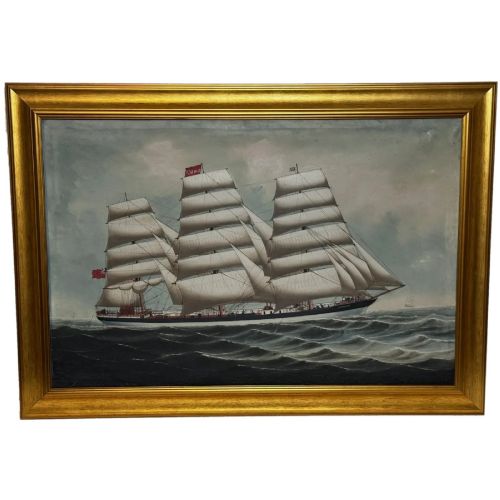
Quality rests upon the artist's command of atmospheric conditions, water movement and vessel architecture. Superior works demonstrate precise rigging details alongside a convincing rendering of light and wind upon the sea.
Condition of the medium and the presence of original framing contribute significantly to a piece's integrity. Signed works by documented marine painters command greater attention from collectors than unsigned school pieces.
Kenneth Cozens·Clifford Hanney·Eugène-Louis Gillot·William McAlpine·Reginald Arthur Borstel·Sidney A. Court·B. Nash·Edward Mills·James E. Aitken·Charles Edward Dixon·John E. Aitken·Eric Tufnell·William Banks Fortescue·Frank Watson Wood·Bernard Gribble·William Lionel Wyllie·Frank William Scarbrough·F. Corpuz·Clive Browne·Peter Brannan·Paul Bret·Bernard Benedict Hemy·Willem Bos·Lai Fong
The Vintage Marine Art Glossary
- Impasto
- Paint applied thickly to a canvas, leaving visible brush or palette knife marks that add tactile texture to turbulent waves.
- En plein air
- Painting outdoors to capture natural light and weather conditions directly onto the canvas or board.
- Gouache
- An opaque water-based medium that provides solid colour blocks and sharp detail in maritime watercolours.
- Etching
- A printmaking technique where lines are incised into a metal plate with acid to hold ink for printing on paper.
Vintage Marine Art: Frequently Asked Questions
How do I date a marine painting?
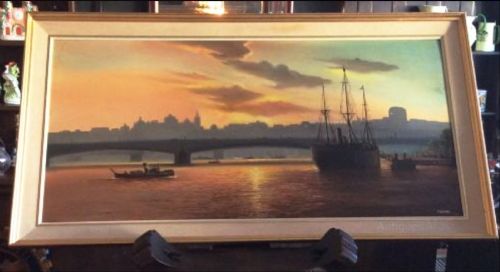
Dating relies on the ship types depicted, such as steamships or three-masted schooners, alongside artist signatures and framing styles.
Period pigments, canvas types and exhibition labels on the reverse also help establish the correct era.
Where were these maritime artworks displayed?
These paintings traditionally hung in maritime offices, captain's quarters and domestic reception rooms.
They served as decorative records of trade, naval might and personal connections to seafaring.
Are watercolours as durable as oils?
Watercolours require careful framing behind glass away from direct sunlight to prevent fading of the pigments.
Oil paintings on canvas offer greater resilience but still benefit from stable indoor humidity and temperature.
What is the difference between marine and maritime art?
Marine art typically focuses on the sea itself, coastal views, and ships weathering the elements.
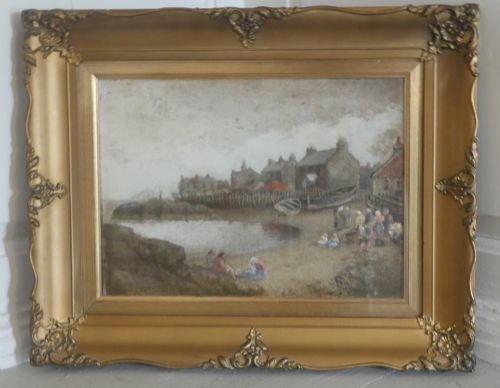
Maritime art encompasses a broader category that includes port scenes, docks, nautical instruments and human activity by the water.