


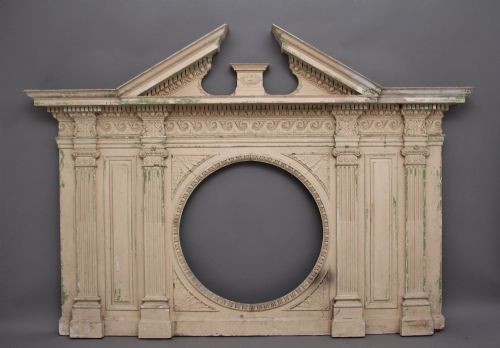

Framed Wood Panel Painting
Framed wood panel painting brings together historic oil pigments and solid timber supports, offering collectors intimate portraits, landscapes, and still lifes housed in period surrounds.
Framed Wood Panel Painting
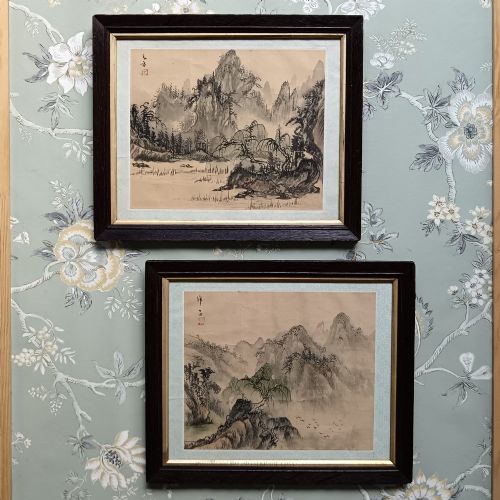
A framed wood panel painting is an artwork executed directly onto a timber support rather than canvas, typically enclosed in a period frame of gilded wood, painted pine, or solid hardwood. These pieces span centuries of artistic production, originating from European workshops, British landscape traditions, and domestic interiors.
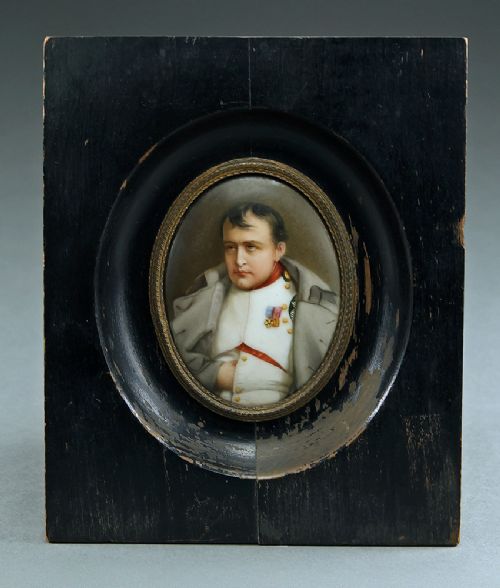
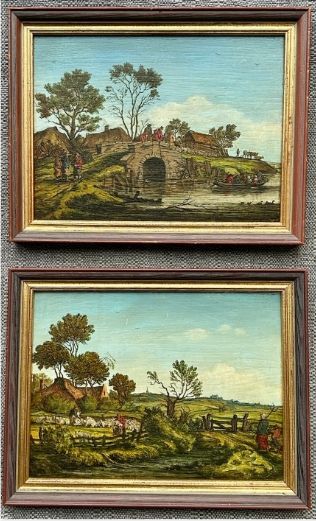
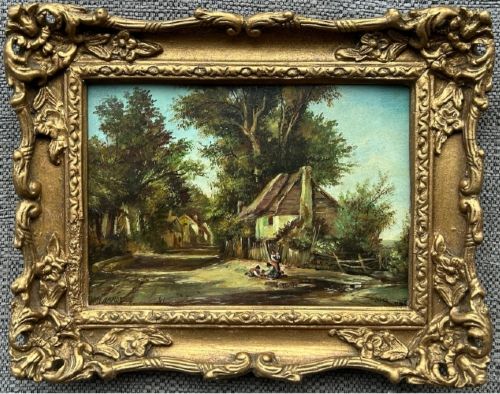
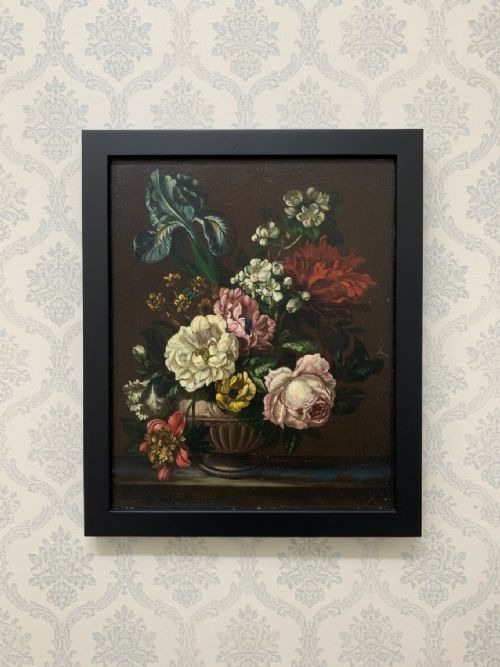
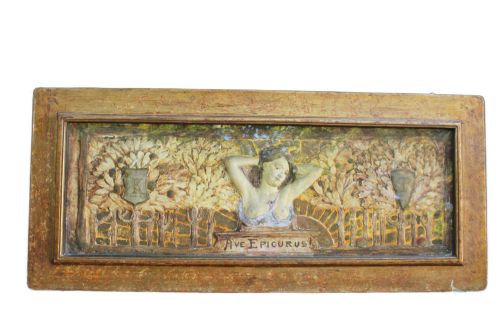
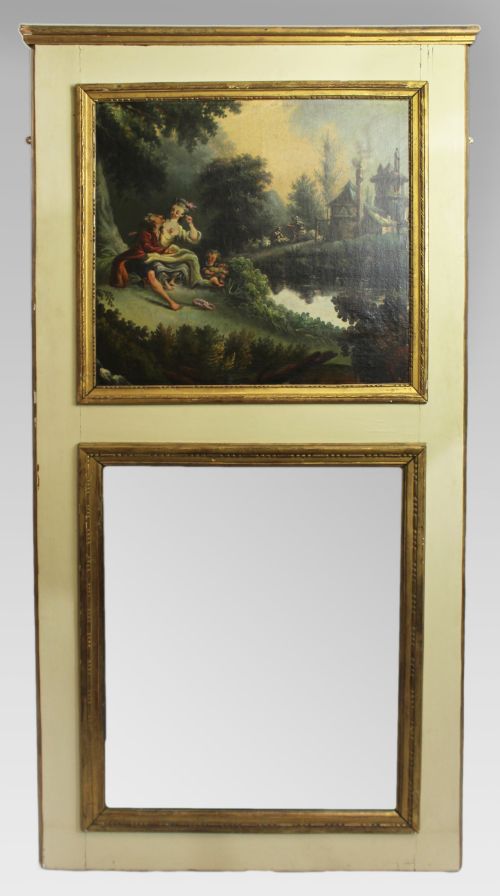
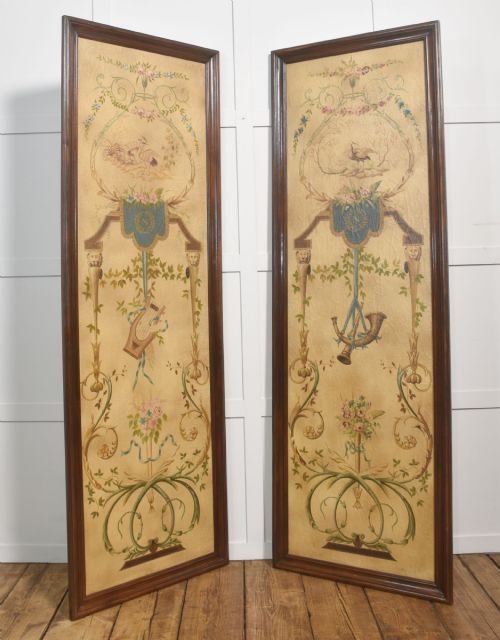
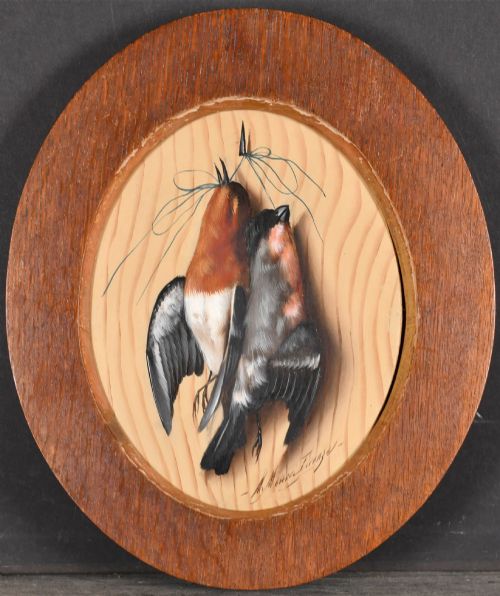
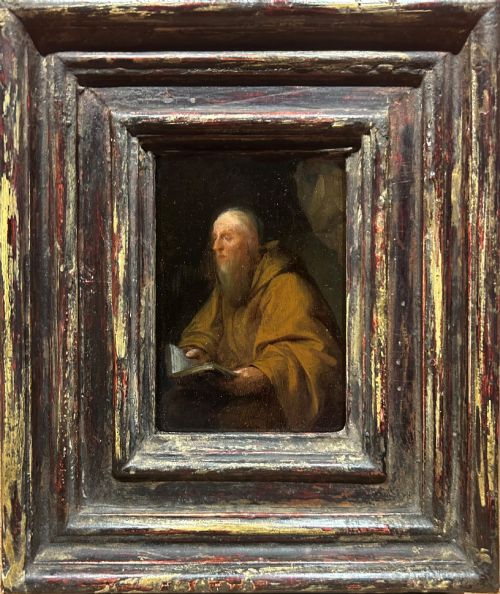
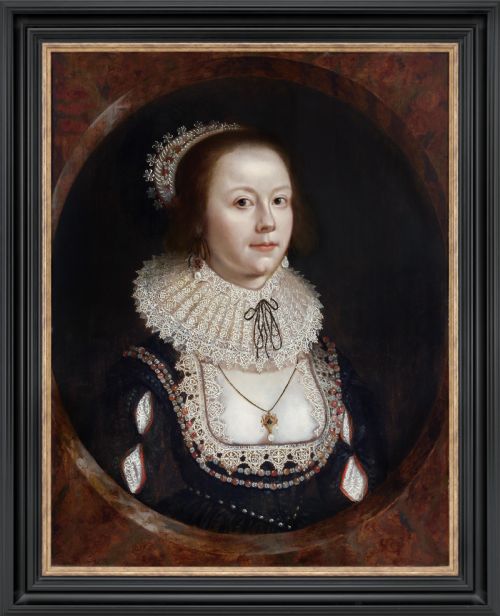
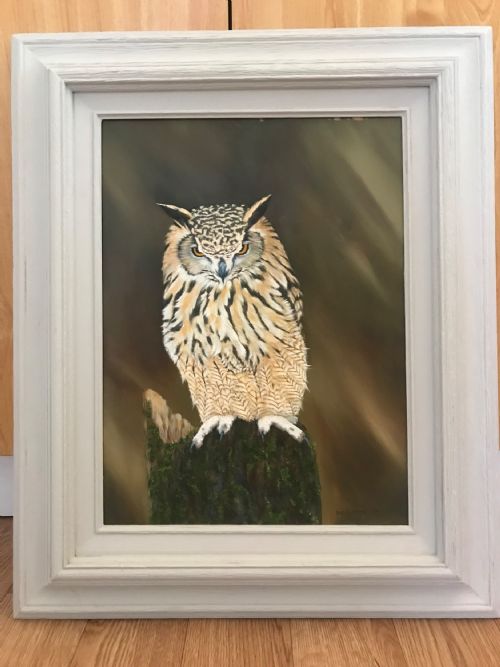
Collectors encountering this search phrase will find oil paintings on panel alongside decorative panels, trumeau mirrors incorporating landscape or pastoral oils, and specialised tavolette book covers. The subjects range from Dutch school still lifes and portraits with intricate ruff collars to Scottish river views and French school animal studies.
Dating across the selection runs from the seventeenth century through to the mid-twentieth century, with nineteenth-century Victorian and continental examples appearing frequently. Works often bear signatures of regional artists or reflect distinct stylistic movements such as British Impressionism, Dutch Golden Age traditions, and Neoclassical design.
Materials and Construction
Makers utilised prepared timber supports, such as oak, mahogany, or pine panels, providing a rigid base for oil paint application that differed from flexible woven canvas. Artists built up compositions using oil pigments that interacted with the smooth grain of the wood, sometimes incorporating gilded wood or painted surrounds.
The framing technique involved securing the panel within custom mouldings, ranging from simple solid wood borders to elaborate gilded frames and architectural overmantle structures. Protection was occasionally provided by glass panes, preserving both the painted surface and any underlying preparatory layers.
Listings feature works spanning from the seventeenth century through to the mid-twentieth century, executed in oil paint on wood panels.
Markers of Quality
Quality in these works rests upon the delicacy of the brushwork and the preservation of the painted surface against the natural movement of the timber support. Finer examples display confident handling of light and detail, particularly in complex subjects like portrait lace or intricate still life arrangements.
The relationship between the artwork and its housing significantly influences the piece, with original period frames matching the age and aesthetic of the panel underneath. Superior execution involves harmonious integration where the timber support remains stable and the framing complements the visual composition without overpowering the painted scene.
William Howard Hardy·Michelangelo Meucci·Cornelius Johnson·Florence Adelina Hess·Paul-Élie Gernez·Icilio Federico Joni·WILLIAM ETTY·James Kyd·Hans Temple·PAUL LEON JAZET
The Framed Wood Panel Painting Glossary
- Oil on panel
- A painting technique where oil-based pigments are applied directly to a wooden support. This method was favoured by northern European schools for its smooth surface and capacity for fine detail.
- Trumeau mirror
- An architectural wall mirror featuring an upper panel containing an oil painting or decorative relief. These French interior fixtures combined functional glass with pastoral or classical imagery.
- Tavolette
- Painted wooden book cover bindings historically used in civic archives such as the Sienese Biccherna. These panels functioned as administrative records decorated with miniature art.
- Overmantle
- A decorative painting or architectural panel designed to be mounted above a fireplace opening. Eighteenth-century examples frequently employed painted pine or canvas housed in robust wooden mouldings.
- Panel support
- The rigid wooden board used instead of canvas as the foundation for an artwork. Carpenters and artists selected seasoned hardwoods and softwoods to minimise warping over time.
Framed Wood Panel Painting: Frequently Asked Questions
How should I care for a wood panel painting?
Keep the artwork away from direct heat sources and sudden humidity fluctuations, which cause wood to expand and contract. Stable indoor conditions protect both the timber support and the oil paint layer.
Dust the surface gently with a soft, dry brush and avoid liquid cleaners. If framing includes glass, clean only the glass while ensuring moisture does not seep behind the rebate.
Why were artists using wood panels instead of canvas?
Wood panels provided a rigid, completely smooth surface that allowed artists to render microscopic details, such as lace collars and plumage, with absolute precision. This tradition persisted from early Renaissance workshops well into the nineteenth century.
Panels also offered immediate durability during travel and storage, though heavier woods required careful seasoning to prevent splitting over decades of display.
How do I identify the period of a framed panel?
Examine the construction of the wooden panel and the joinery of the frame behind the artwork. Tool marks, wood species, and fastener types often point directly to specific centuries of manufacture.
Compare the painting style, costume details, and framing motifs with documented regional schools. Pigment analysis and signatures further narrow down the date of creation.
What is a trumeau mirror?
A trumeau mirror is a tall decorative wall fixture designed to fit the space between two windows or above a fireplace. It pairs a vertical looking glass with an integrated oil painting or relief panel.
Originating in French interior design, these pieces combined functional reflection with pastoral, romantic, or classical artwork enclosed within carved wood mouldings.