



Impressionist River Landscape Painting
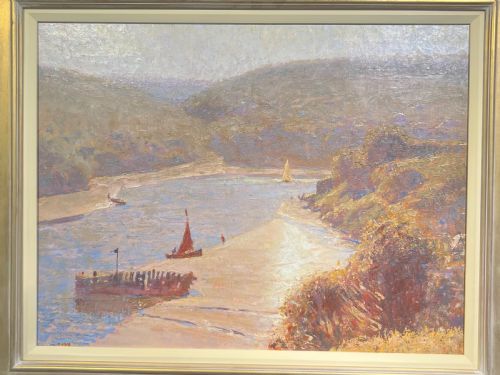
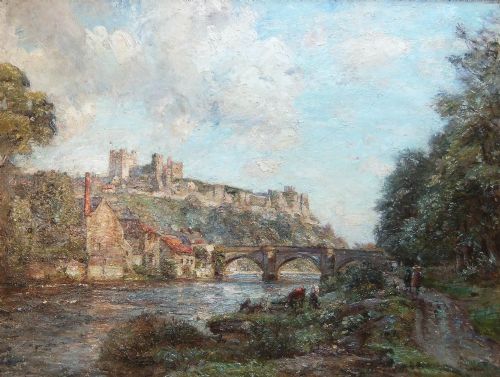
Impressionist river landscape painting captures shifting light and water through loose brushwork, offering buyers a serene window into nineteenth and twentieth-century waterways.
Impressionist River Landscape Painting
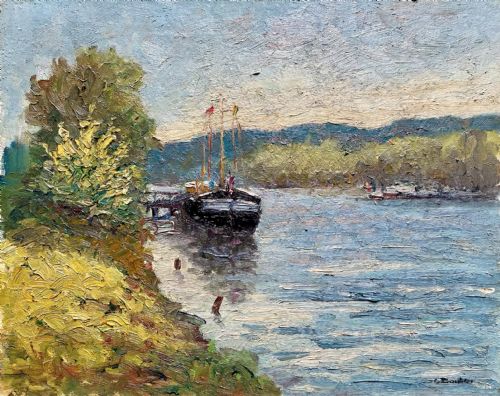
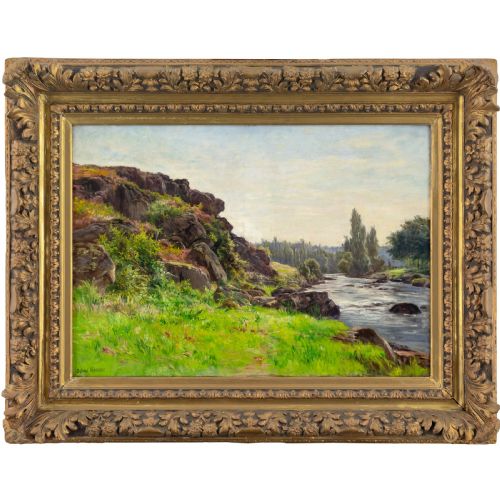
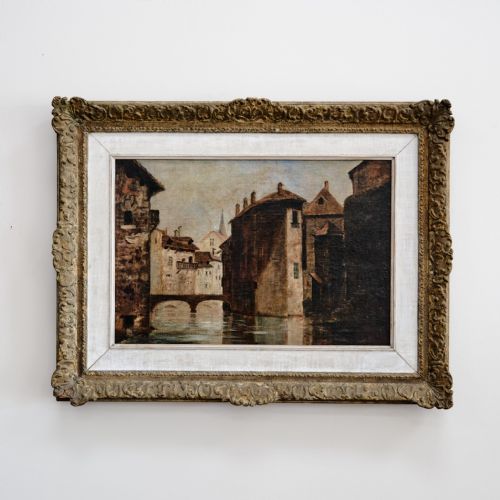
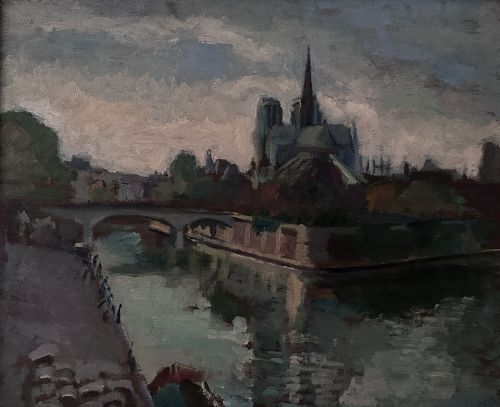
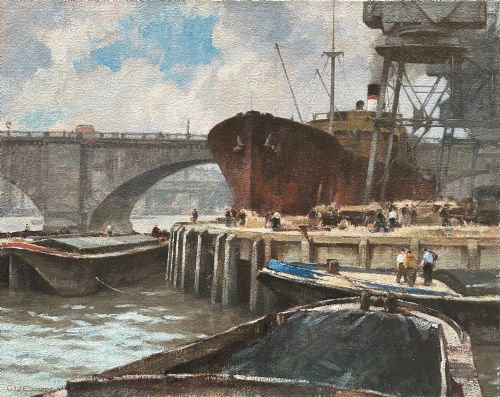
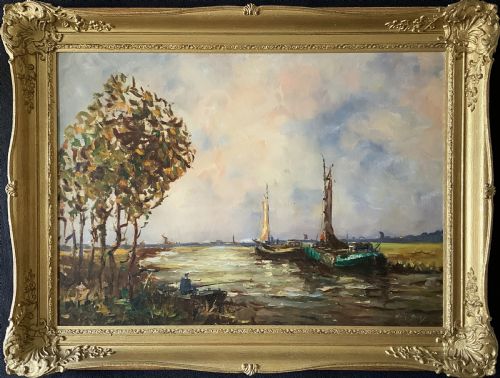
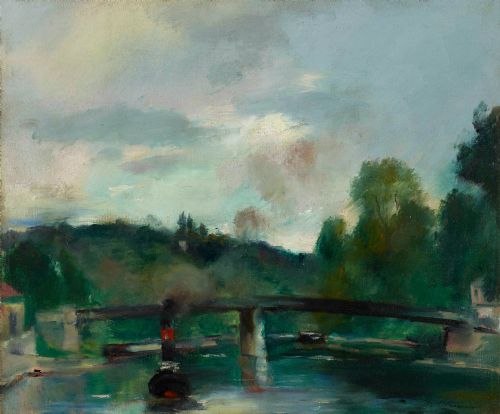
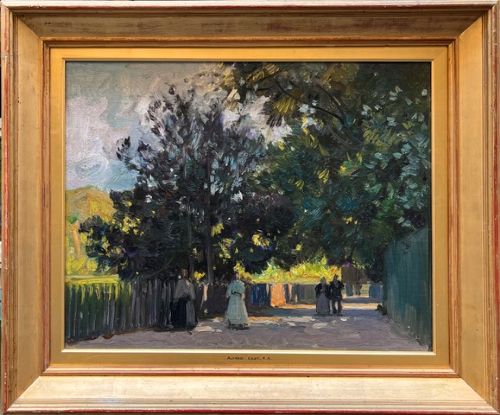
An impressionist river landscape painting records bodies of water, canals, and riverbanks through expressive brushstrokes that capture natural light and atmospheric conditions. The selection ranges from nineteenth-century French and British canvases to mid-century continental scenes.
Buyers frequently encounter works executed on canvas or wood panel depicting rural river bends, urban bridges, and working boats. These pieces bridge classical landscape traditions and modern visual techniques, drawing the viewer directly into the waterside setting.
How They Were Made
Painters applied oil paint directly onto stretched canvas or wooden panels, frequently utilising gesso to prepare the ground for rapid brushwork. This combination allowed artists to work outdoors to capture transient reflections on water.
Subsequent framing often involved gilt wood mouldings that complemented the luminous palette of the painted surface. Pigments were laid down in thick impasto strokes or fluid washes to suggest movement in rivers and skies.
Listings feature works spanning the nineteenth century through the 1960s, executed in oil and watercolour on canvas, wood panel, and board.
What Varies in Quality
Quality rests in the handling of light and the surety of the brushwork, distinguishing works that convincingly render water and atmosphere from stiffer compositions. The harmony of the palette and the confidence of the perspective dictate the standing of a canvas.
Preservation of the original paint layer and panel integrity also influence the standing of a piece. Works retaining their untouched surface and period framing carry greater visual cohesion.
George Graham·Gabriel Mathieu·Willem Bos·Henri Ottmann·Sir Alfred East·Herbert Royle·Paul Désiré Trouillebert·Florence Adelina Hess·John Horace Hooper·Hubert Wellington·Honore Cavaroc·Archibald Kay·Charles Clair·Henri Jaques Delpy·Sir David Murray·André Prévot-Valéri·Arthur Reginald Smith·Mario Pinetti·Arthur Herbert Rigg·Ron Folland·Owen Bowen·E A Minardo·David Watts·William Grant Murray·Maud Raphael Jones
The Impressionist River Landscape Painting Glossary
- Impressionism
- A nineteenth-century painting movement focused on capturing the visual impression of the moment, especially shifting light and ordinary subject matter. Artists prioritized open-air observation over academic studio finish.
- Impasto
- Paint applied thickly to a canvas, standing out from the surface so that texture remains visible. This technique adds tactile depth to water and foliage.
- Gesso
- A plaster-like mixture applied to canvas or wood panels to create a smooth, stable surface for oil painting. It seals the support and holds the pigments securely.
- Gilt wood
- Wood carved and coated with gold leaf or metallic paint to form decorative picture frames. It provides a reflective border that isolates and enhances the painted scene.
- Barbizon School
- A mid-nineteenth-century French art movement dedicated to naturalistic landscape painting. Practitioners emphasised direct study of nature and tonal harmony.
Impressionist River Landscape Painting: Frequently Asked Questions
What defines an impressionist river landscape?
These paintings focus on waterways, riverbanks, and bridges depicted through loose, visible brushstrokes rather than rigid detail. The primary goal is capturing natural light, reflections, and the shifting atmosphere of the scene.
Most examples date from the nineteenth to the mid-twentieth century, originating from British, French, and Dutch schools. They celebrate everyday aquatic environments ranging from rural streams to bustling urban canals.
Where were these paintings typically displayed?
Historically, collectors hung these works in domestic reception rooms, parlours, and studies where moderate natural light could illuminate the brushwork. Their subject matter brought a sense of open air and tranquility indoors.
Today, they suit a variety of interior settings, functioning well above mantels or along hallway walls. Neutral wall colours allow the historic gilt frames and vibrant oil pigments to stand out.
How do I identify the period of a canvas?
Dating relies on stylistic clues, framing materials, and the physical support of the artwork. Nineteenth-century pieces often feature traditional canvas stretchers and darker, earthier palettes, while mid-century works frequently employ bolder impasto and board supports.
Signatures, exhibition labels on the reverse, and recorded artist active dates provide definitive markers. Comparing the brush technique to established regional schools also clarifies the era.
How should I care for an antique oil painting?
Protect the canvas by keeping it away from direct sunlight, excessive humidity, and rapid temperature fluctuations. Dust the surface gently with a soft, dry brush without applying pressure to the paint layer.
Avoid using water or chemical cleaners on the oil surface or the gilt wood frame. Professional conservation should be sought if the canvas requires cleaning or structural repair.