




English Impressionist Oil Painting
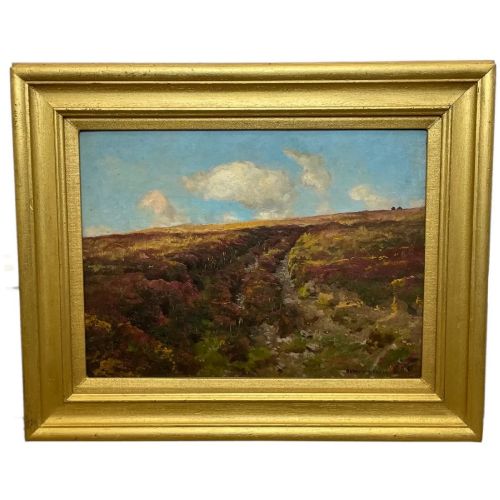
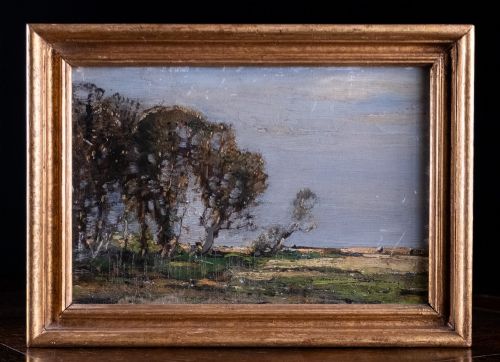
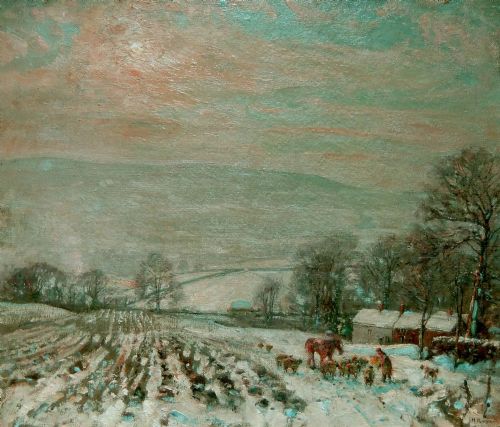
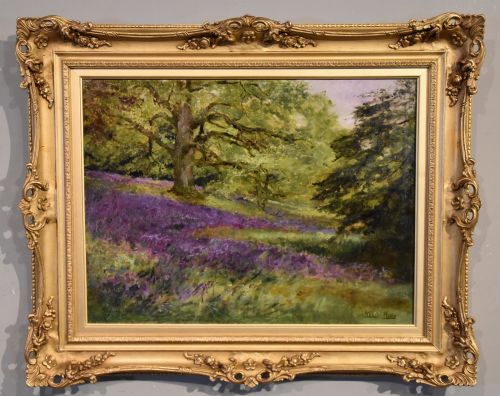
An english impressionist oil painting captures light and weather across rural landscapes and coastal views with spirited brushwork.
English Impressionist Oil Painting
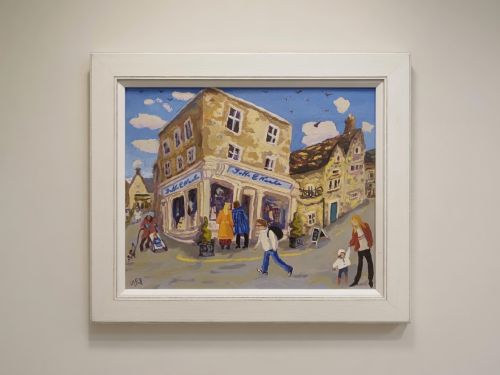
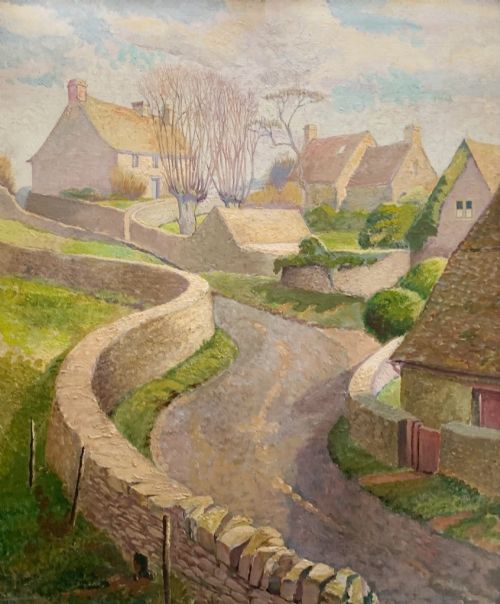
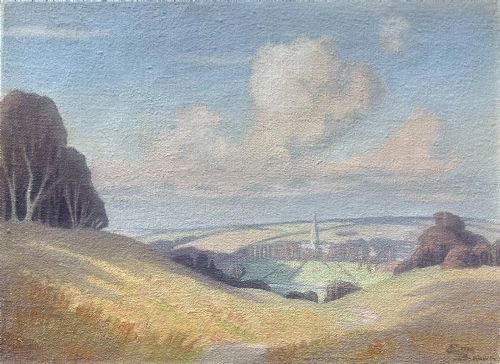
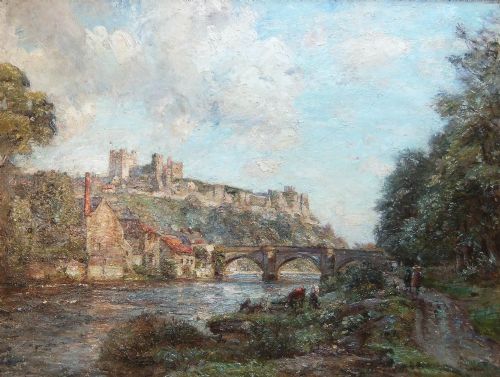
An english impressionist oil painting records the changing light of rural fields, rivers, and coastal harbours across Britain. These works bridge late Victorian academic traditions and twentieth-century modernism through loose, expressive brushwork applied directly to the surface.
The pieces on this page span from the Edwardian era through the mid-twentieth century, featuring regional scenes from Yorkshire, Dorset, and Devon. Artists frequently worked out of doors to capture authentic atmospheric conditions on canvas, board, or wood panel.
Materials and Construction
Pigments ground in oil provide the rich body and luminous depth characteristic of these works, allowing artists to build thick impasto layers. These oil paints were applied directly onto prepared canvas, sturdy wood panels, or artist boards using loaded brushes and palette knives.
Supports varied according to whether the artist painted indoors or out in the field, with portable wood panels and boards favoured for rapid plein air studies. Framed presentations often retain their original period mouldings that complement the painterly textures of the surface.
Several canvases preserve the accidental thumbprints of artists who squeezed their tubes in a hurry.
Factors of Distinction
Quality rests in the confidence of the brushwork and the artist's ability to render light and atmosphere without overworking the composition. Stronger examples display a decisive handling of pigment that creates a palpable sense of place and weather.
Provenance and documentation also separate works, as signed canvases with recorded exhibition histories or direct studio provenance offer clearer insight into the artist's output. The balance of tone and the preservation of the original paint layer determine the visual impact of each piece.
Herbert Royle·Ernest Higgins Rigg·Owen Bowen·Florence Adelina Hess·Reginald Grange Brundrit
The English Impressionist Oil Painting Glossary
- Plein air
- Painting outdoors directly in front of the subject to capture transient effects of light and atmosphere. This approach defined much of the spontaneous brushwork seen in early twentieth-century landscapes.
- Impasto
- Paint applied thickly to a canvas or panel so that it stands proud of the surface and retains the marks of the brush or palette knife. This technique adds tactile dimension to highlights and water reflections.
- Panel
- A rigid support made of wood used by artists in place of stretched canvas. These boards offered a stable, durable surface favoured for portable outdoor sketching.
- Post-Impressionist
- A stylistic phase following impressionism that explored expressive colour and structured form rather than purely optical recording. Artists in this tradition pushed brushwork beyond strict naturalism.
English Impressionist Oil Painting: Frequently Asked Questions
What subjects appear most often in these paintings?
Landscapes and coastal views dominate the selections, featuring rivers, farmsteads, and Yorkshire or West Country scenery under varied daylight.
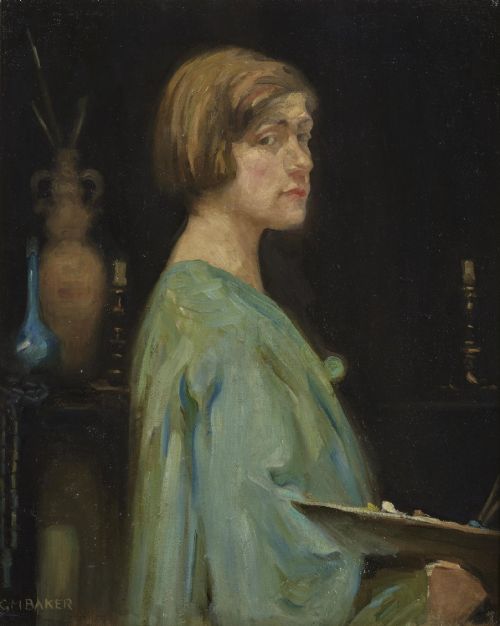
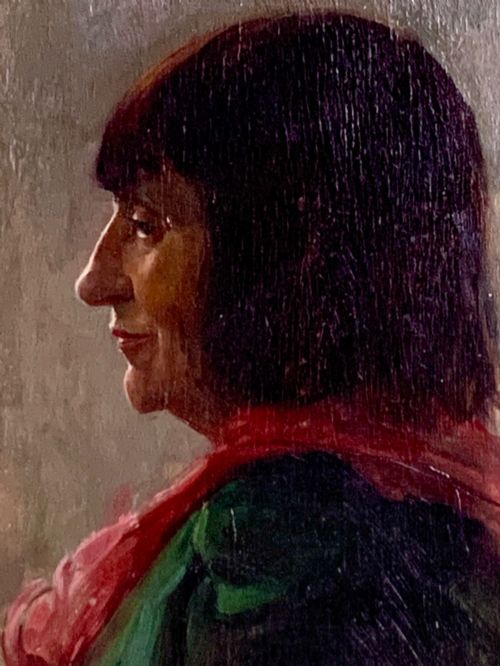
Artists also recorded figures, quiet interiors, and marine subjects with the same loose application of oil paint.
How do I date an antique oil painting?
Dates are gathered from artist signatures, exhibition labels, recorded biographical spans, and the physical composition of the canvas or wood panel.
Stretched canvases and framing styles also offer clues to the specific decade of production.
Where were these artists working?
Painters travelled across British regions from Yorkshire and Derbyshire to the coasts of Dorset and Devon to record local scenery.
Many captured rural farm life, village mills, and open moorlands directly from nature.
How should I care for an oil painting?
Keep the artwork away from direct sunlight and dramatic shifts in temperature and humidity to protect the wood panel or canvas.
Dust the surface gently with a soft, dry brush and avoid using liquids or chemical cleaners on the paint layer.