
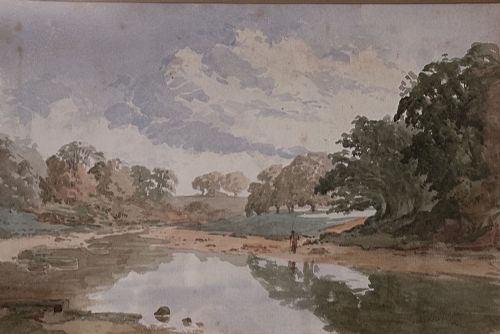
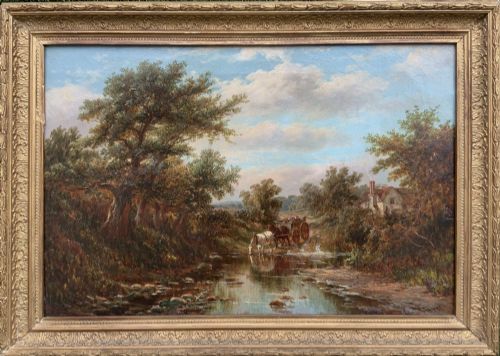
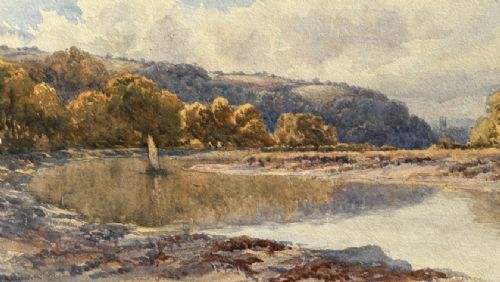


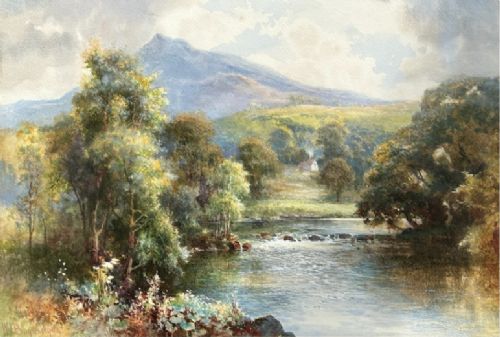
Traditional British River Landscape
Traditional British river landscape works capture quiet rural waters and valleys through detailed oil and watercolour paintings.
Traditional British River Landscape
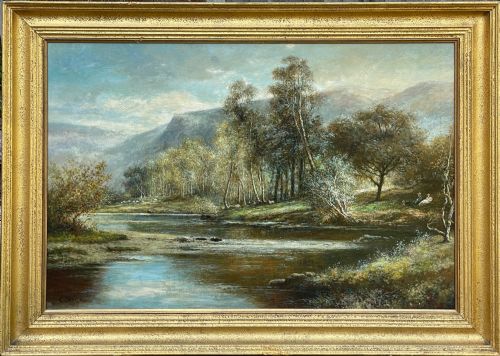
A traditional british river landscape depicts natural waterways, rural banks, and quiet valleys across Britain, rendered in oil or watercolour. The pieces capture recognizable bodies of water including the Thames, Severn, and local streams.
Most examples found here date from the nineteenth century through the Edwardian period, often reflecting Victorian pastoral and British Impressionist traditions. Common formats include oil on canvas, oil on board, and detailed watercolours on paper.
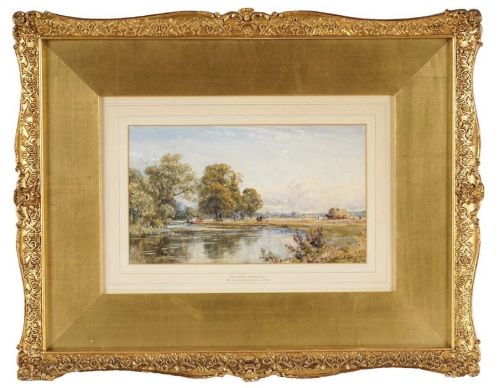
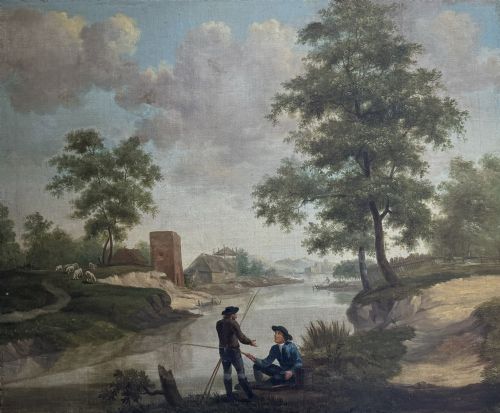
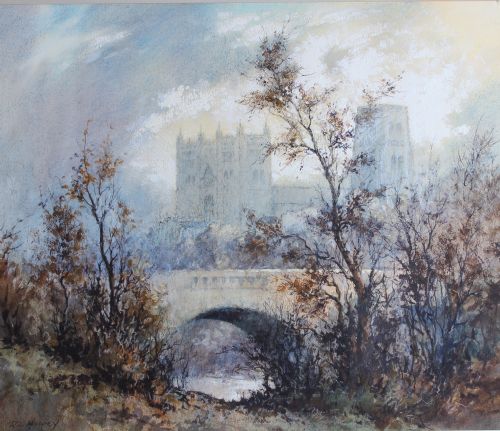
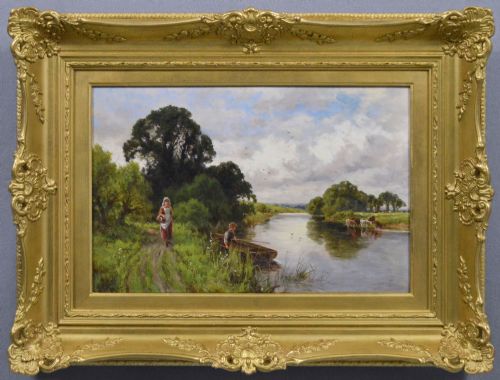
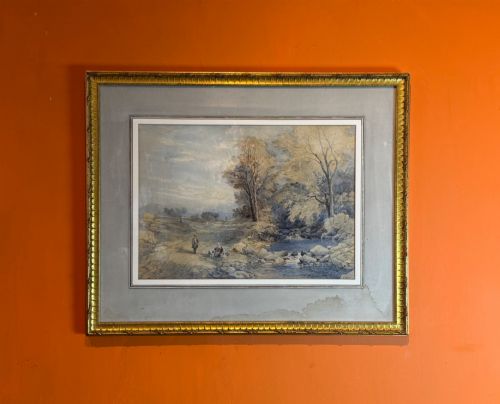
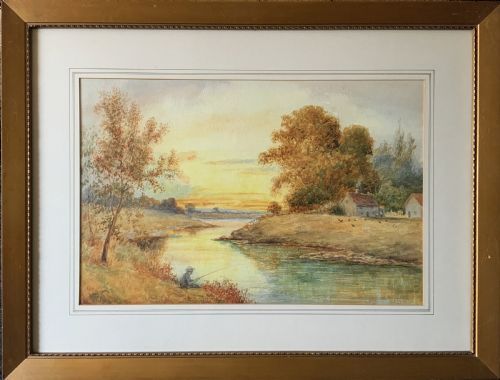
Subjects range from figures fishing under willow trees to mills, locks, and cathedral towns. These works document the rural topography of Britain through the eyes of regional painters and established school artists.
Materials and Techniques
Artists painted primarily with oil on canvas or oil on board, building rich textures with gesso foundations and traditional pigments. Watercolours were executed on paper, sometimes utilising lead-backed mounting or laid boards for stability.
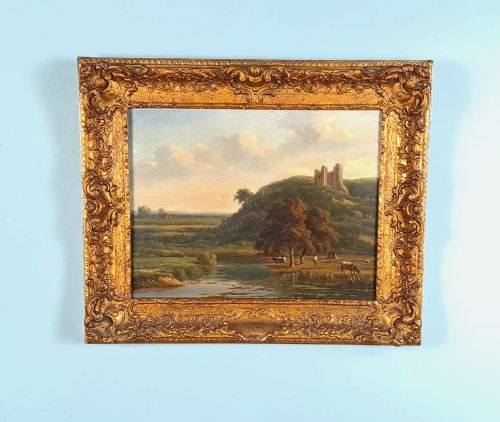
Many frames employ giltwood to complement the oil paintings, while watercolours are housed under glass to protect the delicate paper surfaces. Wooden panels and canvas laid onto board provide rigid supports for outdoor and studio compositions alike.
Materials recorded across the works include giltwood frames, gesso grounds, glass protection, and canvas laid onto wooden boards.
Judging Quality in British River Art
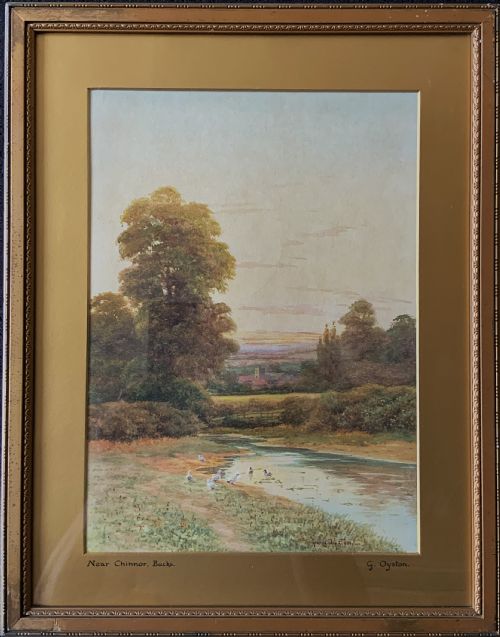
Quality rests on the precision of the brushwork and the artist's ability to render light reflecting on water and natural foliage. Finer works display confident handling of atmospheric perspective and subtle tonal shifts in the sky and river surface.
Provenance and attribution elevate certain pieces, particularly those signed by recognised members of regional British schools or exhibited artists. The integration of figures into the landscape, such as anglers or boaters, demonstrates the painter's command of proportion and scale.
George Graham·Alfred Young Nutt·William Joseph Boyes·George Oyston·Henry H Parker·Thomas Baker·Henry John Kinnaird·Benjamin Williams Leader
The Traditional British River Landscape Glossary
- Oil on Canvas
- Pigment mixed with drying oil applied to stretched woven fabric. This medium allows for deep colour saturation and reworked textures.
- Giltwood
- Wood carved and coated with gold leaf or metallic powder. It provides a reflective, ornate border for traditional paintings.
- Gesso
- A paint mixture consisting of a binder mixed with chalk, gypsum, or pigment. It prepares wooden panels and canvases to receive oil paint.
- British Impressionism
- A late nineteenth and early twentieth-century painting movement focusing on light and everyday subjects. Artists captured transient outdoor effects rather than rigid academic detail.
- Watercolour Painting
- Pigments suspended in a water-based solution applied to paper. This medium creates translucent washes and delicate atmospheric effects.
Traditional British River Landscape: Frequently Asked Questions
What subjects appear in traditional British river paintings?
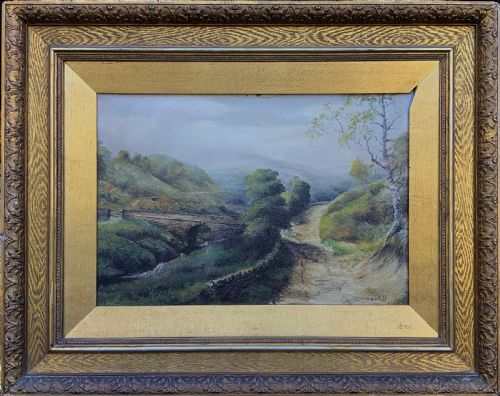
These works depict rural rivers, locks, mills, and bridges across regions from the Thames Valley to Welsh mountains. Scenes frequently incorporate figures fishing, boating, or walking along tree-lined banks.
Artists focused on specific local geography, capturing recognizable waterways, cathedrals, and pastoral valleys under changing daylight and weather conditions.
How do I care for antique watercolours on paper?
Antique watercolours require protection from direct sunlight to prevent the paper from yellowing and the pigments from fading. Framing should include acid-free mounts and glass to shield the fragile paper surface.
Keep the works in rooms with stable humidity levels to avoid warping the paper or damaging the underlying support boards.
What is the difference between oil on canvas and oil on board?
Oil on canvas involves stretching woven fabric over a wooden frame, offering a flexible surface with visible textile texture. Oil on board uses a rigid wooden or composition panel as the foundation for the paint.
Both materials were widely used, though board supports were often chosen for smaller plein air sketches or works painted directly outdoors.
How can I identify the period of a landscape painting?
Dating relies on stylistic clues, clothing styles of any figures depicted, and framing methods typical of the nineteenth or early twentieth century. Signatures, exhibition labels, and written annotations on the reverse often provide documentary evidence.
Comparing the technique to known works by regional British school painters helps narrow the decade of creation.