


Post Impressionist River Painting
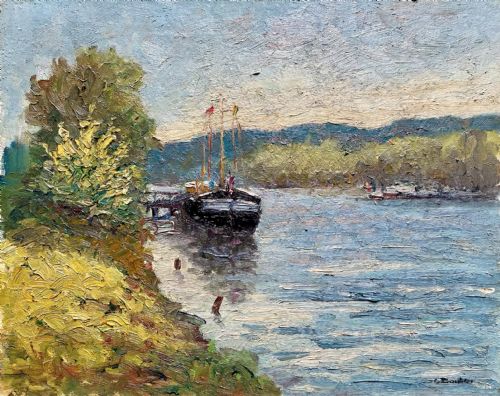
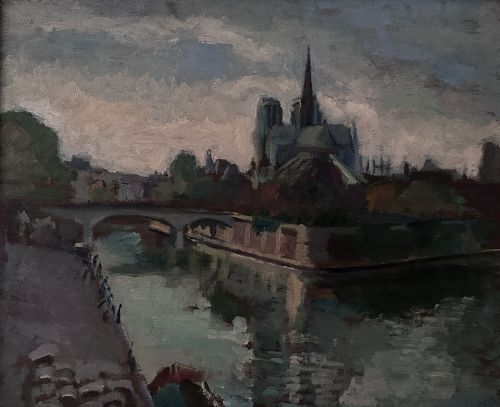
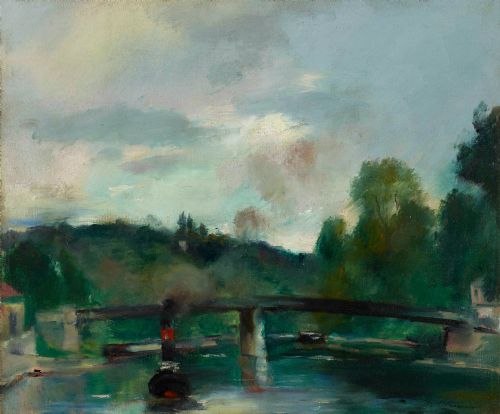
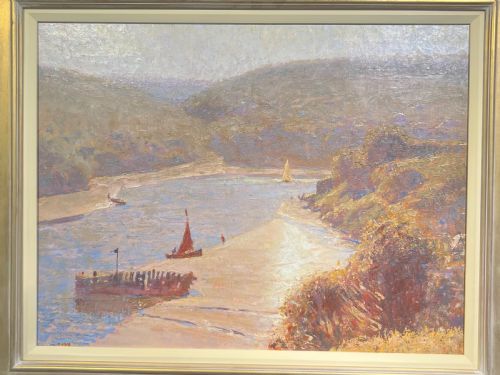
These post impressionist river painting works capture light and water through loose brushwork, offering buyers a vivid window into past waterways.
Post Impressionist River Painting
A post impressionist river painting captures waterways, canals, and bridges through expressive brushwork and attention to natural light. You will frequently encounter works originating from French and British schools, spanning periods from the nineteenth century through to the mid-twentieth century.
The subjects range from the Seine and the Danube to the Norfolk Broads and Oxford rivers. Canvases and boards depict barges, footbridges, and fishermen with varied atmospheric intensity.
The selection includes specific views of Paris and Normandy alongside quieter rural scenes. These pieces reflect the enduring appeal of water as a subject for modern painters.
Evaluating Quality
Quality rests in the confidence of the brushwork and the management of light across the water's surface. Stronger examples demonstrate a distinct command of colour and composition rather than mere replication of scenery.
The integration of the support, whether canvas or board, with the painted application dictates the visual harmony of the piece. Superior works maintain atmospheric coherence across the entire composition.
Several canvases manage to make a damp British marsh look surprisingly inviting through clever use of yellow ochre.
Henri Ottmann·Armand Guillaumin·Edward Seago·Adolphe Gumery·Henri Therme
The Post Impressionist River Painting Glossary
- Oil on canvas
- Pigment mixed with drying oil applied to a woven fabric stretched across a wooden frame. This surface allows for considerable textural variation.
- Gilt wood
- Wood carved and covered with a thin layer of gold leaf or gold-coloured metal. It provides a reflective border often seen on period frames.
- Impasto
- Paint applied thickly to a surface, standing out in relief from the plane. This technique adds tactile dimension to water and sky.
- Oil on board
- Pigment applied to a rigid wooden or composition panel. It offers a firm surface favoured for smaller plein air studies.
Post Impressionist River Painting: Frequently Asked Questions
How do I care for an oil painting on canvas?
Keep the canvas away from direct sunlight and dramatic temperature fluctuations to prevent the paint from cracking over time.
Dust the surface gently with a soft, dry brush and avoid using any liquid cleaners on the paint.
What subjects appear in these river paintings?
The works depict European waterways including French canals, the Thames, and the Norfolk Broads. Bridges, barges, and figures such as fishermen frequently populate the scenes.
Views range from urban cityscapes like Paris to quiet rural marshes and lakes.
How do I identify the period of a painting?
Examine the materials of the stretcher, frame, and canvas support for signs of age. Stylistic markers often align with the dominant artistic movements of the recorded decades.
Signatures, inscriptions on the reverse, and artist biographical dates provide the most reliable chronological anchors.
Are these paintings framed?
Many pieces retain their period frames, frequently constructed from gilt wood. These surrounds complement the aesthetic of the era in which the artwork was created.
Some listings offer the canvas or board independently, allowing collectors to choose alternative framing options.