


Vintage Nature Oil Painting
A vintage nature oil painting captures rivers, woodlands and wildlife through layered pigments on canvas or board.
Vintage Nature Oil Painting
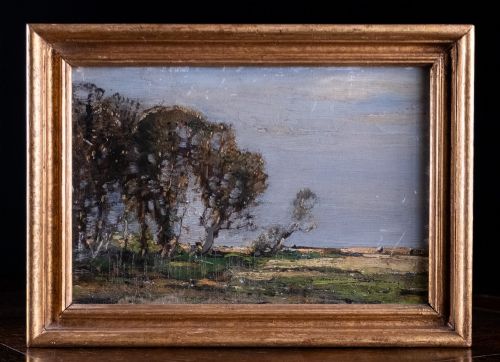
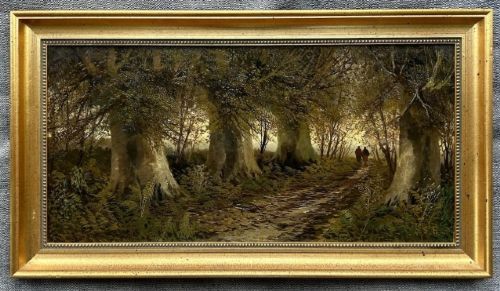
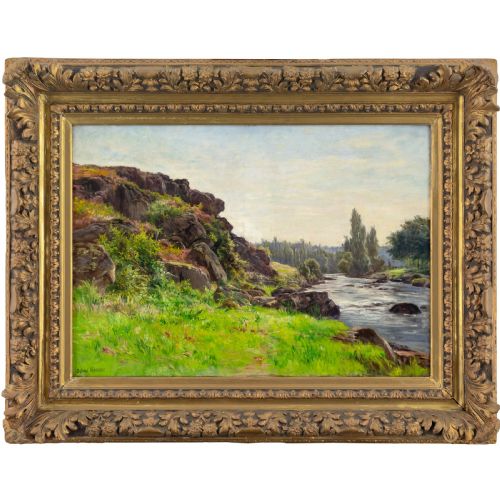
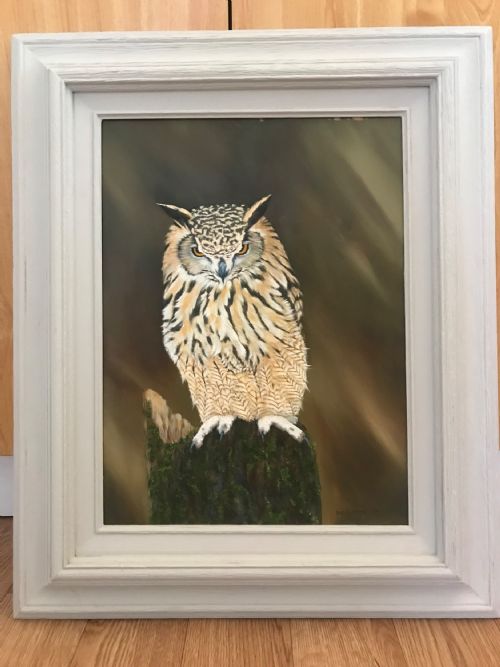
When you search for a vintage nature oil painting, you encounter works depicting landscapes, rivers, woodlands and animals across various periods. The pieces on this page span from the nineteenth century through the mid-twentieth century, capturing natural scenes in oil.
The subjects range from Scottish highland landscapes and river views to woodland scenes and specific studies of birds or figures in nature. Many reflect Impressionist, Post-Impressionist or Realist approaches to the natural world.
You meet both framed canvases and panel paintings created by named artists and regional painters. These artworks document rural scenery, trees in landscapes and lakes through historical brushwork.
Materials and Techniques
The works rely primarily on oil paint applied to canvas, board or panel supports. Artists utilised brushwork to build texture and depth within landscape and wildlife subjects.
Many paintings feature period frames constructed from wood with gesso and gold leaf or gilt ornamentation. These surrounds complement the application of oil pigments on the primary support.
Artistic styles span British Impressionism, French Impressionism, Realism, Post-Impressionism and Mid-Century Modernism.
Distinguishing Quality
Quality depends upon the skill of the brushwork and the clarity of composition within the landscape or nature subject. Handling of light, atmosphere and pigment application distinguishes accomplished works from simpler decorative pieces.
The integration of the painting with its period frame also influences the overall character of the piece. Well-preserved surfaces on canvas and board retain the intended visual impact of the artist.
Kershaw Schofield·Thomas W Lascelles·Gabriel Mathieu·Margaret Maitland Howard·William Mellor·Owen Bowen·Ernest Moore·Adolphe Gumery·Fred Merriman·Kenneth Washburn
The Vintage Nature Oil Painting Glossary
- Canvas
- A heavy woven fabric stretched across a wooden frame to serve as a painting support. It provides the tensile strength required for traditional oil painting.
- Oil Paint
- Pigment particles suspended in a drying oil, usually linseed, that hardens into a durable film. This medium allows for rich blending and textured impasto application.
- Gesso
- A plaster-like mixture applied to wooden panels or frames to prepare a smooth surface for gilding or painting. It creates a stable base for decorative finishes.
- Impressionism
- A nineteenth-century painting style focused on capturing light and atmospheric effects through visible brushstrokes. Artists working in this manner prioritized natural outdoor scenes.
Vintage Nature Oil Painting: Frequently Asked Questions
How do I date a nature oil painting?
Dating relies on stylistic clues, stretcher construction and artist signatures recorded in the title or on the reverse. Canvas types and framing methods also provide chronological markers.
Comparative study of known periods like the nineteenth century or the 1920s helps narrow the creation window further.
Where were these landscape paintings produced?
The works originate from British, French and American contexts, depicting local scenery such as the river Wharfe or the Dauphiné region. Regional schools and individual locales shape the geography of the subjects.
Artists often painted directly from nature within specific countryside settings.
What subjects appear in these vintage works?
Common subjects include woodland scenes, rivers, lakes, trees in landscapes and wildlife such as owls and rodents. Mythological figures and human figures in rural settings also appear.
These motifs reflect broader artistic engagement with ecology, natural surroundings and topography.
How should I display an oil painting at home?
Hang the artwork away from direct sunlight and excessive moisture to protect the oil pigments and wooden support. Maintaining stable environmental conditions preserves the canvas and frame.
Ensure the piece is secured safely using appropriate wall fixings suited to the weight of the frame.