




English Garden Oil Painting
These english garden oil painting works capture pastoral scenes and verdant landscapes, offering a direct window into historic horticulture.
English Garden Oil Painting
An english garden oil painting portrays outdoor domestic spaces, country cottages, and manicured lawns through pigmented oils on a rigid or flexible support. These works range from intimate studies of herbaceous borders to grand depictions of country house grounds.
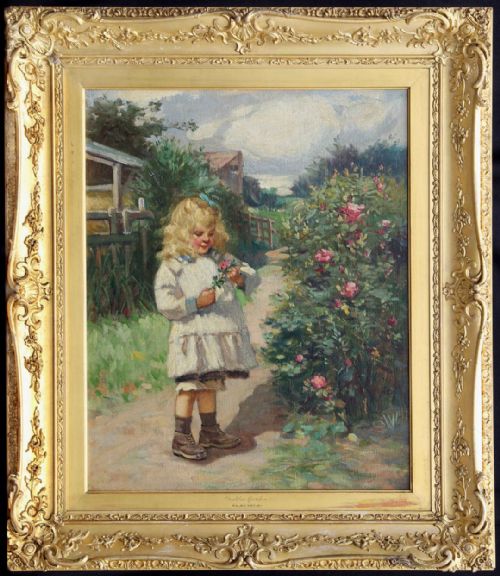
The pieces on this page span several centuries, with particular strength in nineteenth-century and early twentieth-century examples. A buyer is most likely to encounter Victorian and Edwardian works capturing specific regional gardens, cottages, and rural landscapes.
Subjects frequently combine architecture with botany, showing terraced houses, walled gardens, or figures engaged in gardening tasks. Each canvas preserves a particular moment in horticultural history through the lens of contemporary artistic movements.
Markers of Quality
Quality rests upon the artist's handling of light, atmosphere, and botanical detail rather than the mere presence of flowers. Superior works demonstrate a confident command of colour to render foliage and shadow convincingly.
Provenance and attribution elevate certain canvases, particularly where named artists or specific locations are documented. The relationship between the painted subject and its original frame also influences the integrity of the piece.
John Riley·John Closterman·Ernest Higgins Rigg·William Hatherell·Herbert Royle·John Emms·Walter Dendy Sadler·Edgar Bundy·William Greaves·Ralph Hedley·Fred Merriman·John F. Pasmore·Homer Wayland Colby·Amy Antill·Alan Longmuir·K M Attlee·Daniel Sherrin
The English Garden Oil Painting Glossary
- British Impressionism
- A painting style influenced by the French movement, focusing on light, loose brushwork, and everyday outdoor subjects. It appears frequently in early twentieth-century depictions of domestic gardens.
- Oil paint
- A slow-drying medium composed of pigments suspended in a drying oil, usually linseed. This material allows for rich colour blending and textured impasto application.
- Canvas
- A heavy woven fabric used as a surface for oil painting, stretched across a wooden frame. It remains the most common support found in these listings.
- Gilded wood
- Wood treated with gold leaf or metallic powder, commonly used to finish decorative picture frames. Ornate examples often accompany nineteenth-century fine art.
- Victorian Genre Painting
- Art depicting scenes from everyday life, often narrative in character. These works frequently incorporate figures interacting within domestic or garden settings.
English Garden Oil Painting: Frequently Asked Questions
What periods do these paintings cover?
The available selection spans from the seventeenth century through to the mid-twentieth century. Victorian and Edwardian periods are particularly well represented.
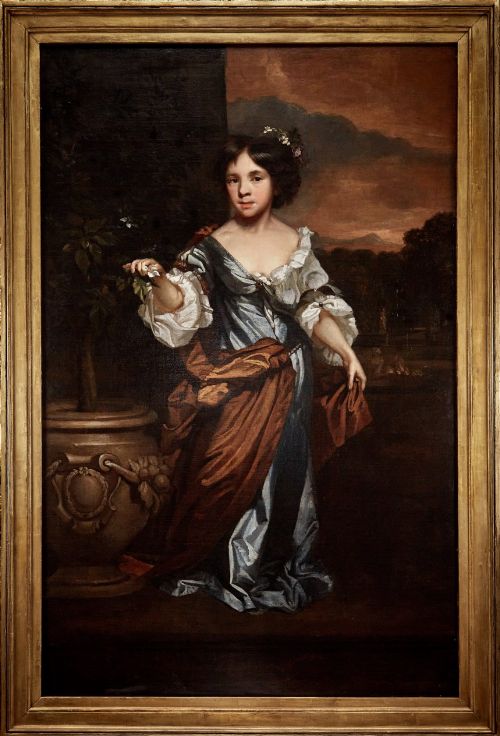
Earlier works, such as seventeenth-century portraits, sit alongside impressionist landscapes from the early nineteen-hundreds.
What surfaces were used?
Artists painted primarily on stretched canvas, though wood panels and stiff card also appear in the historical record. Canvas attached to board is another format utilised for outdoor studies.
Frames are commonly constructed from wood, often with gilded wooden ornamentation.
How do I identify a Victorian garden painting?
Victorian examples often combine detailed botanical elements with narrative genre scenes involving people or animals. Artists from this era focused on precise representation of country houses and walled gardens.
Stylistic markers include traditional academic techniques or early British impressionist tendencies.
Where were these scenes painted?
Locations range across various English counties and rural landscapes, including Yorkshire and Surrey. Specific gardens, cottages, and country houses provide the primary settings.
Many pieces document named regional properties and local farmhouses.