




Maritime Collectables
These maritime collectables span scientific instruments, folk art dioramas, and scale models from the eighteenth century to the mid-twentieth century.
Maritime Collectables
When you search for maritime collectables, you encounter a varied group of objects connected to seafaring, navigation, and naval history. The selection includes navigational tools, model boats, and decorative items spanning the Georgian, Victorian, and Edwardian periods.
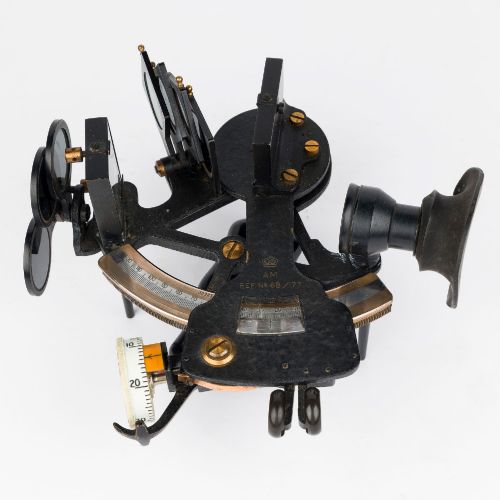
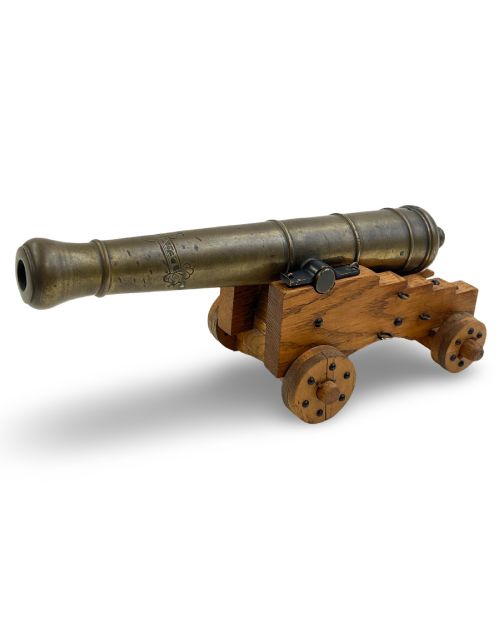
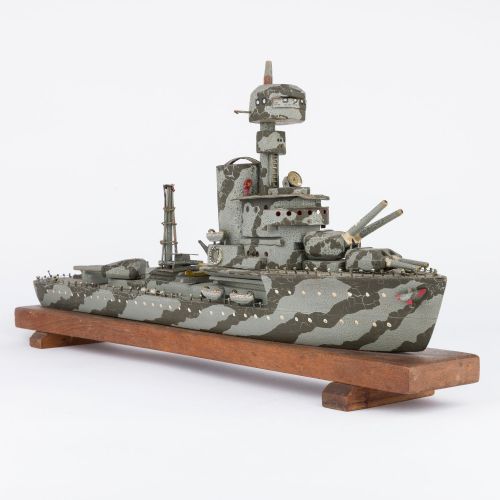
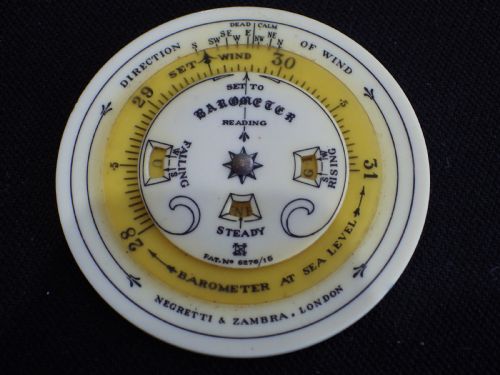
You are most likely to meet ship models enclosed in bottles, scientific instruments such as barometers and sextants, and brass signal cannons. These pieces reflect both utilitarian naval equipment and folk art interpretations of maritime life.
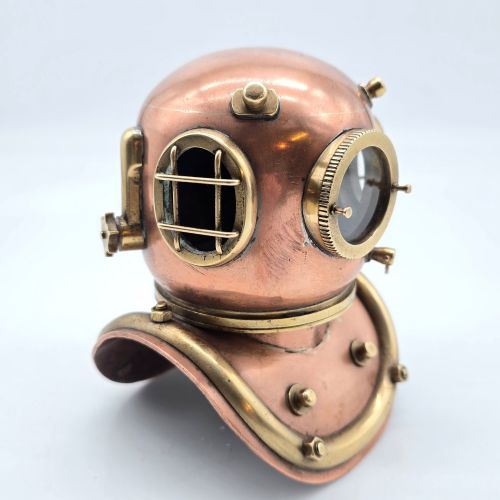
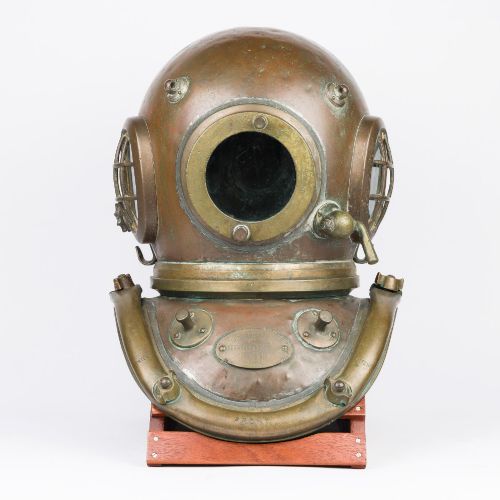
The objects range from small personal items like pocket watches and sailors fids to larger items including ship wheels and divers helmets. Their origins encompass domestic workshops as well as official Admiralty suppliers.
How they were made
The materials recorded in these listings rely heavily on traditional substances such as wood, brass, glass, copper, and bronze, often combined with paint, putty, and thread. Metal components undergo casting or machining, while wooden forms involve detailed carving, scratch building, and turnery.
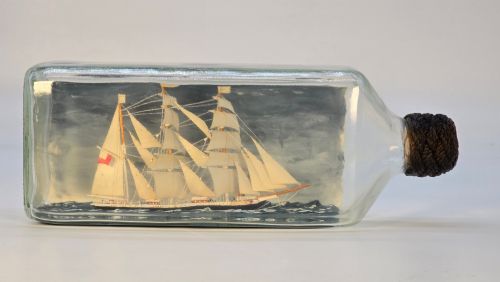
Folk art items demonstrate resourcefulness, utilising coconut shell, whalebone, and glass bottles to house intricate miniature ship dioramas. Scientific and navigational apparatuses employ precision metalworking alongside fitted wooden cases and glass lenses.
A coconut shell drinking vessel from the early nineteenth century offers a remarkably eccentric glimpse into maritime refreshment.
What varies in quality
Quality in these pieces rests on the precision of execution and the preservation of original materials. Scientific instruments and scale models demonstrate superior standard when components retain their working order, original markings, and unpolished surfaces.
Folk art and scratch-built items show distinction through the complexity of construction and the fidelity of miniature detail within constrained spaces like glass bottles. Pieces retaining maker inscriptions or specific provenance hold greater documentary interest.
Hughes and Son·Siebe Gorman·Negretti and Zambra·Elkington and Co
The Maritime Collectables Glossary
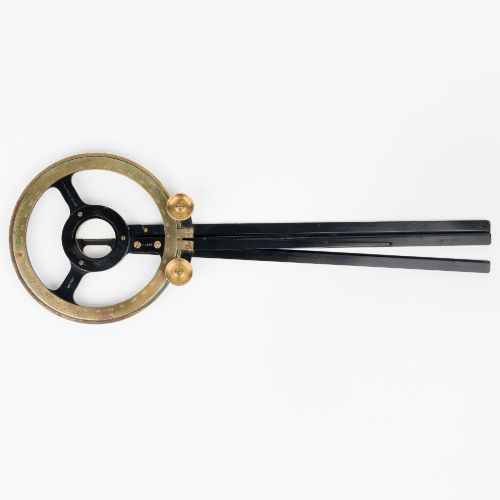
- Station pointer
- A navigational instrument used for fixing a ship position on a chart by measuring angles between visible landmarks.
- Sailors fid
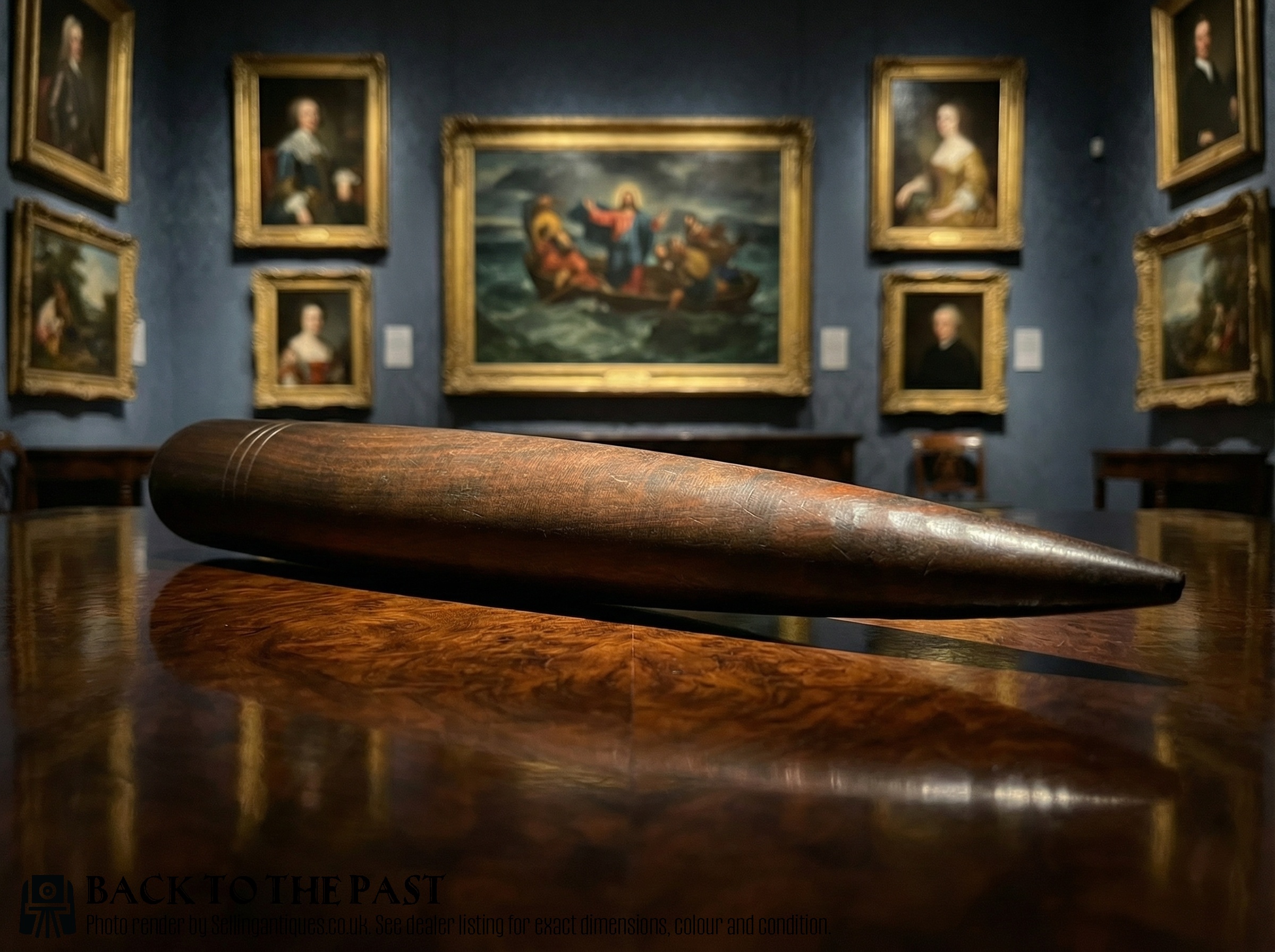
- A tapered tool carved from wood or whalebone, utilised by sailors for splicing rope and cordage during rigging work.
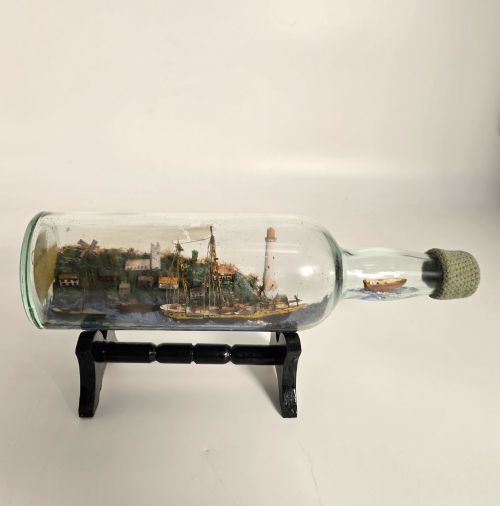
- Ship diorama
- A three-dimensional representation of a vessel, frequently constructed inside a glass bottle using wood, paint, and thread.
- Signal cannon
- A small piece of ordnance, often cast in bronze or brass, employed for firing ceremonial salutes or safety warnings.
- Tufnell box
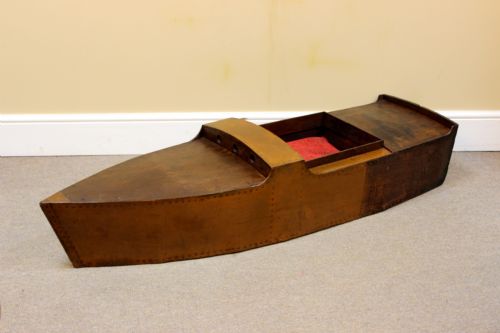
- A specialised container or practice set utilised by the Royal Navy for signalling or tactical instruction exercises.
Maritime Collectables: Frequently Asked Questions
How do I identify a Victorian navigational instrument?
Victorian navigational instruments are typically housed in fitted wooden boxes and constructed from polished brass and glass.
They often bear maker engravings, Admiralty markings, or patent details that indicate their period and official use.
What was a sailors fid used for?
A sailors fid is a conical tool carved from dense materials like wood or whalebone used in maritime work.
Sailors utilised it to open strands of heavy rope and cordage during rigging and splicing operations aboard ship.
Are brass signal cannons functional?
Signal cannons were produced in various sizes, ranging from decorative miniatures to working pieces cast in bronze or brass.
Historical examples were designed to fire blank charges for signaling, saluting, or practice purposes.
How are scratch-built model ships dated?
Scratch-built model ships are dated by analysing the construction techniques, materials, and the specific vessel type represented.
Details such as hull form, rigging style, and accompanying provenance help establish whether a model originates from the nineteenth or early twentieth century.