


A 2026 Guide by Sellingantiques
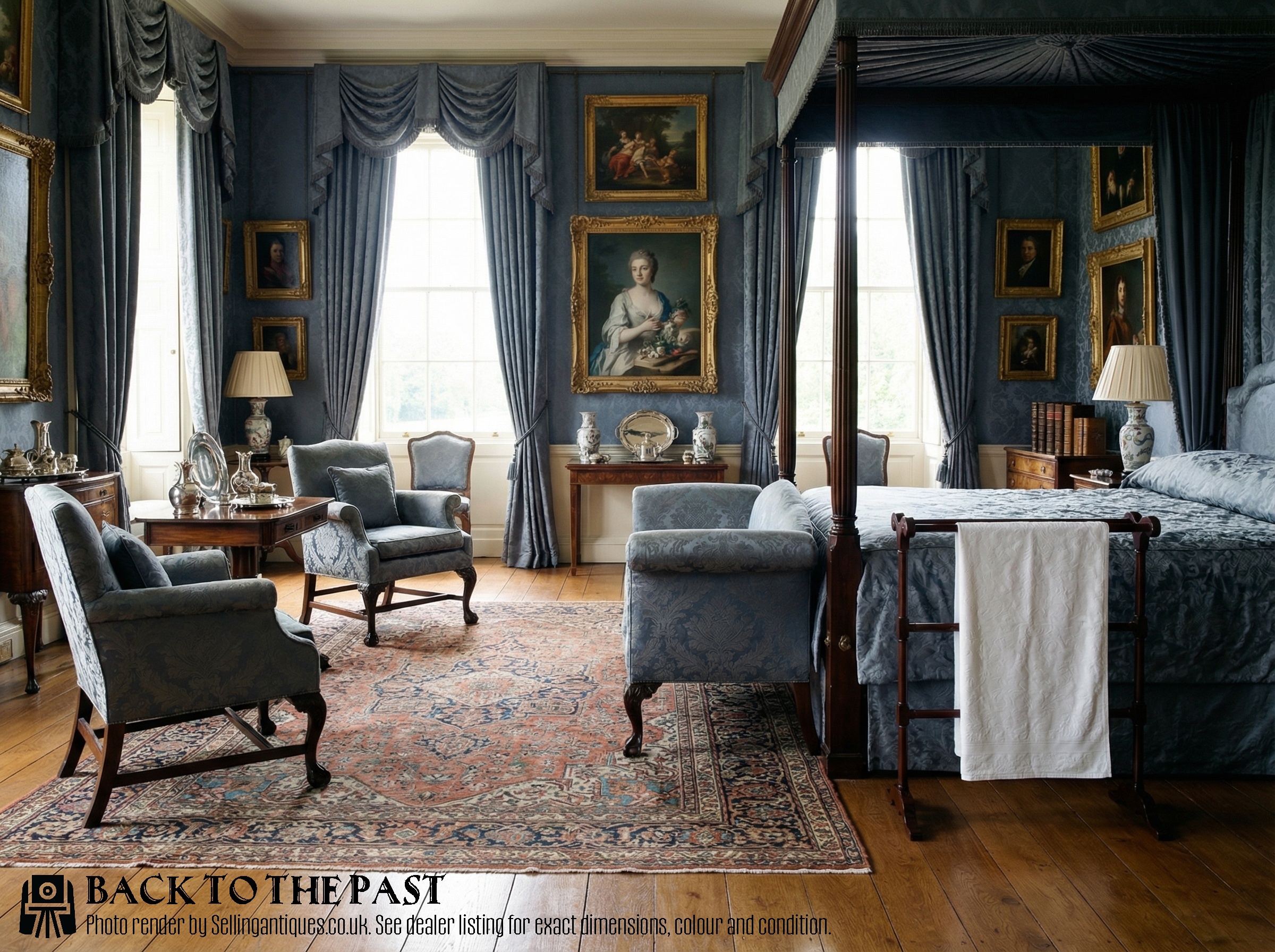
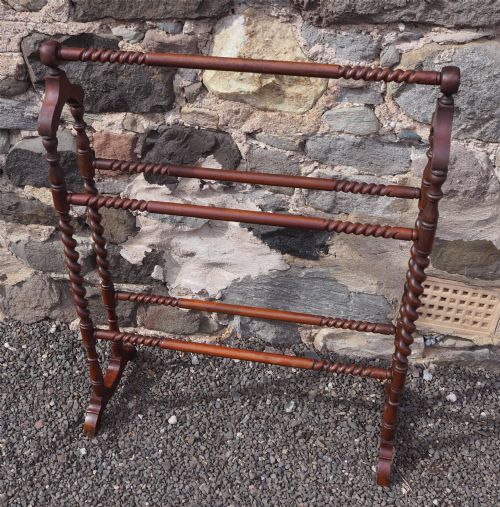
Large Victorian Period Mahogany Towel Rail, 1880
Priced at £295 from James R Millington Antiques
Early homes kept linens on simple wooden pegs or draped them over chests.
Dedicated frames arrived in the late Georgian period as personal washstands moved into private bedchambers.
Victorians embraced the antique towel rail for daily domestic hygiene routines.
Look for the transition from heavy Regency mahogany to lighter Edwardian bamboo forms.
Documented mahogany examples by Gillows of Lancaster survive from the early nineteenth century.
Most bedroom rails were turned out by anonymous regional joiners rather than named cabinetmakers.
Firms like Maple & Co supplied thousands of standard ash and oak models for late Victorian homes.
The 2026 retail price guide for Antique Towel Rails is drawn from a proprietary archive of over 1.1 million retail prices indexed by Sellingantiques since 2003. This guide relies exclusively on their own internal data; no external sources or auction records are used.
Analysing nearly 25 years of UK antique market history alongside current retail values, the data indicates that typical UK retail prices for Antique Towel Rails range between £200 and £600. Entry-level prices generally fall under £200 and premium examples upwards of £600.
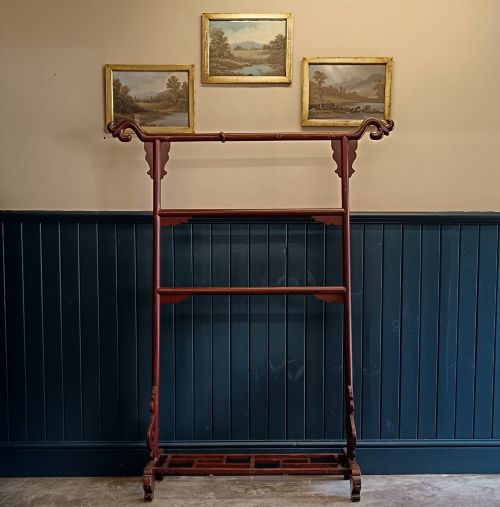
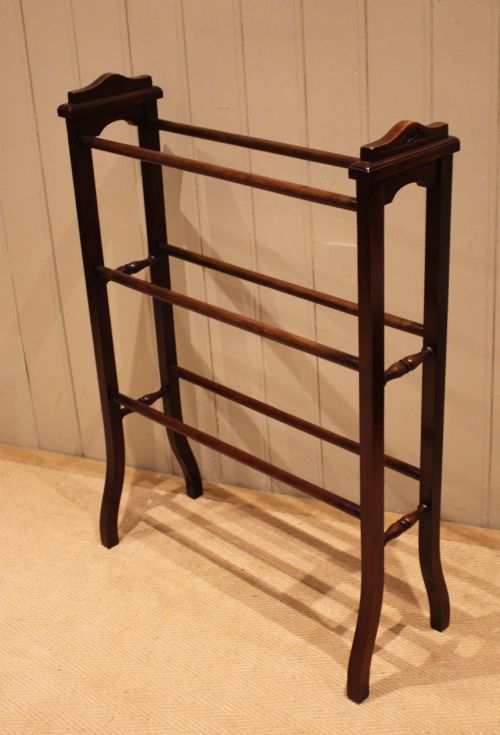
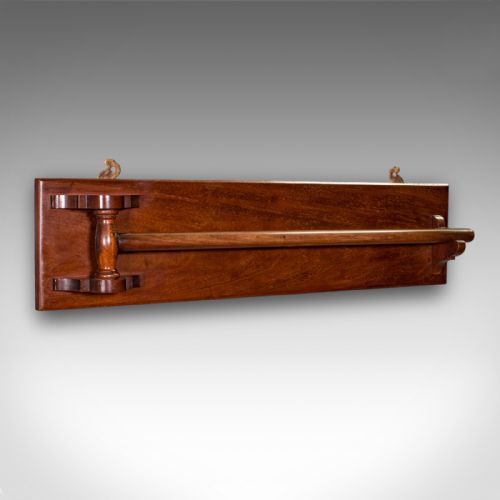
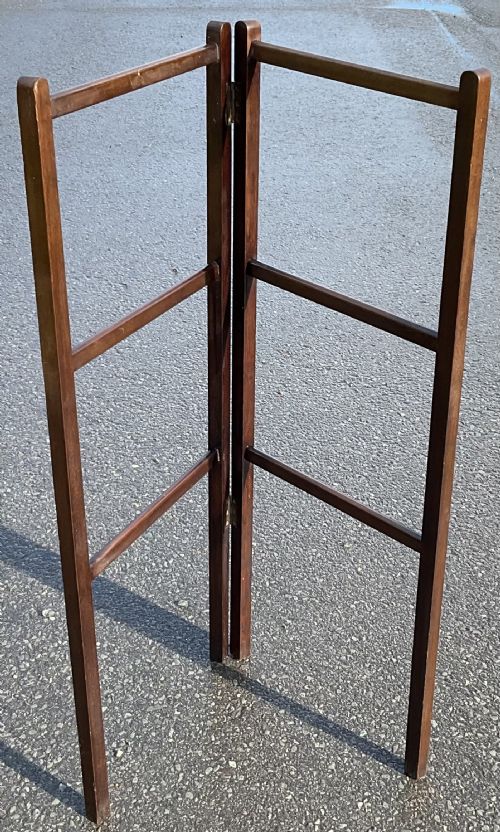
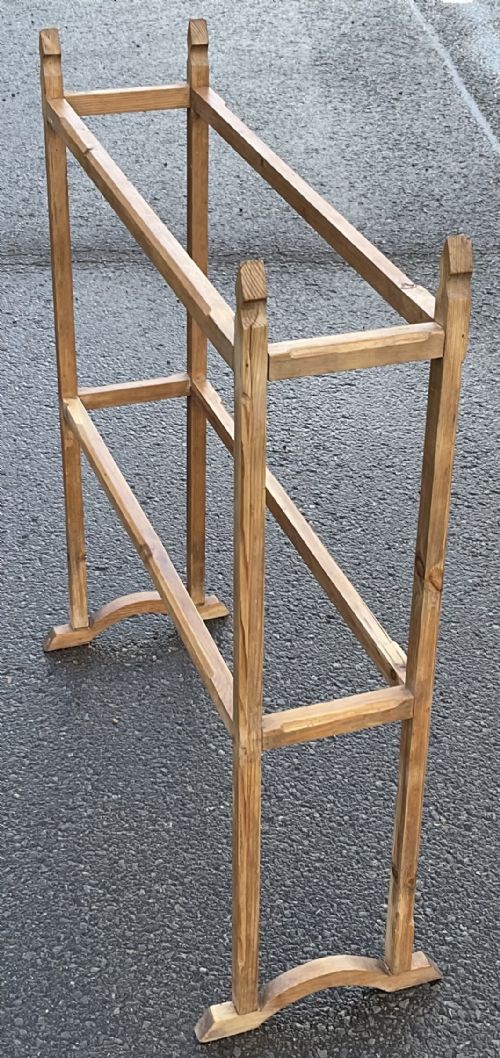
Multiple horizontal top bars run between two upright ends for hanging damp folded cloths.
Notice the splayed feet designed to stop the frame tipping over on uneven floorboards.
Some antique towel rails feature turned wooden finials resting right at the top corners.
Early antique towel rails rely on tight mortise and tenon connections secured with hot animal glue.
Mechanical lathes allowed Victorian turners to quickly shape identical spindles for the upright posts.
Edwardian makers sometimes ran hidden iron tie rods right through the wooden crossbars for extra strength.
"Try using these frames as display racks for heavy modern quilts at the foot of a bed."
"Slender folding variants were produced that pack flat for travelling military campaign officers."
"Sturdy airing frames often held heavy copper warming pans just before bedtime to dry out cold damp sheets."
Based on almost 25 years of Sellingantiques UK antique market data, Antique Towel Rails appeared 802 times (out of 1,100,000 antiques) which gives it a rarity score of 85/100.
This score measures scarcity within the Sellingantiques archive only and is not a survey of the entire antiques market, so these statistics may not be indicative of the general availability of Antique Towel Rails elsewhere.
Wait for dry weather before tackling loose mortises. Old hide glue shrinks and expands with seasonal humidity.
Knock the frame apart gently with a soft mallet. Clean off the crusty old glue and reassemble it with fresh adhesive.
Those splayed feet are tricky to adjust without ruining the line of the leg. You want to avoid cutting the timber.
Stick a small felt pad under the shortest foot. It absorbs the wobble and protects your floorboards.
Coloured beeswax blends out minor blooming on the finish.
Rub it in sparingly with a soft cloth and leave it overnight before buffing.
Damp cloths sit directly on that top rail for hours. The moisture breaks down the original polish and slowly bleaches the timber underneath.
Legs escape this daily soaking. Most antique towel rails show this kind of colour variation.
Please note: This Antique Towel Rails guide and its associated pricing data are provided for general informational purposes only. It does not constitute formal financial, investment, or appraisal advice and should not be relied upon as the sole basis for any commercial activity, purchasing, or sales decisions. Sellingantiques.co.uk accepts no liability for any actions taken in reliance on this information. Always consult with a qualified professional or independent appraiser.
