
Antique Stones
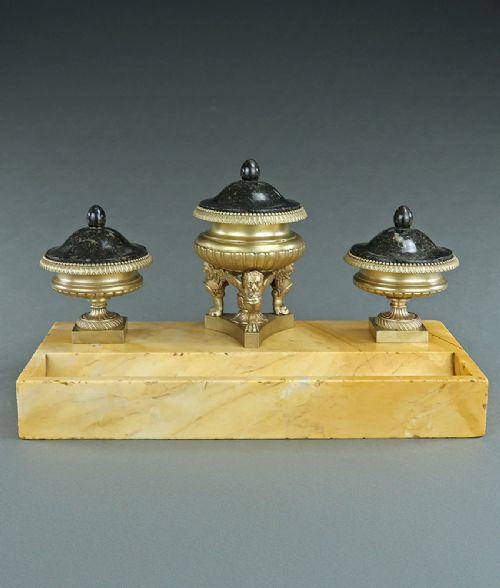
Worked stone rather than raw mineral: garden and architectural pieces cut for farms, buildings and gardens, alongside curling stones and a smaller run of carved marble and hardstone for the desk and mantel.
Antique Stones
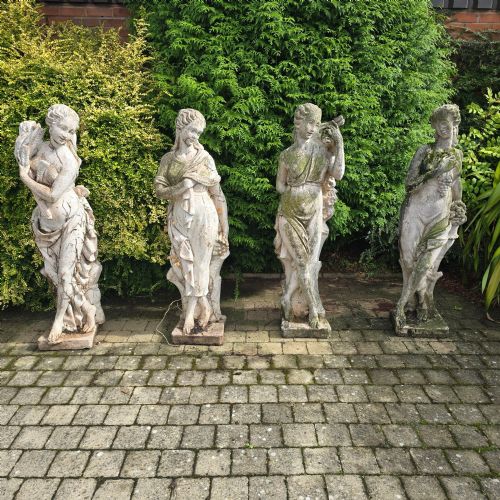
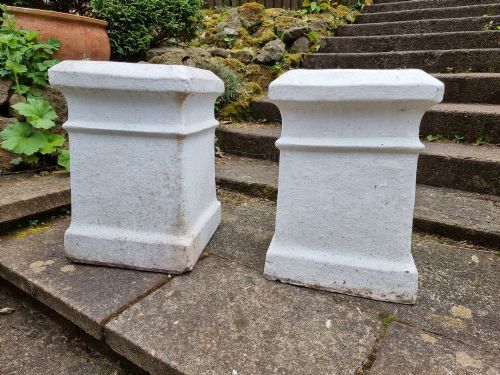
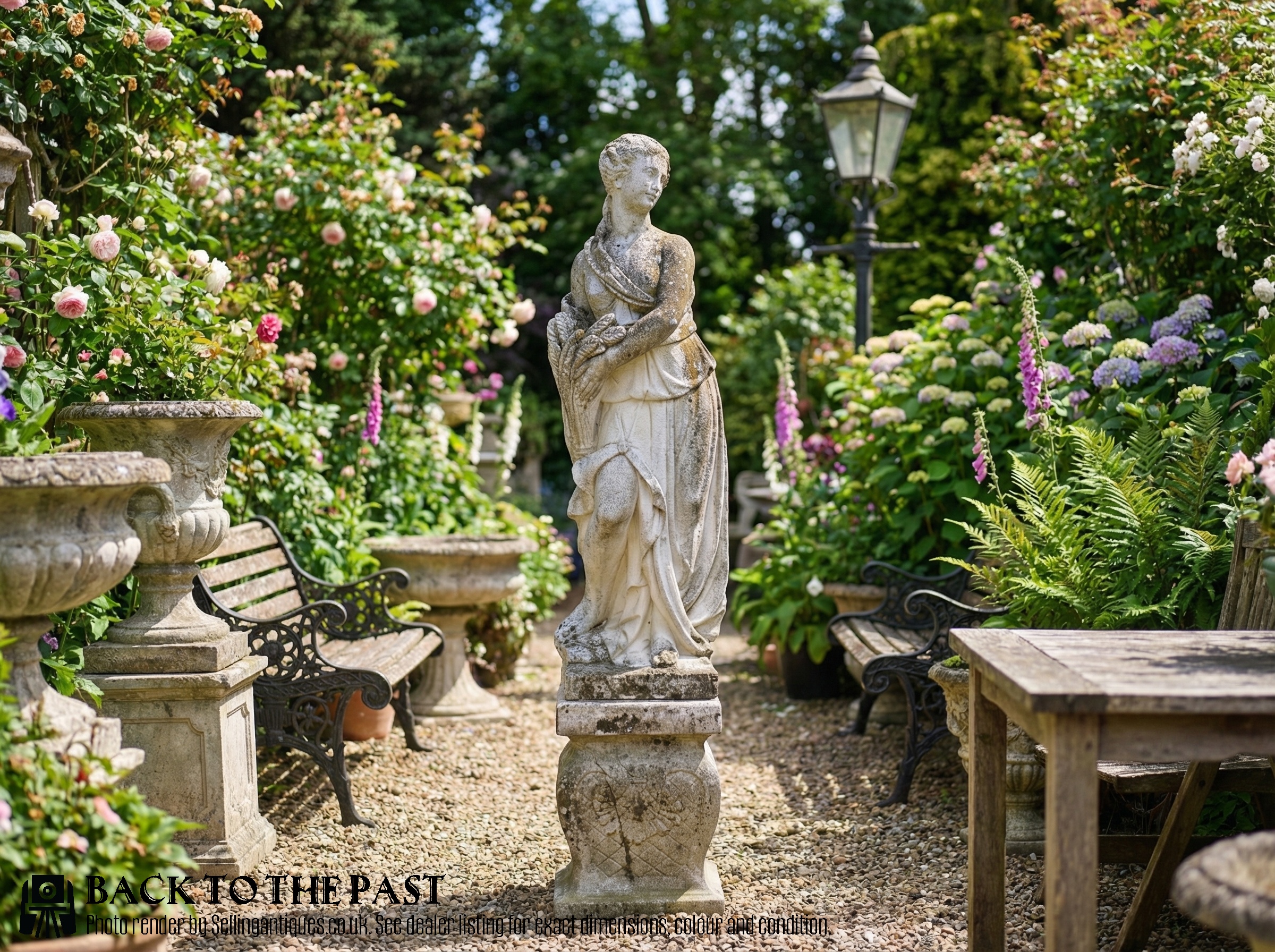
What dominates the heading is weathered garden and architectural stonework: troughs, bird baths, urns, planters, lions, columns, capitals, corbels, plinths and pedestals. Stone in this category is unusually often sold two at a time. The word "pair" turns up in 143 of 539 titles on Sellingantiques, with sets of three, four and even seven appearing too.
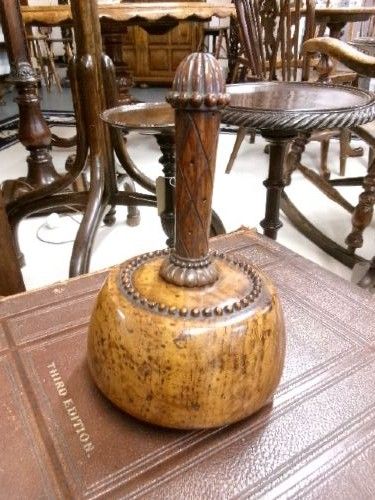
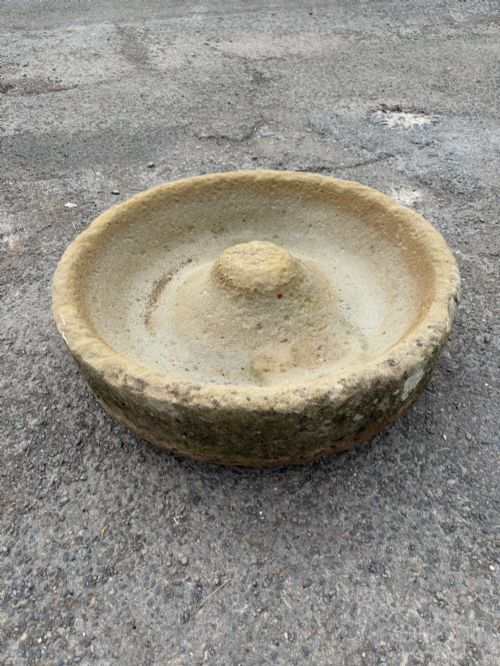
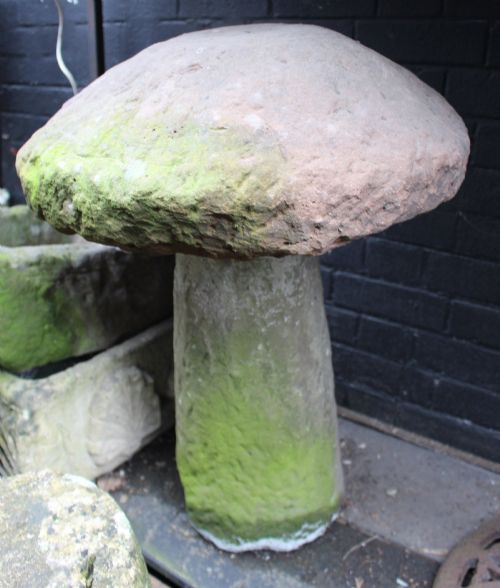
Staddle stones are the signature form, at 37 titles, and 22 of those are Cornish granite. They were cut to lift a rick or granary clear of the ground. The spelling wanders between staddle and saddle, so both are worth a search. Curling stones make up a second cluster of 35 titles, from full-size Scottish granite pairs with their carrying baskets down to desk-top pairs, loose handles and one fitted with a weather vane.
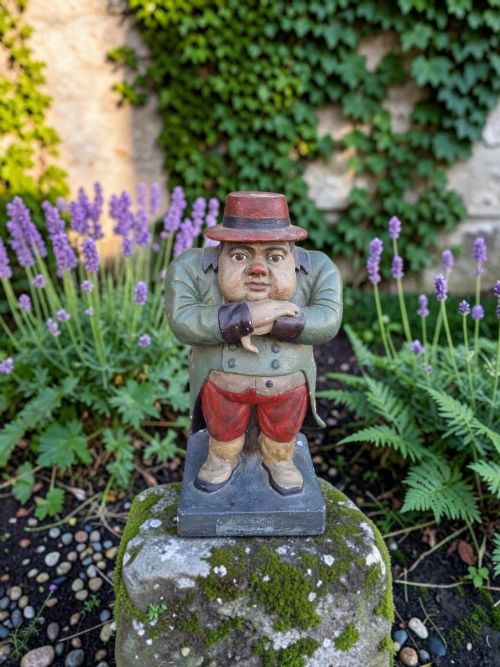
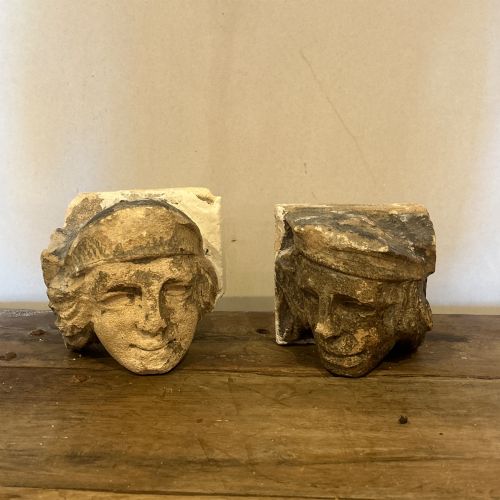
Dates run from 1700 to 1950 in the dealer-entered field, and the 19th century dominates, usually recorded loosely as "19th Century" rather than a precise year. The next block is early 20th century, and a good deal of that is cast, reconstituted and composite stone: moulded garden figures, urns, benches and lions of the 1900s to 1950s rather than antique carved work. A scatter of samples is simply labelled before 1700, reaching back to medieval heads, gargoyles and fonts.
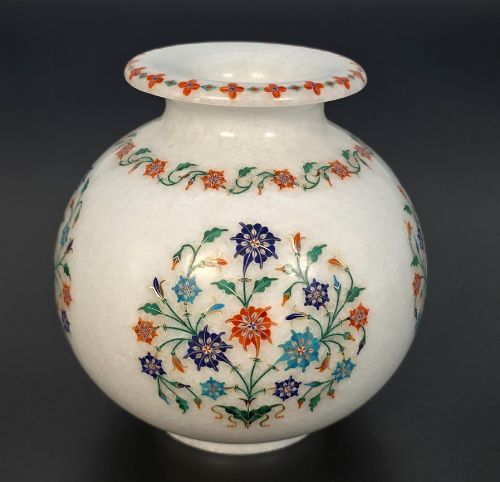
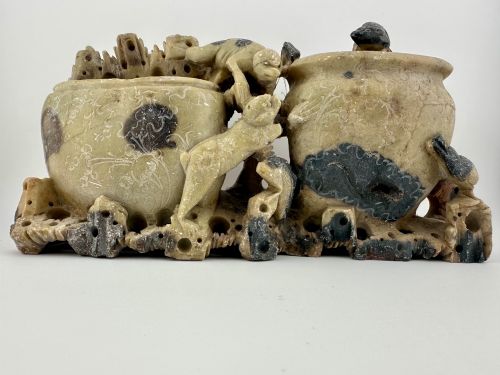
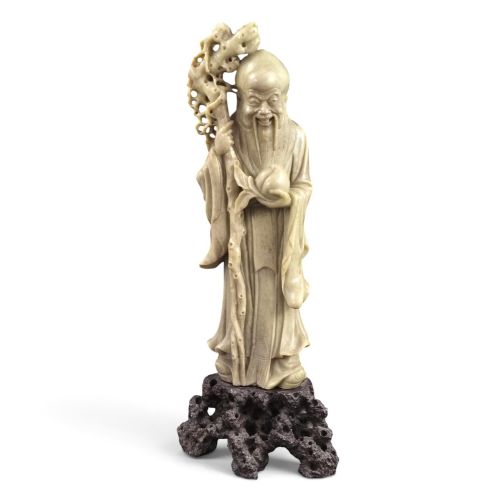
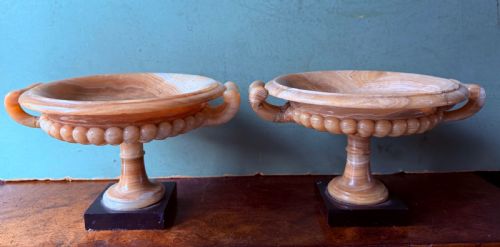
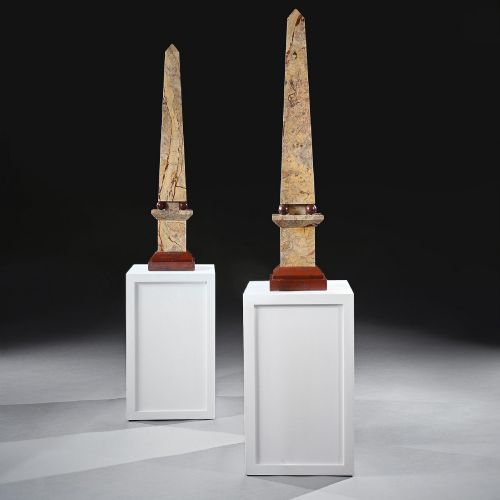
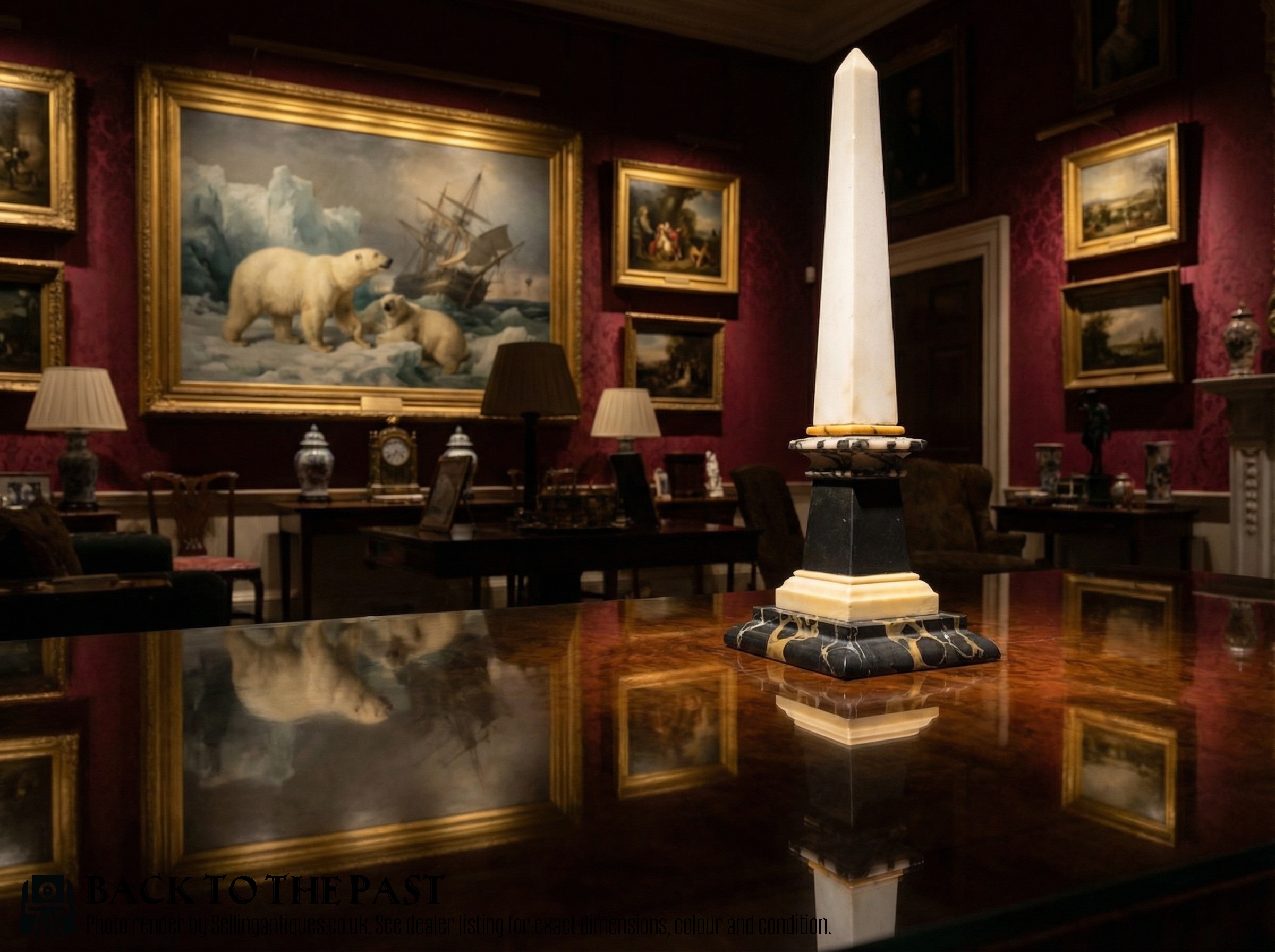
The category is not only British. Chinese titles number 37 and cover hardstone and soapstone seals, snuff bottles, brush pots and jade carvings. Italian titles number 22, and Grand Tour souvenir marbles sit here too: pietra dura and specimen marble paperweights, obelisks and tazze brought home from continental travel.
Where Value Sits
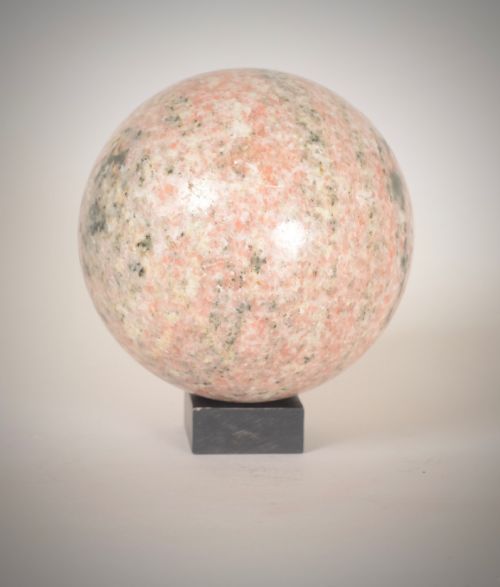
Named stone sits above unnamed. Titles that specify granite, marble, Cornish granite, or one of the British building stones such as Purbeck, Bath, Cotswold, Ham, Pennant or York, rank above the plain "stone planter" listing. At the decorative end the names get more particular still: Carrara, Breccia Medicea, Portasanta, Rosso Antico, Verde Antico and Swedish Blyberg porphyry all appear at the top of the range.
Carved beats cast. "Carved" appears in 77 titles and "hand carved" in 14, and those attach to the older and higher-priced entries, while reconstituted, cast and composite cluster in the 1900s to 1950s and the lower reaches. Scale pulls the same way: "large" runs to 71 titles, and the very top is architectural, including 19ft carved stone scale replicas of a castle wall, Gothic limestone pinnacles and monumental marble obelisks. Bosses, fragments and desk-top pieces sit at the bottom.
Completeness matters more here than in most categories. Pairs and sets carry the highest entries, whether two, three or four staddle stones, four urns, four capitals or a set of Four Seasons figures. Surface age is advertised rather than apologised for, with 17 titles using "weathered" and one Cornish granite staddle stone offered for its lichen.
Antique Stones Retail Price Guide 2026
Typical UK retail prices for stones, calculated from the Sellingantiques database of over a million retail prices indexed since 2003. This retail price guide relies exclusively on Sellingantiques data; no external sources or auction records are used, so the figures do not describe the wider market.
Named British building stones do much of the describing on Sellingantiques: Purbeck, Bath, Cotswold, Ham, Pennant and York all recur.
The Antique Stones Glossary
- Staddle stone
- Mushroom-shaped stone base once used to raise a rick or granary off the ground. The commonest named form in the category, and often Cornish granite. Titles use both staddle and saddle for it.
- Reconstituted, composite or cast stone
- Crushed stone and cement moulded rather than carved, forming a large 20th-century sub-population of garden figures, urns, benches and lions.
- Trough
- Hollowed stone vessel, described as horse, pig or partition trough, and now almost always offered as a planter.
- Capital, corbel, keystone, finial
- Architectural carved elements: column head, wall bracket, arch centre stone and terminal ornament. All recur through the garden and architectural listings.
- Pietra dura and specimen marble
- Inlaid coloured stones forming a picture or pattern, seen on paperweights, obelisks and panels, often under the Grand Tour heading.
- Tazza
- Shallow stone bowl on a foot. Ten titles use the word, mostly marble or alabaster.
Antique Stones: Frequently Asked Questions
What kinds of stone objects come up most often?
Garden and architectural stonework is the largest part: troughs, bird baths, urns, planters, lions, columns, capitals, corbels and plinths.
After that come staddle stones at 37 titles and Scottish granite curling stones at 35. A smaller desk-and-mantel group covers carved marble, hardstone and specimen marble pieces.
Why are so many listed as a pair?
One in four titles, 143 of 539, contains the word "pair". Stone ornament was often cut for symmetry, flanking steps, gates or a doorway.
Sets of three and four turn up as well, and occasionally seven. The samples include four staddle stones, four urns, four capitals and a Four Seasons group.
How old is the stone in this category?
The dealer-entered dates run from 1700 to 1950, with 216 of 539 listings carrying a clean year. The 19th century is the single largest block.
Early 20th-century dates come next, and much of that is cast or reconstituted garden stonework rather than antique carved work. A handful of samples are labelled before 1700.
Is cast stone different from carved stone?
Yes. Cast, composite and reconstituted stone is crushed stone bound with cement and moulded, made from the later 19th century onwards to imitate carved work more cheaply.
In these listings it clusters in the 1900s to 1950s: garden figures, urns, benches and lions. Carved work, described as "carved" or "hand carved", sits with the older and higher-priced entries.
Does weathering count against a garden piece?
Dealers present it as a virtue. Seventeen titles use "weathered", including "weather worn" and "well patinated".
One Cornish granite staddle stone is offered specifically for its lichen. On garden stone, surface age reads as evidence of a long life outdoors.
Are these pieces all British?
No. Chinese titles number 37 and cover hardstone and soapstone seals, snuff bottles, brush pots and jade carvings.
Italian titles number 22, including Grand Tour marbles, and French titles 14. Isolated origins in the samples include Swedish porphyry, Istrian stone, and Inuit and Polynesian carvings.
British building stones still do a lot of the describing: Purbeck, Bath, Cotswold, Ham, Pennant and York all recur.