

A 2026 Guide by Sellingantiques

Victorian Walnut Planter, Victorian
Priced at £295 from Sinclairs Antiques and Interiors
Wealthy households needed large containers to overwinter delicate citrus trees in early orangeries. Antique planters built for this specific purpose often featured removable side panels to make root pruning easier.
Victorians brought greenery indoors. Cast iron and terracotta examples became common features in parlours and conservatories throughout the nineteenth century.
Look at estate garden inventories from the eighteenth century. Lead cisterns and stone troughs were frequently repurposed as heavy-duty antique planters for outdoor terraces.
By the Edwardian era, lighter wirework stands emerged. Smaller metal designs allowed middle-class families to display ferns in modest bay windows.
Coopers supplied wooden half-barrels to ordinary gardeners. These utilitarian vessels rotted away fast in damp soil.
The Coalbrookdale Company produced detailed cast iron examples. Active through the nineteenth century, their foundry marks often sit alongside a diamond registration kite mark.
Identify stamped terracotta from the Compton Potters' Arts Guild. Working in the early twentieth century, they turned out Celtic-inspired designs in a distinct grey clay.
Most antique planters lack any maker's stamp. Rural stone masons and village coopers built practical garden containers for local estates without signing their work.
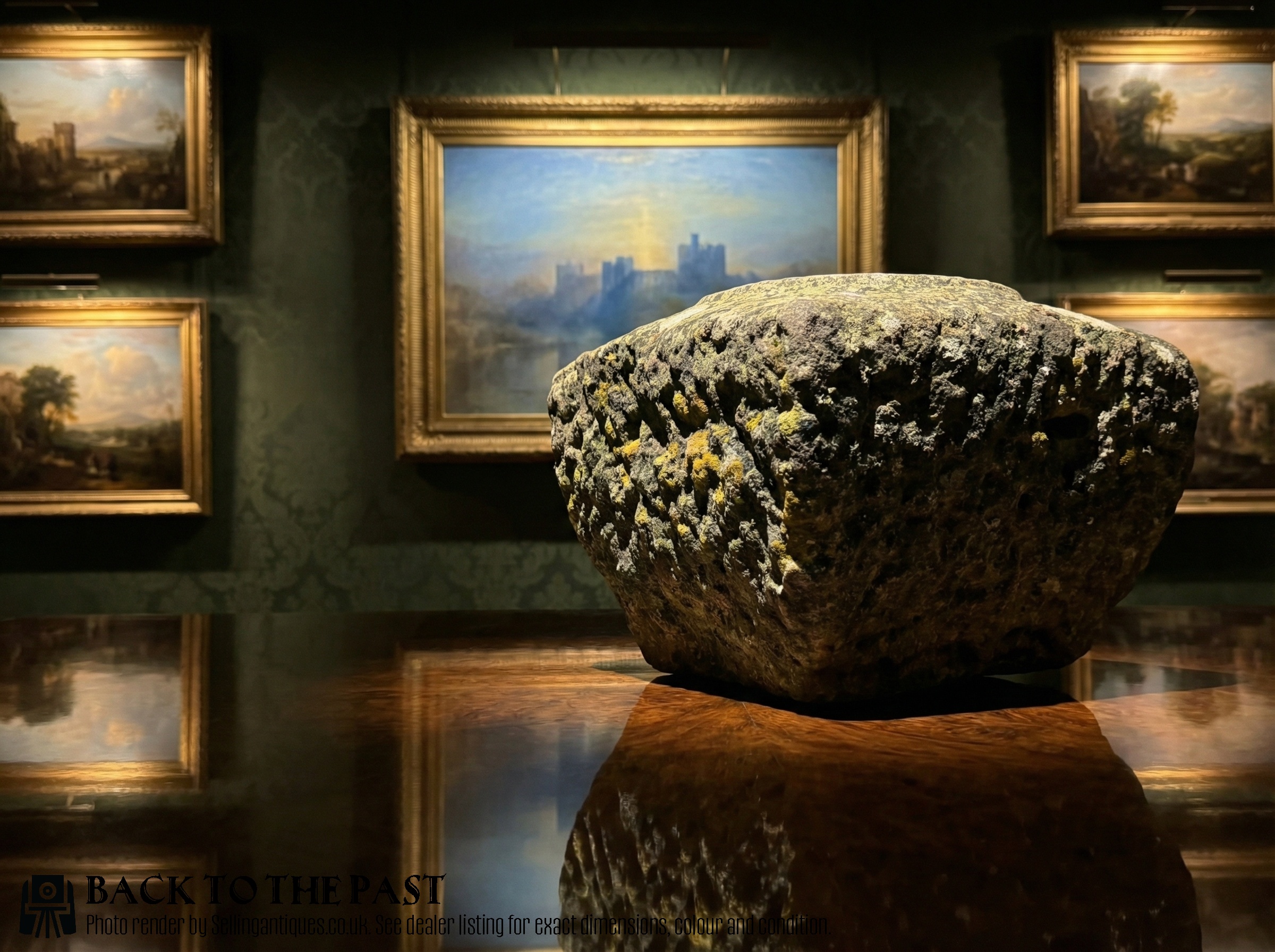
Reclaimed Stone Planter Made of Stone from the Houses of Parliament Damaged in the Blitz WWII, Pre 16th century
Priced at £425 from Hand of Glory
The 2026 retail price guide for Antique Planters is drawn from a proprietary archive of over 1.1 million retail prices indexed by Sellingantiques since 2003. This guide relies exclusively on their own internal data; no external sources or auction records are used.
Analysing nearly 25 years of UK antique market history alongside current retail values, the data indicates that typical UK retail prices for Antique Planters range between £300 and £1,800. Entry-level prices generally fall under £300 and premium examples upwards of £1,800.
Drainage holes are essential on outdoor vessels. Early stone and iron examples usually have a single large aperture drilled straight through the base.
Raised feet keep the base off damp ground. Squat bun feet, stepped plinths, or paw shapes help air circulate underneath the main body of antique planters to prevent stagnant water.
Heavy iron drop handles. These feature heavily on wooden citrus tubs, allowing estate workers to carry shrubs under cover.

Pair of Large Cast Iron Pots or Planters, 1910
Priced at £650 from Youlls Antiques
Carving solid stone took weeks of labour. Masons worked blocks of local limestone or sandstone with chisels to hollow out the central planting void.
Sand casting changed Victorian garden wares. Workers pressed a wooden pattern into wet sand to create a mould for pouring molten iron.
Wooden tubs rely on traditional cooperage. Iron hoops hold the upright oak staves tightly together without glue or nails.
"Some early wooden citrus tubs were designed to flat-pack. Removing the iron bands allowed gardeners to store the staves in sheds during the summer months."
"Copper wash boilers found new life as plant pots. Resourceful households hammered legs onto redundant laundry vessels to hold large ferns in the 1920s."
"Lichen growth adds character to old stone. These slow-growing organisms take decades to form the crusty yellow and grey patches collectors actively look for today."
Based on almost 25 years of Sellingantiques UK antique market data, Antique Planters appeared 2826 times (out of 1,100,000 antiques) which gives it a rarity score of 57/100.
This score measures scarcity within the Sellingantiques archive only and is not a survey of the entire antiques market, so these statistics may not be indicative of the general availability of Antique Planters elsewhere.
Many old terracotta pieces survive frost just fine if they're well drained. The risk comes when wet soil freezes and expands, cracking the clay sides.
Raise the base slightly on stones to keep the drainage hole clear. If the clay feels porous or crumbly, move the piece into a shed before the first freeze.
Flaking paint is part of the appeal for many buyers. Leaving the weathered surface intact preserves the country house look that suits these heavy garden pieces.
If rust is actively eating into the metal, wire-brushing the worst spots makes sense. You can then seal those patches with a clear rust inhibitor without removing the historic paint build-up.
Wet soil resting against oak staves will eventually cause rot.
Drop a zinc liner inside to protect the timber.
Stone troughs without holes were carved to hold water for livestock. Farmers placed them in fields to catch rainwater, or positioned them under an active pump.
You'll need to add a deep layer of gravel at the bottom for planting shallow-rooting alpines. Keep the trough under an overhang so the roots avoid waterlogging.
Please note: This Antique Planters guide and its associated pricing data are provided for general informational purposes only. It does not constitute formal financial, investment, or appraisal advice and should not be relied upon as the sole basis for any commercial activity, purchasing, or sales decisions. Sellingantiques.co.uk accepts no liability for any actions taken in reliance on this information. Always consult with a qualified professional or independent appraiser.
