

A 2026 Guide by Sellingantiques
Entrance halls grew larger in nineteenth-century homes, creating dedicated space for visitors to leave outdoor gear.
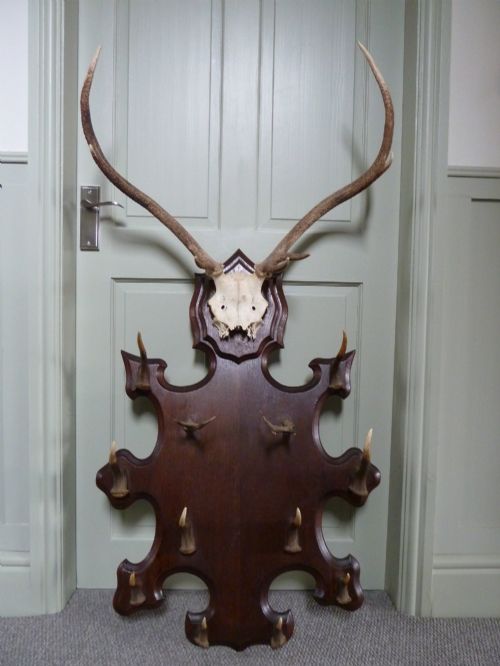
Antique hat racks evolved from simple rows of forged iron hooks into standalone hall furniture.
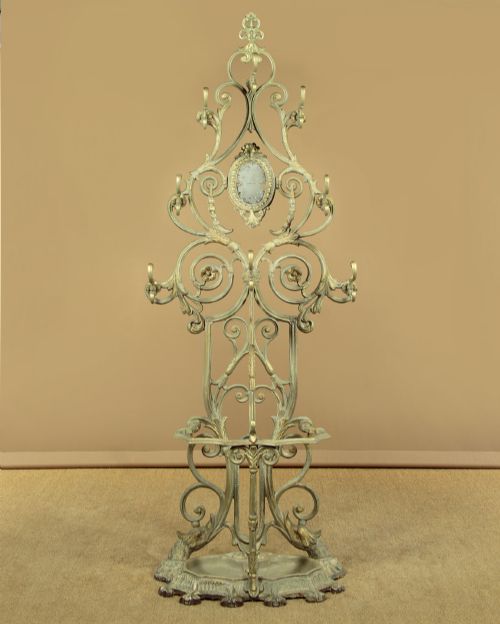
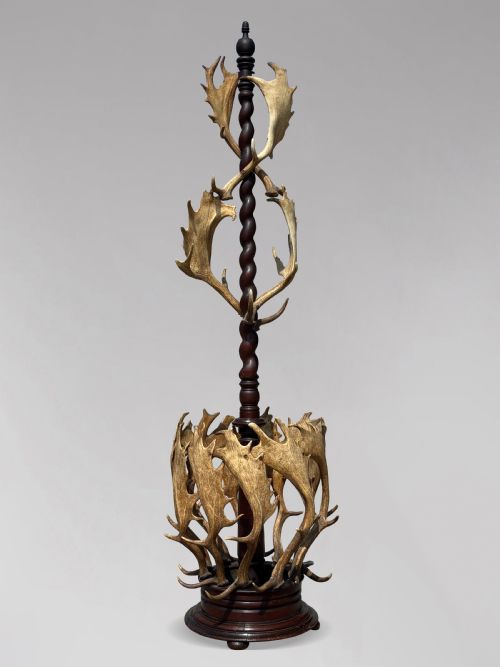
Look for designs combining hat pegs with stick stands or mirrors, reflecting Victorian domestic habits.
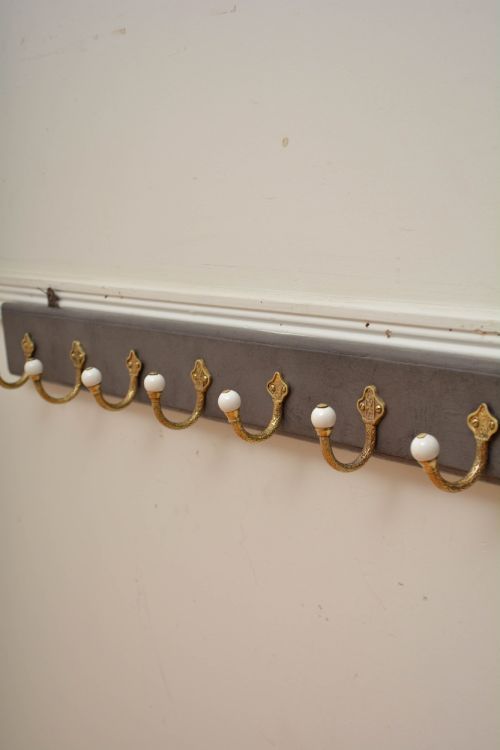
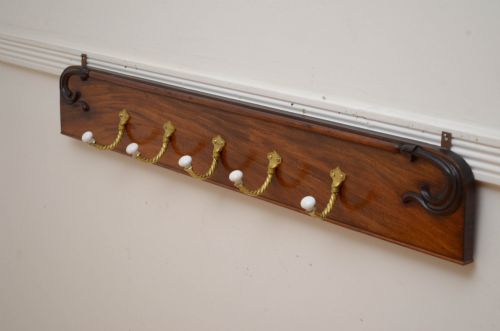
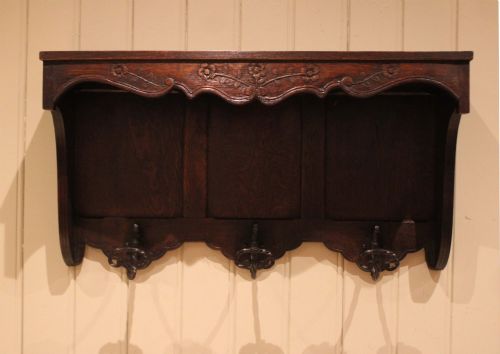
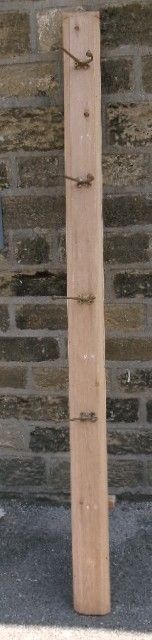
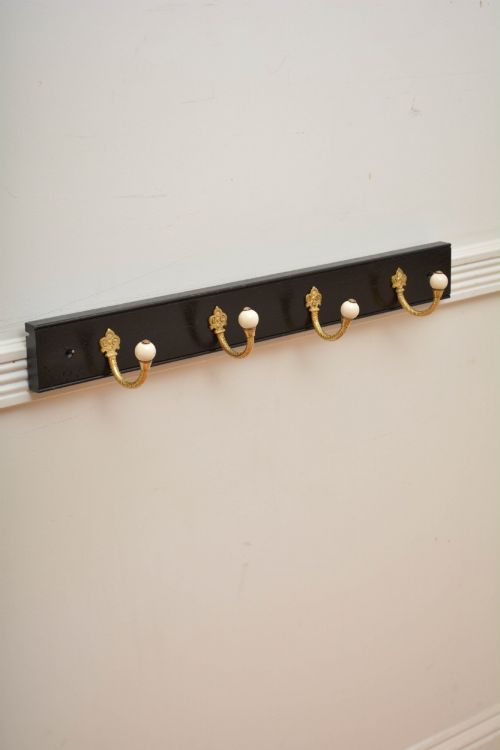
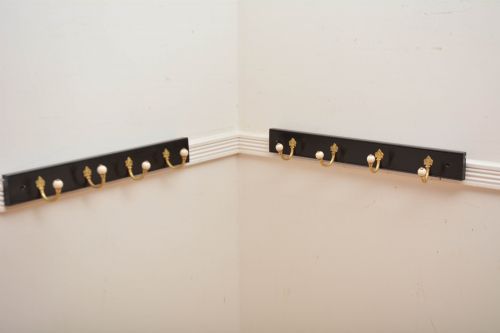
Wall-mounted versions served tighter spaces like corridors, often folding away when not needed.
The introduction of the top hat forced a change in peg spacing to prevent crushed brims.
Most antique hat racks lack a maker's mark, emerging from provincial joinery shops across Britain.
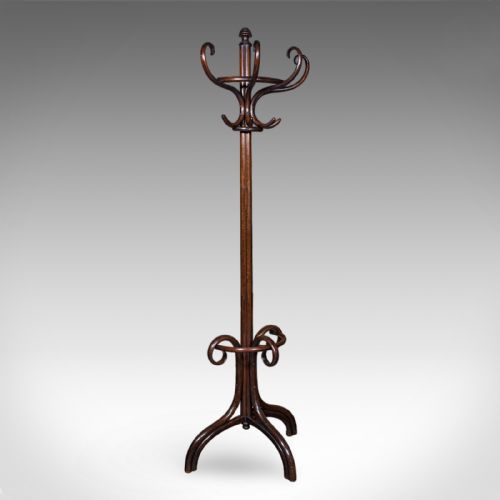
Thonet produced bentwood versions in Austria during the late nineteenth century, stamping their name under the base.
James Shoolbred & Co featured elaborate hall stands in their catalogues between 1870 and 1900.
The 2026 retail price guide for Antique Hat Racks is drawn from a proprietary archive of over 1.1 million retail prices indexed by Sellingantiques since 2003. This guide relies exclusively on their own internal data; no external sources or auction records are used.
Analysing nearly 25 years of UK antique market history alongside current retail values, the data indicates that typical UK retail prices for Antique Hat Racks range between £400 and £1,800. Entry-level prices generally fall under £400 and premium examples upwards of £1,800.
Multiple tiers of hooks allow longer coats on the bottom and wide-brimmed hats at the top.
Central mirrors often sit between the upper pegs, giving the user a final glance before leaving.
A drip tray in the base indicates it doubled as an umbrella stand.
Early wall models relied on simple through-tenons, wedged at the back for a tight friction fit.
Steam bending allowed makers to curve solid beech into lightweight loops without cutting joints.
Edwardian examples shifted towards flat-pack assembly using heavy steel screws to connect the uprights.
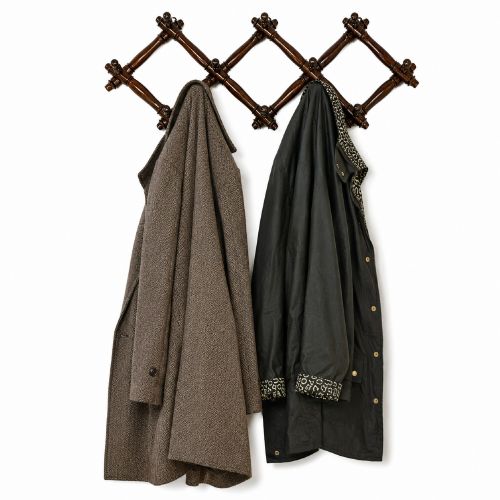
"Expanding accordion racks adapt to almost any wall space by pivoting on brass rivets."
"Some designs incorporate small glove boxes built directly into the central waist section."
"The spacing on Edwardian models accommodates bowler hats without the stiff brims touching."
Based on almost 25 years of Sellingantiques UK antique market data, Antique Hat Racks appeared 530 times (out of 1,100,000 antiques) which gives it a rarity score of 90/100.
This score measures scarcity within the Sellingantiques archive only and is not a survey of the entire antiques market, so these statistics may not be indicative of the general availability of Antique Hat Racks elsewhere.
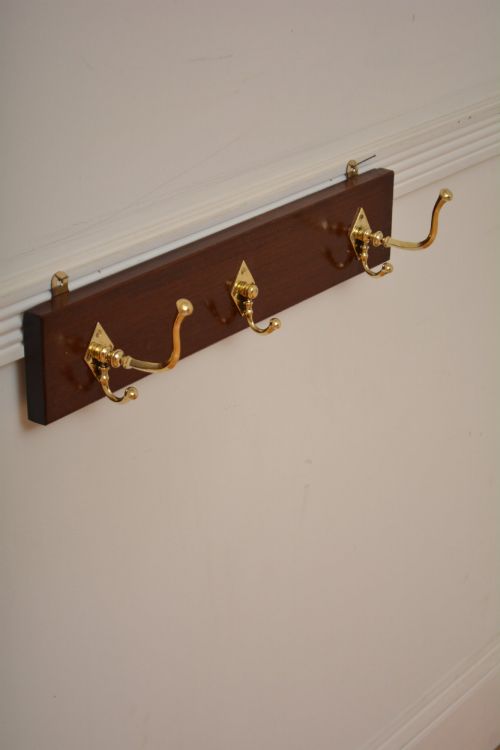
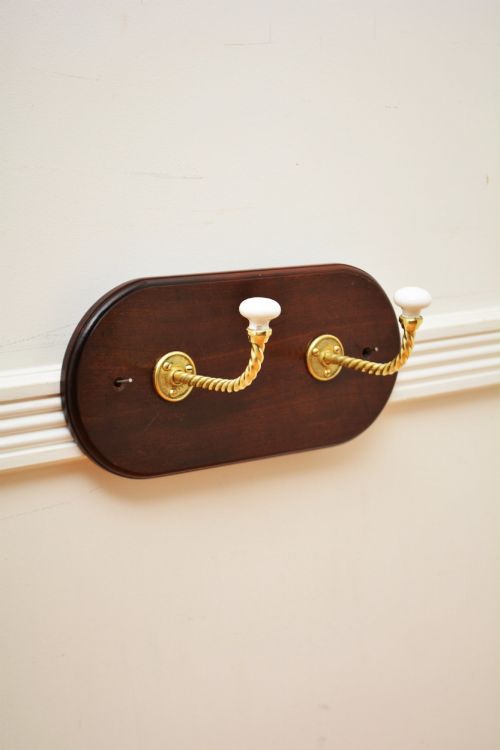
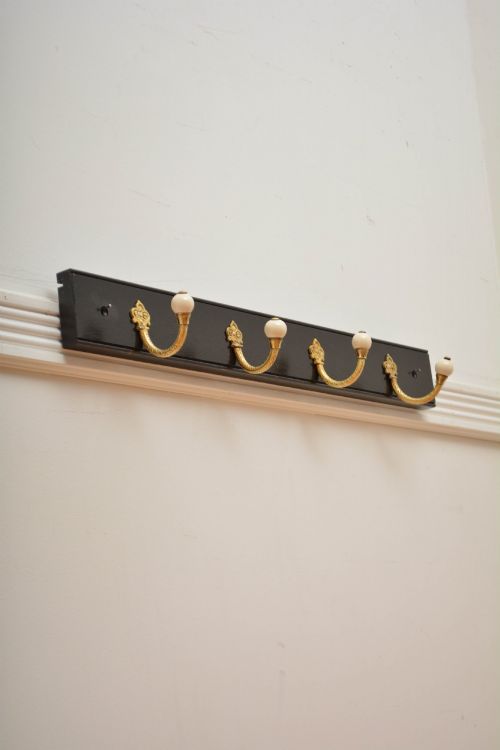
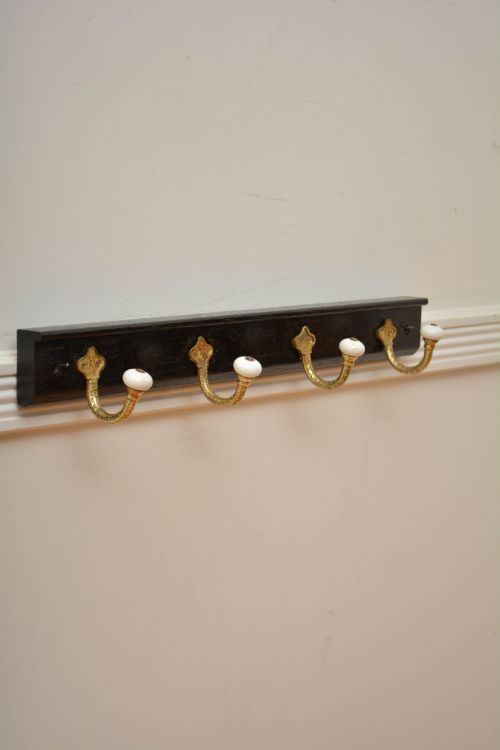
You need to locate the original brass hanging loops if they are still attached to the backboard. Some racks use keyhole plates routed directly into the timber frame. Heavy pieces demand serious fixings rather than standard picture hooks.
If the original fittings are missing, steel mirror plates can be screwed into the back edges. Make sure you anchor them securely into masonry or wooden wall studs, as the weight of several wet coats adds up quickly.
Try to remove the hooks before polishing to protect the surrounding timber. If the screws are rusted solid, slide a thin card behind the brass instead.
Light rubbing with a polishing cloth lifts surface dirt. Leave the deeper tarnish alone.
Freestanding antique hat racks often loosen at the base over decades of use. Turn the piece over and inspect the underside of the plinth. You'll usually find heavy screws or wooden wedges connecting the central column.
Tightening these fittings can resolve minor movement. If the joints rely on dowels, the old animal glue might have dried out. A cabinetmaker can steam the joint apart and re-glue it properly.
Adding modern screws through the outside of the base ruins the appearance. It rarely holds the weight anyway.
Expanding accordion racks use friction to hold their turned pegs in place. The pegs double as the pivot points for the diamond lattice.
If you glue the pegs rigid, the rack won't open or close again. The timber battens need to move freely around the central peg shafts to function.
Sometimes a gentle tap with a wooden mallet seats a loose peg deeper into the back joint. If the hole is heavily worn, the peg might need a thin shaving of veneer wrapped around the hidden tenon.
Please note: This Antique Hat Racks guide and its associated pricing data are provided for general informational purposes only. It does not constitute formal financial, investment, or appraisal advice and should not be relied upon as the sole basis for any commercial activity, purchasing, or sales decisions. Sellingantiques.co.uk accepts no liability for any actions taken in reliance on this information. Always consult with a qualified professional or independent appraiser.
