
There are no results to show on this page for that combination of filters:
Antique Doors in Wales
A 2026 Guide by Sellingantiques
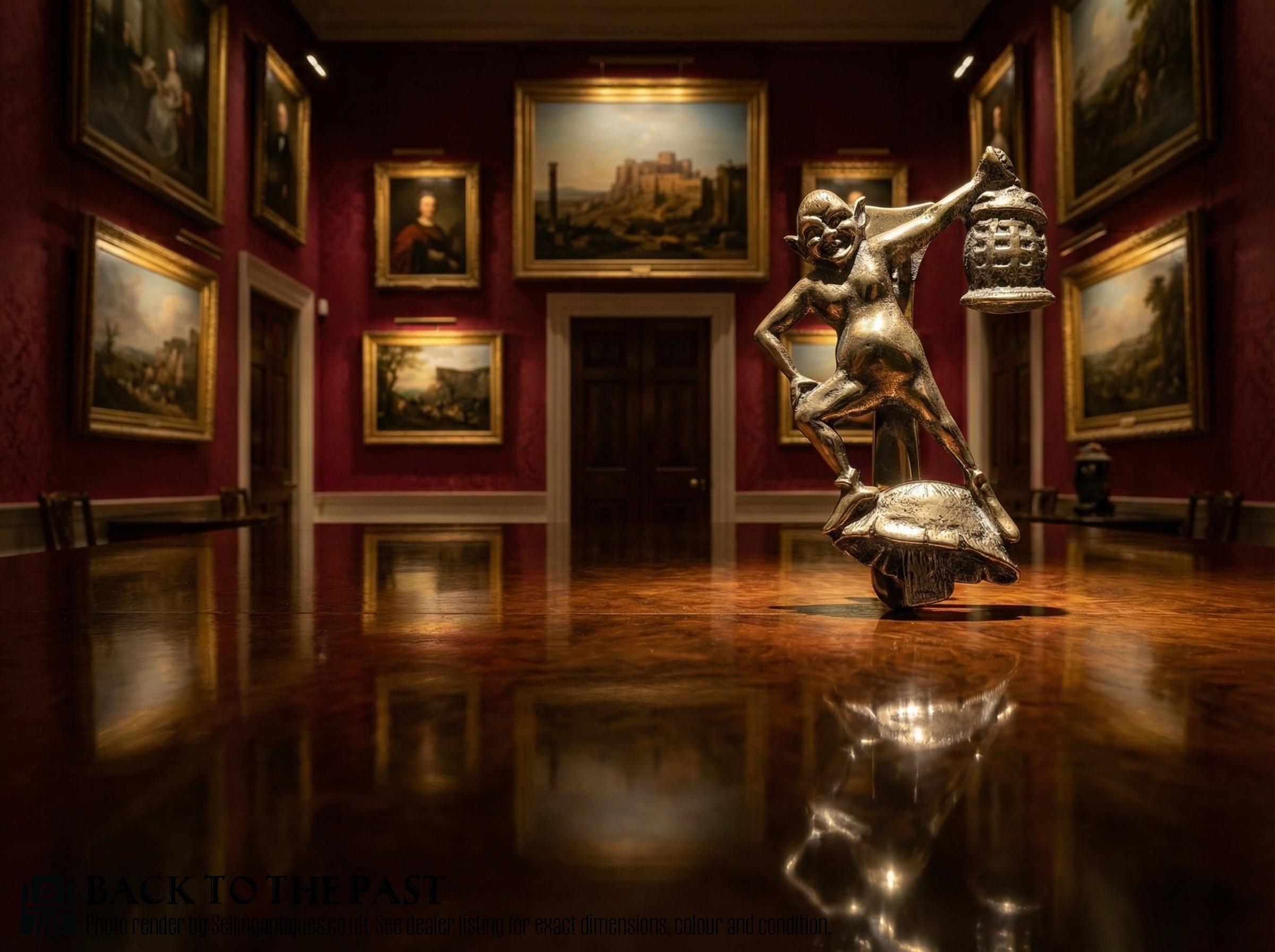
An Antique Brass Door Knocker Depicting an Imp with Lantern., 1920
Priced at £150 from Antiquus
Most surviving antique doors date from the eighteenth and nineteenth centuries, a time when rapid urban expansion drove huge demand for architectural joinery.
Before that, plank construction secured with heavy forged iron nails and cross ledges served for both exterior and interior use.
Look for panelled designs becoming standard during the Georgian period, allowing timber to shrink and swell without splitting.
Individual makers rarely signed architectural joinery, leaving a largely anonymous trade of local carpenters who worked to established regional patterns.
Large estate workshops sometimes stamped their products, but this is the exception rather than the rule for antique doors.
Architectural pattern books heavily influenced the proportions local builders used throughout the eighteenth century.

Pair 19th Century Egyptian Sphinx Door Knockers, 19th Century
Priced at £1,200 from Cheshire Antiques Consultant Ltd
The 2026 retail price guide for Antique Doors is drawn from a proprietary archive of over 1.1 million retail prices indexed by Sellingantiques since 2003. This guide relies exclusively on their own internal data; no external sources or auction records are used.
Analysing nearly 25 years of UK antique market history alongside current retail values, the data indicates that typical UK retail prices for Antique Doors range between £500 and £3,300. Entry-level prices generally fall under £500 and premium examples upwards of £3,300.
Heavy ironmongery like rim locks and large strap hinges often remains attached to country pieces.
Floating panels sit loosely within the main frame to allow for seasonal movement.
Notice the heavy applied mouldings used on the front face of exterior examples to deflect rainwater away from the joints.
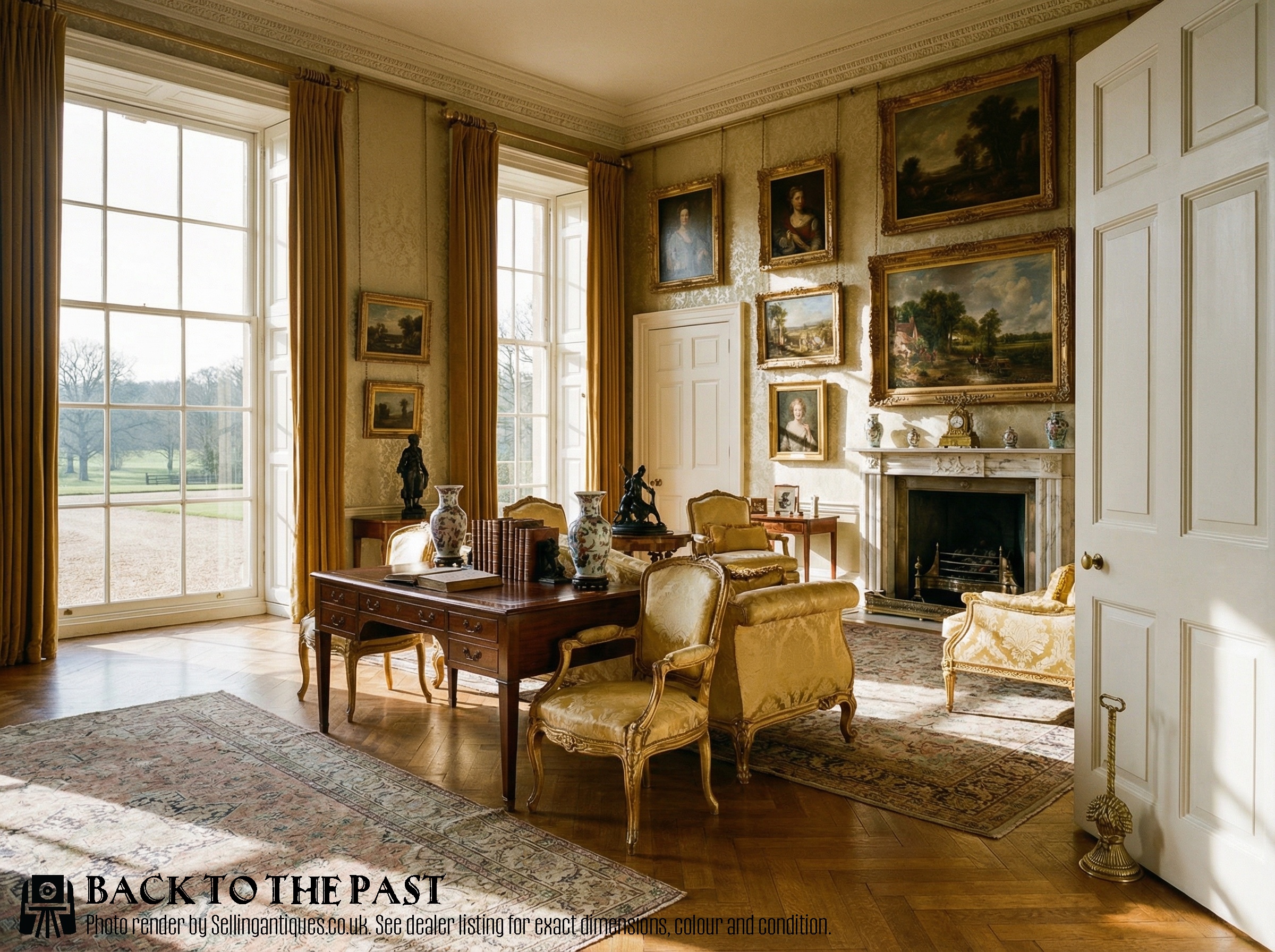
Victorian Cast Brass Doorstop, Victorian
Priced at £395 from Baggott & Co.
Early plank doors relied on massive wrought iron nails driven through the face and clenched at the back.
Pegged mortise and tenon joints becoming the standard way to build stable frames without relying on animal hide glue.
Take a close look at the panel mouldings to determine if they were cut directly into the solid stiles or applied as separate strips of timber afterwards.
"Many interior examples were originally covered in fabric or leather to cut down on cold draughts."
"Notice the panel layout. Joiners often matched the door proportions to the window glazing bars to create a unified architectural scheme."
"Paint finishes were frequently grained to look like expensive mahogany or oak using special combs and brushes."
Based on almost 25 years of Sellingantiques UK antique market data, Antique Doors appeared 14469 times (out of 1,100,000 antiques) which gives it a rarity score of 6/100.
This score measures scarcity within the Sellingantiques archive only and is not a survey of the entire antiques market, so these statistics may not be indicative of the general availability of Antique Doors elsewhere.
You can, provided the timber is thick enough and built for external use. Solid oak or heavy painted pine examples survive weather well if properly maintained.
Interior doors aren't usually thick enough for exterior frames. They often warp when exposed to rain on one side and central heating on the other.
Stripping thick paint usually reveals the original crisp mouldings that decades of redecorating have obscured. It is a messy job, but uncovering those sharp joinery details transforms the look of a room.
Pine doors were often meant to be painted from the start. You might find rough timber underneath, so be prepared to prime and repaint them rather than leaving a bare wax finish.
There isn't a standard size. Local joiners built them to fit individual frames and specific room proportions.
Measure your opening twice. It is easier to trim a larger door than to build out a small one.
Trimming is normal, but taking too much off will ruin the structural integrity. The joints connecting the horizontal rails to the vertical stiles rely on the timber at the top and bottom corners.
Cutting too deeply removes the tenon pins holding the frame together. You'll also risk ruining the visual balance of the panels.
Consult your joiner before buying. They can tell you how much tolerance you have before the frame starts to weaken.
Please note: This Antique Doors guide and its associated pricing data are provided for general informational purposes only. It does not constitute formal financial, investment, or appraisal advice and should not be relied upon as the sole basis for any commercial activity, purchasing, or sales decisions. Sellingantiques.co.uk accepts no liability for any actions taken in reliance on this information. Always consult with a qualified professional or independent appraiser.
