


A 2026 Guide by Sellingantiques
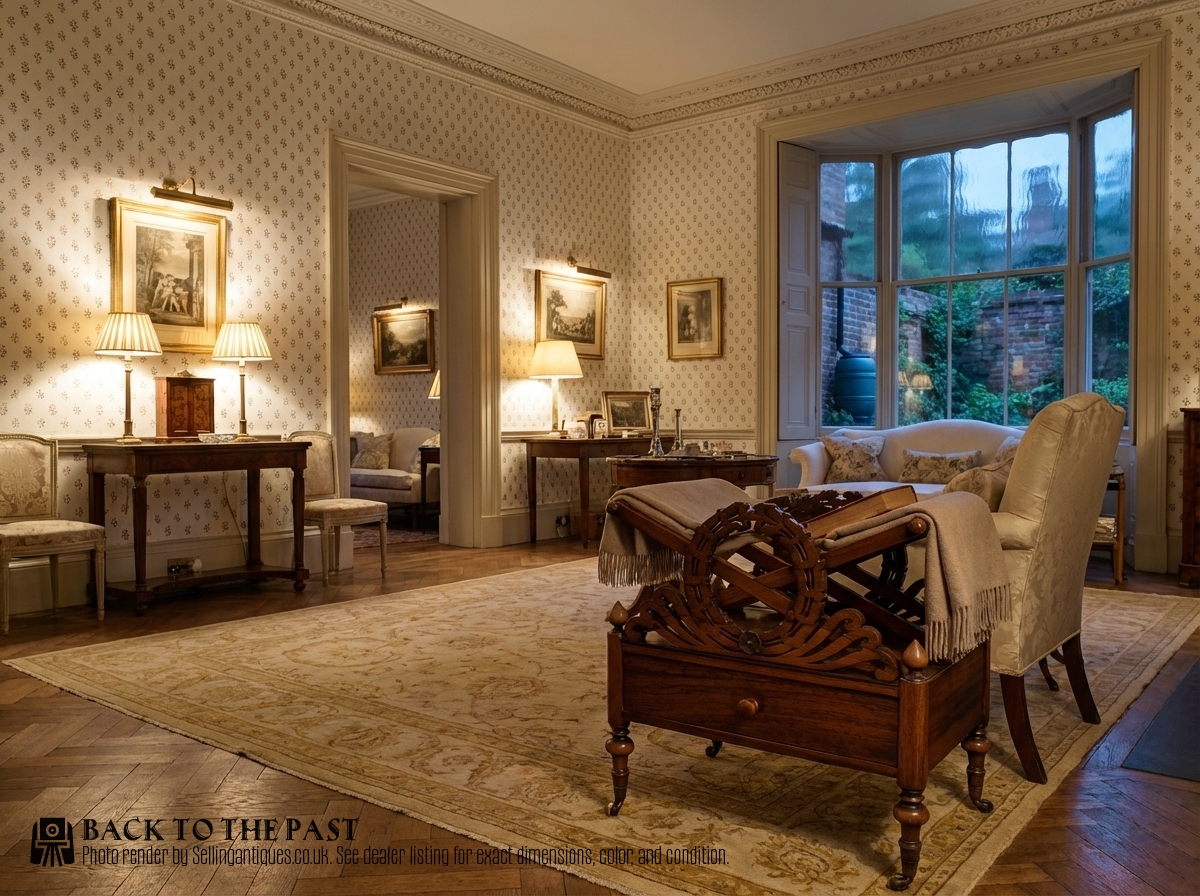
C19th William IV Period Rosewood Canterbury, 19th Century
Priced at £950 from M Lees and Sons
The form first appeared in England during the late eighteenth century.
Look at the shift in use over time, moving from musical storage to holding drawing room portfolios.
Victorian antique canterburys became much heavier and more ornate than their earlier Georgian predecessors.
Often found in pairs in large country houses, flanking a heavy central music stand.
Base drawers provided a specific place to keep a tuning fork and spare strings.
Gillows of Lancaster made hundreds of these throughout the nineteenth century.
Published designs by Thomas Sheraton in the late eighteenth century, helping standardise the basic shape.
Most examples are usually unsigned, built by anonymous regional cabinetmakers working to London pattern books.
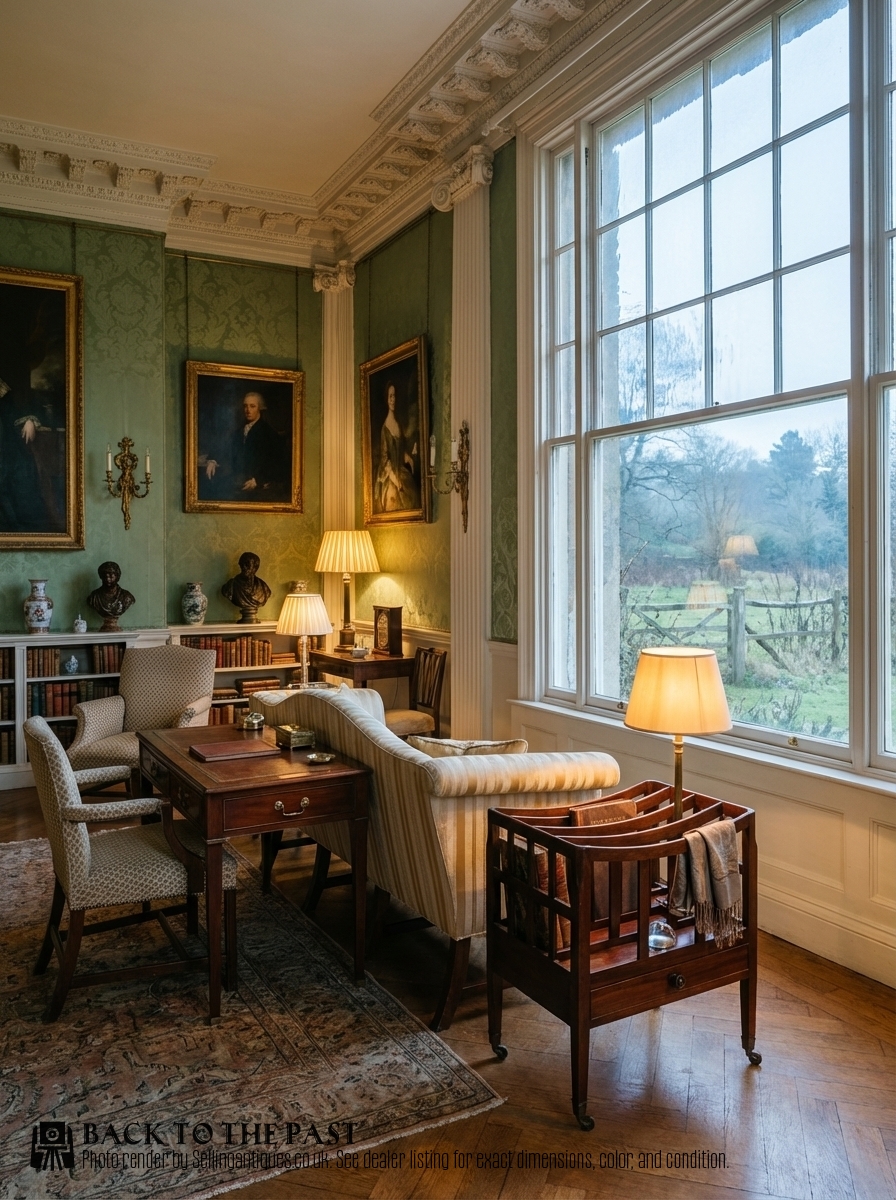
Late C18th George III Sheraton Period Mahogany Canterbury., Georgian
Priced at £1,275 from M Lees and Sons
The 2026 retail price guide for Antique Canterburys is drawn from a proprietary archive of over 1.1 million retail prices indexed by Sellingantiques since 2003. This guide relies exclusively on their own internal data; no external sources or auction records are used.
Analysing nearly 25 years of UK antique market history alongside current retail values, the data indicates that typical UK retail prices for Antique Canterburys range between £500 and £1,900. Entry-level prices generally fall under £500 and premium examples upwards of £1,900.
The slatted top section always has divisions to keep the sheet music upright.
A shallow drawer sits beneath the rack for smaller loose items.
Turn it over to see the brass casters, essential for pulling the piece out from under a piano.
Georgian craftsmen built them with plain square slats joined by hand-cut mortises.
Complex fretwork panels replacing the simple sticks by the mid-nineteenth century.
Watch for the transition from light open frames to solid heavy bases in late Victorian models.
"Many people adapt them today to hold and display modern vinyl record collections."
"Flat top framework edges designed to act as a temporary rest for a tea cup."
"Use the shallow base drawer to hide modern television remotes."
Based on almost 25 years of Sellingantiques UK antique market data, Antique Canterburys appeared 2055 times (out of 1,100,000 antiques) which gives it a rarity score of 66/100.
This score measures scarcity within the Sellingantiques archive only and is not a survey of the entire antiques market, so these statistics may not be indicative of the general availability of Antique Canterburys elsewhere.
Most people use them for magazines or vinyl records. The divisions are spaced well to keep modern LPs upright and easy to flick through without them warping.
The bottom drawer is useful for small modern clutter. Some buyers place them next to a reading chair to act as a low side table for their current books.
The solid panels are just a later stylistic shift. As the nineteenth century progressed, furniture tastes became heavier.
Victorian cabinetmakers started using solid fret-cut wood instead of thin spindles. They still held sheet music, but the enclosed sides stopped thin paper sheets from slipping out.
Most original casters are secured by friction and a single steel screw. Remove that side screw before pulling the brass cup downwards.
Sometimes they stick. A gentle tap with a mallet breaks the seal.
A little movement is standard. The upright posts are thin and join the heavy base with small dowels. When you push against carpet resistance, that joint takes the strain.
You should push them from the heavy base rather than pulling the thin top handle.
Please note: This Antique Canterburys guide and its associated pricing data are provided for general informational purposes only. It does not constitute formal financial, investment, or appraisal advice and should not be relied upon as the sole basis for any commercial activity, purchasing, or sales decisions. Sellingantiques.co.uk accepts no liability for any actions taken in reliance on this information. Always consult with a qualified professional or independent appraiser.
