


A 2026 Guide by Sellingantiques
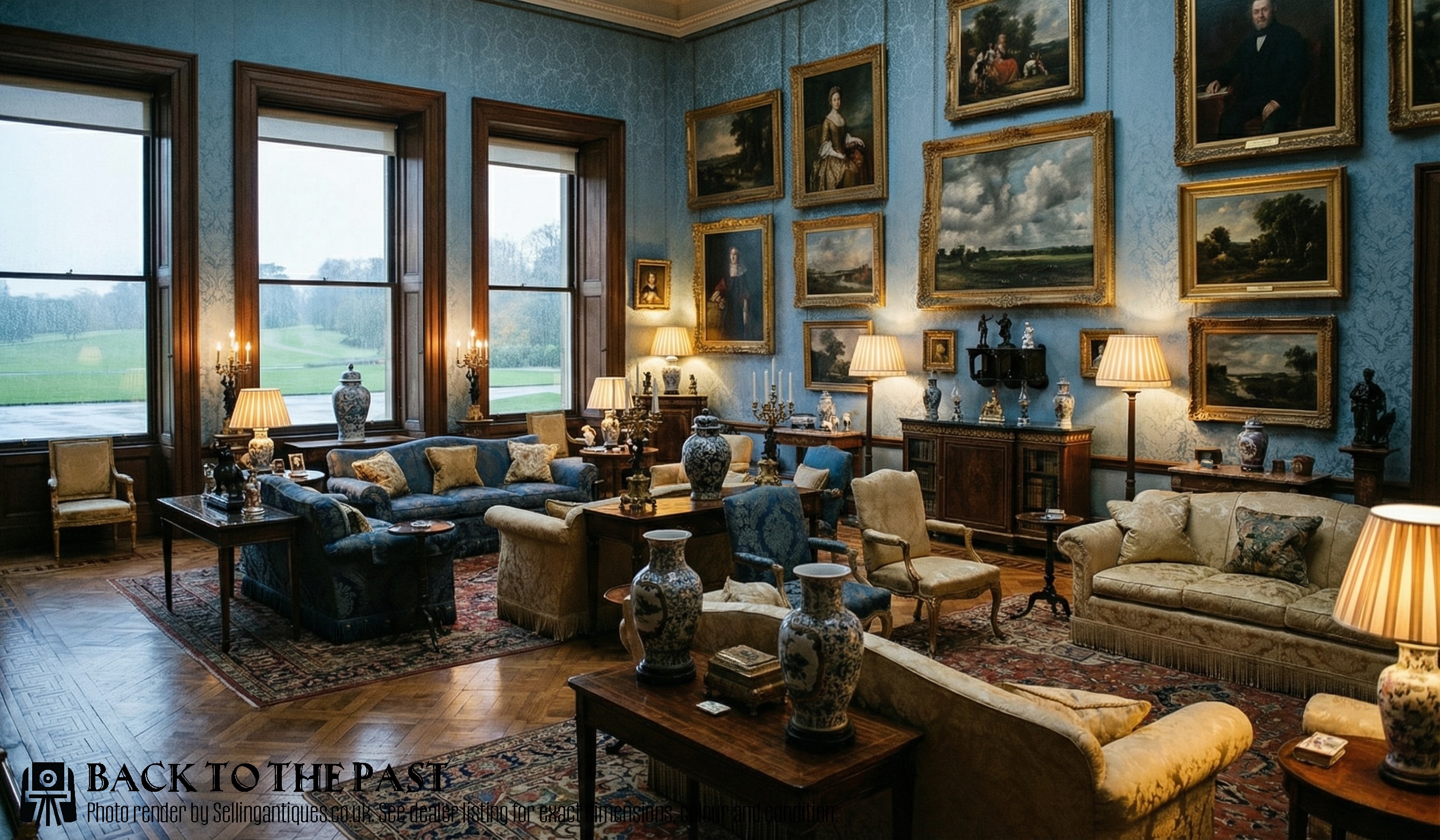
Victorian Rosewood Bracket Shelf, Victorian
Priced at £325 from Sinclairs Antiques and Interiors
Structural necessity drove the earliest designs. Builders needed sturdy joints to bridge vertical walls and horizontal beams.
Georgian interiors transformed them into domestic display pieces. Wealthy owners wanted ornate carved platforms to hold imported porcelain and heavy clockcases.
Notice the shift during the Victorian period. Foundries pumped out cast iron antique brackets for railway station roofs and public plumbing.
Plaster and composition examples often dominated nineteenth-century domestic hallways to support decorative arches.
Thomas Chippendale supplied carved wooden antique brackets to grand country houses during the mid-eighteenth century. His workshop produced complex rococo designs.
Coalbrookdale cast heavy iron versions throughout the nineteenth century. They registered numerous functional patterns for garden structures and commercial shelving.
Late seventeenth-century examples occasionally come from the workshop of Grinling Gibbons. These rely on deep floral carving rather than solid structural forms.
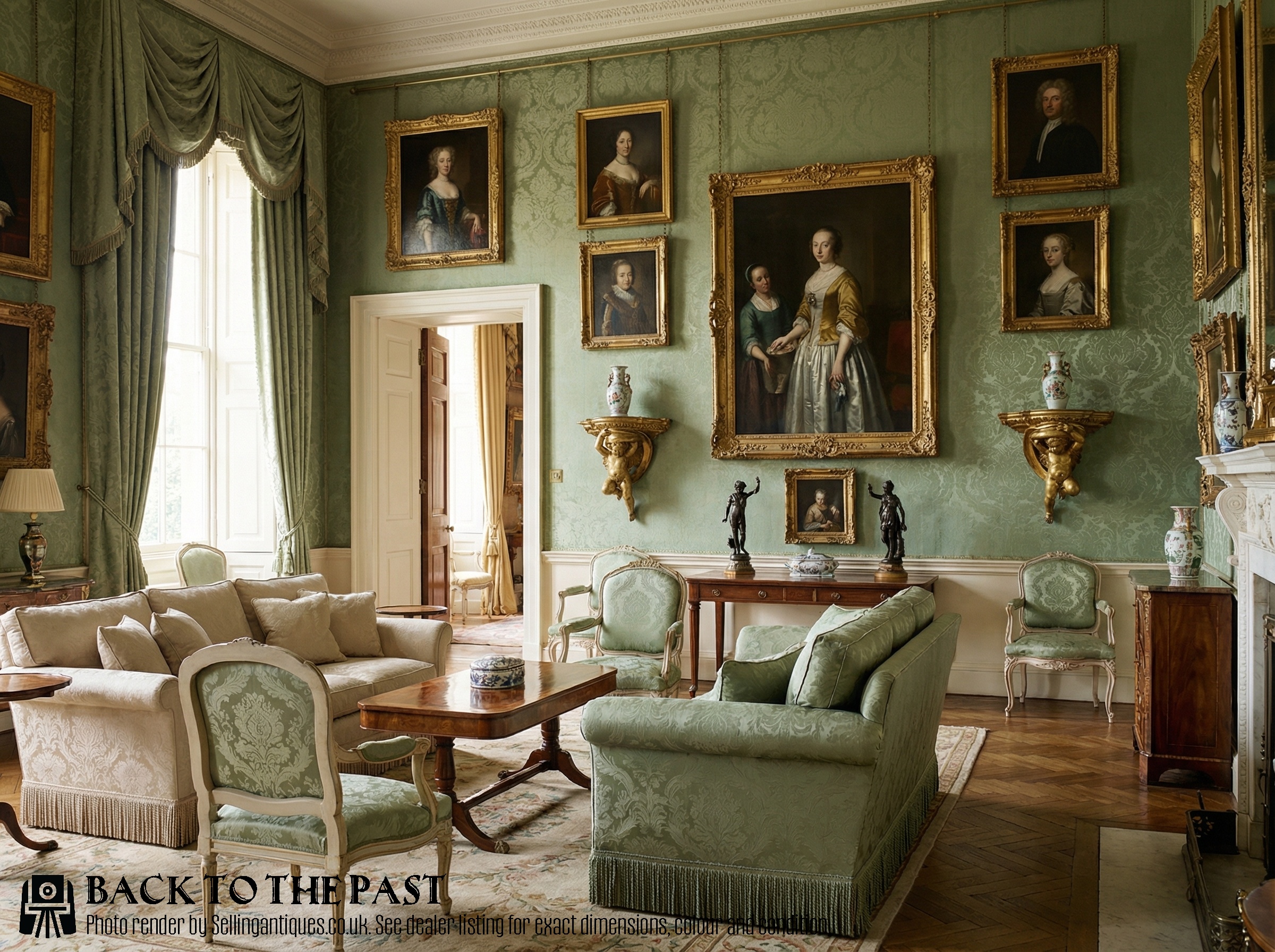
Pair of 19th Century Italian Carved Giltwood Wall Brackets, 19th Century
Priced at £1,175 from Hobson May Collection
The 2026 retail price guide for Antique Brackets is drawn from a proprietary archive of over 1.1 million retail prices indexed by Sellingantiques since 2003. This guide relies exclusively on their own internal data; no external sources or auction records are used.
Analysing nearly 25 years of UK antique market history alongside current retail values, the data indicates that typical UK retail prices for Antique Brackets range between £700 and £4,300. Entry-level prices generally fall under £700 and premium examples upwards of £4,300.
The flat top platform carries the weight. It usually features a chamfered edge to blend with whatever sits above.
Vertical wall plates spread the downward load across the plaster. They hold the iron fixings and keep the whole assembly stable.
Examine the central strut bridging the right angle. Carvers shaped this space into sweeping scrolls or plain diagonal braces depending on the era.
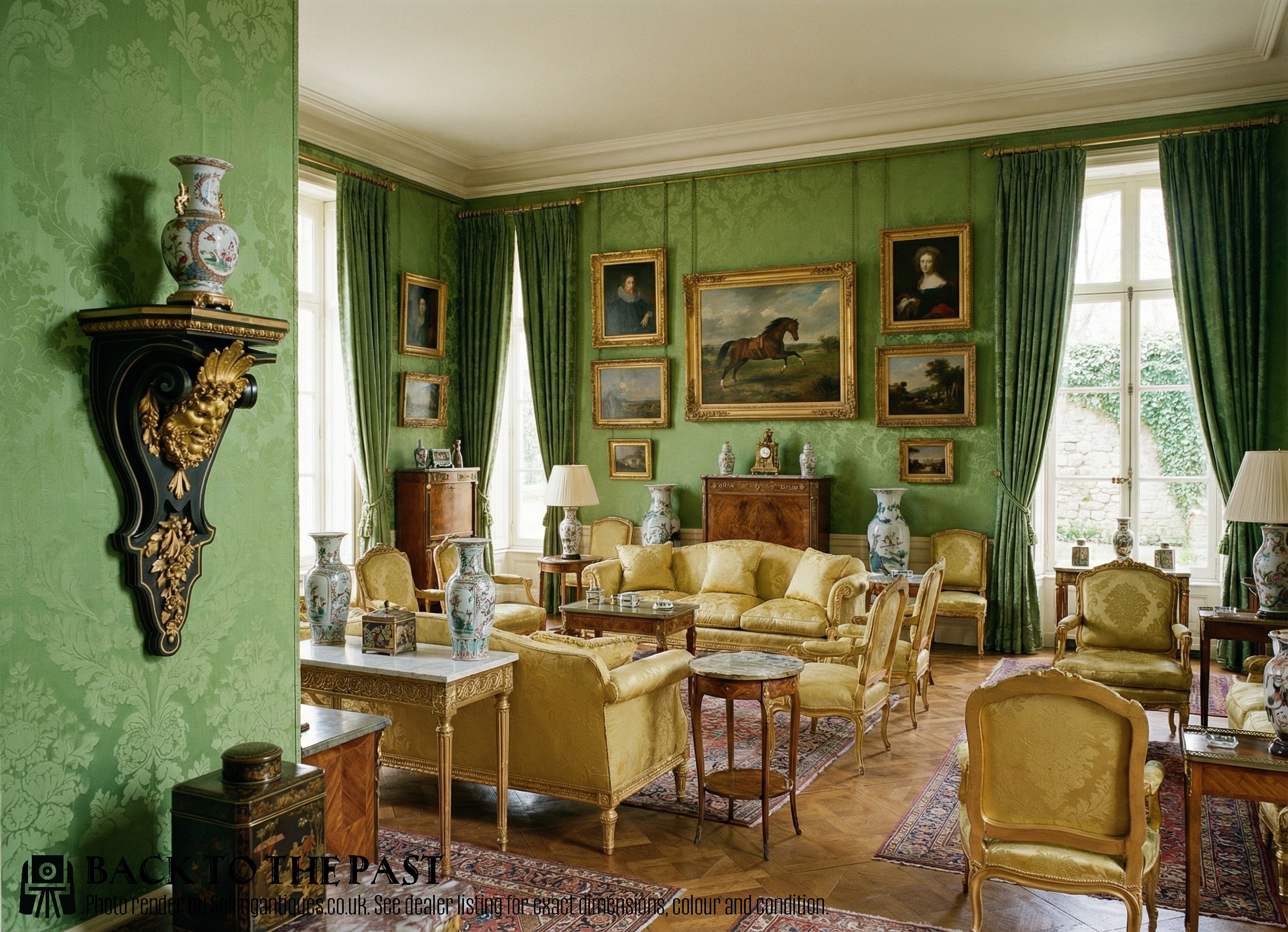
Superb Quality 19thc Ormolu & Ebonised Bracket, Attributed to Henri Dasson (1825 - 1896), 1880
Priced at £4,750 from LVS Decorative Arts
Early wooden antique brackets rely on sturdy mortise and tenon joints. Craftsmen pegged the horizontal shelf directly into the vertical backplate for strength.
Nineteenth-century foundries poured molten iron into sand moulds. This casting process allowed builders to buy matching identical supports in huge batches.
Check the block work on carved pieces. The spread of reliable animal glues let cabinetmakers laminate smaller timber blocks together before shaping complex curves.
"Many carved wooden pairs started life attached to massive panelling schemes. Dealers salvaged them when grand country houses underwent remodelling."
"Hidden compartments occasionally turn up in deep clock brackets. Makers built sliding panels into the carcase to hold winding keys."
"Foundries often cast the horizontal shelf and vertical plate as separate pieces. They bolted them together later to save space on trade wagons."
Based on almost 25 years of Sellingantiques UK antique market data, Antique Brackets appeared 7450 times (out of 1,100,000 antiques) which gives it a rarity score of 23/100.
This score measures scarcity within the Sellingantiques archive only and is not a survey of the entire antiques market, so these statistics may not be indicative of the general availability of Antique Brackets elsewhere.
You need secure fixings driven deep into solid masonry. Plasterboard will not take the weight of a cast iron antique bracket.
Use heavy gauge steel screws and substantial wall plugs. If you have doubts about the wall structure, hire a builder to find the studs.
They rarely sit flush on old plaster. The timber backplates on antique brackets are rigid, while historic walls usually have bows and hollows.
You can scribe the backplate to match the wall contour if you have woodworking skills. This involves shaving the back edge until it follows the plaster line exactly.
Most people just accept a slight shadow gap. You can paint the wall behind to match the bracket, making any small gaps far less obvious.
Mahogany and oak dominate the surviving domestic examples. They hold crisp carving details well and take a good polish.
You also find plenty of softer woods like pine. Makers used these when the piece was destined for thick coats of paint.
It happens all the time. Successive owners move these fixtures from room to room, drilling new fixing holes whenever the old ones split or wear out.
Sometimes the original maker just drilled wherever the timber grain looked strongest. Handmade pairs rarely have the kind of template-driven uniformity you get with modern factory goods.
Please note: This Antique Brackets guide and its associated pricing data are provided for general informational purposes only. It does not constitute formal financial, investment, or appraisal advice and should not be relied upon as the sole basis for any commercial activity, purchasing, or sales decisions. Sellingantiques.co.uk accepts no liability for any actions taken in reliance on this information. Always consult with a qualified professional or independent appraiser.
