


A 2026 Guide by Sellingantiques

Nineteenth Century Occasional Table, 19th Century
Priced at £680 from Ropeworks Antiques
Mass production began to shape furniture making during the mid-nineteenth century.
Look at the sheer variety of forms designed for newly specialised middle-class rooms. Card tables, writing tables, loo tables and work tables flooded the market.
Earlier Victorian tables often reflect heavy Gothic or Rococo revival tastes. Lighter, more geometric Arts and Crafts influences appeared towards the end of the era.
Mechanised workshops cut veneers and turned legs much faster than hand tools permitted.
Gillows of Lancaster and London supplied high quality extending dining tables. Their stamped name sometimes appears on the top edge of a drawer.
Look for Holland and Sons pieces. They supplied many well-documented writing tables to government buildings.
Famous for upholstery, Howard and Sons also made occasional tables. Their cabinet work often bears a paper label or stamped mark.
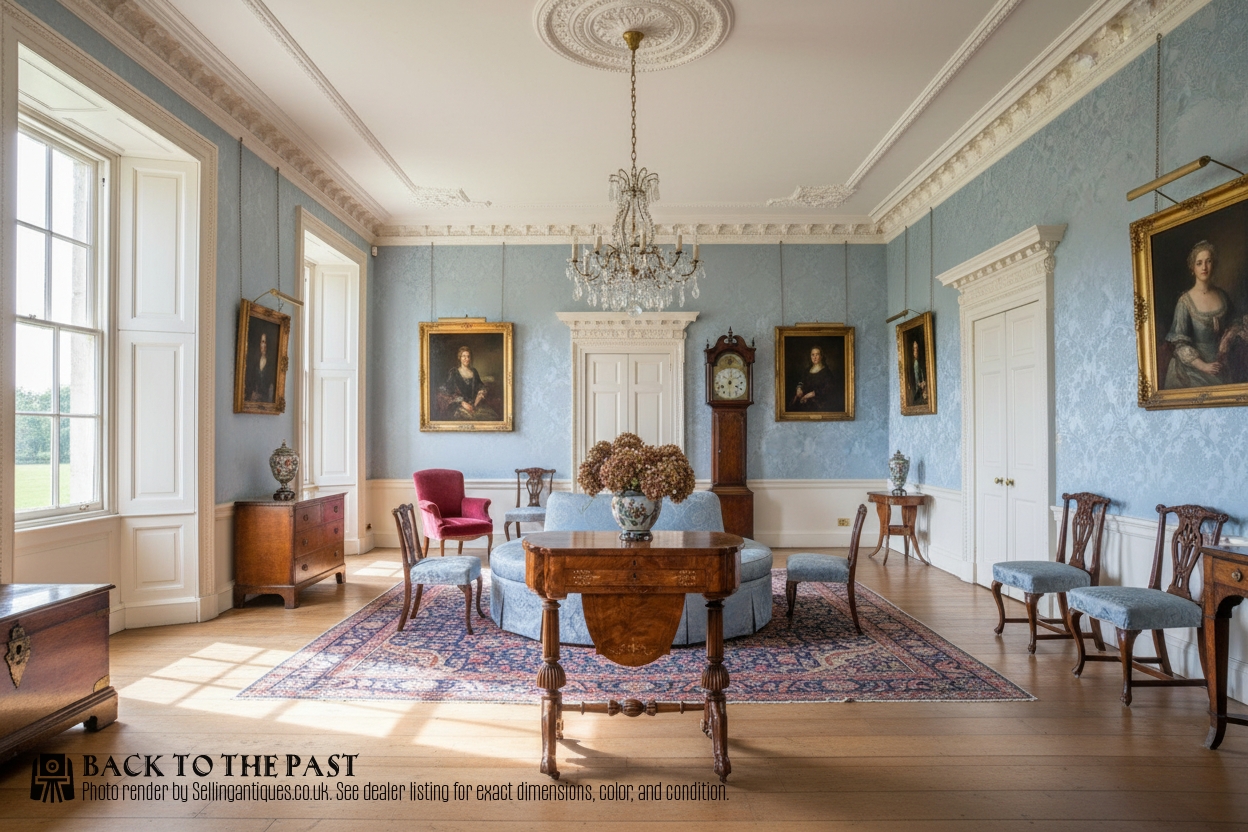
Outstanding Early Victorian 19th Century Inlaid Burr Walnut Writing or Sewing Table, 1950
Priced at £6,595 from London City Antiques
The 2026 retail price guide for Victorian Tables is drawn from a proprietary archive of over 1.1 million retail prices indexed by Sellingantiques since 2003. This guide relies exclusively on their own internal data; no external sources or auction records are used.
Analysing nearly 25 years of UK antique market history alongside current retail values, the data indicates that typical UK retail prices for Victorian Tables range between £400 and £2,700. Entry-level prices generally fall under £400 and premium examples upwards of £2,700.
Turned legs are everywhere. Heavy bulbous profiles give way to slimmer fluted designs as the decades progress.
Expect elaborate shaped aprons on loo tables. Many have complex applied mouldings running around the lower edge.
Underneath large dining examples sits a telescopic winding mechanism operated by a detachable crank handle.
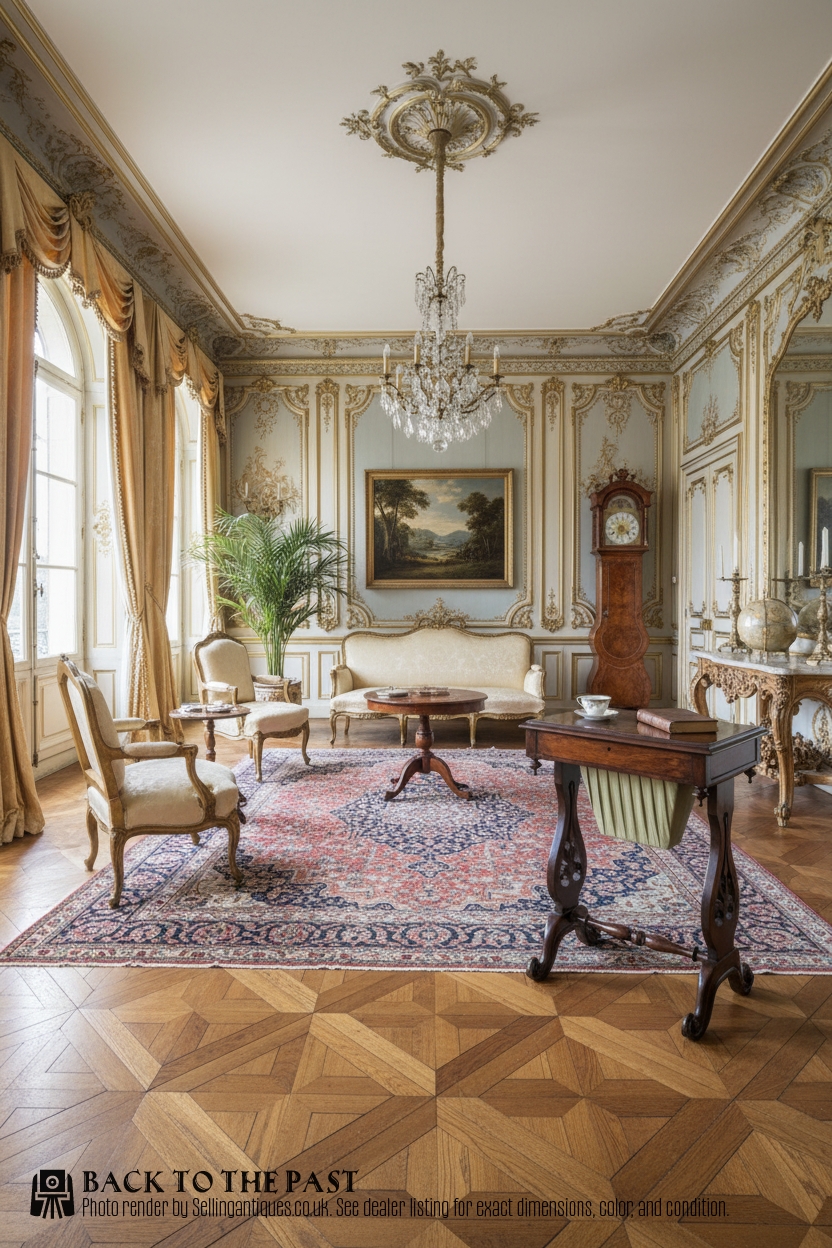
Victorian Rosewood Freestanding Work or Lamp Table, 1850
Priced at £1,295 from London City Antiques
Hand-cut dovetails still join the drawer linings on most good examples.
Veneer mills allowed workshops to apply highly figured burr walnut onto cheaper pine carcases. This required precise gluing and pressing to stay flat.
Look closely under the top to see traditional mortise and tenon joints connecting the aprons to the heavy turned legs.
"Some papier-mâché tables aren't heavy at all. They can be picked up with a single finger and moved close to a fire."
"Hidden compartments exist in some work tables. Craftsmen built concealed sliding trays to keep small items safely out of sight."
"Look at the underside of tilt-top mechanisms. The brass catches are engineered with deep satisfying clicks that still work flawlessly a century later."
Based on almost 25 years of Sellingantiques UK antique market data, Victorian Tables appeared 30560 times (out of 1,100,000 antiques) which gives it a rarity score of 1/100.
This score measures scarcity within the Sellingantiques archive only and is not a survey of the entire antiques market, so these statistics may not be indicative of the general availability of Victorian Tables elsewhere.
Dusting with a dry cloth deals with most daily dirt. A damp cloth can wipe away sticky marks, provided you dry the surface immediately afterwards.
Avoid modern silicone spray polishes. They leave a stubborn film that obscures the grain and ruins the finish over time. A good beeswax polish applied twice a year keeps the timber fed.
It is a round or oval centre table mounted on a pedestal. People used them to play a popular nineteenth-century card game called loo.
The tops tilt upright to save space.
Keep the extra leaves flat in a dry room with a stable temperature. Storing them upright against a wall often causes the wood to warp over time.
Avoid sliding them under a bed where heating pipes run. The dry heat pulls moisture from the timber, causing the joints to shrink and crack.
Old leather eventually dries out and loses its natural oils. You can apply a specialist leather dressing with a soft cloth to restore some suppleness to the surface.
Do not try to glue peeling edges down with strong modern adhesives. A professional restorer can lift the leather and re-lay it using traditional hide glue without damaging the wood.
Please note: This Victorian Tables guide and its associated pricing data are provided for general informational purposes only. It does not constitute formal financial, investment, or appraisal advice and should not be relied upon as the sole basis for any commercial activity, purchasing, or sales decisions. Sellingantiques.co.uk accepts no liability for any actions taken in reliance on this information. Always consult with a qualified professional or independent appraiser.
