



A 2026 Guide by Sellingantiques
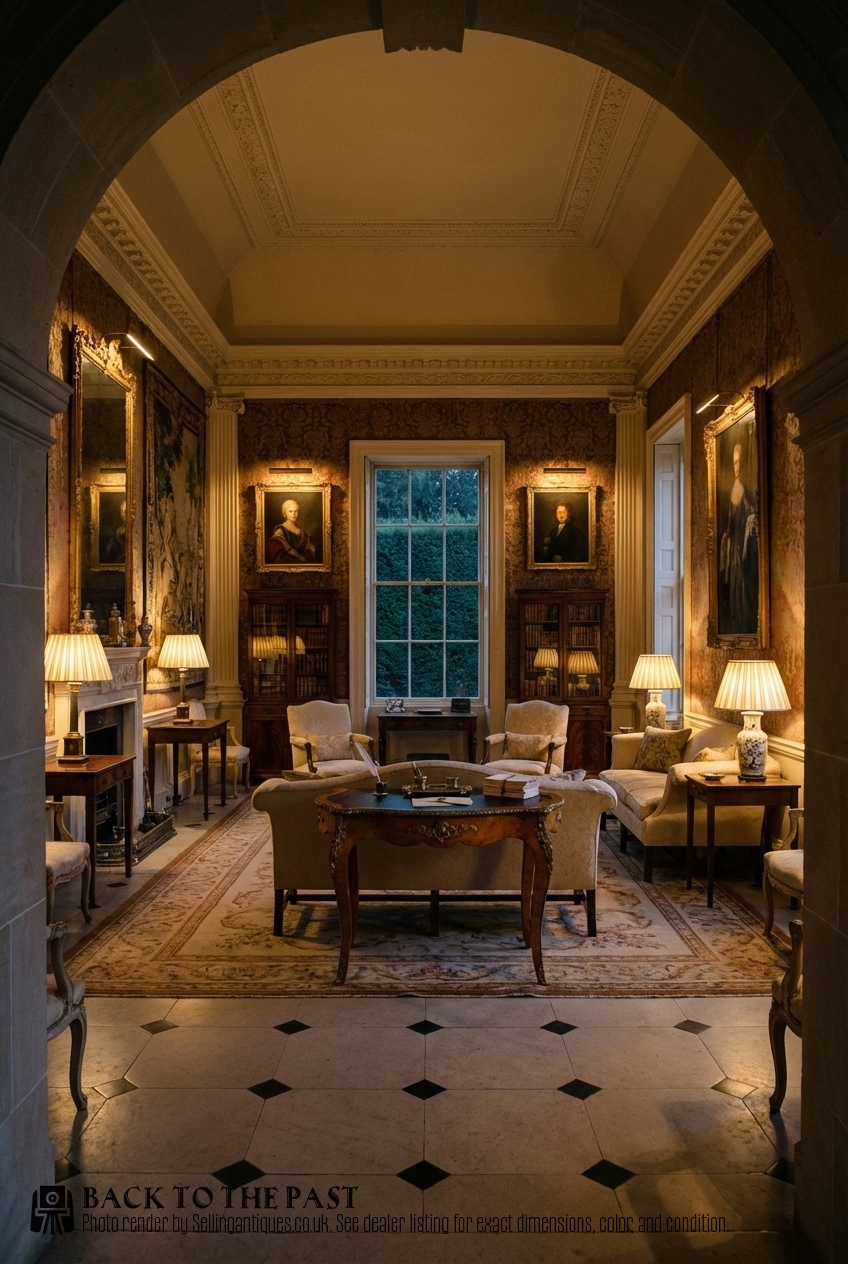
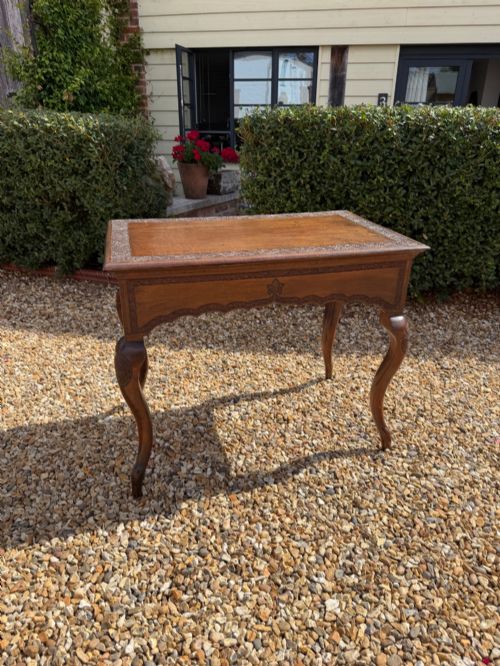
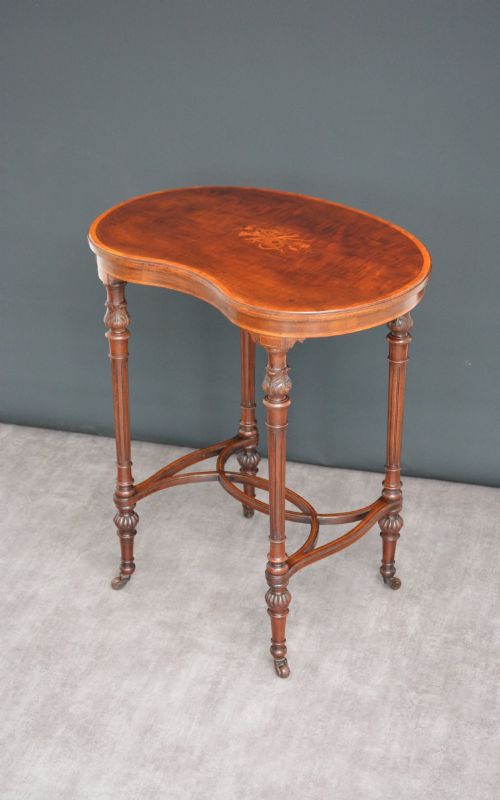
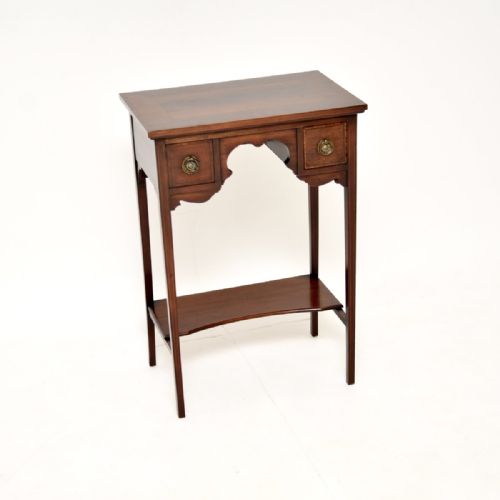
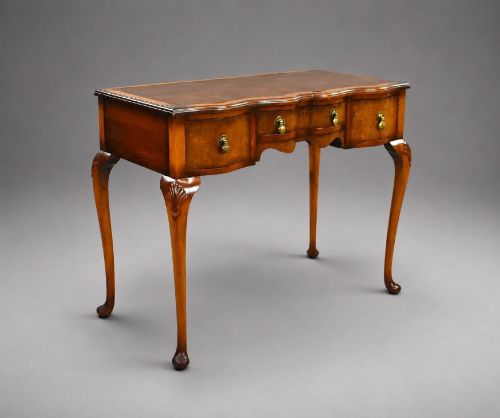
19th-century Walnut Writing Table, 19th Century
Priced at £1,495 from Shackladys Antiques
Antique writing tables emerged when personal letters became a regular habit for the educated classes.
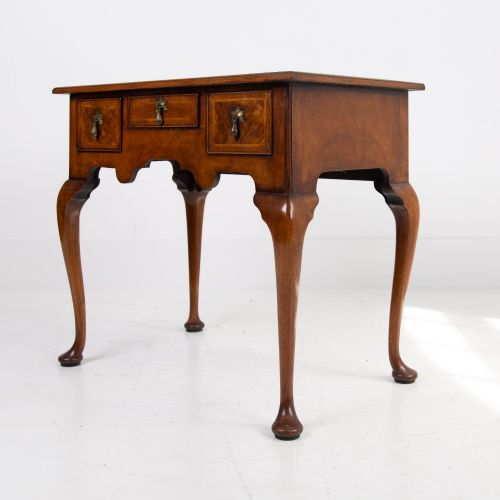
Look at early eighteenth-century examples to see how they incorporate a central kneehole gap and flanking banks of shallow drawers to store correspondence materials.
Kept mainly in private drawing rooms, these specific tables rarely sat in formal public spaces.
By the Georgian era, they sat in the centre of the room, meant to be viewed from all sides.
The penny post arrived in 1840. This shifted letter writing from an aristocratic pastime to a daily chore for merchants, driving demand for practical desks.
Thomas Chippendale supplied fine mahogany writing tables to his aristocratic clients during the mid-eighteenth century.
Gillows of Lancaster stamped many of their pieces on the drawer edges in the early nineteenth century.
London cabinetmakers like Holland and Sons produced heavily carved examples for the Victorian trade.
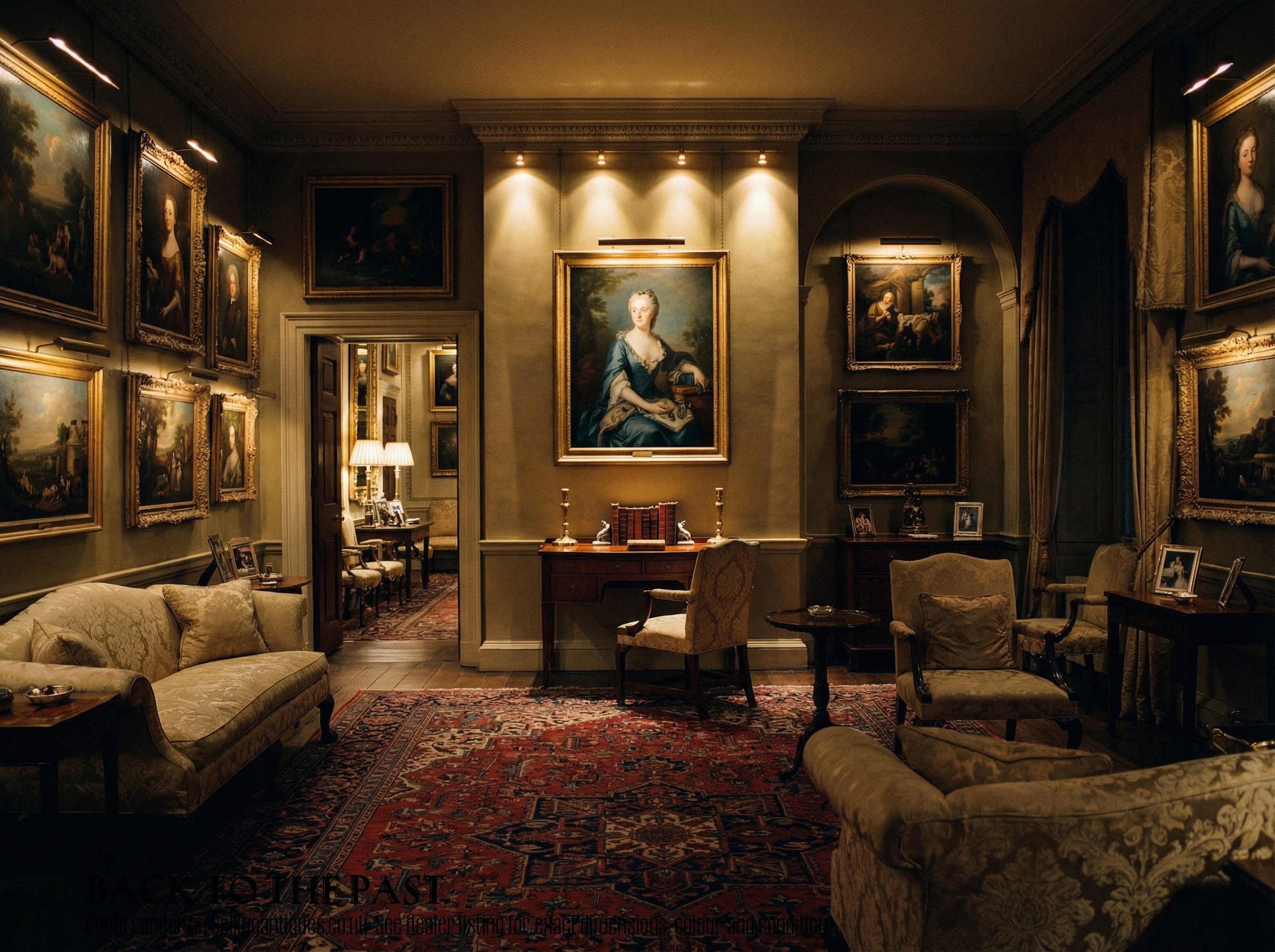
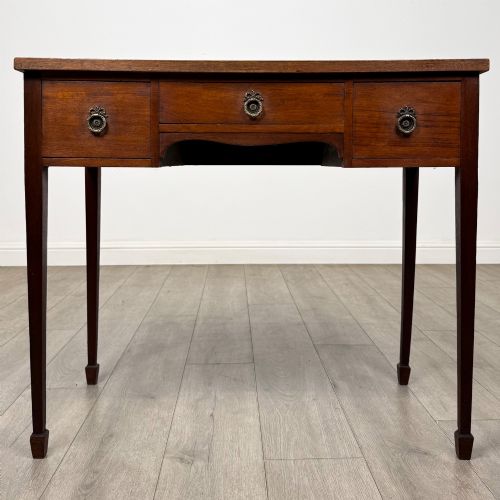
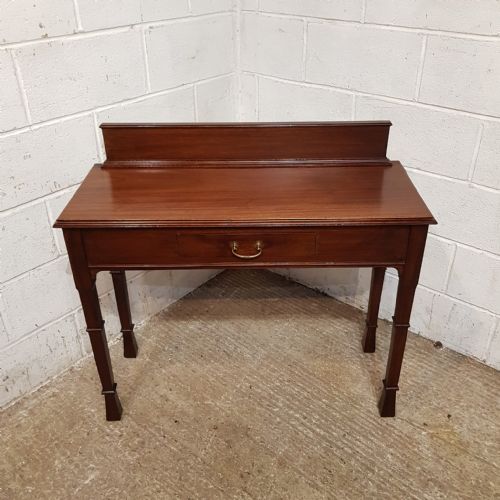
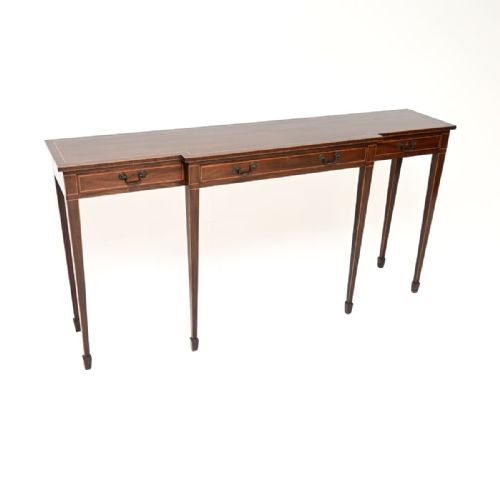
Mahogany Writing Table, 1910
Priced at £795 from Shackladys Antiques
The 2026 retail price guide for Antique Writing Tables is drawn from a proprietary archive of over 1.1 million retail prices indexed by Sellingantiques since 2003. This guide relies exclusively on their own internal data; no external sources or auction records are used.
Analysing nearly 25 years of UK antique market history alongside current retail values, the data indicates that typical UK retail prices for Antique Writing Tables range between £600 and £3,800. Entry-level prices generally fall under £600 and premium examples upwards of £3,800.
A blind-tooled or gold-tooled leather writing surface, also known as a skiver, covers the central section.
Frieze drawers hang directly below the top surface, providing just enough depth for inkwells and paper.
Most sit on four turned or tapering legs terminating in brass castors to allow easy movement over heavy carpets.
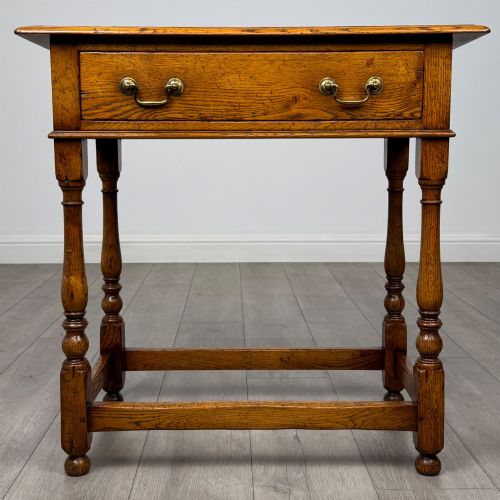
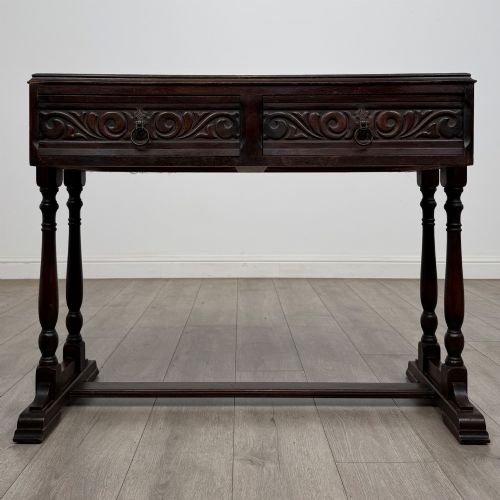
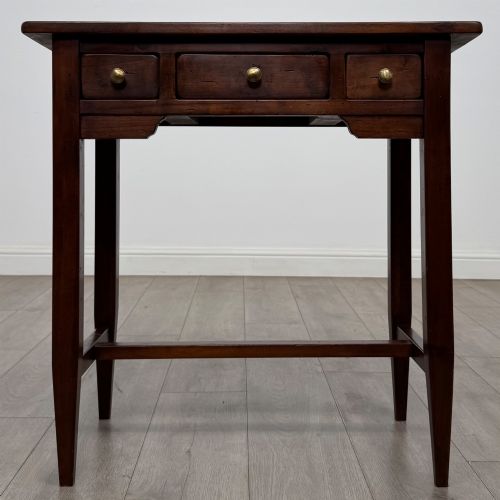
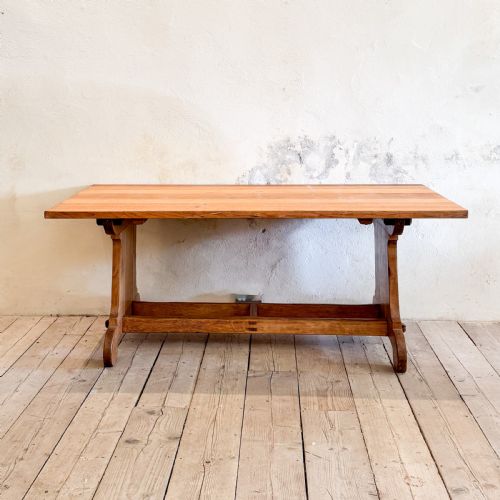
Victorian Oak Green Man Table, Victorian
Priced at £650 from Sinclairs Antiques and Interiors
Traditional hand-cut dovetails join the drawer fronts to the sides. This method relies on physical wedges holding the timber together rather than modern adhesives.
Frame and panel construction kept large sections of solid wood from splitting as humidity changed throughout the year.
Look underneath at the glue blocks reinforcing the internal right angles where the legs meet the main carcase.
"False drawers often balance the visual symmetry on the back face of a freestanding desk."
"Hidden compartments sometimes sit behind the main drawers for storing personal seals and wax."
"Some examples feature a ratchet mechanism under the top to elevate the writing surface into a reading slope."
Based on almost 25 years of Sellingantiques UK antique market data, Antique Writing Tables appeared 11640 times (out of 1,100,000 antiques) which gives it a rarity score of 10/100.
This score measures scarcity within the Sellingantiques archive only and is not a survey of the entire antiques market, so these statistics may not be indicative of the general availability of Antique Writing Tables elsewhere.
Yes. Leather skivers are wear items. They degrade over time through spilled ink and physical friction from quills and pens.
Replacing a torn skiver is standard practice and keeps the piece usable. Bookbinders or specialist restorers tool new leather to match the period style.
Those brass fittings are called castors. They consist of a metal cup housing a small wheel. They spread the weight of the furniture.
Cabinetmakers fitted them so servants could roll heavy pieces out of the way for cleaning or reposition them closer to the fireplace for warmth.
Stick to a dry lint-free cloth for daily dust.
Once or twice a year, apply a thin coat of traditional beeswax polish. Rub it in lightly and buff it off a few minutes later.
Drawer runners wear down after decades of timber rubbing against timber. The carcase might also shift slightly out of square, causing the sides to bind when you pull the handle.
Rubbing a simple wax candle along the bottom edges of the drawer can reduce friction. If it still sticks, a cabinetmaker may need to build up the worn runners with matching timber to restore the proper fit.
Please note: This Antique Writing Tables guide and its associated pricing data are provided for general informational purposes only. It does not constitute formal financial, investment, or appraisal advice and should not be relied upon as the sole basis for any commercial activity, purchasing, or sales decisions. Sellingantiques.co.uk accepts no liability for any actions taken in reliance on this information. Always consult with a qualified professional or independent appraiser.
