
A 2026 Guide by Sellingantiques
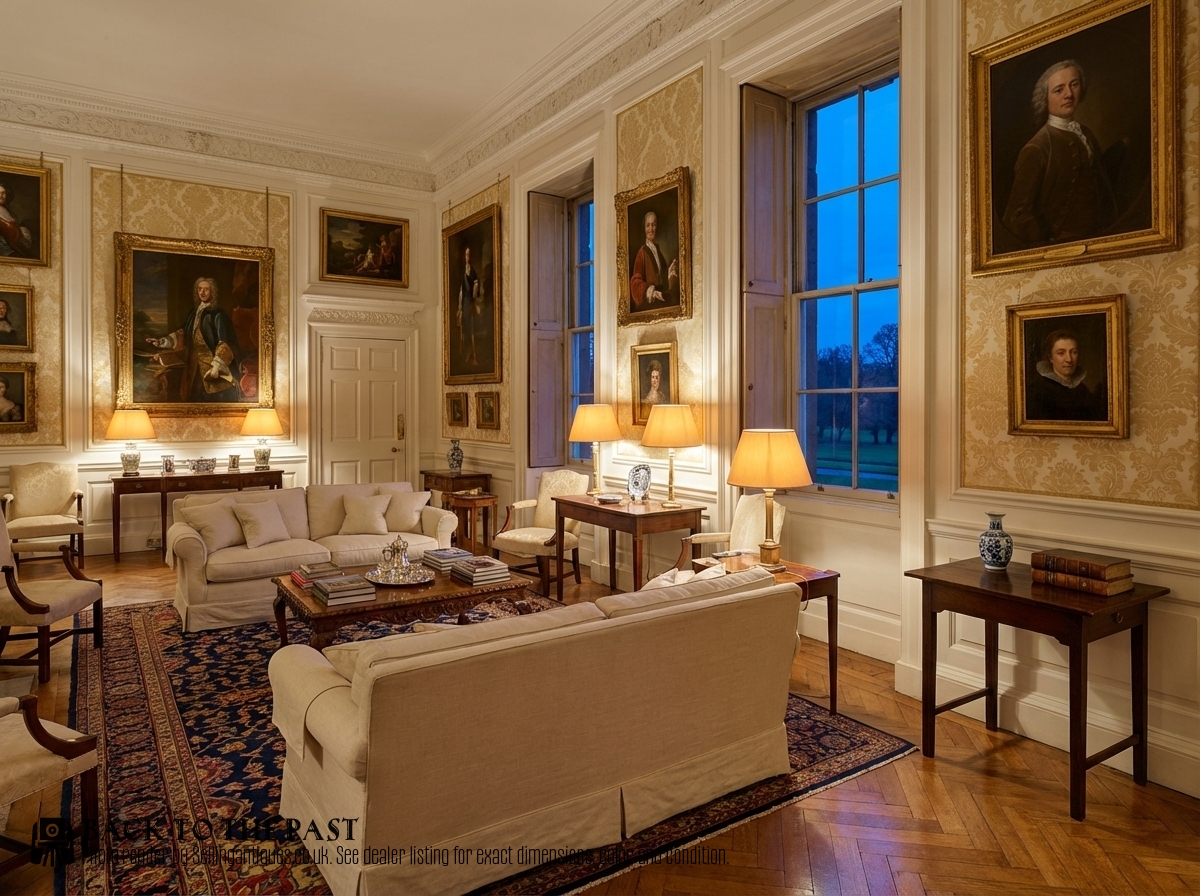
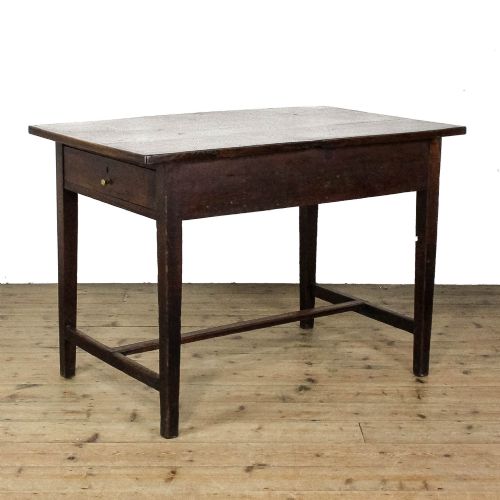
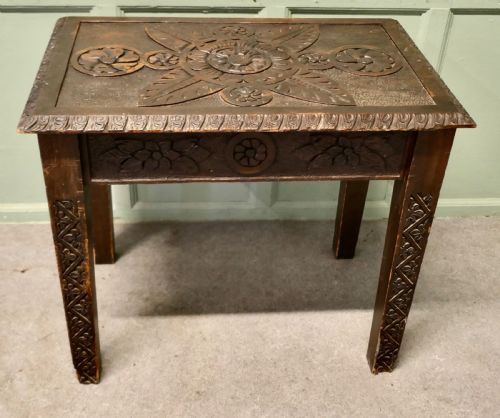
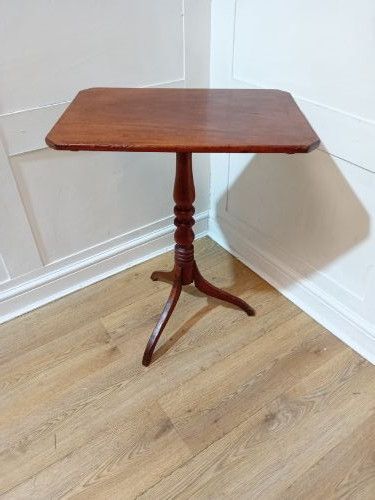
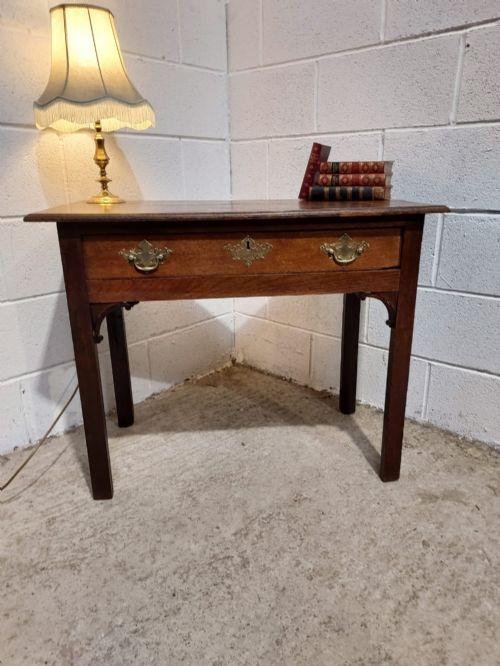
Small 18th Century Oak Table, 18th Century
Priced at £680 from Elaine Phillips Antiques Ltd
Originally found in the great halls of large estates and monasteries.
Most surviving antique oak tables date from the late sixteenth through the eighteenth centuries, when domestic architecture slowly evolved to include dedicated rooms for dining apart from the main hall.
Look at the size. Long refectory forms were scaled for communal feasting, accommodating dozens of people before changing domestic habits favoured smaller gatherings.
Wealthier households gradually moved towards smaller gateleg designs as dining habits changed during the late seventeenth century.
Documented names are rare in this early period of furniture making.
Provincial joiners working within local guild traditions produced most antique oak tables.
Stylistic differences like regional carving patterns help pin down origins to specific counties rather than individual workshops, allowing dealers to identify distinct traditions from Yorkshire or the West Country.
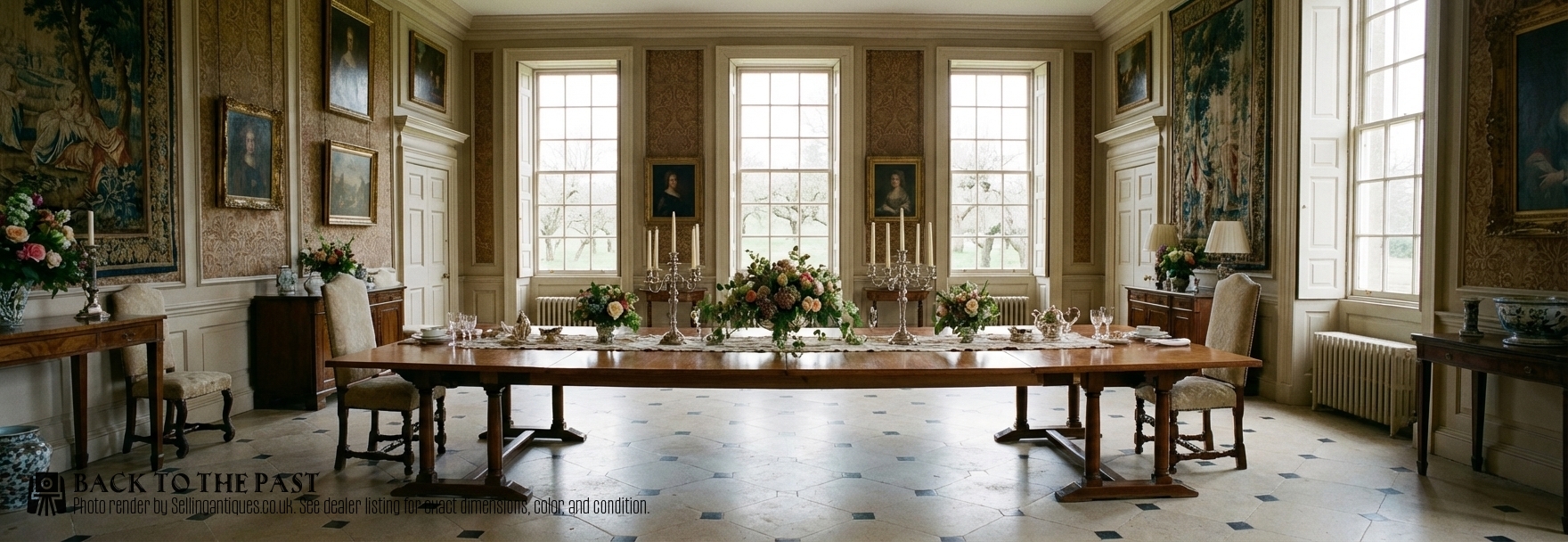
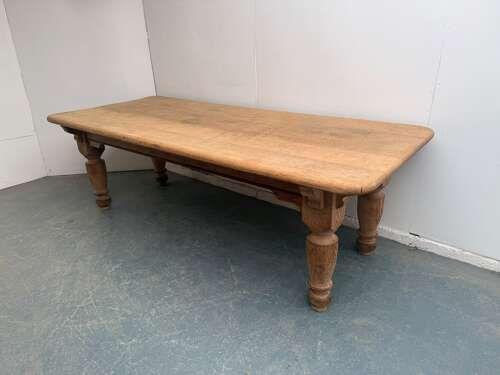
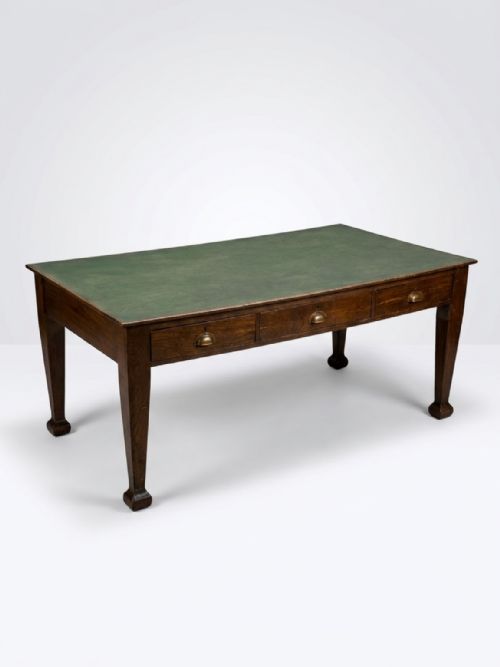
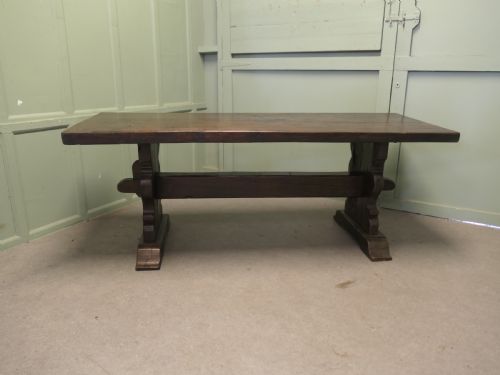
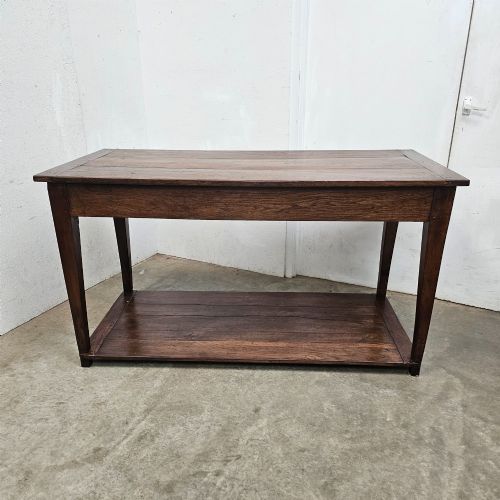
30 Seater Oak Banqueting Table, Arts & Crafts Boardroom Table, 1920
Priced at £9,600 from Elmgarden
The 2026 retail price guide for Antique Oak Tables is drawn from a proprietary archive of over 1.1 million retail prices indexed by Sellingantiques since 2003. This guide relies exclusively on their own internal data; no external sources or auction records are used.
Analysing nearly 25 years of UK antique market history alongside current retail values, the data indicates that typical UK retail prices for Antique Oak Tables range between £400 and £2,500. Entry-level prices generally fall under £400 and premium examples upwards of £2,500.
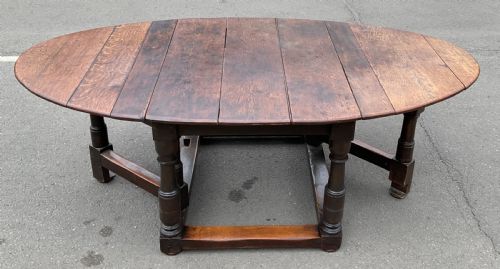
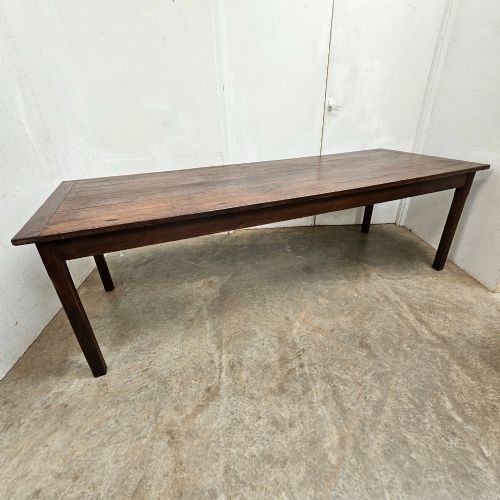
Massive plank tops form the main working or dining surface.
Low stretchers connect the legs near the floor, providing structural stability to the heavy frame.
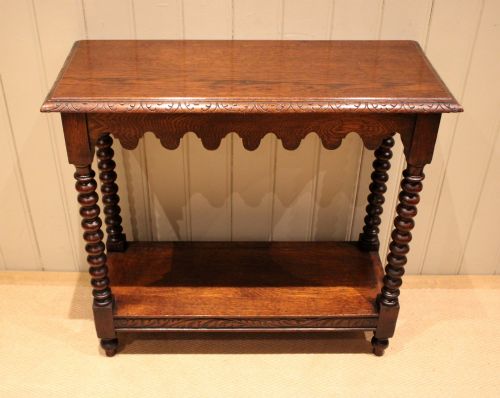
Look for elaborate turning on the legs. Bulbous cup-and-cover motifs often appear on late Tudor and Jacobean pieces.

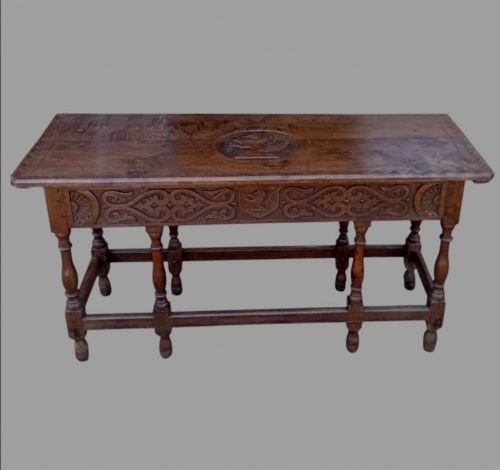
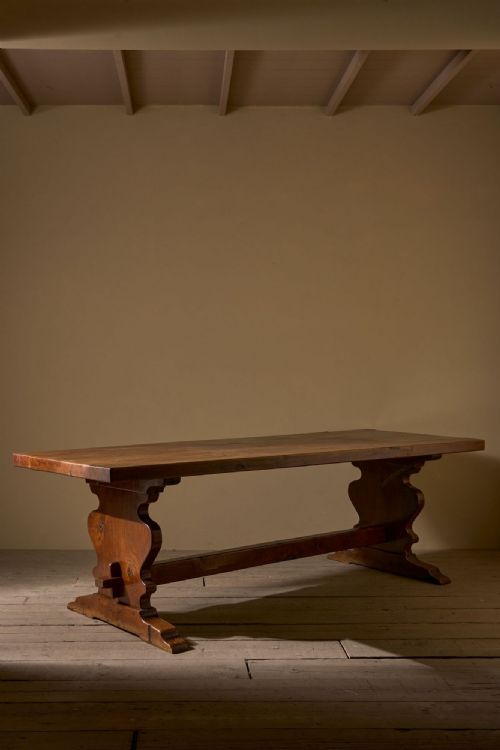
Large 17th Century Oak Refectory Table.
kitchen/dining., 17th Century
Priced at £8,900 from Dickinsons Antiques
Early joiners split oak logs along the grain to create boards, known as riven timber.
Examine the underside. Saw marks reveal the transition from pit saws to water-powered mills in later centuries.
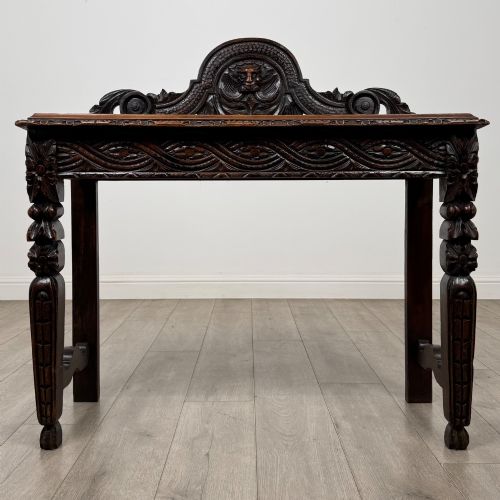
Gouge carving along the frieze rails demonstrates the direct approach of seventeenth-century decoration.
"The term refectory table was actually coined by Victorian dealers rather than the original makers."
"Deep carving on the rails caught the shifting light from central hearths and candles in dark halls."
"Notice the varying leg thickness. Turners shaped these directly by eye on a pole lathe without templates, leading to subtle variations across a single frame."
Based on almost 25 years of Sellingantiques UK antique market data, Antique Oak Tables appeared 21091 times (out of 1,100,000 antiques) which gives it a rarity score of 1/100.
This score measures scarcity within the Sellingantiques archive only and is not a survey of the entire antiques market, so these statistics may not be indicative of the general availability of Antique Oak Tables elsewhere.
Expect them to be substantial. A standard six-foot joined table needs two strong people to move it comfortably.
The density of mature oak combined with thick framing makes them heavier than modern equivalents. Moving them requires care so you don't strain the ancient leg joints.
Most antique oak tables carry centuries of wax polishing rather than bare untreated wood. This hardened wax layer provides a decent barrier against casual spills if wiped up promptly.
Water left standing will eventually leave white rings on the surface. Heat is another risk, so using mats under hot dishes isn't a bad idea for daily dining.
Antique dealers often pair them with oak chairs from the same period. Ladder-back designs with rush seats sit well alongside the heavy frames.
They're substantial pieces. The thick timber can anchor modern upholstered chairs nicely too.
The weight of the carcase usually helps settle it into place over time. Some give in the ancient peg joints allows the frame to flex slightly to accommodate minor floor variations.
If the rocking is severe, discreetly placing thin wooden shims or shaped cork under the floating legs solves the problem. Trimming the legs ruins the proportions.
Please note: This Antique Oak Tables guide and its associated pricing data are provided for general informational purposes only. It does not constitute formal financial, investment, or appraisal advice and should not be relied upon as the sole basis for any commercial activity, purchasing, or sales decisions. Sellingantiques.co.uk accepts no liability for any actions taken in reliance on this information. Always consult with a qualified professional or independent appraiser.
