


A 2026 Guide by Sellingantiques

Staffordshire Manxman Majolica Teapot, C. 1880., Victorian
Priced at £290 from Philip Carrol Antiques
Early examples came over with imported tea from China during the seventeenth century.
European potters struggled to replicate hard-paste porcelain for several decades.
Look at the overall size of early antique teapots. They are quite small because tea was an expensive luxury good.
Silver shapes often copied these imported ceramic forms before local silversmiths developed their own distinct styles suited to domestic households.
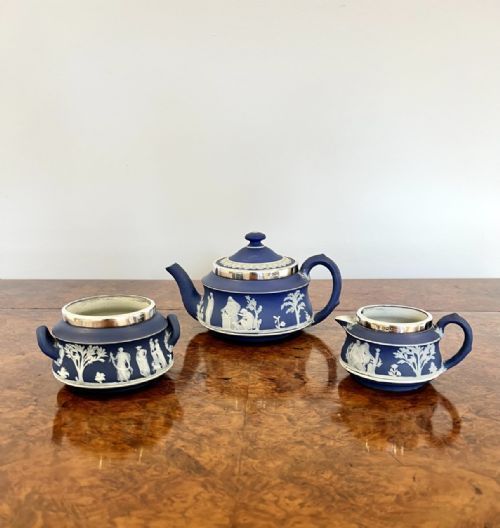
Josiah Wedgwood produced unglazed basalts and intricate jasperwares throughout the late eighteenth century.
Paul de Lamerie creating decorated silver teapots in early Georgian London.
Examine Meissen pieces for early European hard-paste porcelain forms. They dominated the Continental trade before rival factories caught up.
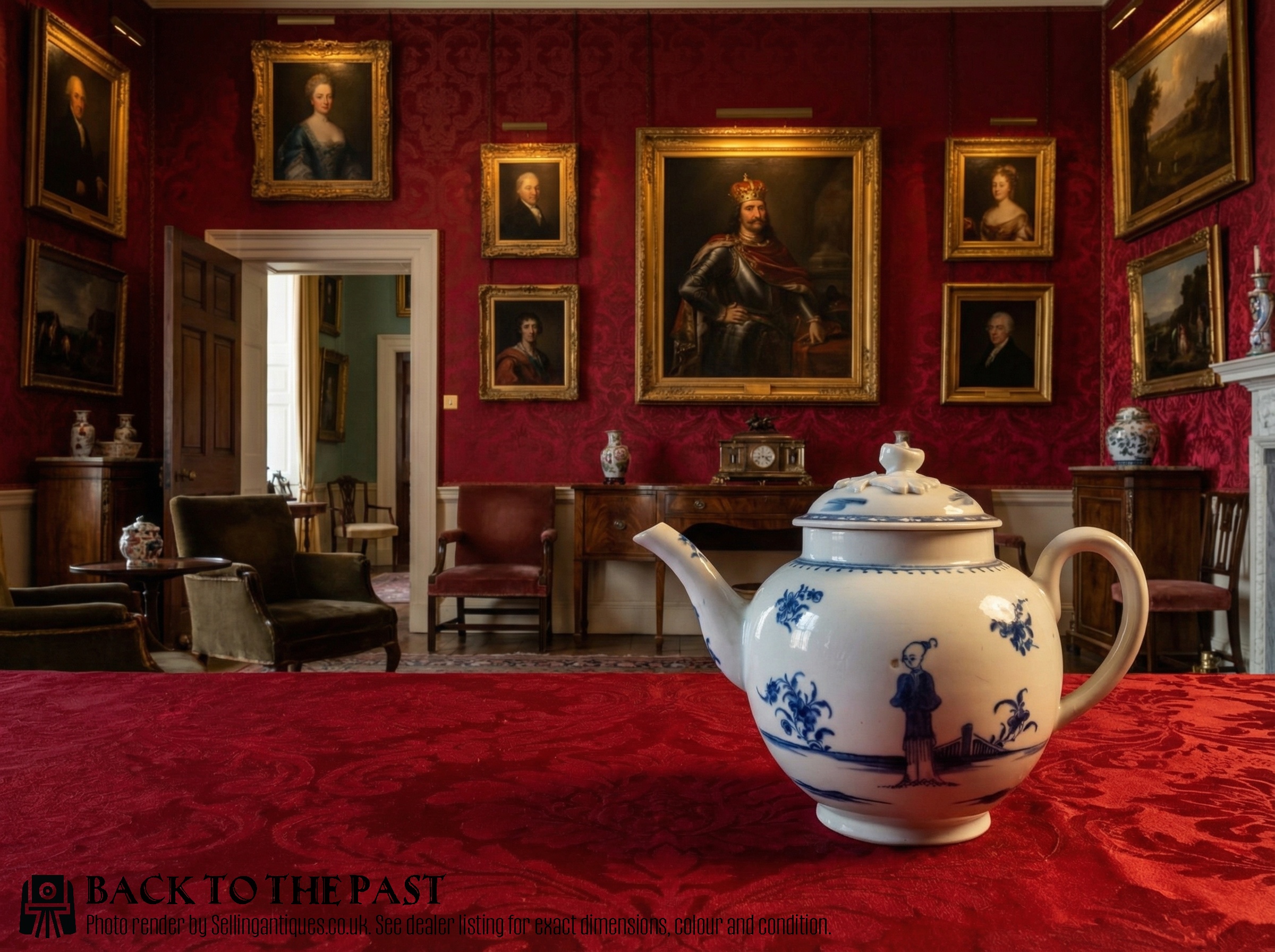
First Period Worcester Porcelain 'Waiting Chinaman' Teapot & Cover, 18th Century
Priced at £400 from Treaders Collectables
The 2026 retail price guide for Antique Teapots is drawn from a proprietary archive of over 1.1 million retail prices indexed by Sellingantiques since 2003. This guide relies exclusively on their own internal data; no external sources or auction records are used.
Analysing nearly 25 years of UK antique market history alongside current retail values, the data indicates that typical UK retail prices for Antique Teapots range between £300 and £1,800. Entry-level prices generally fall under £300 and premium examples upwards of £1,800.
Spouts contain an internal strainer of pierced holes where they meet the main body.
A small steam hole pierced directly through the lid or upper shoulder to aid pouring.
Notice the finial on top of the cover. These vary from simple cast knobs to modelled flowers.
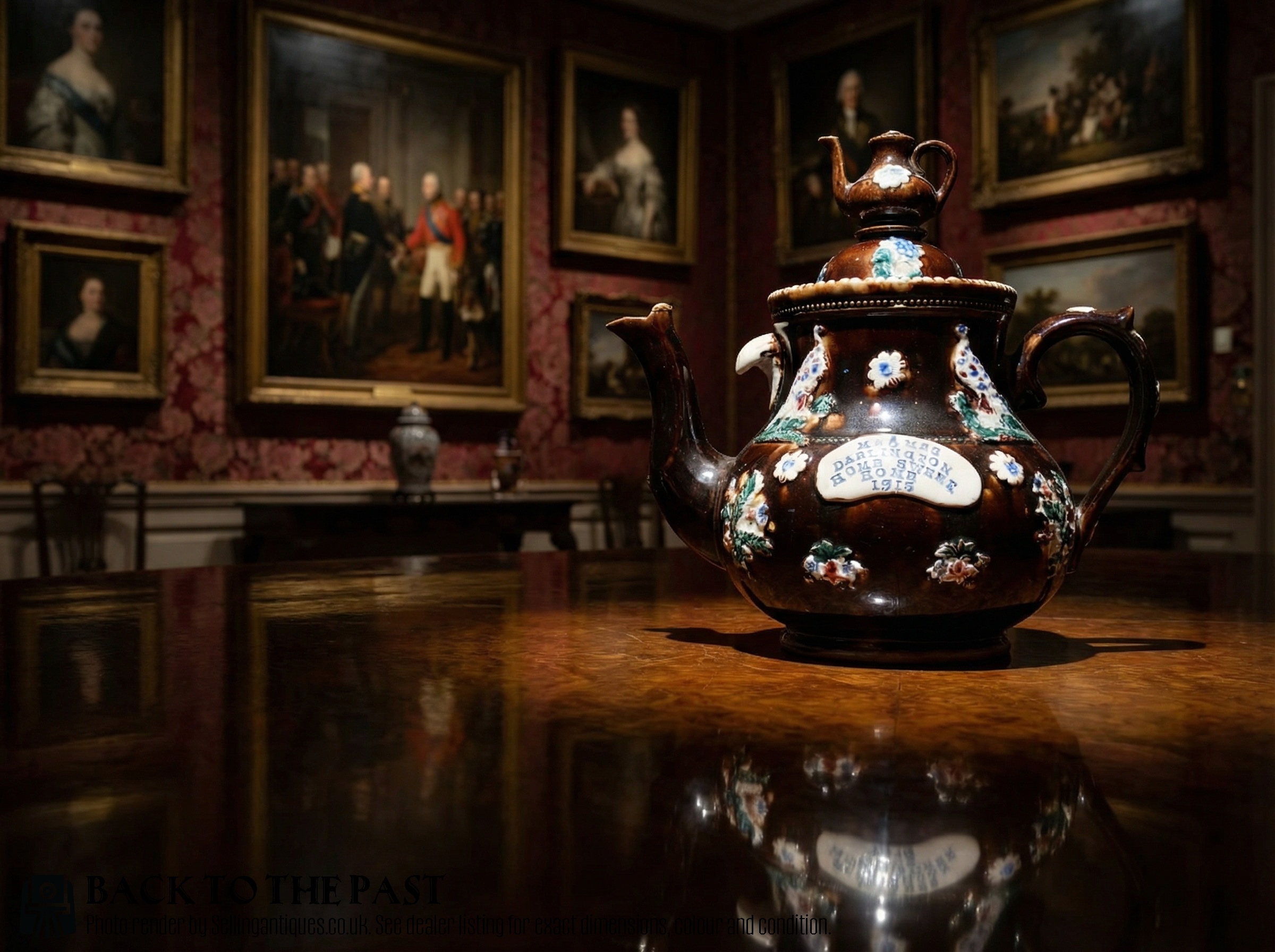
Large Unusual Antique Tea Pot, 1910
Priced at £425 from Unique Antiques by Emma Jade
Ceramic bodies were either thrown on a rotating wheel or pressed into plaster moulds.
Raising silver from a single flat metal sheet using hammers.
Look inside moulded antique teapots. You can often see the join seams left rough where the two halves meet.
"Certain early silver shapes were built octagonally to add structural strength without needing thicker metal."
"Turn the lid over. Many have deep inner flanges designed to prevent them falling during a steep pour."
"Glazed interiors on early wares stopped tea oils soaking into porous walls."
Based on almost 25 years of Sellingantiques UK antique market data, Antique Teapots appeared 1972 times (out of 1,100,000 antiques) which gives it a rarity score of 67/100.
This score measures scarcity within the Sellingantiques archive only and is not a survey of the entire antiques market, so these statistics may not be indicative of the general availability of Antique Teapots elsewhere.
Soaking the interior with warm water and baking soda loosens most dark tea stains. Leave it overnight and rinse well the next morning.
Abrasive scrubbers damage the inner glaze. Once the surface gets scratched, tea tannins build up much faster during future use.
Keep silver enclosed when you aren't using it. Exposure to air and damp causes the metal to tarnish rapidly.
Wrap the piece in acid-free tissue and place it inside a soft cloth bag. Storing it in a dry cupboard cuts down the polishing time.
Metal conducts heat rapidly. Solid metal handles become hot during use.
Hardwoods act as thermal insulators. Makers pinned these sections into metal sockets attached to the main body.
That hole lets air into the pot as the liquid leaves. Without it, a vacuum forms inside the body.
The vacuum makes the tea splash out of the spout. The steam hole ensures a smooth, steady flow into the cup.
Please note: This Antique Teapots guide and its associated pricing data are provided for general informational purposes only. It does not constitute formal financial, investment, or appraisal advice and should not be relied upon as the sole basis for any commercial activity, purchasing, or sales decisions. Sellingantiques.co.uk accepts no liability for any actions taken in reliance on this information. Always consult with a qualified professional or independent appraiser.
