
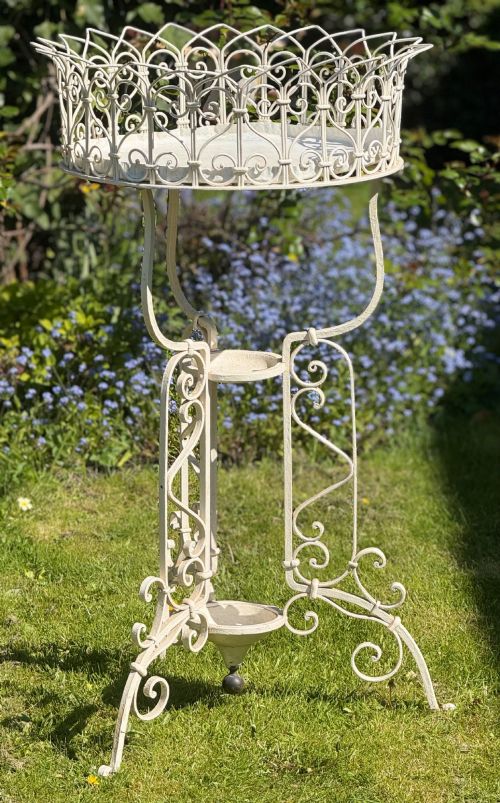


A 2026 Guide by Sellingantiques
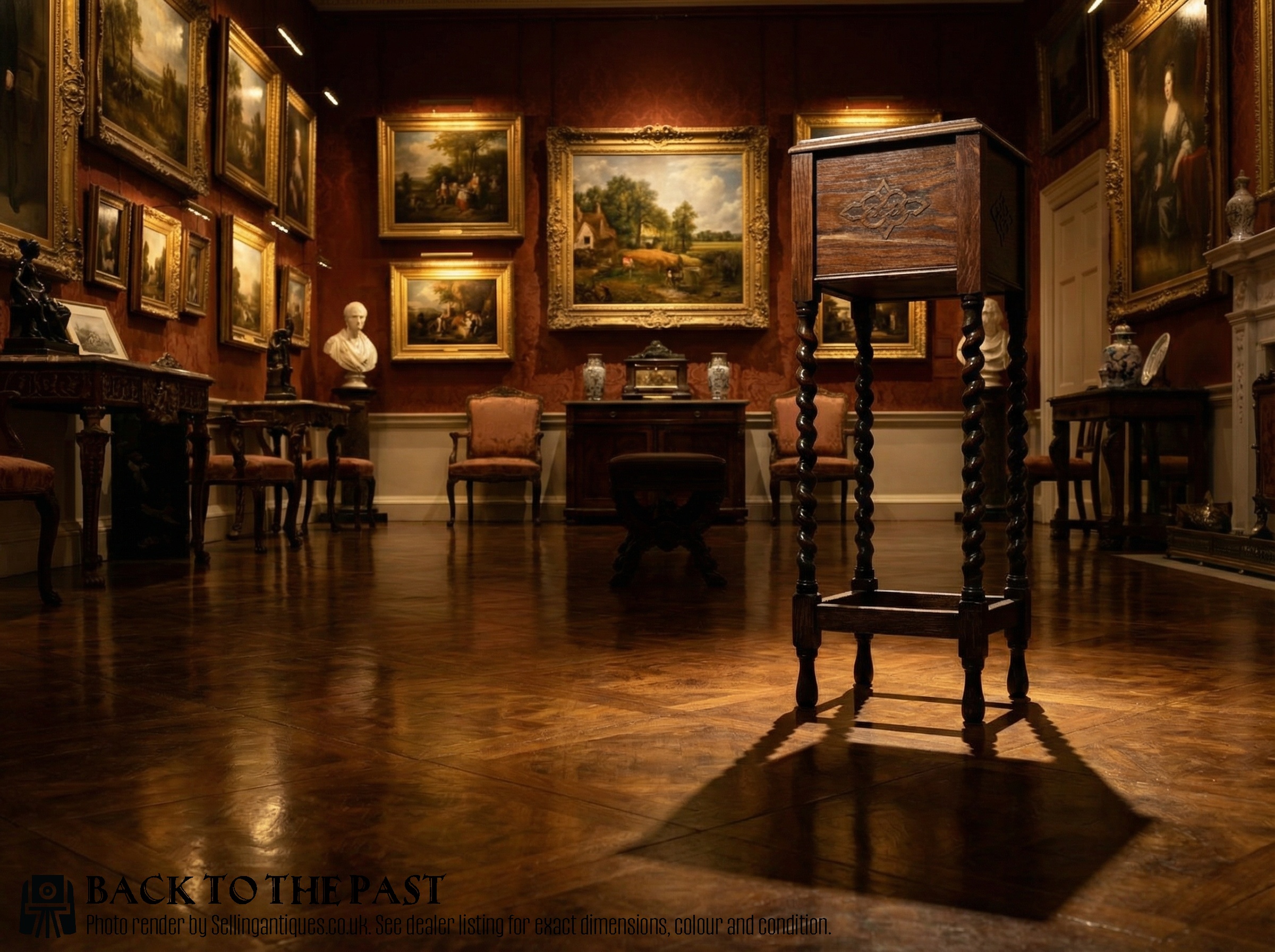
Oak Barley Twist Planter Jardinière, 19th Century
Priced at £594 from Elmgarden
The word originally meant a female gardener in French.
Wealthy homes needed something suitable to hold their exotic plants when indoor gardening became a status symbol in the late seventeenth century.
Floorboards rot quickly. These stands kept wet soil away from polished surfaces.
Look closely at Victorian models. The fern crazes pushed demand up, so rapid mass production filled nearly every middle-class parlour across the country.
Always check the scale. Large examples were built specifically to dominate entrance halls.
Minton produced large numbers of brightly glazed ceramic majolica examples for retail.
François Linke made ornate ormolu-mounted stands in Paris around the turn of the twentieth century, catering to a wealthy international clientele.
Most wooden stands lack maker's marks. The regional furniture trade turned them out by the thousand.
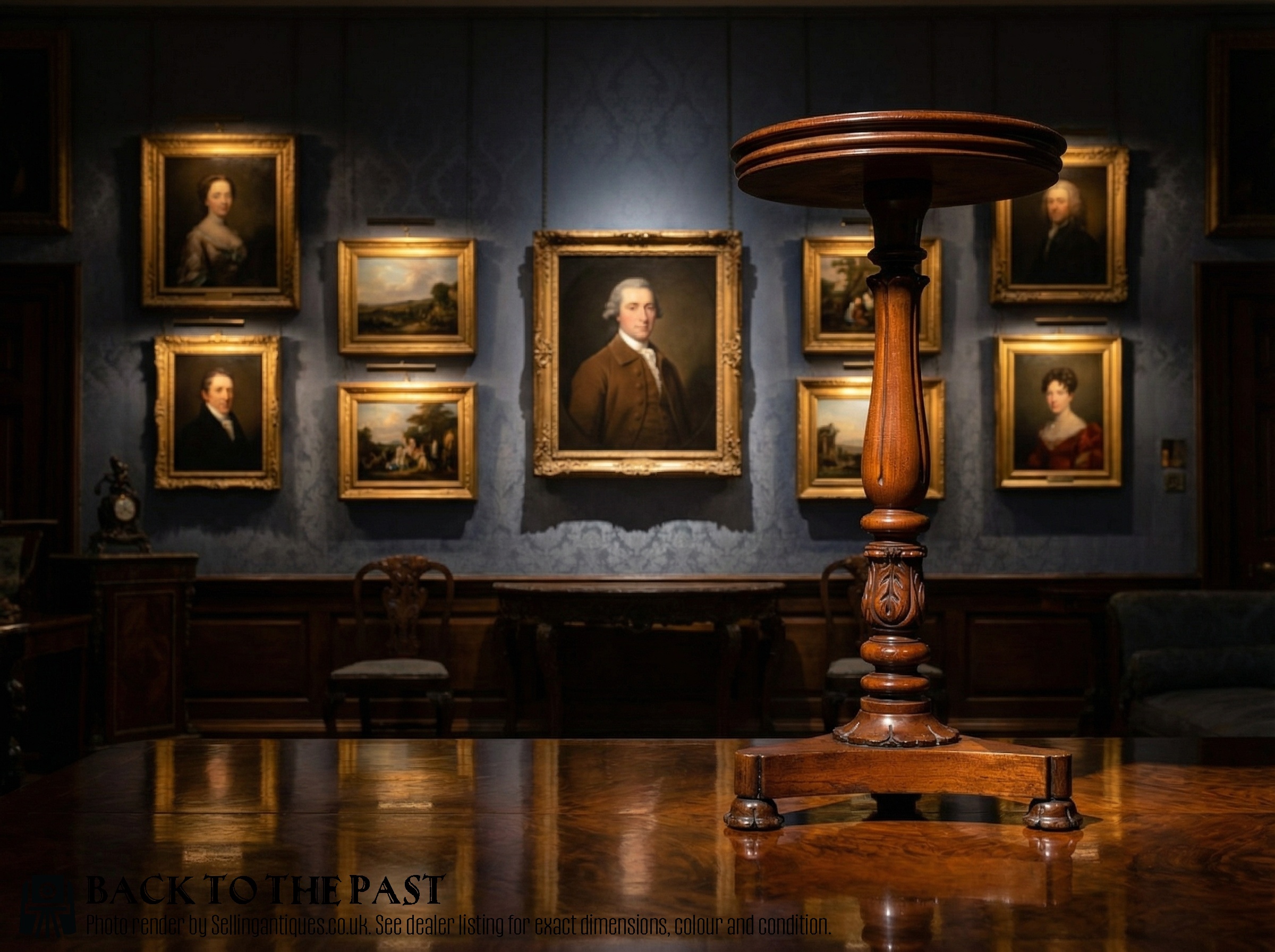
Antique Jardiniere Stand, English, Walnut, Marble, Planter Table, William IV, Georgian
Priced at £1,395 from London Fine Antiques
The 2026 retail price guide for Antique Jardinieres is drawn from a proprietary archive of over 1.1 million retail prices indexed by Sellingantiques since 2003. This guide relies exclusively on their own internal data; no external sources or auction records are used.
Analysing nearly 25 years of UK antique market history alongside current retail values, the data indicates that typical UK retail prices for Antique Jardinieres range between £300 and £2,000. Entry-level prices generally fall under £300 and premium examples upwards of £2,000.
A removable metal liner remains the essential requirement for any working stand.
Splayed legs give taller wooden models extra stability. A damp pot requires a wide footprint to stop it toppling over when someone brushes past.
Look for handles on the sides. Cast brass rings made moving these heavy planters much easier.
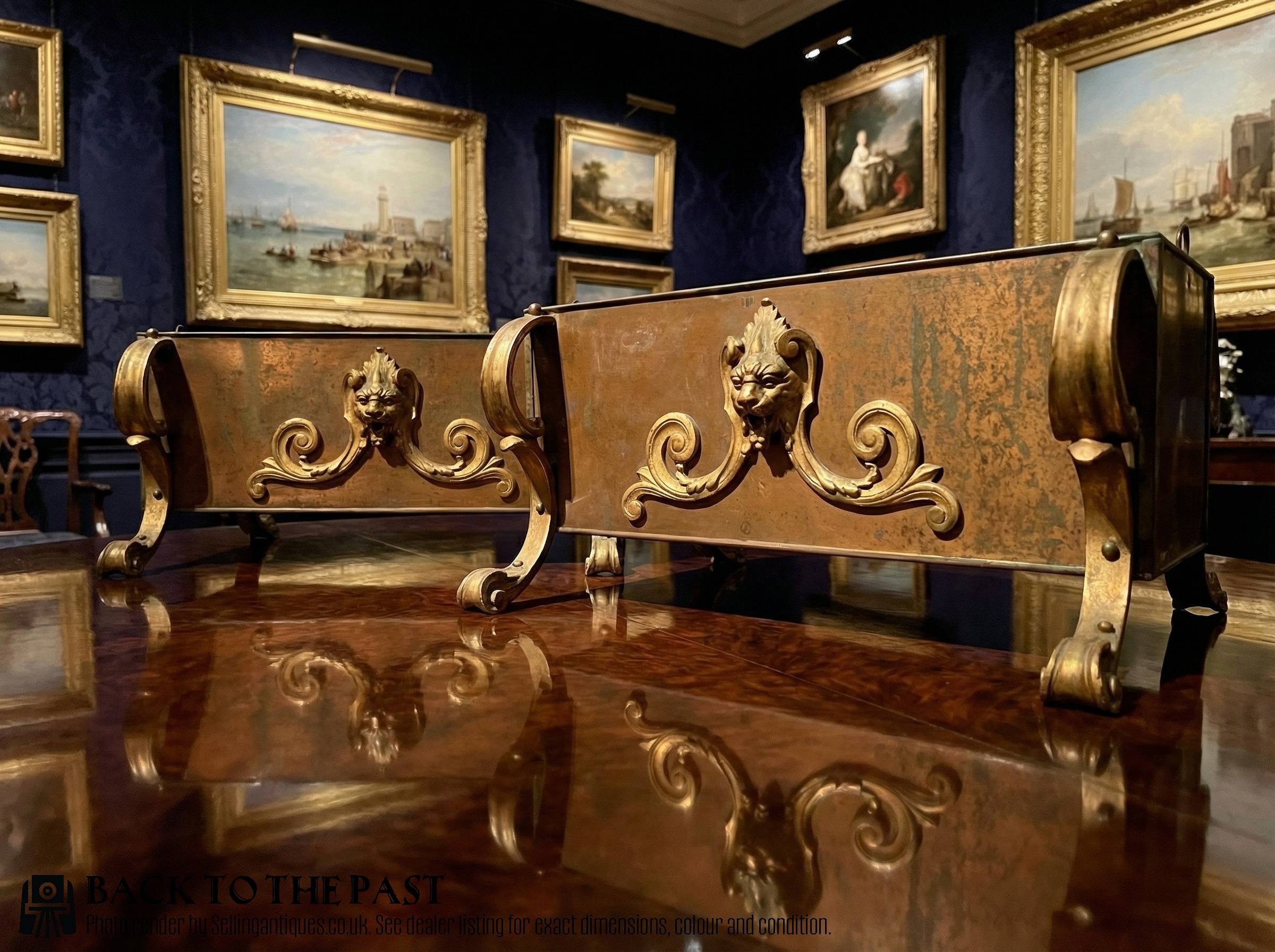
A French Pair of Bronze Lion Jardinieres, 1890
Priced at £795 from O'Keeffe Antiques
Early wooden versions rely on traditional mortise and tenon joints to prevent frame warping.
Tripod bases are common on Georgian pieces. A turned central column supports a wide bowl carved directly from blocks of solid timber.
Inspect the metal mounts. French nineteenth-century stands often use pinned cast bronze fittings to cleverly hide the complex structural joints underneath the decorative gilt finish.
"They often doubled as wine coolers to hold ice and heavy bottles."
"Many ceramic stands were sold with matching tall pedestals. The combined set displays a trailing fern at the right viewing height for a parlour."
"Some wooden models have a fitted flat lid. Put the lid back on and it becomes a table."
Based on almost 25 years of Sellingantiques UK antique market data, Antique Jardinieres appeared 2680 times (out of 1,100,000 antiques) which gives it a rarity score of 59/100.
This score measures scarcity within the Sellingantiques archive only and is not a survey of the entire antiques market, so these statistics may not be indicative of the general availability of Antique Jardinieres elsewhere.
Most people put ordinary plastic plant pots straight into the zinc liner. It acts as a large saucer to catch the overflow when you water them.
Historically, they often held damp sphagnum moss. You would pack the moss around the individual clay pots to keep the roots cool and humid.
You should never put soil directly into a wooden jardiniere anyway. They were always designed to hold separate pots rather than acting as planters themselves.
Without the liner, just use a large waterproof saucer sitting on the wooden base. As long as it catches the drips, the timber will stay safe.
A large majolica jardiniere with its matching pedestal can easily weigh over thirty kilograms before you add any plants.
They take quite a bit of effort to move around once situated.
Tall Edwardian stands with splayed legs are easy to tip over. A heavy fern on top changes the centre of gravity and makes them unstable on deep carpets.
Keep to smaller plants for the tall delicate ones. If you have a large fern, look for a low, wide model with a heavy base instead.
Please note: This Antique Jardinieres guide and its associated pricing data are provided for general informational purposes only. It does not constitute formal financial, investment, or appraisal advice and should not be relied upon as the sole basis for any commercial activity, purchasing, or sales decisions. Sellingantiques.co.uk accepts no liability for any actions taken in reliance on this information. Always consult with a qualified professional or independent appraiser.
