

A 2026 Guide by Sellingantiques

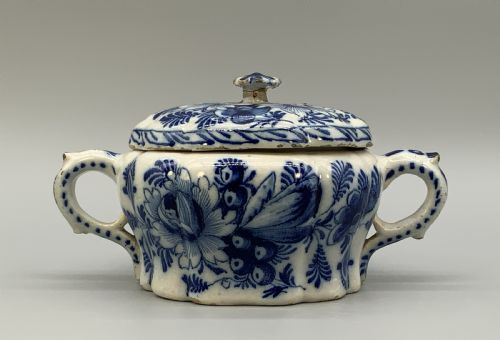
Exquisite 18thc Dutch Delft Faience Espresso Coffee Pot Manganese & Polychrome, 18th Century
Priced at £265 from Artsonline
Potters in seventeenth-century Holland developed this tin-glazed pottery to meet sudden demand when imports of Ming porcelain stopped.
The style quickly crossed the water. British factories in London, Bristol, and Liverpool started producing their own English delftware soon after.
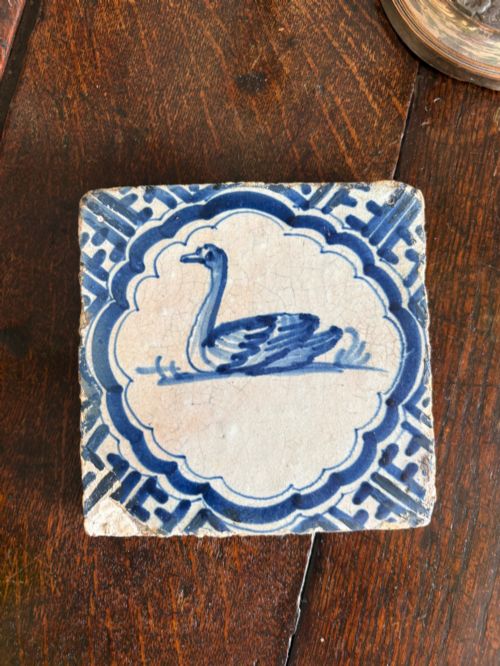
Tiles became a large part of the industry. Households used them to protect skirting boards from damp floors while adding decoration.
Look at the painted scenes to see shifts in taste. Early pieces copy Chinese designs, while later ones show local landscapes or biblical stories.
Production eventually crashed. The invention of creamware by Josiah Wedgwood in the late eighteenth century offered a cheaper, tougher alternative.
De Metaale Pot operated in Delft during the late seventeenth century. Lambertus van Eenhoorn managed the factory and pushed for complex, ribbed shapes.
The Greek A was another major Dutch producer. Samuel van Eenhoorn ran it from 1674, specialising in quality blue and white wares for wealthy clients.
John Fazackerley worked in Liverpool around 1760. His name is linked to a specific palette of soft polychrome colours on English delft.

Superb 18thc Dutch Polychrome Delft Kneeling Bishop Candlestick Holder Figurine, 18th Century
Priced at £455 from Artsonline
The 2026 retail price guide for Antique Delft is drawn from a proprietary archive of over 1.1 million retail prices indexed by Sellingantiques since 2003. This guide relies exclusively on their own internal data; no external sources or auction records are used.
Analysing nearly 25 years of UK antique market history alongside current retail values, the data indicates that typical UK retail prices for Antique Delft range between £200 and £1,100. Entry-level prices generally fall under £200 and premium examples upwards of £1,100.
Notice the pinholes on the back of plates. These marks show where the piece rested on spurs inside the kiln during firing.
Brushstrokes sit suspended in the glaze. Painters applied colours directly to the unfired surface, meaning the pigment sank in immediately and could not be altered.
Crazing often runs across the white surface. A fine network of lines develops when the glaze shrinks differently to the clay body over time.
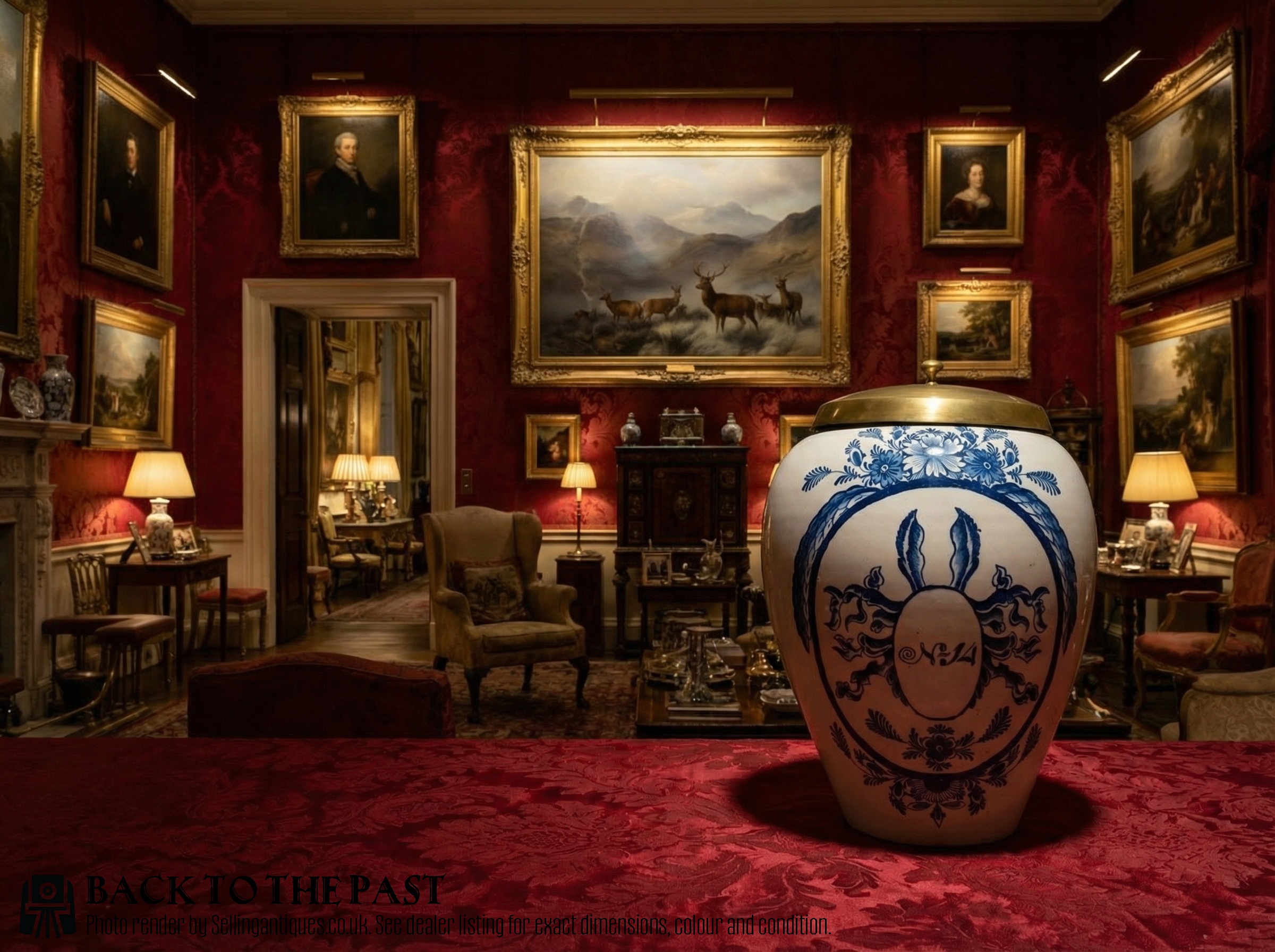
18th C Delft Jar, 18th Century
Priced at £550 from Mytton Antiques - Jerrard Nares
Potters threw hollow wares on a wheel. Flatwares like chargers were often draped over a convex mould to ensure a uniform shape.
Glazing required a quick, confident hand. The biscuit-fired clay was dipped into a vat of liquid tin glaze and dried rapidly.
Firing took place in large brick kilns. Workmen packed the fragile items into fireclay boxes called saggars to protect them from ash and direct flames.
"Many tiles were painted by children. The repetitive corner motifs required little skill and provided steady work for young apprentices learning the trade."
"Apothecary jars often have abbreviated Latin labels baked into the glaze. These specific vessels survived well because they sat safely on pharmacy shelves for decades."
"Some plates were purely for show. Families displayed them on high shelves or plate racks to demonstrate their status and good taste."
Based on almost 25 years of Sellingantiques UK antique market data, Antique Delft appeared 1997 times (out of 1,100,000 antiques) which gives it a rarity score of 67/100.
This score measures scarcity within the Sellingantiques archive only and is not a survey of the entire antiques market, so these statistics may not be indicative of the general availability of Antique Delft elsewhere.
Dusting with a soft brush is usually enough. If the dirt is stubborn, wipe the surface gently with a damp cotton cloth and dry it immediately.
Avoid soaking these. The porous clay body will absorb water through any chips or crazing in the glaze, which can cause the painted surface to flake off later.
Manganese oxide was a common alternative to cobalt. It produces a distinct purple tint when fired.
Potters frequently used manganese for biblical scenes on tiles.
Those three small marks are expected on period hollowware. They are peg marks, left behind by the clay supports that held the bowl up inside the kiln.
Without those supports, the wet glaze would have fused the bowl to the kiln shelf during firing. The marks are just a byproduct of the manufacturing process.
The traditional tin glaze does contain lead. While the firing process stabilises the surface, acidic foods can sometimes cause the metals to leach out over time.
Most dealers advise using early ceramics for display rather than dining. The glaze is also prone to chipping if subjected to modern cutlery.
Please note: This Antique Delft guide and its associated pricing data are provided for general informational purposes only. It does not constitute formal financial, investment, or appraisal advice and should not be relied upon as the sole basis for any commercial activity, purchasing, or sales decisions. Sellingantiques.co.uk accepts no liability for any actions taken in reliance on this information. Always consult with a qualified professional or independent appraiser.
