
There are no results to show on this page for that combination of filters:
Antique Cake Stands in London
A 2026 Guide by Sellingantiques
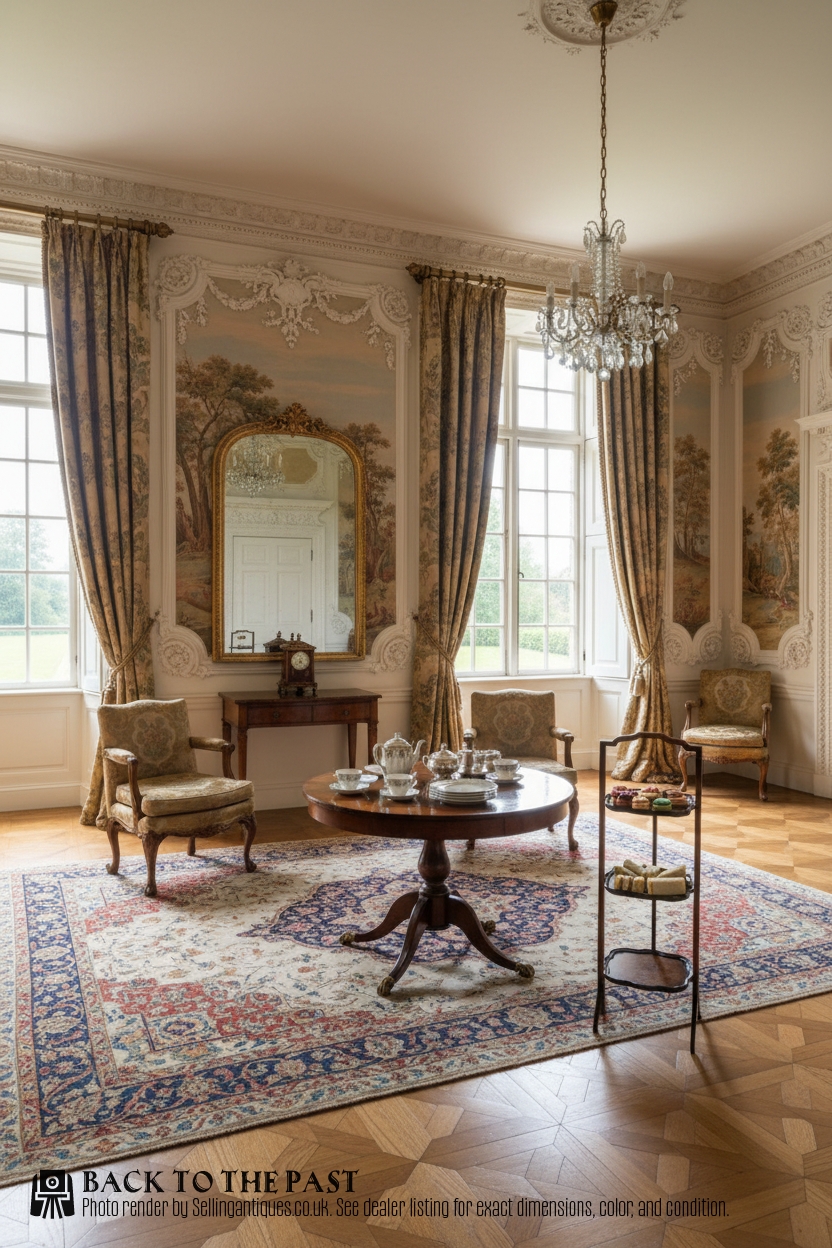
Antique Walnut Folding 3 Tier Cake Stand, 19th Century
Priced at £310 from London City Antiques
Afternoon tea became a daily ritual in the 1840s. Table space vanished fast once cups and teapots arrived.
The tiered antique cake stand solved this problem by building upwards instead of outwards.
Edwardian hostesses needed stands that staff could carry fully loaded from the kitchen with one hand.
Folding wooden versions appeared around the turn of the twentieth century. Easy to store away when the tea party finished.
Mappin & Webb produced silver-plated pedestal stands throughout the late nineteenth century.
Royal Doulton supplied the ceramic tiers for many brass-spindled antique cake stands.
Some Edwardian wooden folding examples carry brass trade labels underneath from retailers like Liberty & Co.
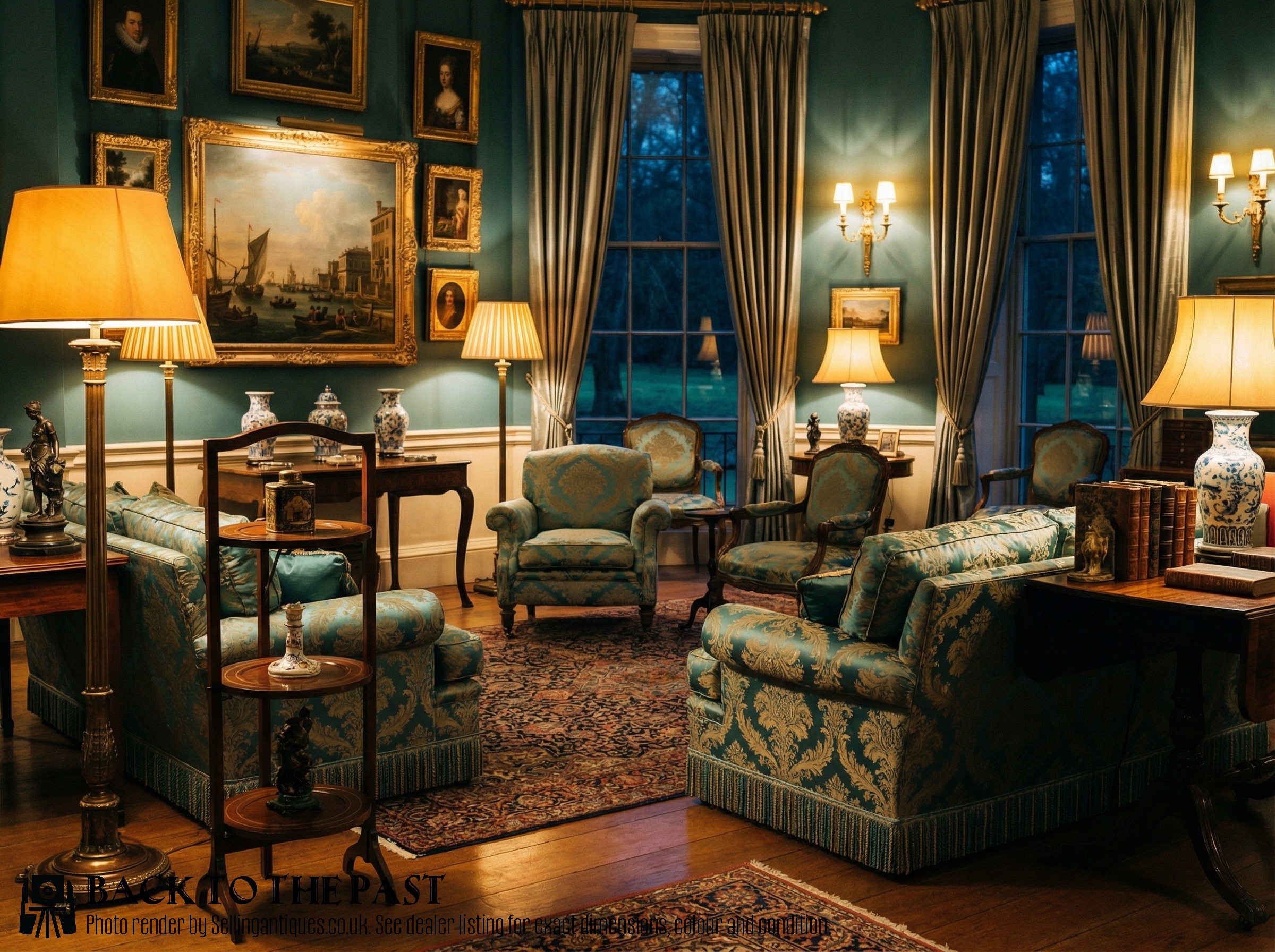
Antique Edwardian Mahogany Inlaid Folding Cake Stand, 1900
Priced at £345 from London City Antiques
The 2026 retail price guide for Antique Cake Stands is drawn from a proprietary archive of over 1.1 million retail prices indexed by Sellingantiques since 2003. This guide relies exclusively on their own internal data; no external sources or auction records are used.
Analysing nearly 25 years of UK antique market history alongside current retail values, the data indicates that typical UK retail prices for Antique Cake Stands range between £200 and £700. Entry-level prices generally fall under £200 and premium examples upwards of £700.
A central carrying handle is essential on three-tier folding stands. Sometimes carved directly into the wooden frame.
Look for raised lips on the ceramic plates. They stop the cakes sliding off when the stand moves across a room.
Single pedestal bases often have a weighted bottom. Stops the whole thing tipping over when someone cuts a heavy fruitcake.
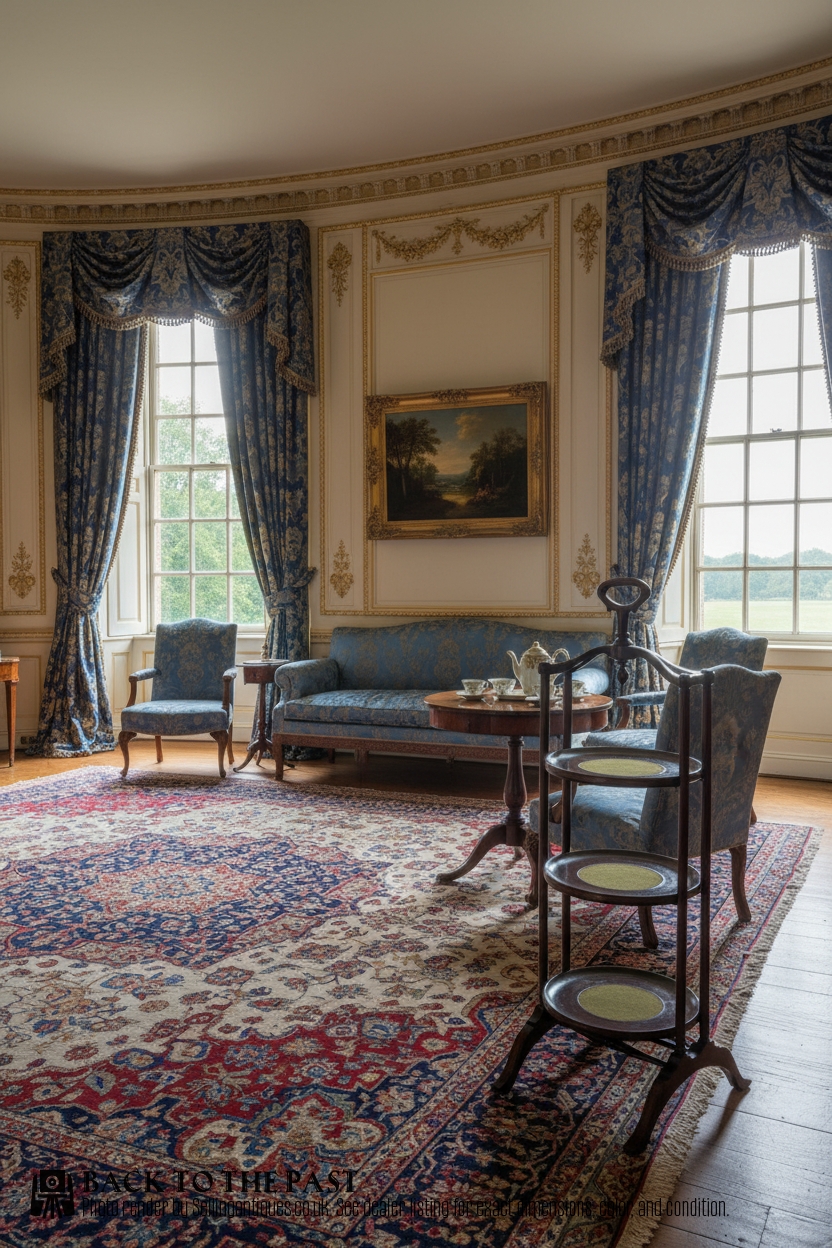
Unusual Antique Inlaid Mahogany 3 Tier Cake Stand, 1900
Priced at £695 from London City Antiques
Early wooden folding frames rely on tight mortise and tenon joints to stay rigid when loaded.
Metal spindles are cast and turned. Hand-cut threads hold the sections tightly together without wobbling.
Look closely at silver-plated galleries. They were pierced by hand using fine saws before being soldered to the main tray.
"The height between tiers was calculated to clear a standard slice of Victoria sponge."
"Many folding stands were designed to be carried outside to the lawn with one hand."
"Unscrew the flat ceramic plates to wash them separately from the metal spindle."
Based on almost 25 years of Sellingantiques UK antique market data, Antique Cake Stands appeared 642 times (out of 1,100,000 antiques) which gives it a rarity score of 88/100.
This score measures scarcity within the Sellingantiques archive only and is not a survey of the entire antiques market, so these statistics may not be indicative of the general availability of Antique Cake Stands elsewhere.
Solid ceramic single-tier stands wash easily in warm soapy water. Keep them out of modern dishwashers because the harsh chemicals strip away the old glaze.
Tiered stands need dismantling first. Unscrew the central metal spindle and wash the plates separately. Never submerge the metal rod or it will rust from the inside out.
Wooden folding frames usually have small brass screws holding the hinges to the legs. Tighten these carefully with a well-fitting manual screwdriver.
If the screw turns without gripping, the wood hole has stripped. You can plug the hole with a sliver of wood and some wood glue before driving the screw back in.
The brass hinges holding the wooden plate rings have worn down over years of repeated use. There is a small internal metal stop on the hinge designed to keep the ring level when lowered.
When that stop wears away, the ring drops past horizontal and the cakes slide off. A metalworker can sometimes build the stop back up with silver solder to restore the original angle. Alternatively, you can swap the hinges for modern replacements.
That brown metal is copper base metal showing through. It happens naturally from decades of cleaning and serving.
Most people leave it alone. Replating is an option, but it alters the original character.
Please note: This Antique Cake Stands guide and its associated pricing data are provided for general informational purposes only. It does not constitute formal financial, investment, or appraisal advice and should not be relied upon as the sole basis for any commercial activity, purchasing, or sales decisions. Sellingantiques.co.uk accepts no liability for any actions taken in reliance on this information. Always consult with a qualified professional or independent appraiser.
