3,835  PAGES BROWSED TODAY PAGES TODAY 0 ANTIQUES UPLOADED TODAYNEW ARRIVALS
LATEST STOCK
Sort Order
Items Per Page
Browse Categories
Sort order
Items per page
ID #SA929989
SOLD
Email
Save
Early Victorian Cased Miniature Baleen Telescope by We & F Newton of Fleet Street
Jason Clarke Antiques
sold SA929989
Sorry, but this item has been sold.
Jason Clarke Antiques

Jason Clarke Antiques

Sellingantiques Verified Since Jul 2015
View Dealers Stock Page
Id #SA929989
PDF SHARE
SAVE

Early Victorian Cased Miniature Baleen Telescope by We & F Newton of Fleet Street

19th century
Description

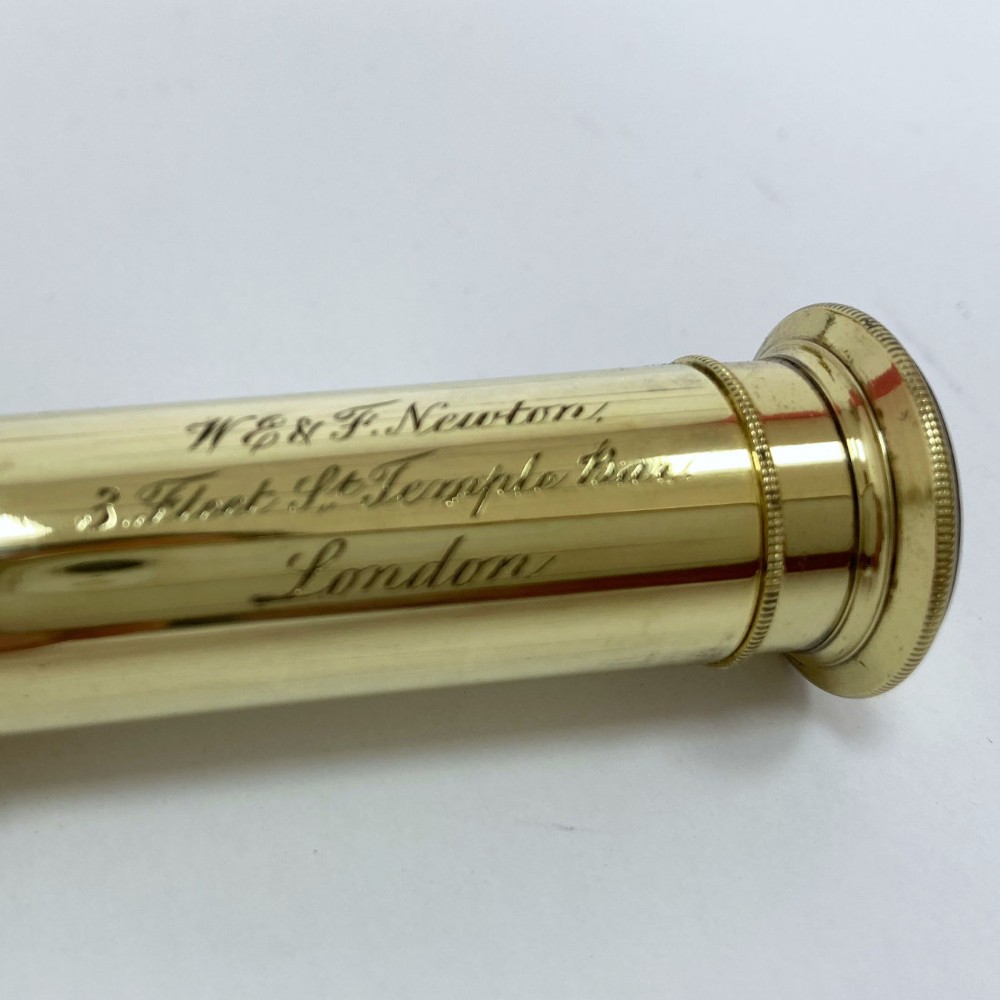
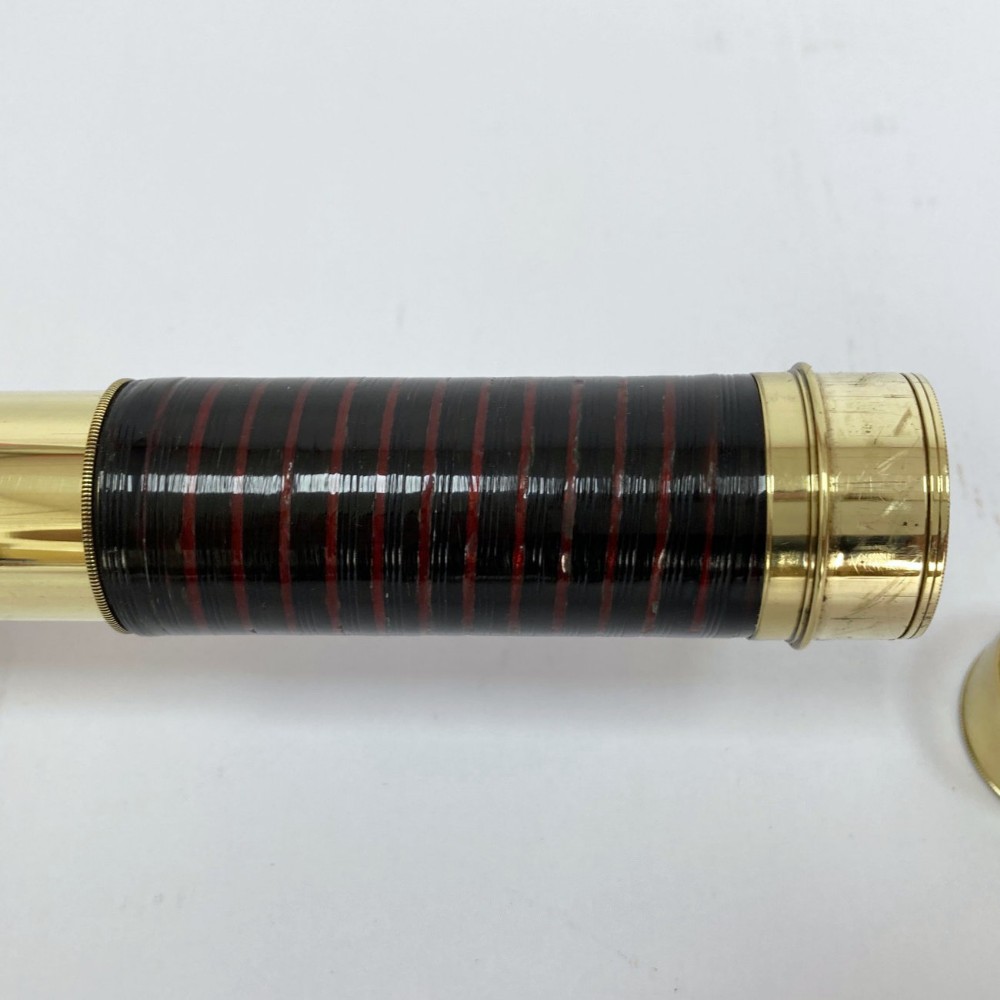
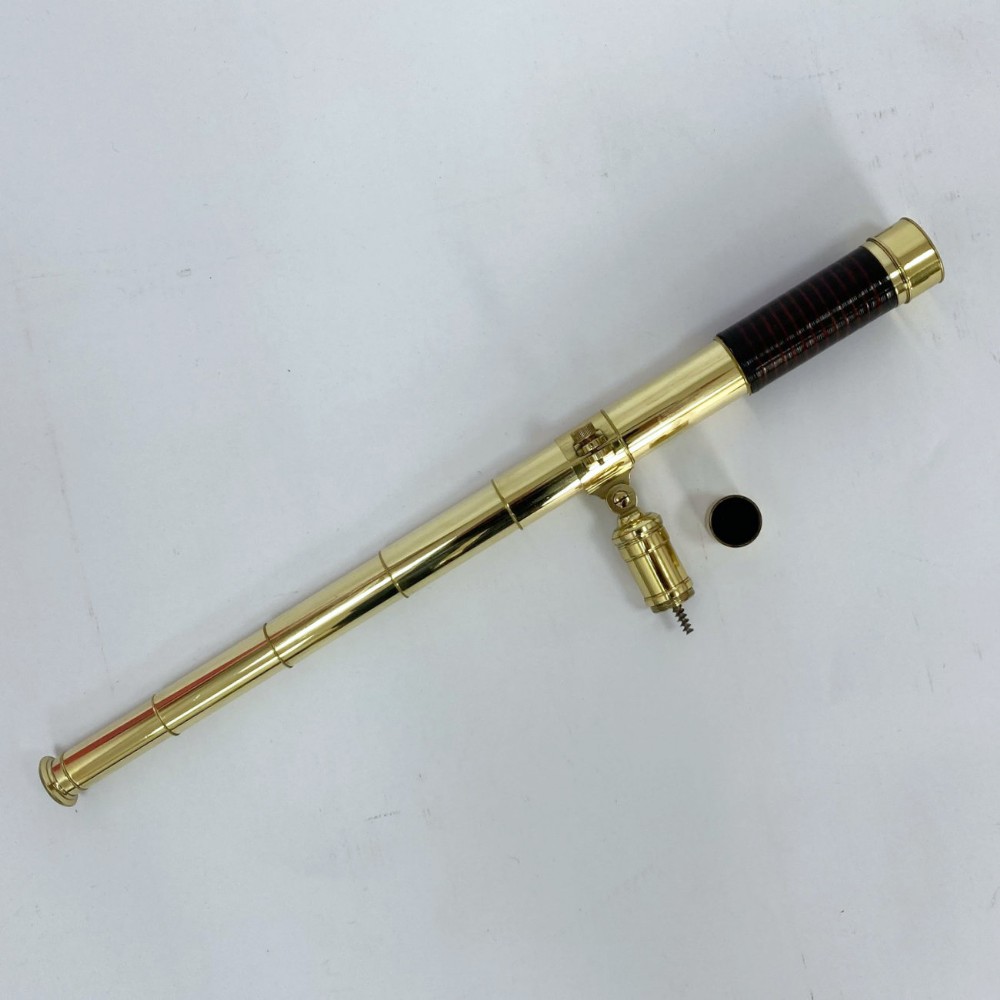
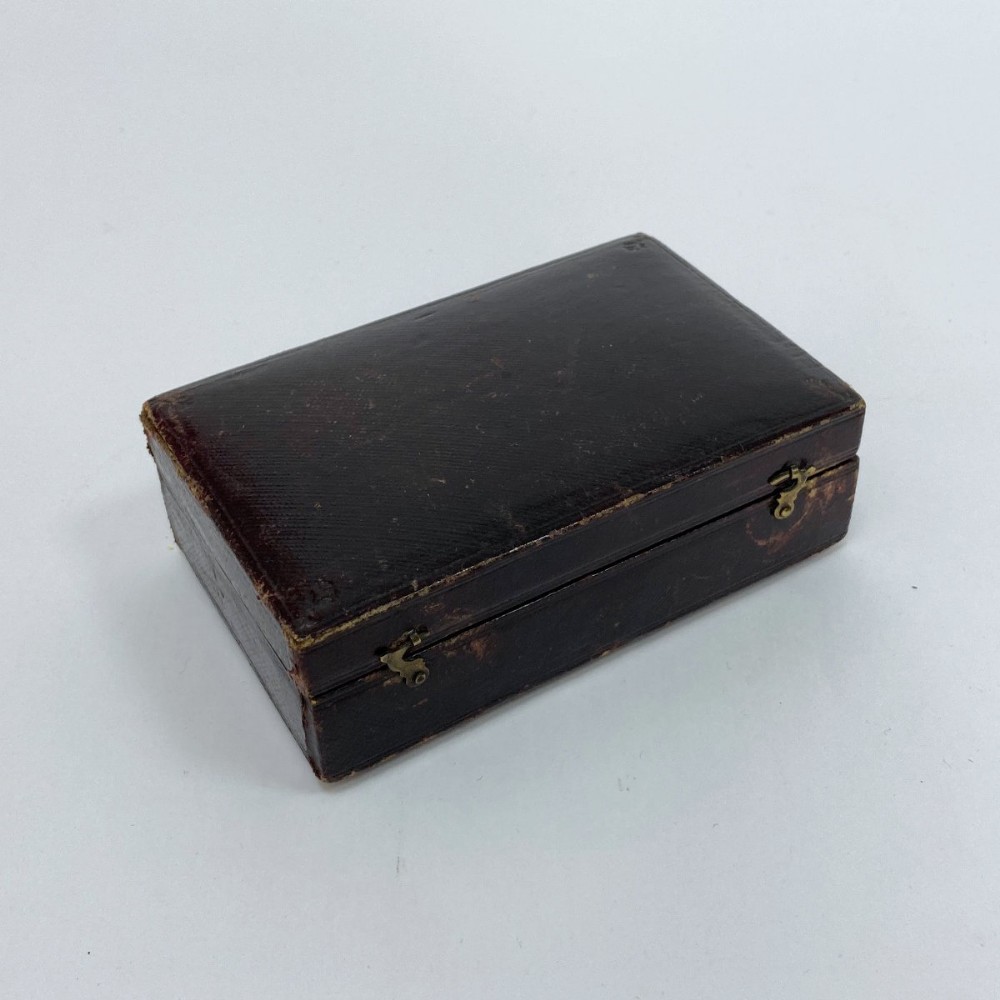
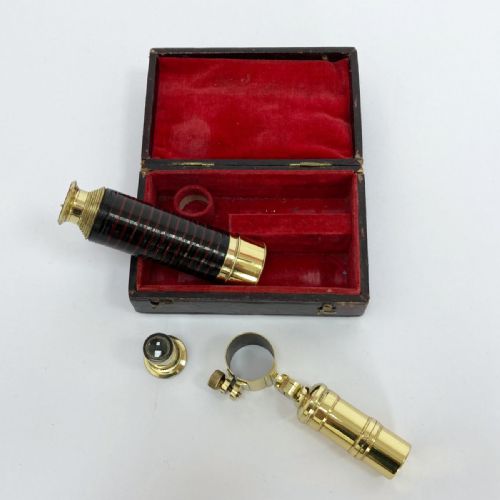
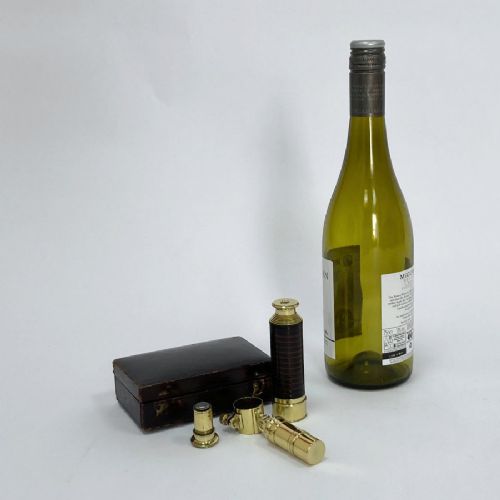
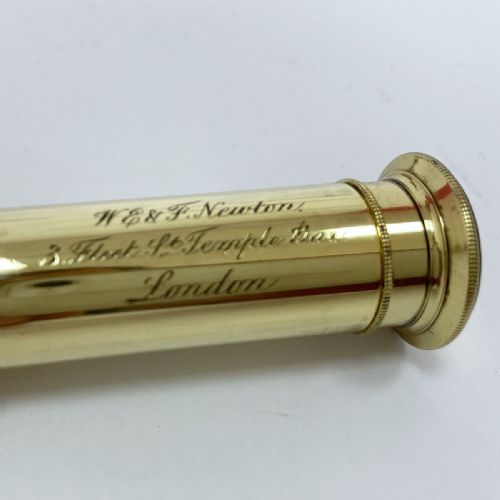
For sale, an early Victorian pocket field telescope with baleen cover and original Morocco leather case by WE & F Newton, Fleet Street, London.

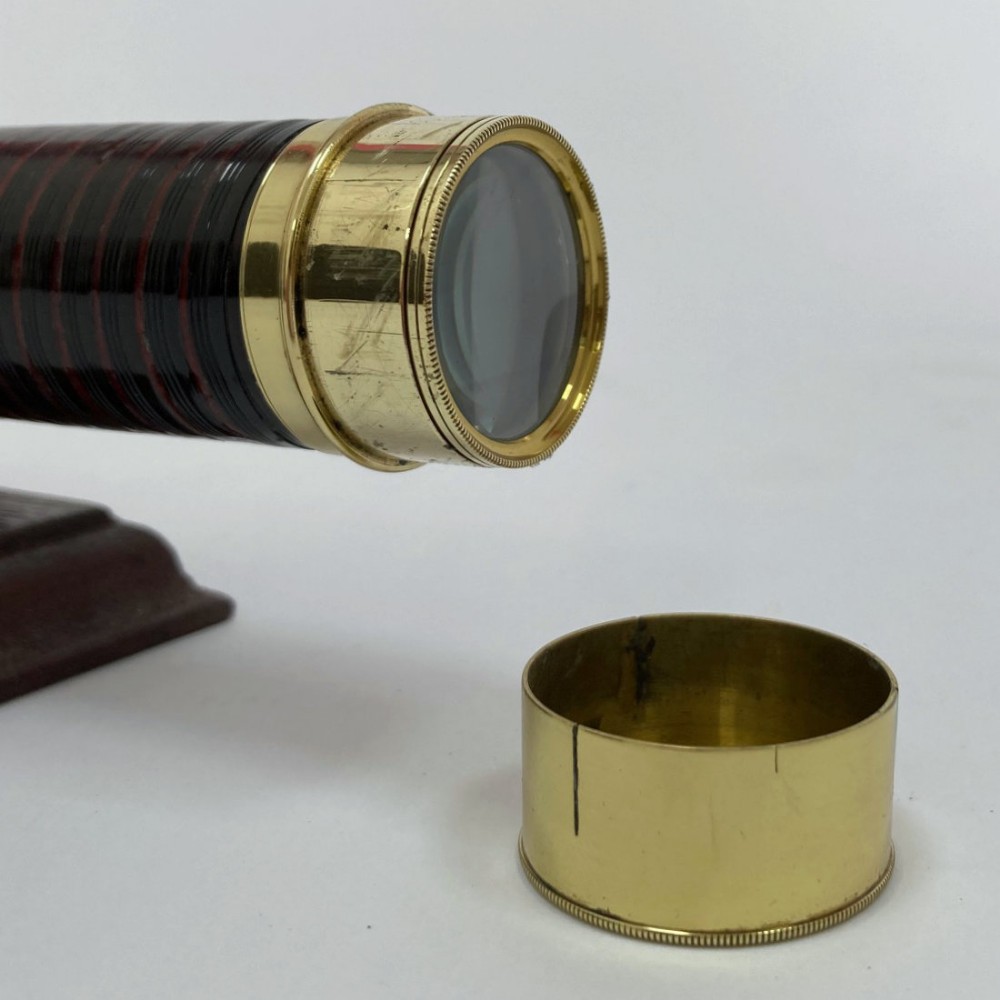
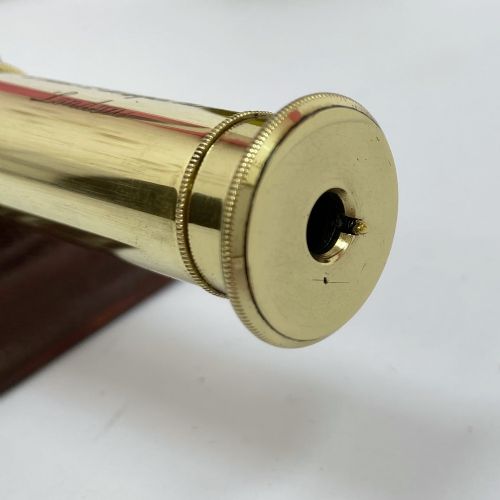
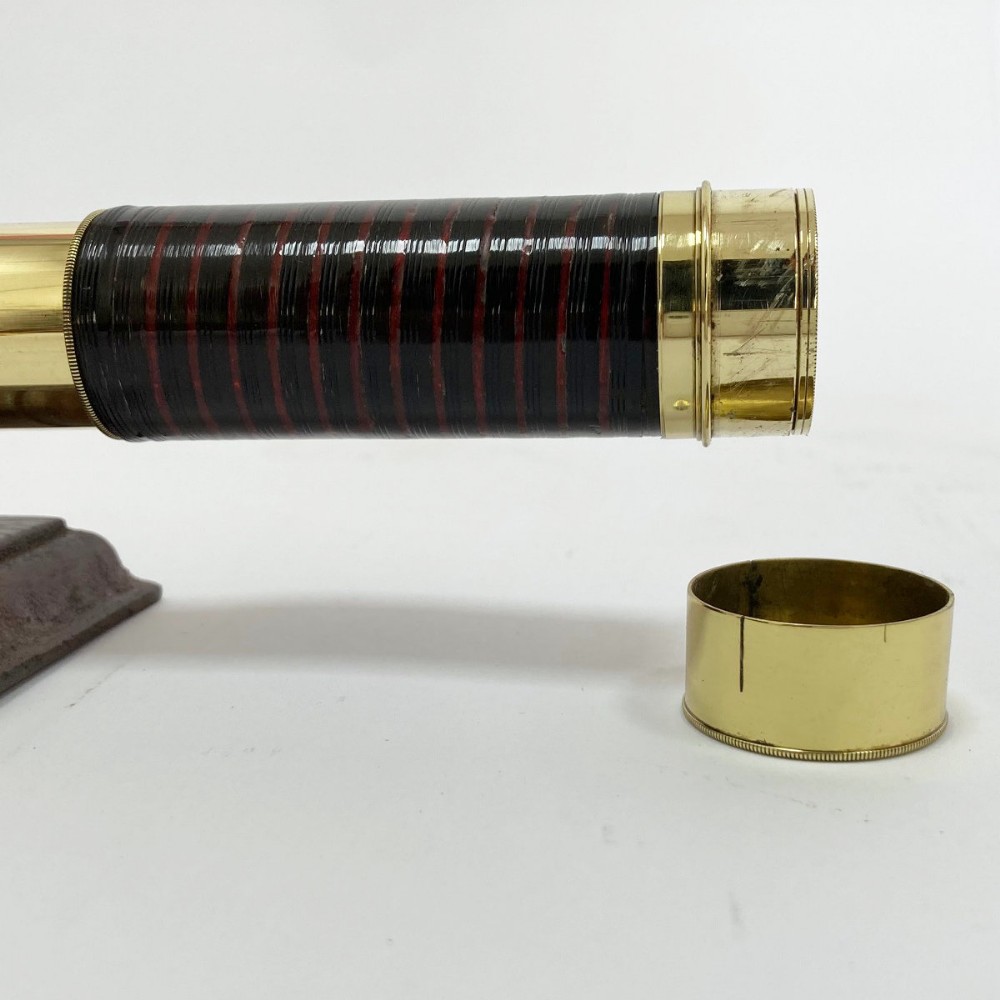
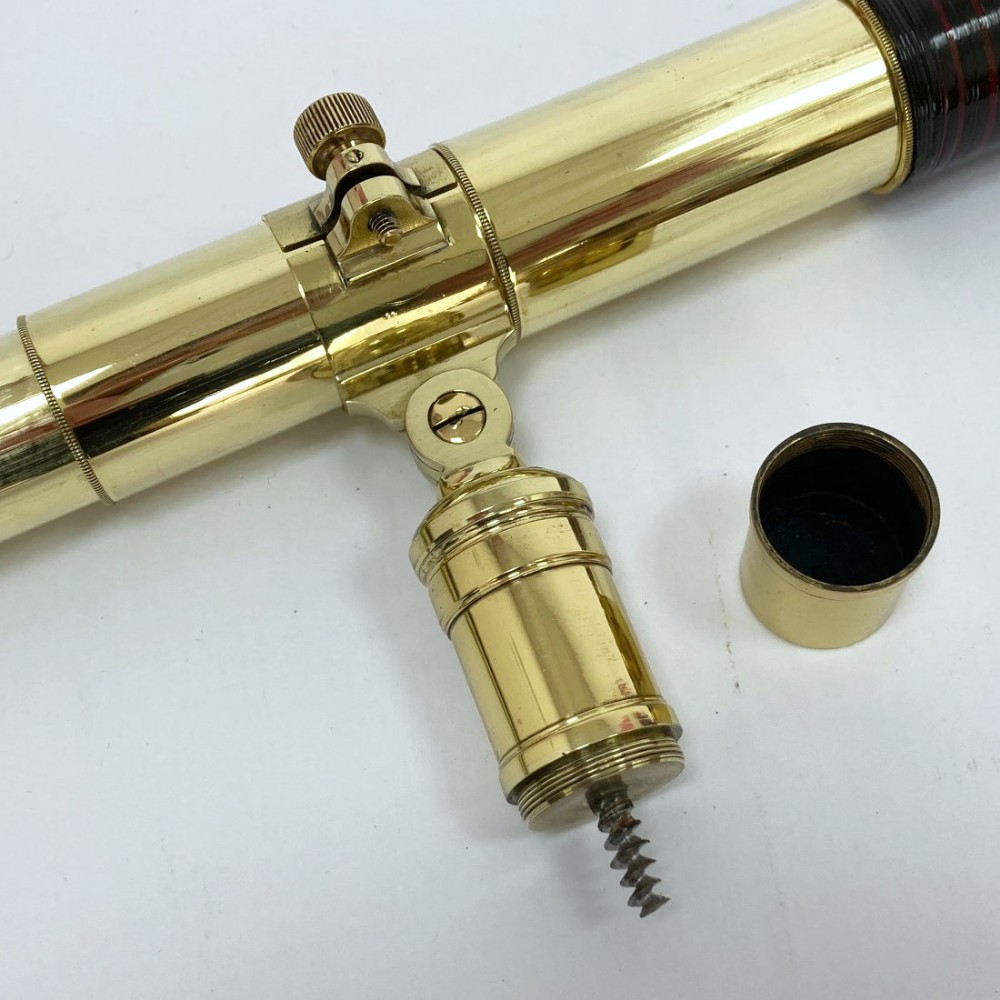
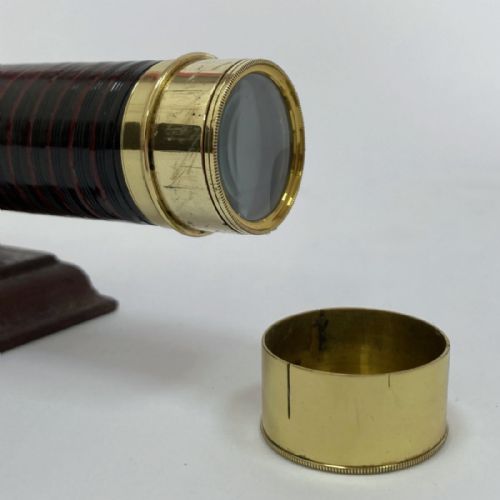
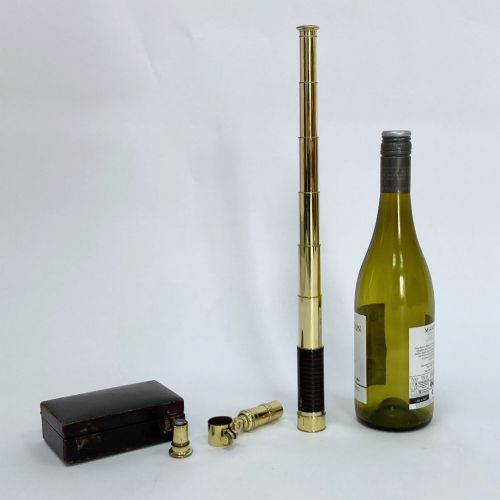
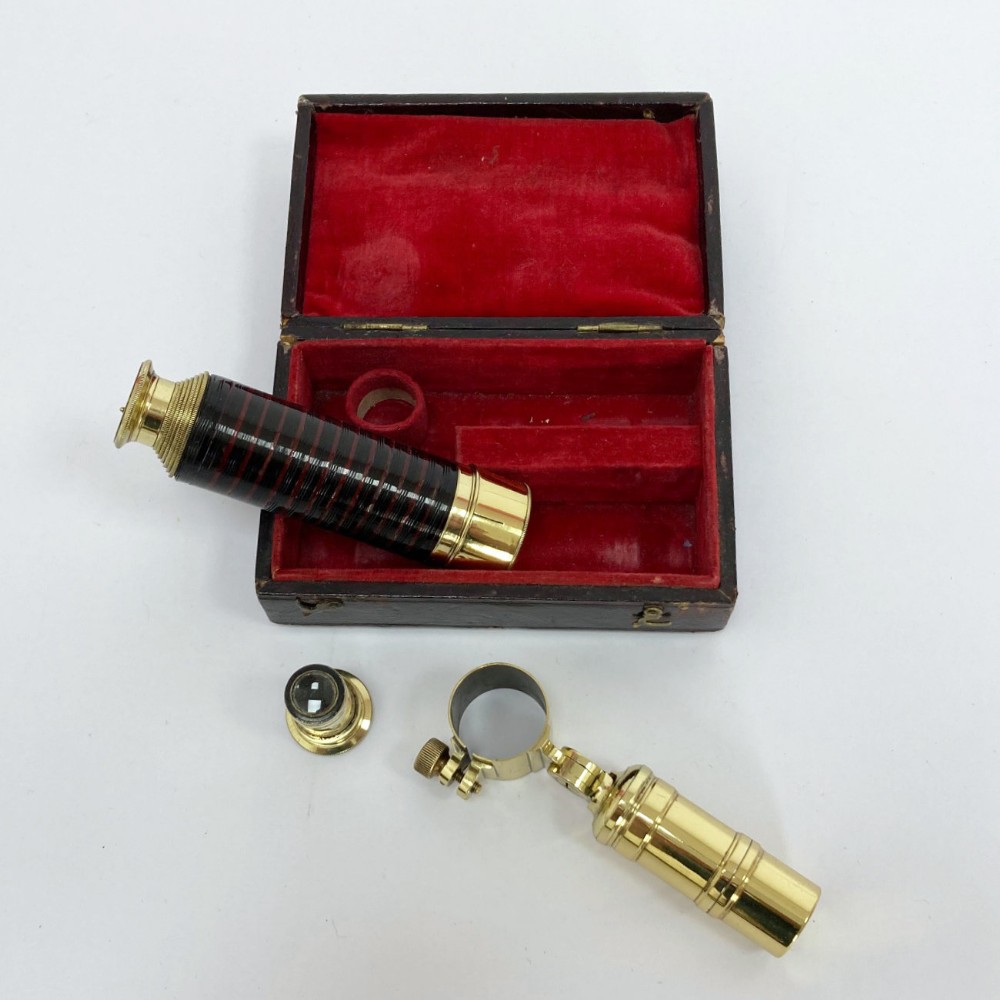
This super miniature brass six draw telescope has a one-inch diameter objective lens with a rare red and black striped baleen covered barrel and original brass end cap. The case is covered in original dark red leather with eye hook closers and a red velvet sectioned interior. The contents also include the original stand with barrel clasp and end cap which reveals a threaded screw rather than legs, making it practical for use in the field where it may be screwed down into a tree branch for stability. The set is completed with an additional eye piece lens.
The origins of the Newton business can sensibly begin with Nathaniel Hill, a self-described “globe maker and engraver” who worked at The Sun & Globe on Chancery Lane from 1746 to 1764 and amongst a number of apprentices took on a Thomas Bateman. Bateman’s early working dates are unclear but he eventually succeeded his former master maintaining the same address and in turn took on a John Newton from Hitchin as his apprentice in 1774. By 1781 it seems that Bateman’s business had been taken over by Newton (who must have just finished his seven-year apprenticeship term) and another more established engraver, William Palmer. Palmer himself had in 1770, apprenticed another future leading globe maker in John Cary but must have considered the partnership with the newly established Newton (and the goodwill of Bateman’s business) as a sensible business opportunity. The partnership, however, was short lived and from 1783 John Newton according to trade cards was trading alone, presenting himself as successor to Mr T. Bateman.
From this point forward, the business became solely a Newton affair, John had a number of sons, but his eldest William succeeded to the globe making business, and in circa 1818 it was renamed as J&W Newton.
It is interesting (and historically confusing) that the Newtons’ at this stage had also taken a keen interest in the new and growing business of patents. The family was intrinsically linked to this industry throughout the nineteenth century and William is recorded as being patent agent on numerous early applications. This side of the business is less relevant (although intrinsically linked as they traded from the same Chancery Lane address) to the scientific instrument making firm but is notable for the fact that William Newton is still considered one of the founding fathers of the Chartered Institute of Patent Agents.
To return to the scientific strand of the Newton family dynasty, William had two sons, William Edward and Alfred Vincent, the latter also becoming a patent agent whilst the former maintaining ties with both industries called for the name change to the more familiar Newton & Co. It seems that both of the family concerns were increasingly prosperous as by the time of The Great Exhibition, the decision seems to have been taken to maintain the patent agency at Chancery Lane with a new premises at 3 Fleet Street opening to manage the globe making business. It was at this time that William Edward’s cousin Frederick was brought to London from Hitchin to assist with the burgeoning workload and thus began the short-lived partnership of WE & F Newton which lasted from 1851 to 1856. During this period, the partners won a prize medal for globes at the Exhibition and submitted products to the Society of Arts Educational Exhibition. It is during this period that their association with royalty began.
The success from the Exhibition was not enough to maintain William Edward’s interest in the scientific business and he soon returned to the business of patents, leaving Frederick as sole owner of Newton & Co in 1856, and with his accolade of “Globe Manufacturer to the Queen”, the business went from strength to

Physical Dimensions
Height
4cm (1.57")
Width
12cm (4.72")
Depth
7.5cm (2.95")
Declaration

Jason Clarke Antiques has dated this piece to the 1850s.

Reference Numbers
Sellingantiques Reference
SA929989
Description
For sale, an early Victorian pocket field telescope with baleen cover and original Morocco leather case by WE & F Newton, Fleet Street, London.
This super miniature brass six draw telescope has a one-inch diameter objective lens with a rare red and black striped baleen covered barrel and original brass end cap.
Jason Clarke Antiques

The case is covered in original dark red leather with eye hook closers and a red velvet sectioned interior. The contents also include the original stand with barrel clasp and end cap which reveals a threaded screw rather than legs, making it practical for use in the field where it may be screwed down into a tree branch for stability. The set is completed with an additional eye piece lens.

fig 1. Early Victorian Cased Miniature Baleen Telescope by WE & F Newton of Fleet Street
fig 1. Early Victorian Cased Miniature Baleen Telescope by We & F Newton of Fleet Street

The origins of the Newton business can sensibly begin with Nathaniel Hill, a self-described “globe maker and engraver” who worked at The Sun & Globe on Chancery Lane from 1746 to 1764 and amongst a number of apprentices took on a Thomas Bateman. Bateman’s early working dates are unclear but he eventually succeeded his former master maintaining the same address and in turn took on a John Newton from Hitchin as his apprentice in 1774. By 1781 it seems that Bateman’s business had been taken over by Newton (who must have just finished his seven-year apprenticeship term) and another more established engraver, William Palmer. Palmer himself had in 1770, apprenticed another future leading globe maker in John Cary but must have considered the partnership with the newly established Newton (and the goodwill of Bateman’s business) as a sensible business opportunity. The partnership, however, was short lived and from 1783 John Newton according to trade cards was trading alone, presenting himself as successor to Mr T. Bateman.

fig 2. Early Victorian Cased Miniature Baleen Telescope by WE & F Newton of Fleet Street
fig 2. Early Victorian Cased Miniature Baleen Telescope by We & F Newton of Fleet Street

From this point forward, the business became solely a Newton affair, John had a number of sons, but his eldest William succeeded to the globe making business, and in circa 1818 it was renamed as J&W Newton.

fig 3. Early Victorian Cased Miniature Baleen Telescope by WE & F Newton of Fleet Street
fig 3. Early Victorian Cased Miniature Baleen Telescope by We & F Newton of Fleet Street

It is interesting (and historically confusing) that the Newtons’ at this stage had also taken a keen interest in the new and growing business of patents. The family was intrinsically linked to this industry throughout the nineteenth century and William is recorded as being patent agent on numerous early applications. This side of the business is less relevant (although intrinsically linked as they traded from the same Chancery Lane address) to the scientific instrument making firm but is notable for the fact that William Newton is still considered one of the founding fathers of the Chartered Institute of Patent Agents.

fig 4. Early Victorian Cased Miniature Baleen Telescope by WE & F Newton of Fleet Street
fig 4. Early Victorian Cased Miniature Baleen Telescope by We & F Newton of Fleet Street

To return to the scientific strand of the Newton family dynasty, William had two sons, William Edward and Alfred Vincent, the latter also becoming a patent agent whilst the former maintaining ties with both industries called for the name change to the more familiar Newton & Co. It seems that both of the family concerns were increasingly prosperous as by the time of The Great Exhibition, the decision seems to have been taken to maintain the patent agency at Chancery Lane with a new premises at 3 Fleet Street opening to manage the globe making business. It was at this time that William Edward’s cousin Frederick was brought to London from Hitchin to assist with the burgeoning workload and thus began the short-lived partnership of WE & F Newton which lasted from 1851 to 1856. During this period, the partners won a prize medal for globes at the Exhibition and submitted products to the Society of Arts Educational Exhibition. It is during this period that their association with royalty began.

fig 5. Early Victorian Cased Miniature Baleen Telescope by WE & F Newton of Fleet Street
fig 5. Early Victorian Cased Miniature Baleen Telescope by We & F Newton of Fleet Street

The success from the Exhibition was not enough to maintain William Edward’s interest in the scientific business and he soon returned to the business of patents, leaving Frederick as sole owner of Newton & Co in 1856, and with his accolade of “Globe Manufacturer to the Queen”, the business went from strength to

Height
4cm (1.57")
Width
12cm (4.72")
Depth
7.5cm (2.95")
Date of Manufacture

Jason Clarke Antiques has dated this piece to the 1850s.

Reference Numbers
Sellingantiques Ref
SA929989
Jason Clarke Antiques
Sellingantiques verified Since Jul 2015
Dealer Profile

You can view the stock and full dealer information on the Jason Clarke Antiques Profile Page

PDF SHARE
SAVE
Early Victorian Cased Miniature Baleen Telescope by WE & F Newton of Fleet Street
1 / 12
Archive I Early Victorian Cased Miniature Baleen Telescope by WE & F Newton of Fleet Street

Early Victorian Cased Miniature Baleen Telescope by We & F Newton of Fleet Street
Archive II Early Victorian Cased Miniature Baleen Telescope by WE & F Newton of Fleet Street View II
Archive III Early Victorian Cased Miniature Baleen Telescope by WE & F Newton of Fleet Street View III
Archive IV Early Victorian Cased Miniature Baleen Telescope by WE & F Newton of Fleet Street View IV
Archive V Early Victorian Cased Miniature Baleen Telescope by WE & F Newton of Fleet Street View V
Archive VI Early Victorian Cased Miniature Baleen Telescope by WE & F Newton of Fleet Street View VI
Archive VII Early Victorian Cased Miniature Baleen Telescope by WE & F Newton of Fleet Street View VII
Archive VIII Early Victorian Cased Miniature Baleen Telescope by WE & F Newton of Fleet Street View VIII
Archive IX Early Victorian Cased Miniature Baleen Telescope by WE & F Newton of Fleet Street View IX
Archive X Early Victorian Cased Miniature Baleen Telescope by WE & F Newton of Fleet Street View X
Archive XI Early Victorian Cased Miniature Baleen Telescope by WE & F Newton of Fleet Street View XI
Archive XII Early Victorian Cased Miniature Baleen Telescope by WE & F Newton of Fleet Street View XII
Enlarged Archival View
Telephone 07815 046645
Location
Newbury
Berkshire
United Kingdom
Verified Since Jul 2015
Items For Sale 80
Items Sold 607
Jason Clarke Antiques
Verified Since Jul 2015
View Dealer Info
Location: Newbury, Berkshire, United Kingdom
Verified
Jul 2015
For Sale
80
Sold
607
Early Victorian Cased Miniature Baleen Telescope by WE & F Newton of Fleet Street
Ref: SA929989
Early Victorian Cased Miniature Baleen Telescope by WE & F Newton of Fleet Street
Detail View 1
Detail View 2
Detail View 3
Detail View 4
Detail View 5
Detail View 6
Detail View 7
Detail View 8
Detail View 9
Detail View 10
Detail View 11
Archival Detail
Every single antique dealer on our platform is individually approved by our internal team. We verify their professional trade history, ethical standards, and photographic quality to ensure a secure, high-standard buying environment. Upon joining, every dealer agrees to a strict 9-point code of conduct. While issues can occasionally arise, our dealers typically resolve them swiftly and directly with the buyer. In fact, since our founding in 2002, Sellingantiques has only had to step in to help resolve an issue on roughly five occasions—a true testament to the quality of our dealers and their dedication to your happiness.
Our dealers are highly experienced in packing and shipping fragile, high-value antiques. Because you are in direct contact with the dealer, you will be able to easily go through all available shipping and insurance options together to ensure your item arrives safely.
Antiques are the ultimate green purchase. By choosing historical pieces over newly manufactured goods, you completely eliminate the carbon footprint of modern mass production while preserving exceptional, timeless craftsmanship.
items
Add keywords to the filter
Price
£100
£250000
Era
Movements
Material
Origin
Stock Location
Freshness
Online Payments
Categories