5,051  PAGES BROWSED TODAY PAGES TODAY 0 ANTIQUES UPLOADED TODAYNEW ARRIVALS
LATEST STOCK
Sort Order
Items Per Page
Browse Categories
Sort order
Items per page
ID #SA860293
SOLD
Email
Save
Early Victorian Single Draw Marine Telescope by Richard Adie of Liverpool
Jason Clarke Antiques
sold SA860293
Sorry, but this item has been sold.
Jason Clarke Antiques

Jason Clarke Antiques

Sellingantiques Verified Since Jul 2015
View Dealers Stock Page
Id #SA860293
PDF SHARE
SAVE

Early Victorian Single Draw Marine Telescope by Richard Adie of Liverpool

19th century
Description

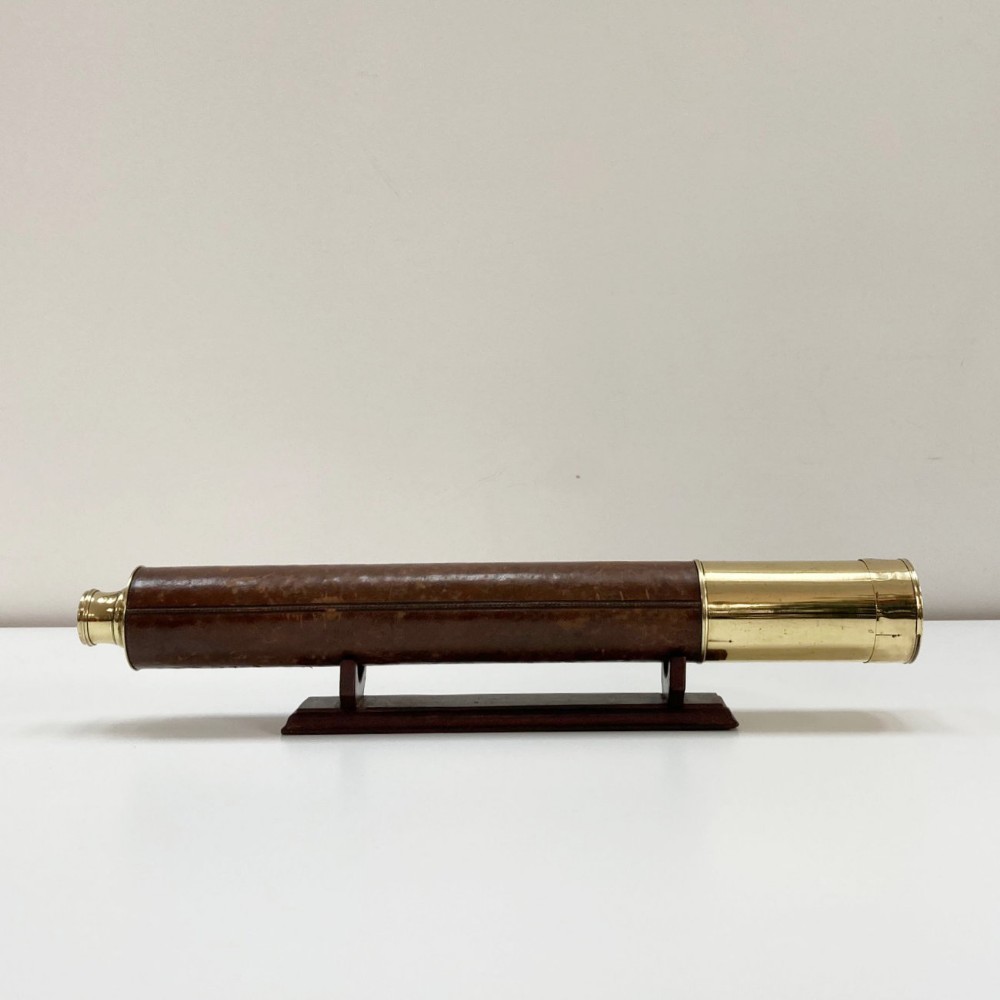
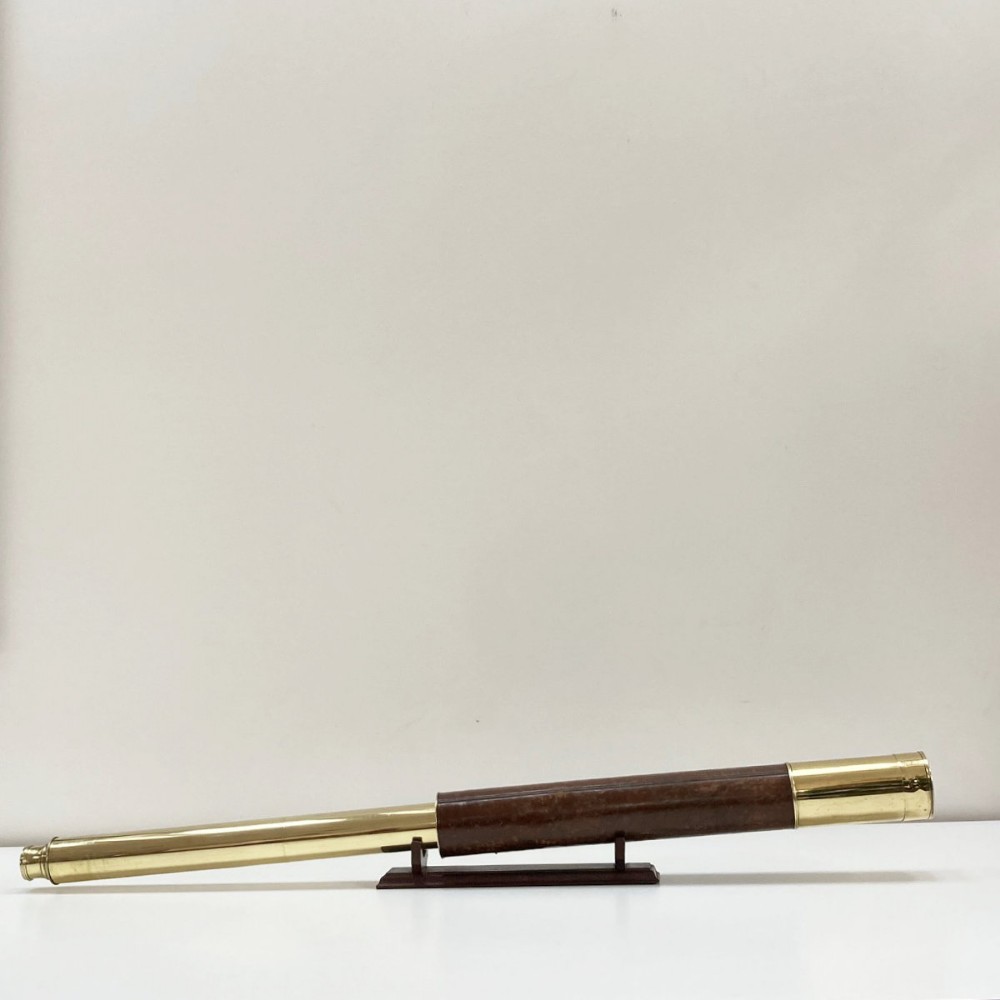
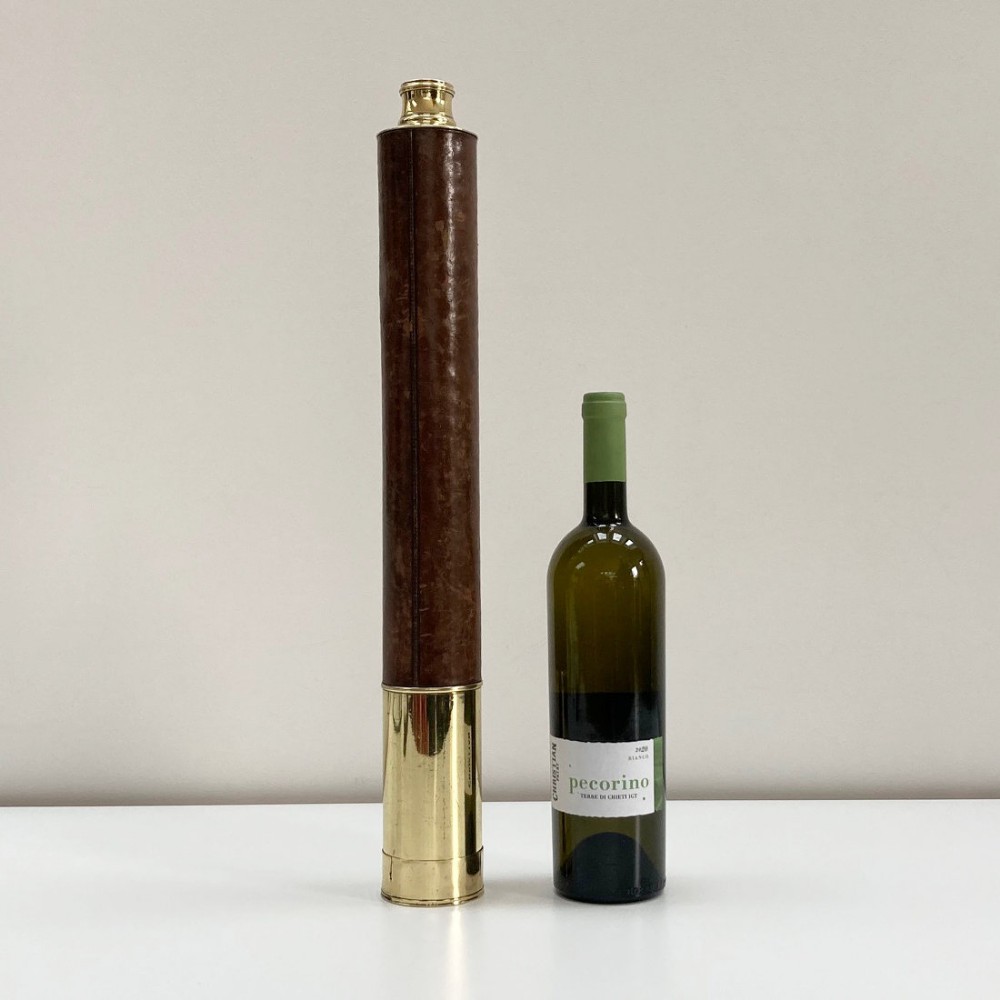
For sale, an early Victorian single draw marine telescope by Richard Adie of Liverpool.

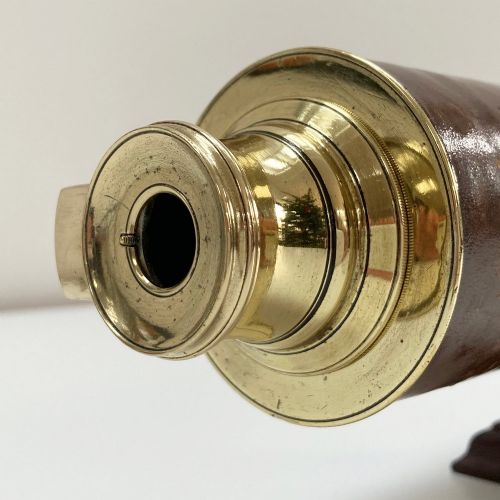
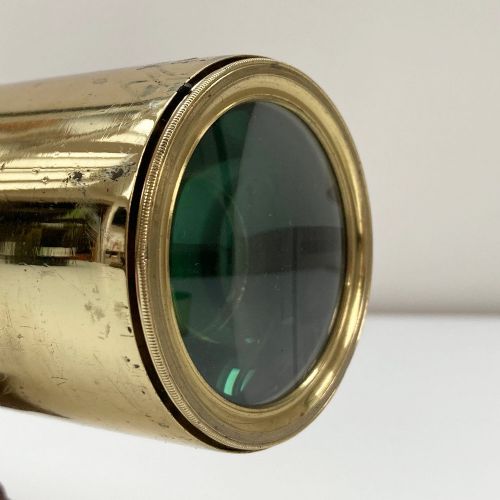
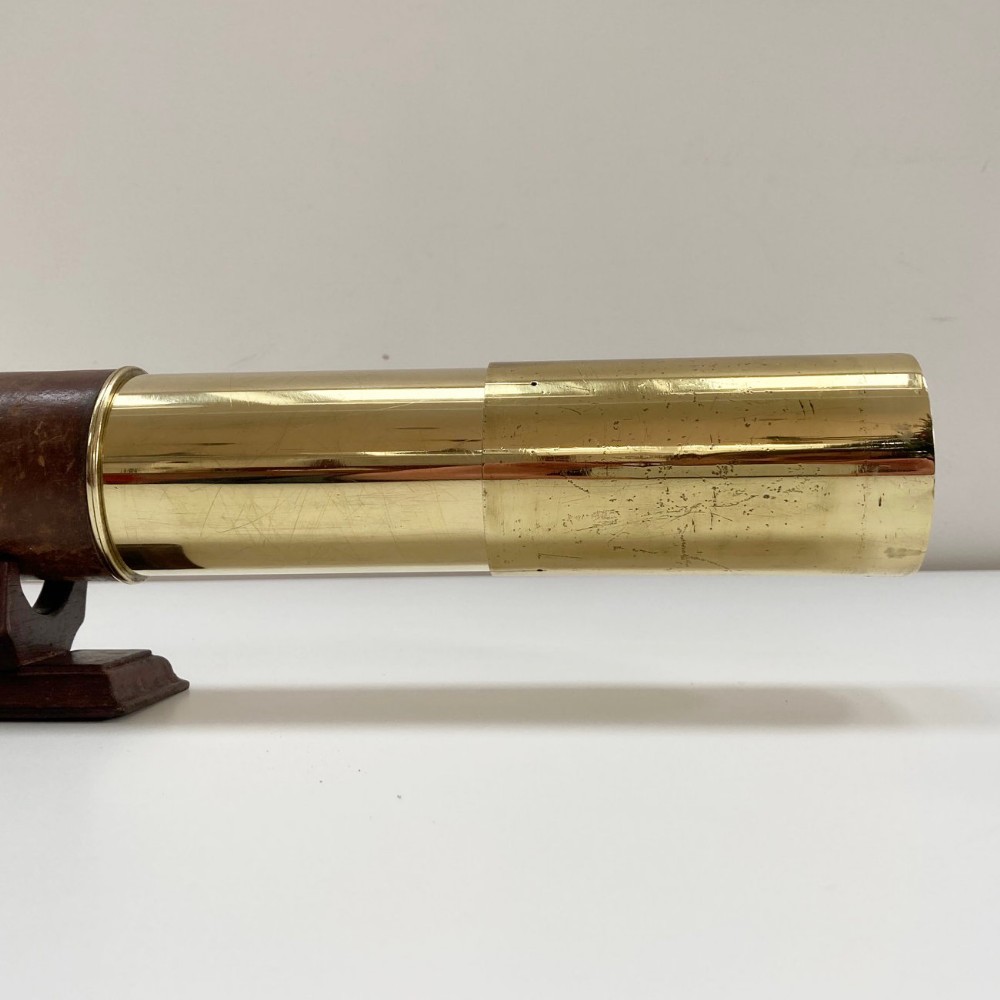
Comprised of leather covered brass barrel with single draw-tube and bell shaped eye-piece. The telescope measures 52cms closed, 92cms extended and has a two inch objective lens.

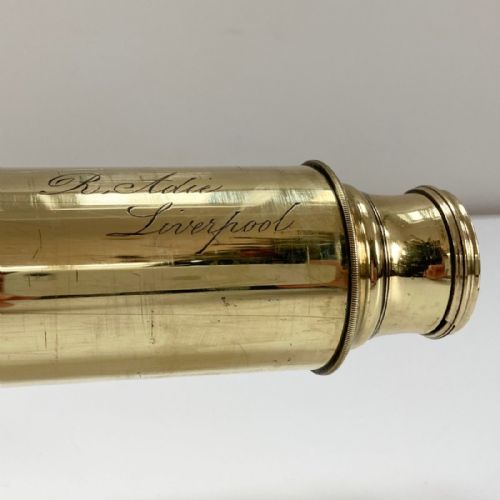
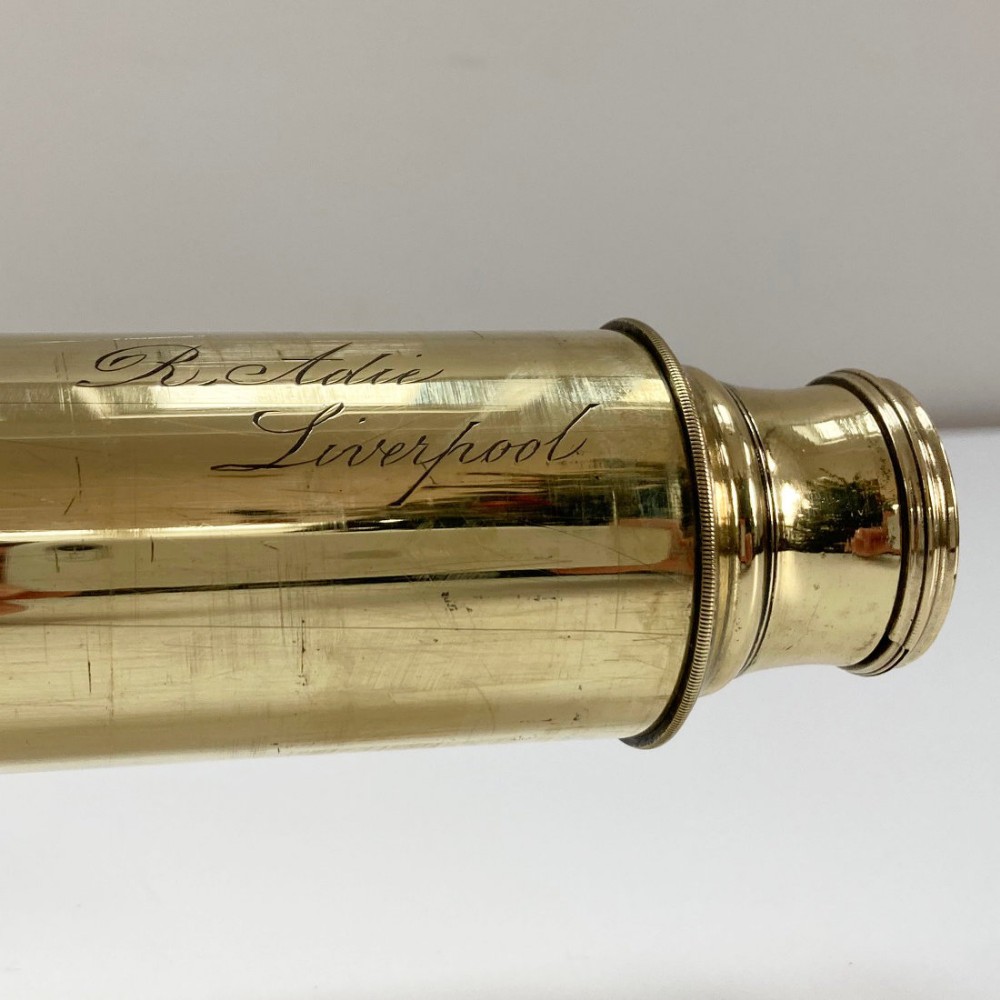
The telescope retains its original dust cap with integrated dust slide and a further dust slide to the eyepiece. It is engraved on the eyetube to “R. Adie, Liverpool”.
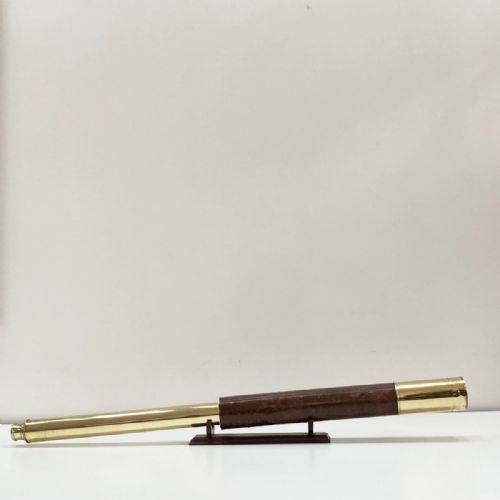
The history of the Adie dynasty began in 1776 with the celebrated Edinburgh scientific instrument maker John Miller, the uncle of Alexander Adie. Miller himself had been apprenticed under the world renowned maker George Adams so Alexander was privileged to have had an uncle from such a prestigious background.
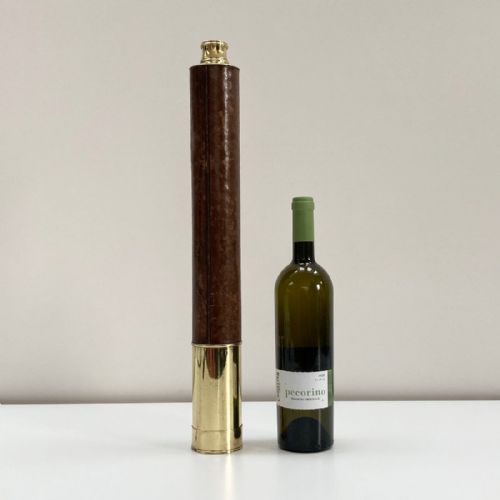
From 1789, Adie (1774 – 1858) undertook his apprenticeship with Miller and by 1804, a partnership was agreed which traded at various addresses on Nicholson Street. Miller & Adie continued to trade until 1822 (although Miller had died by 1815) whereafter the business was renamed solely to Alexander Adie. By this point, Adie was himself an accomplished maker with a focus on meteorological instruments and had by 1818 taken out a patent (No: 4323) for a sympiesometer, a type of barometer designed initially for marine use which contained hydrogen and almond oil instead of mercury. Perhaps the most well-known instrument that the Adie family are now recognised for, this invention was patented as, “An improvement on the air barometer” an instrument that had been conceived as early as 1668 by Robert Hooke but never brought into practical use until Adie’s later developments.
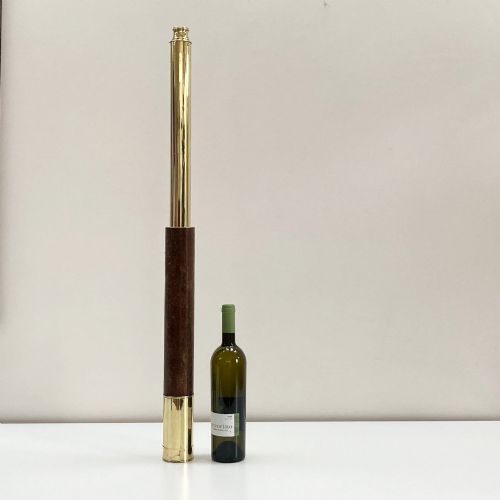
By 1822, Adie had a family of three sons, John (1805-1857), Richard (1810-1881) and Patrick (1821-1886) and it is sensible to presume that all undertook some kind of apprenticeship under him. The eldest, John went into business with his Father to form Adie & Son in 1835 and Richard is also known to have worked for the firm. Like many scientific instrument making firms of the period, both Richard and Patrick were to go on to set up their own successful satellite firms under their own names both in Liverpool and London respectively.
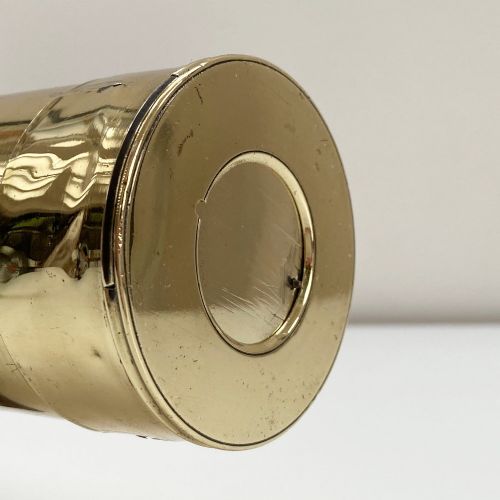
In Edinburgh, the partnership between Alexander and John continued to grow, they received Royal Appointments from both William IV and Queen Victoria and were the only two instrument makers elected as Fellows of The Royal Society of Edinburgh. The links with the Society are considered to be the reason for their commission to build William Wallace’s patent Eidograph, an improvement to the less accurate pantograph. They had trading links with Spencer, Browning & Rust (they retailed Adie’s Sympiesometer) and John completed the installation of a Troughton & Simms altazimuth circle for The Edinburgh Astronomical Institution at Calton Hill Observatory after Simms proclaimed himself too busy to undertake the exercise! They were also known to have had links with Charles Darwin.
Sadly, John shot himself in 1857 after suffering from, “fits of despondency” and therefore predeceased his father who died the following year. The Royal Society wrote of John:

“Mr Adie’s enrolment among us is a sufficient proof that he successfully followed his calling. He was greatly esteemed as a man conversant with the highest branches of his profession, and who has left behind him in that respect scarcely and equal, certainly no superior, in Edinburgh, or perhaps in even in London itself”.
They went on the following year to say of his father Alexander:

His attention to business, with his skill as a mechanic, his quick inventive powers, and his sound judgement, led him to his being much employed by all kinds of inventors to give their schemes a practical form.”

Following the sad demise of both partners of the firm, Richard Adie continued to run both the Edinburgh firm and his own concern in Liverpool until his

Physical Dimensions
Height
92cm (36.22")
Width
6cm (2.36")
Depth
6cm (2.36")
Declaration

Jason Clarke Antiques has dated this piece to the 1850s.

Reference Numbers
Sellingantiques Reference
SA860293
Description
For sale, an early Victorian single draw marine telescope by Richard Adie of Liverpool.

Comprised of leather covered brass barrel with single draw-tube and bell shaped eye-piece. The telescope measures 52cms closed, 92cms extended and has a two inch objective lens.

The telescope retains its original dust cap with integrated dust slide and a further dust slide to the eyepiece.
Jason Clarke Antiques

It is engraved on the eyetube to “R. Adie, Liverpool”.

fig 1. Early Victorian Single Draw Marine Telescope by Richard Adie of Liverpool

The history of the Adie dynasty began in 1776 with the celebrated Edinburgh scientific instrument maker John Miller, the uncle of Alexander Adie. Miller himself had been apprenticed under the world renowned maker George Adams so Alexander was privileged to have had an uncle from such a prestigious background.

fig 2. Early Victorian Single Draw Marine Telescope by Richard Adie of Liverpool

From 1789, Adie (1774 – 1858) undertook his apprenticeship with Miller and by 1804, a partnership was agreed which traded at various addresses on Nicholson Street. Miller & Adie continued to trade until 1822 (although Miller had died by 1815) whereafter the business was renamed solely to Alexander Adie. By this point, Adie was himself an accomplished maker with a focus on meteorological instruments and had by 1818 taken out a patent (No: 4323) for a sympiesometer, a type of barometer designed initially for marine use which contained hydrogen and almond oil instead of mercury. Perhaps the most well-known instrument that the Adie family are now recognised for, this invention was patented as, “An improvement on the air barometer” an instrument that had been conceived as early as 1668 by Robert Hooke but never brought into practical use until Adie’s later developments.

fig 3. Early Victorian Single Draw Marine Telescope by Richard Adie of Liverpool

By 1822, Adie had a family of three sons, John (1805-1857), Richard (1810-1881) and Patrick (1821-1886) and it is sensible to presume that all undertook some kind of apprenticeship under him. The eldest, John went into business with his Father to form Adie & Son in 1835 and Richard is also known to have worked for the firm. Like many scientific instrument making firms of the period, both Richard and Patrick were to go on to set up their own successful satellite firms under their own names both in Liverpool and London respectively.

fig 4. Early Victorian Single Draw Marine Telescope by Richard Adie of Liverpool

In Edinburgh, the partnership between Alexander and John continued to grow, they received Royal Appointments from both William IV and Queen Victoria and were the only two instrument makers elected as Fellows of The Royal Society of Edinburgh. The links with the Society are considered to be the reason for their commission to build William Wallace’s patent Eidograph, an improvement to the less accurate pantograph. They had trading links with Spencer, Browning & Rust (they retailed Adie’s Sympiesometer) and John completed the installation of a Troughton & Simms altazimuth circle for The Edinburgh Astronomical Institution at Calton Hill Observatory after Simms proclaimed himself too busy to undertake the exercise! They were also known to have had links with Charles Darwin.

fig 5. Early Victorian Single Draw Marine Telescope by Richard Adie of Liverpool

Sadly, John shot himself in 1857 after suffering from, “fits of despondency” and therefore predeceased his father who died the following year. The Royal Society wrote of John:

“Mr Adie’s enrolment among us is a sufficient proof that he successfully followed his calling. He was greatly esteemed as a man conversant with the highest branches of his profession, and who has left behind him in that respect scarcely and equal, certainly no superior, in Edinburgh, or perhaps in even in London itself”.

fig 6. Early Victorian Single Draw Marine Telescope by Richard Adie of Liverpool

They went on the following year to say of his father Alexander:

His attention to business, with his skill as a mechanic, his quick inventive powers, and his sound judgement, led him to his being much employed by all kinds of inventors to give their schemes a practical form.”

Following the sad demise of both partners of the firm, Richard Adie continued to run both the Edinburgh firm and his own concern in Liverpool until his

Height
92cm (36.22")
Width
6cm (2.36")
Depth
6cm (2.36")
Date of Manufacture

Jason Clarke Antiques has dated this piece to the 1850s.

Reference Numbers
Sellingantiques Ref
SA860293
Jason Clarke Antiques
Sellingantiques verified Since Jul 2015
Dealer Profile

You can view the stock and full dealer information on the Jason Clarke Antiques Profile Page
PDF SHARE
SAVE
Early Victorian Single Draw Marine Telescope by Richard Adie of Liverpool
1 / 9
Archive I Early Victorian Single Draw Marine Telescope by Richard Adie of Liverpool
Early Victorian Single Draw Marine Telescope by Richard Adie of Liverpool
Archive II Early Victorian Single Draw Marine Telescope by Richard Adie of Liverpool View II
Archive III Early Victorian Single Draw Marine Telescope by Richard Adie of Liverpool View III
Archive IV Early Victorian Single Draw Marine Telescope by Richard Adie of Liverpool View IV
Archive V Early Victorian Single Draw Marine Telescope by Richard Adie of Liverpool View V
Archive VI Early Victorian Single Draw Marine Telescope by Richard Adie of Liverpool View VI
Archive VII Early Victorian Single Draw Marine Telescope by Richard Adie of Liverpool View VII
Archive VIII Early Victorian Single Draw Marine Telescope by Richard Adie of Liverpool View VIII
Archive IX Early Victorian Single Draw Marine Telescope by Richard Adie of Liverpool View IX
Enlarged Archival View
Telephone 07815 046645
Location
Newbury
Berkshire
United Kingdom
Verified Since Jul 2015
Items For Sale 80
Items Sold 607
Jason Clarke Antiques
Verified Since Jul 2015
View Dealer Info
Location: Newbury, Berkshire, United Kingdom
Verified
Jul 2015
For Sale
80
Sold
607
Early Victorian Single Draw Marine Telescope by Richard Adie of Liverpool
Ref: SA860293
Early Victorian Single Draw Marine Telescope by Richard Adie of Liverpool
Detail View 1
Detail View 2
Detail View 3
Detail View 4
Detail View 5
Detail View 6
Detail View 7
Detail View 8
Archival Detail
Every single antique dealer on our platform is individually approved by our internal team. We verify their professional trade history, ethical standards, and photographic quality to ensure a secure, high-standard buying environment. Upon joining, every dealer agrees to a strict 9-point code of conduct. While issues can occasionally arise, our dealers typically resolve them swiftly and directly with the buyer. In fact, since our founding in 2002, Sellingantiques has only had to step in to help resolve an issue on roughly five occasions—a true testament to the quality of our dealers and their dedication to your happiness.
Our dealers are highly experienced in packing and shipping fragile, high-value antiques. Because you are in direct contact with the dealer, you will be able to easily go through all available shipping and insurance options together to ensure your item arrives safely.
Antiques are the ultimate green purchase. By choosing historical pieces over newly manufactured goods, you completely eliminate the carbon footprint of modern mass production while preserving exceptional, timeless craftsmanship.
items
Add keywords to the filter
Price
£100
£250000
Era
Movements
Material
Origin
Stock Location
Freshness
Online Payments
Categories