5,397  PAGES BROWSED TODAY PAGES TODAY 0 ANTIQUES UPLOADED TODAYNEW ARRIVALS
LATEST STOCK
Sort Order
Items Per Page
Browse Categories
Sort order
Items per page
ID #SA841471
SOLD
Email
Save
Late Victorian Cased Hypsometer by Cary of London
Jason Clarke Antiques
sold SA841471
Sorry, but this item has been sold.
Jason Clarke Antiques

Jason Clarke Antiques

Sellingantiques Verified Since Jul 2015
View Dealers Stock Page
Id #SA841471
PDF SHARE
SAVE

Late Victorian Cased Hypsometer by Cary of London

19th century
Description

For sale, a Late Victorian Cased Hypsometer by Cary of London.

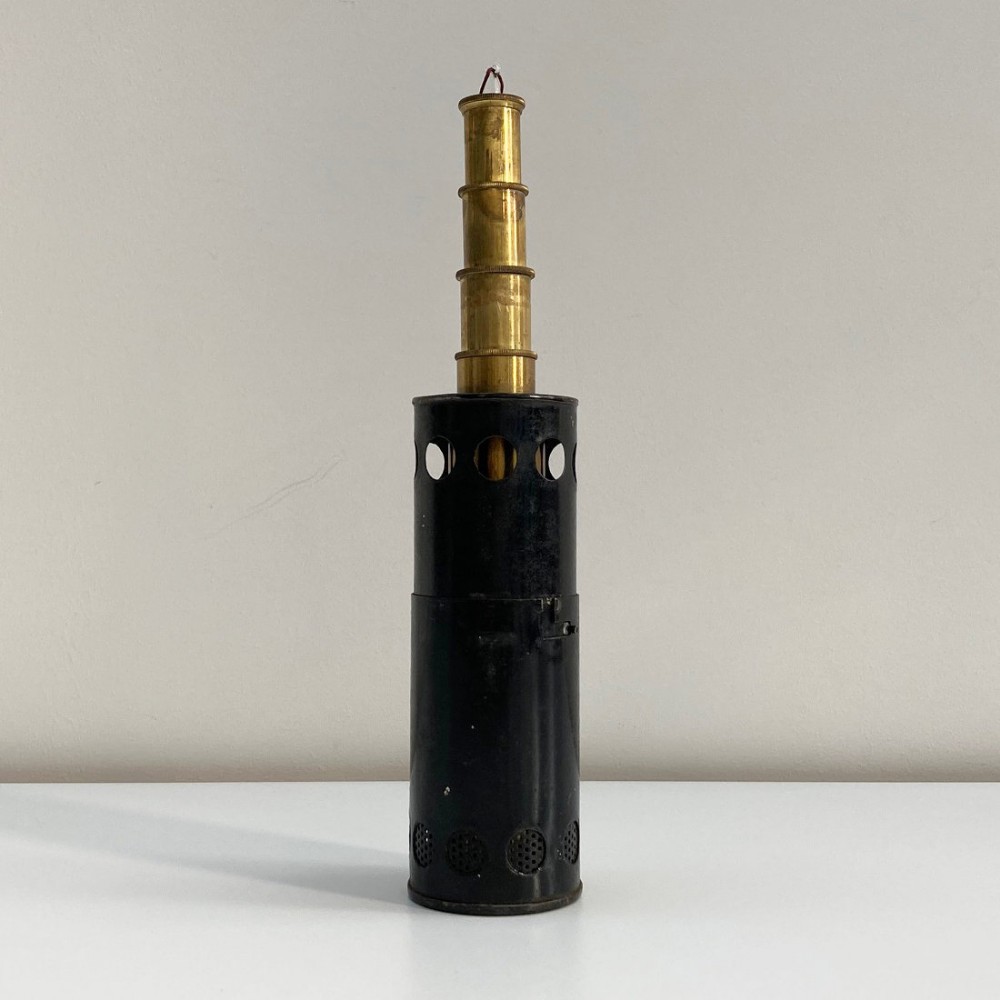
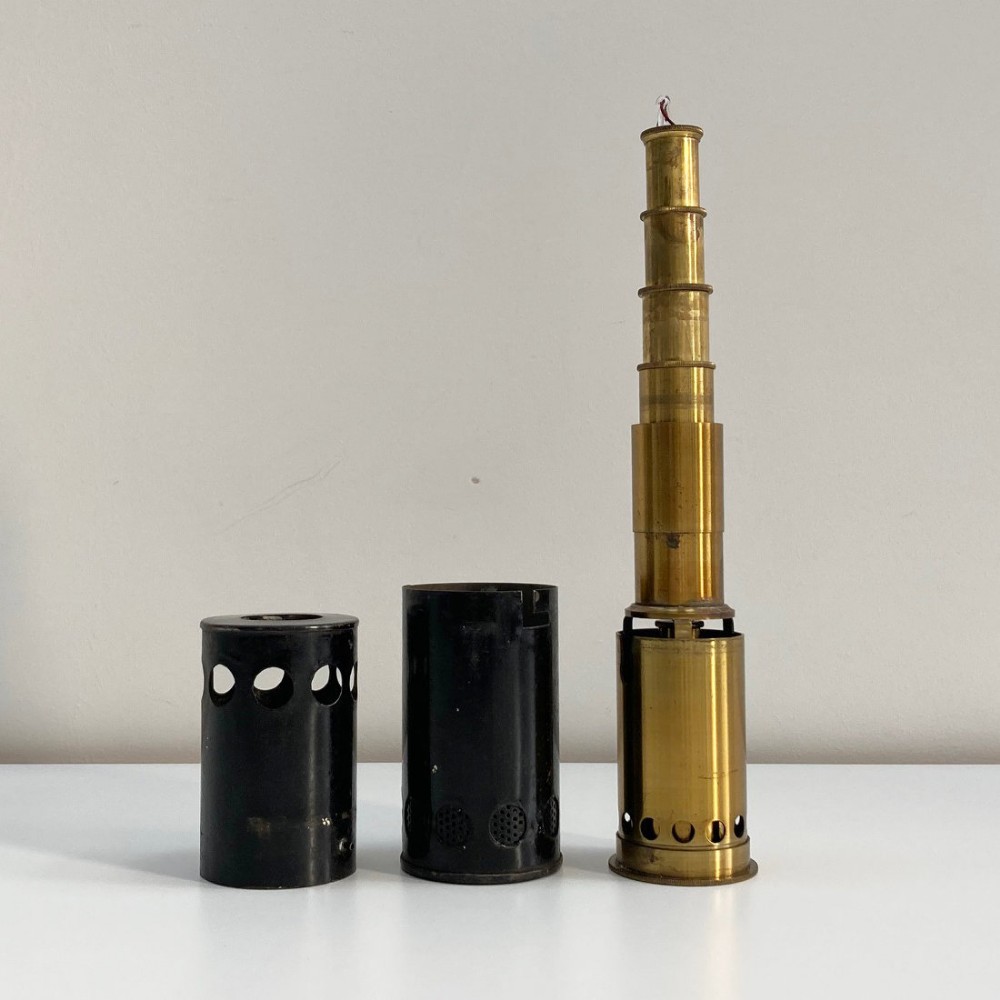
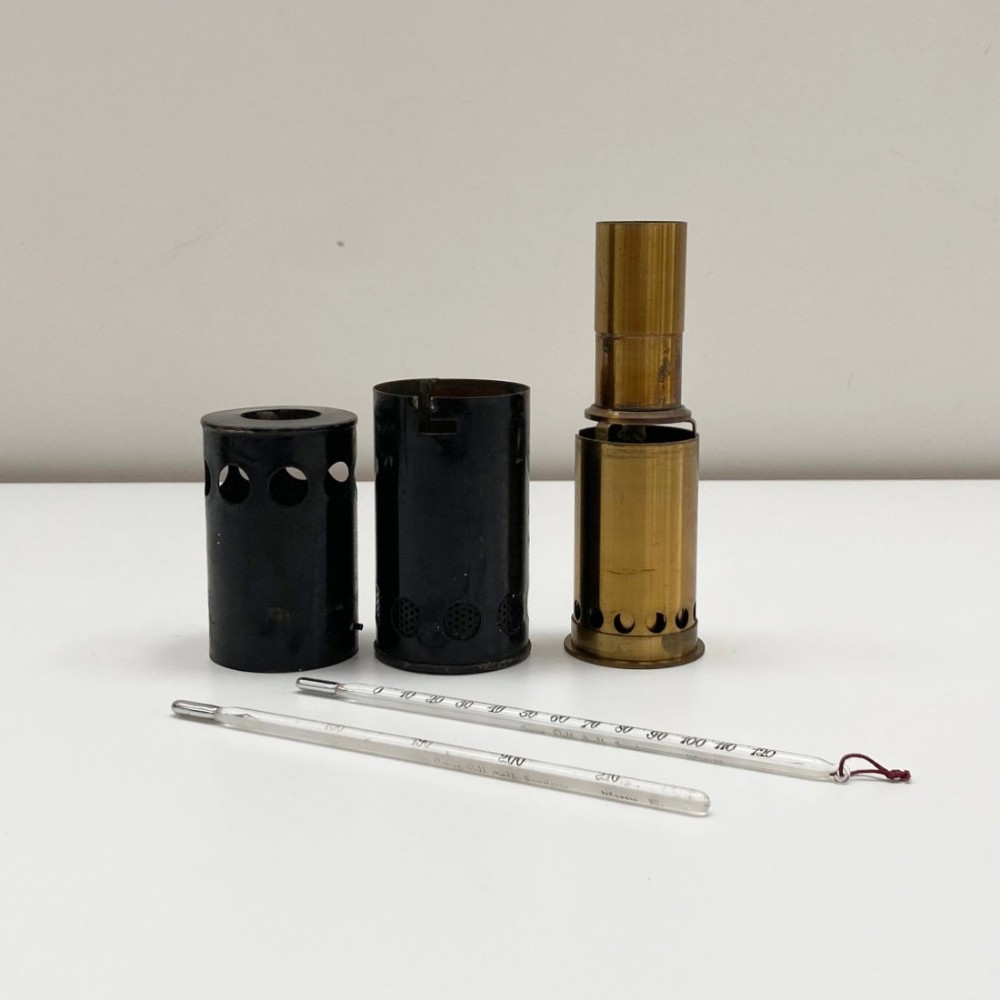
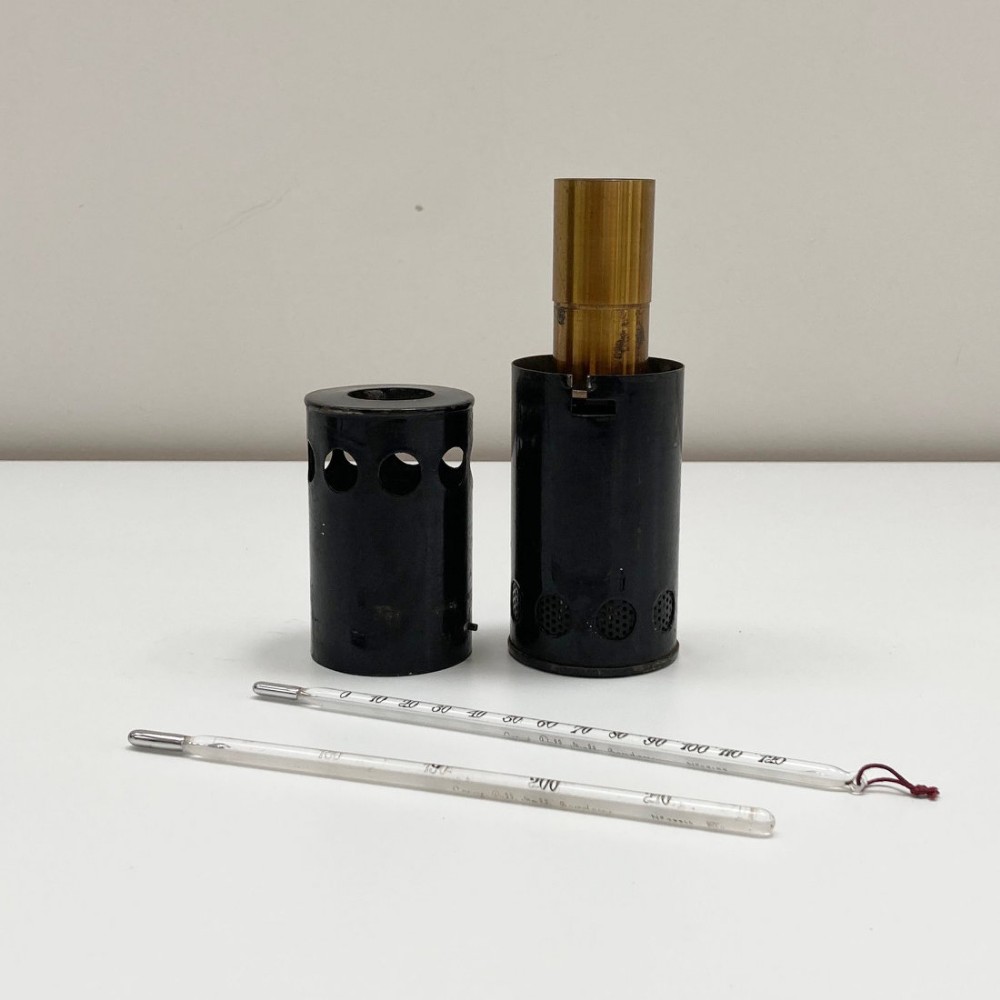
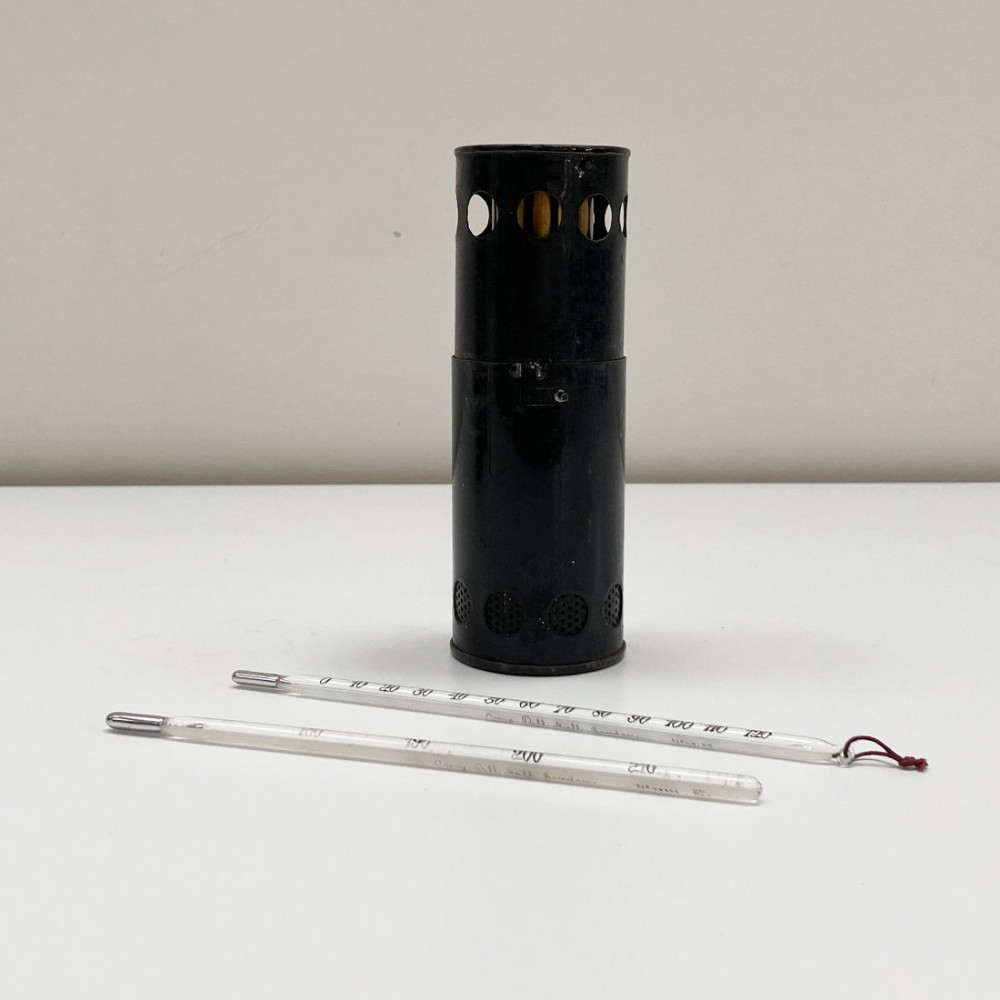
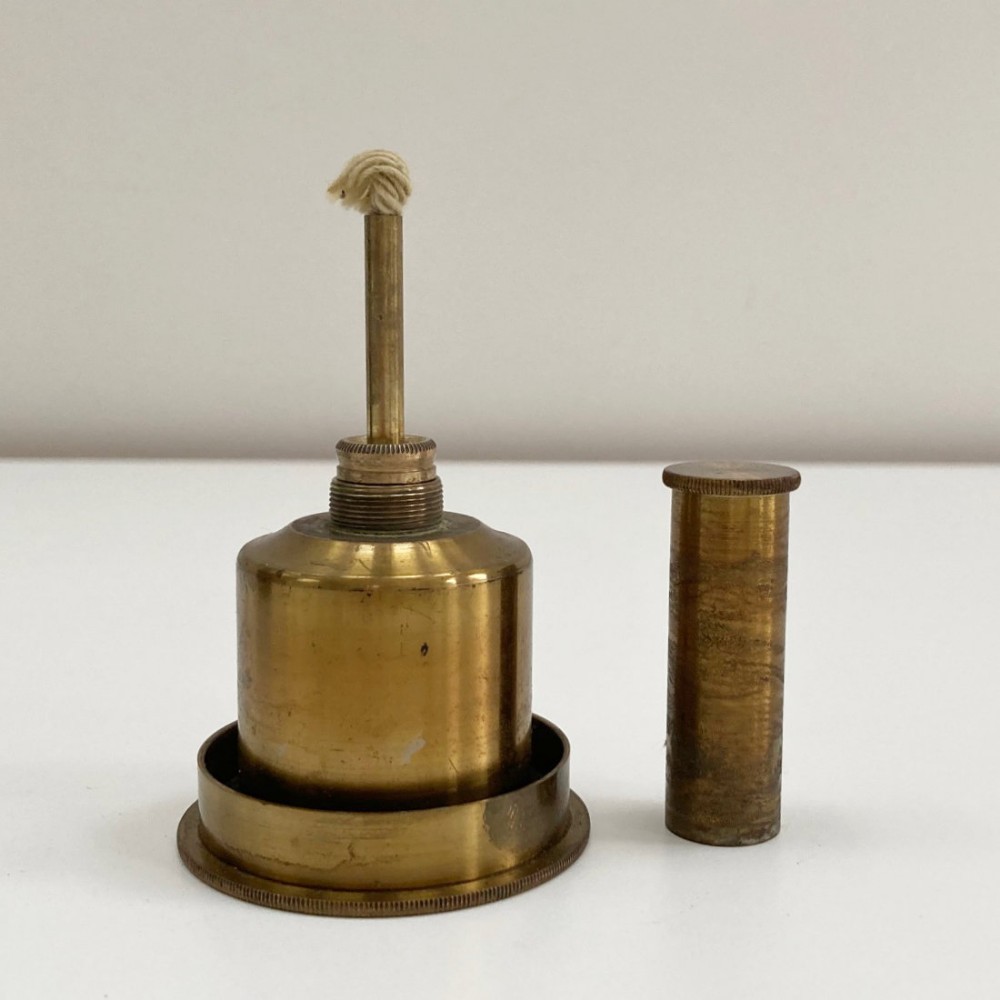
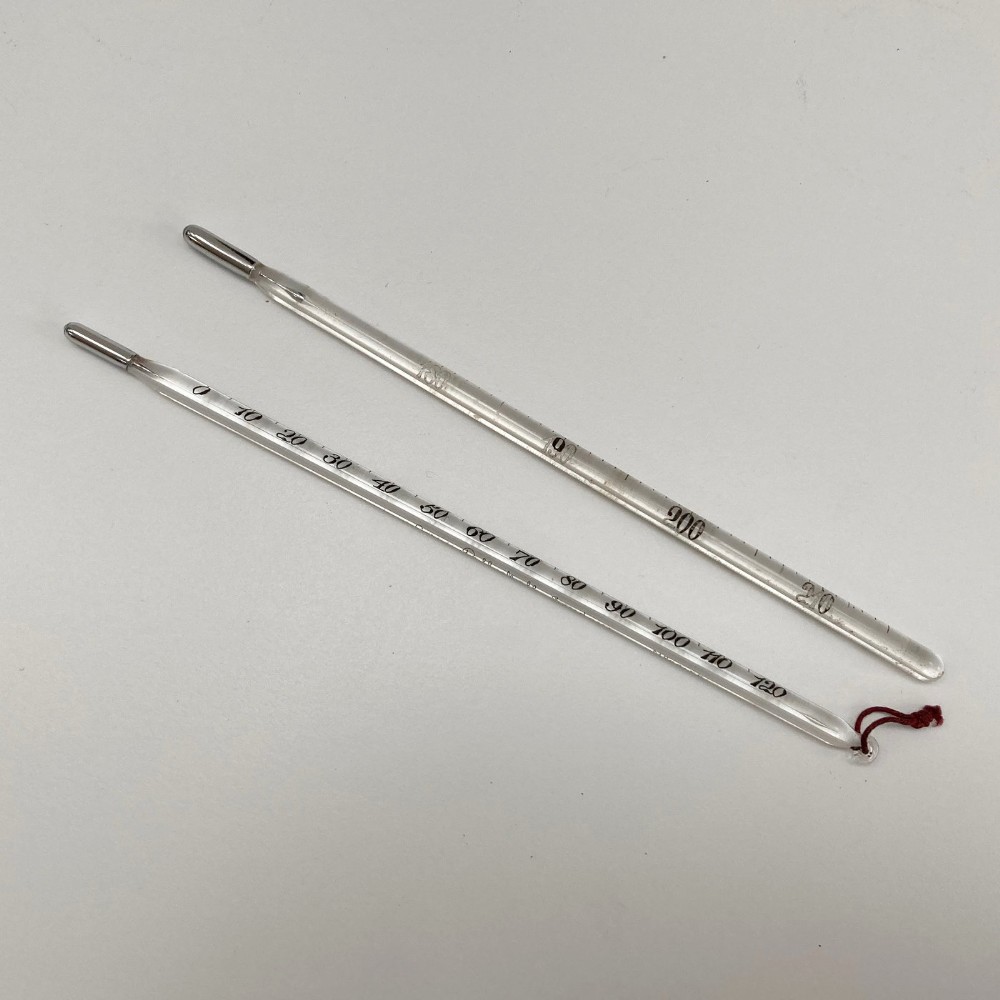
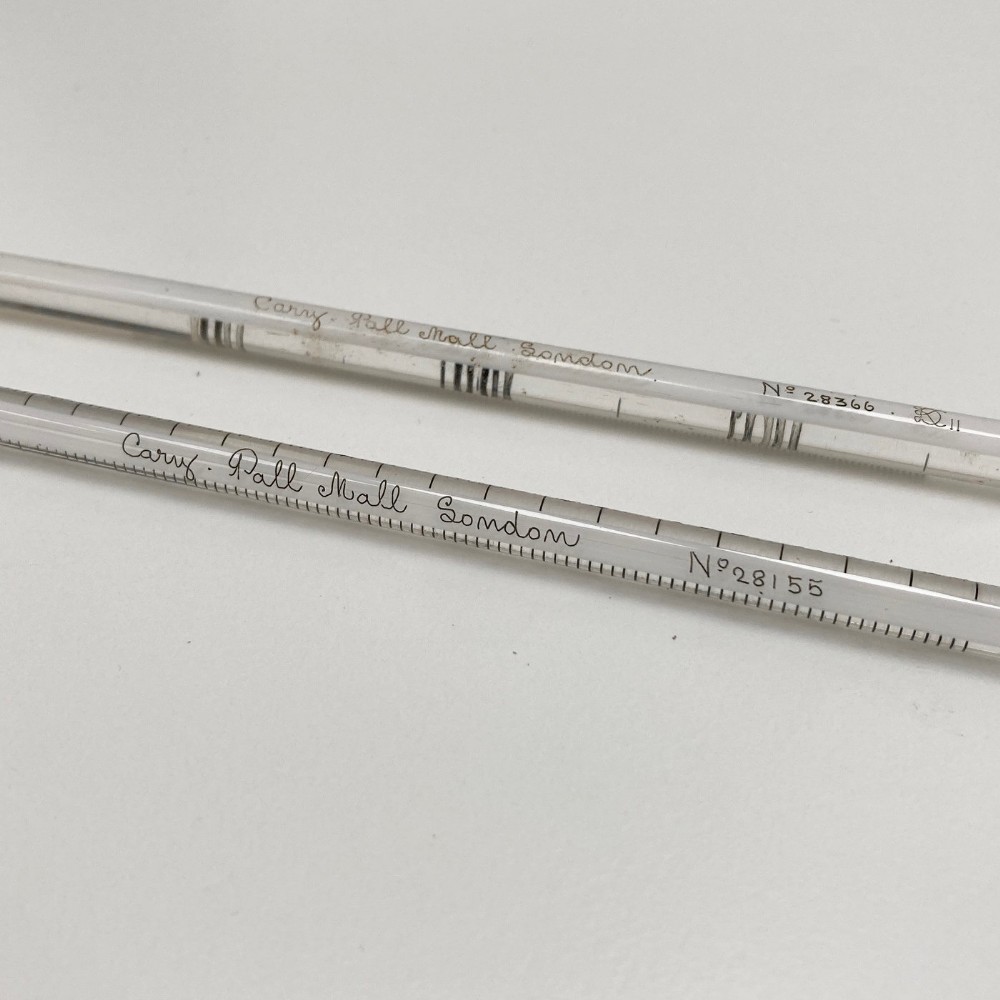
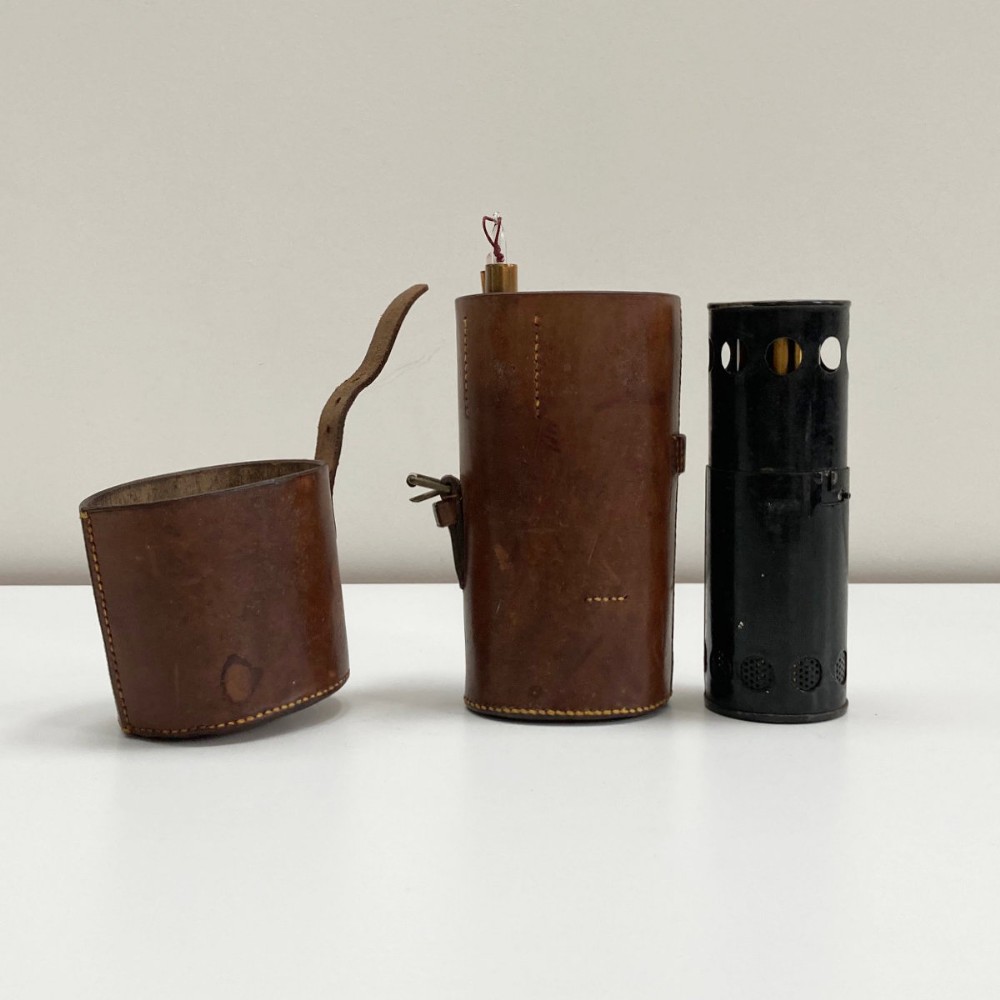
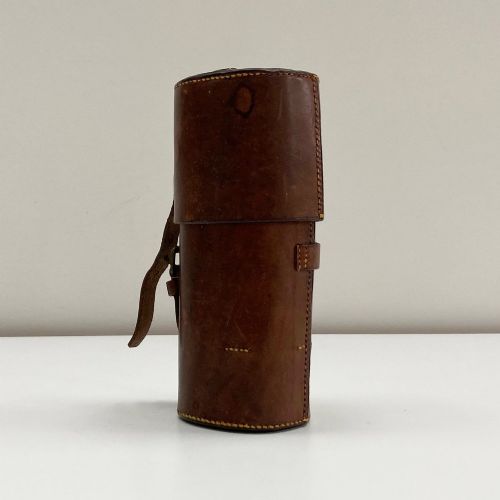
Contained in a leather carry case, this compact travel hypsometer is comprised of a spirit burner, a water vessel with telescopic jacketed column, two varying scale thermometers and an outer black painted, two part canister in order to allow steam to circulate. All of the components are neatly arranged so that they can be stored conveniently whilst travelling.

This uncommon instrument first invented by the eminent scientist William Hyde Wollaston and later improved by numerous others, is used as a means to measure elevation using atmospheric pressure. Its principle is based upon the fact that the boiling point of water becomes lower as atmospheric pressure becomes lighter. To use the instrument, water would be placed in the base of the telescopic column with the barrels extended and with the spirit burner placed below, the water would be heated to boiling point. The aperture at the top of the column allows for a thermometer to be placed inside in order to measure the boiling temperature of the water at a given elevation and through calculation, an exact elevation could be attained.
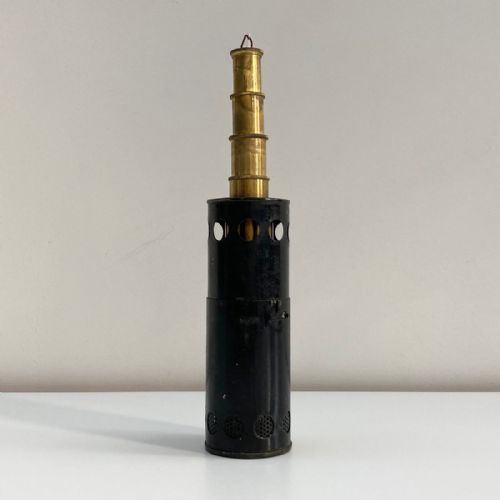
Popularised in the mid Nineteenth Century and used extensively in India for surveying by Colonel Sykes and later General Boileau (the pun is not intended), the hypsometer was considered a much easier instrument to carry for travel than attempting to manage the fragility of a mercury barometer in hard to reach and rugged terrain. This fact was not lost on the earlier manufacturers such as Casella. His catalogue of the early 1880’s states:
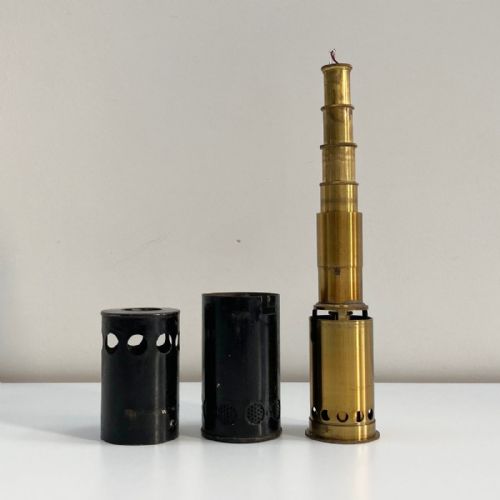
“Wherever the measurement of mountain heights is required to be taken by other means than the theodolite, or standard barometer, or where there may be danger or breakage of either, without any means of comparing or replacing them, this cheap and simple means of measuring heights will be found both efficient and handy, and it is at all times a reliable test with which to compare an aneroid or any other similar instrument, which from time to time requires to be compared and adjusted”
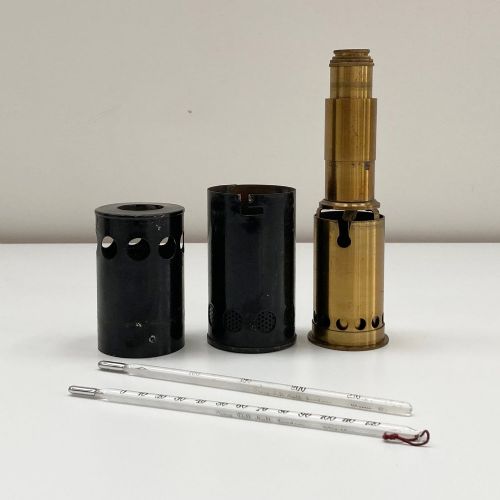
He continues to provide a quote from the famous Himalayan explorer, John Dalton Hooker:

”For the measurement of great mountain masses and continuously elevated areas, I conceive that hypsometrical results are as good as barometrical ones. For the general purposes of botanical geography, the boiling point thermometer supersedes the barometer in point of practical utility; for under every advantage the transport of a glass tube full of mercury, nearly three feet long, and cased in metal is a great drawback to the unrestrained motion of the traveller.”
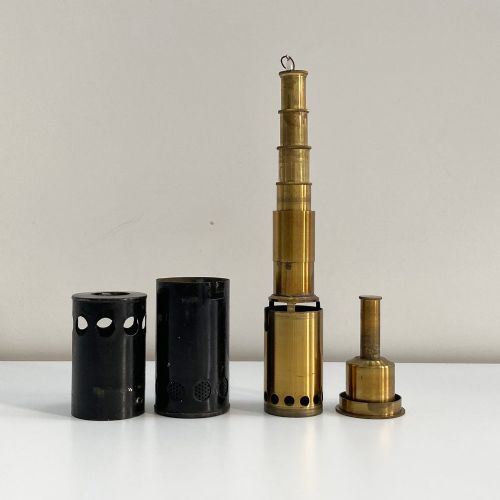
The quote is insightful but perhaps moreso a masterclass in advertising. It is certain that the hypsometer was certainly an advantageous instrument over the mercury barometer but the quote by Hooker was likely to have been made in the 1850’s after his return from the Himalayas (30 years before) and more importantly, the new aneroid barometer had largely superseded the requirement for either instrument. Casella is of course, well aware of this development and gently argues the case for the hypsometer as a means to compare aneroid readings.
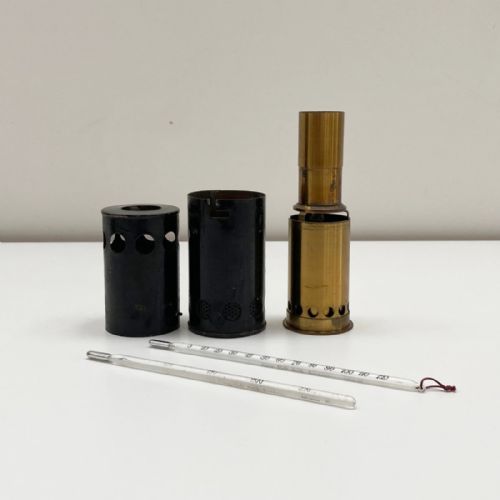
Having said all of the above, it does seem that the hypsometer did continue to be of some value. This example can be dated quite succinctly to the 1890’s and they continued to be produced into the early part of the Twentieth Century but their use dwindled in favour of the developments in aneroid barometers. It is another instrument much like the Adie’s sympiesometer that was developed in the Early Nineteenth Century and although considered of scientific value, only had a relatively short period of success due to the aneroid. As such, both are less familiar and certainly less common than their successor.

An interesting and complete example by a well respected London firm.

Physical Dimensions
Height
22cm (8.66")
Width
10cm (3.94")
Depth
8cm (3.15")
Declaration

Jason Clarke Antiques has dated this piece to the 1890s.

Reference Numbers
Sellingantiques Reference
SA841471
Description
For sale, a Late Victorian Cased Hypsometer by Cary of London.

Contained in a leather carry case, this compact travel hypsometer is comprised of a spirit burner, a water vessel with telescopic jacketed column, two varying scale thermometers and an outer black painted, two part canister in order to allow steam to circulate. All of the components are neatly arranged so that they can be stored conveniently whilst travelling.

This uncommon instrument first invented by the eminent scientist William Hyde Wollaston and later improved by numerous others, is used as a means to measure elevation using atmospheric pressure.
Jason Clarke Antiques

Its principle is based upon the fact that the boiling point of water becomes lower as atmospheric pressure becomes lighter. To use the instrument, water would be placed in the base of the telescopic column with the barrels extended and with the spirit burner placed below, the water would be heated to boiling point. The aperture at the top of the column allows for a thermometer to be placed inside in order to measure the boiling temperature of the water at a given elevation and through calculation, an exact elevation could be attained.

fig 1. Late Victorian Cased Hypsometer by Cary of London

Popularised in the mid Nineteenth Century and used extensively in India for surveying by Colonel Sykes and later General Boileau (the pun is not intended), the hypsometer was considered a much easier instrument to carry for travel than attempting to manage the fragility of a mercury barometer in hard to reach and rugged terrain. This fact was not lost on the earlier manufacturers such as Casella. His catalogue of the early 1880’s states:

fig 2. Late Victorian Cased Hypsometer by Cary of London

“Wherever the measurement of mountain heights is required to be taken by other means than the theodolite, or standard barometer, or where there may be danger or breakage of either, without any means of comparing or replacing them, this cheap and simple means of measuring heights will be found both efficient and handy, and it is at all times a reliable test with which to compare an aneroid or any other similar instrument, which from time to time requires to be compared and adjusted”

fig 3. Late Victorian Cased Hypsometer by Cary of London

He continues to provide a quote from the famous Himalayan explorer, John Dalton Hooker:

”For the measurement of great mountain masses and continuously elevated areas, I conceive that hypsometrical results are as good as barometrical ones. For the general purposes of botanical geography, the boiling point thermometer supersedes the barometer in point of practical utility; for under every advantage the transport of a glass tube full of mercury, nearly three feet long, and cased in metal is a great drawback to the unrestrained motion of the traveller.”

fig 4. Late Victorian Cased Hypsometer by Cary of London

The quote is insightful but perhaps moreso a masterclass in advertising. It is certain that the hypsometer was certainly an advantageous instrument over the mercury barometer but the quote by Hooker was likely to have been made in the 1850’s after his return from the Himalayas (30 years before) and more importantly, the new aneroid barometer had largely superseded the requirement for either instrument. Casella is of course, well aware of this development and gently argues the case for the hypsometer as a means to compare aneroid readings.

fig 5. Late Victorian Cased Hypsometer by Cary of London

Having said all of the above, it does seem that the hypsometer did continue to be of some value. This example can be dated quite succinctly to the 1890’s and they continued to be produced into the early part of the Twentieth Century but their use dwindled in favour of the developments in aneroid barometers. It is another instrument much like the Adie’s sympiesometer that was developed in the Early Nineteenth Century and although considered of scientific value, only had a relatively short period of success due to the aneroid. As such, both are less familiar and certainly less common than their successor.

An interesting and complete example by a well respected London firm.

Height
22cm (8.66")
Width
10cm (3.94")
Depth
8cm (3.15")
Date of Manufacture

Jason Clarke Antiques has dated this piece to the 1890s.

Reference Numbers
Sellingantiques Ref
SA841471
Jason Clarke Antiques
Sellingantiques verified Since Jul 2015
Dealer Profile

You can view the stock and full dealer information on the Jason Clarke Antiques Profile Page

PDF SHARE
SAVE
Late Victorian Cased Hypsometer by Cary of London
1 / 13
Archive I Late Victorian Cased Hypsometer by Cary of London
Late Victorian Cased Hypsometer by Cary of London
Archive II Late Victorian Cased Hypsometer by Cary of London View II
Archive III Late Victorian Cased Hypsometer by Cary of London View III
Archive IV Late Victorian Cased Hypsometer by Cary of London View IV
Archive V Late Victorian Cased Hypsometer by Cary of London View V
Archive VI Late Victorian Cased Hypsometer by Cary of London View VI
Archive VII Late Victorian Cased Hypsometer by Cary of London View VII
Archive VIII Late Victorian Cased Hypsometer by Cary of London View VIII
Archive IX Late Victorian Cased Hypsometer by Cary of London View IX
Archive X Late Victorian Cased Hypsometer by Cary of London View X
Archive XI Late Victorian Cased Hypsometer by Cary of London View XI
Archive XII Late Victorian Cased Hypsometer by Cary of London View XII
Archive XIII Late Victorian Cased Hypsometer by Cary of London View XIII
Enlarged Archival View
Telephone 07815 046645
Location
Newbury
Berkshire
United Kingdom
Verified Since Jul 2015
Items For Sale 80
Items Sold 607
Jason Clarke Antiques
Verified Since Jul 2015
View Dealer Info
Location: Newbury, Berkshire, United Kingdom
Verified
Jul 2015
For Sale
80
Sold
607
Late Victorian Cased Hypsometer by Cary of London
Ref: SA841471
Late Victorian Cased Hypsometer by Cary of London
Detail View 1
Detail View 2
Detail View 3
Detail View 4
Detail View 5
Detail View 6
Detail View 7
Detail View 8
Detail View 9
Detail View 10
Detail View 11
Detail View 12
Archival Detail
Every single antique dealer on our platform is individually approved by our internal team. We verify their professional trade history, ethical standards, and photographic quality to ensure a secure, high-standard buying environment. Upon joining, every dealer agrees to a strict 9-point code of conduct. While issues can occasionally arise, our dealers typically resolve them swiftly and directly with the buyer. In fact, since our founding in 2002, Sellingantiques has only had to step in to help resolve an issue on roughly five occasions—a true testament to the quality of our dealers and their dedication to your happiness.
Our dealers are highly experienced in packing and shipping fragile, high-value antiques. Because you are in direct contact with the dealer, you will be able to easily go through all available shipping and insurance options together to ensure your item arrives safely.
Antiques are the ultimate green purchase. By choosing historical pieces over newly manufactured goods, you completely eliminate the carbon footprint of modern mass production while preserving exceptional, timeless craftsmanship.
items
Add keywords to the filter
Price
£100
£250000
Era
Movements
Material
Origin
Stock Location
Freshness
Online Payments
Categories