48,873  PAGES BROWSED TODAY PAGES TODAY • 174 ANTIQUES UPLOADED TODAYNEW ARRIVALS
GIFTS
174 ITEMS ADDED TODAY
Sort Order
Items Per Page
Browse Categories
Sort order
Relevant Links
Items per page
ID #SA833781
SOLD
Email Phone
Save
Early Twentieth Century Met Office Pattern Soil Thermometer by Casella London
Sold by Jason Clarke Antiques
sold SA833781
Sorry, but this item has been sold.
Jason Clarke Antiques

Jason Clarke Antiques

Sellingantiques Verified Since Jul 2015
Browse dealers 78 items
Id #SA833781
PDF SHARE
SAVE

Early Twentieth Century Met Office Pattern Soil Thermometer by Casella London

1900 - 1920
Sold 25 March 2026 · Jason Clarke Antiques
This “Early Twentieth Century Met Office Pattern Soil Thermometer by Casella London” found a buyer.

It was listed by Jason Clarke Antiques. Sold pieces stay on Sellingantiques as a record of what has passed through, and the next one is rarely far away.

Description

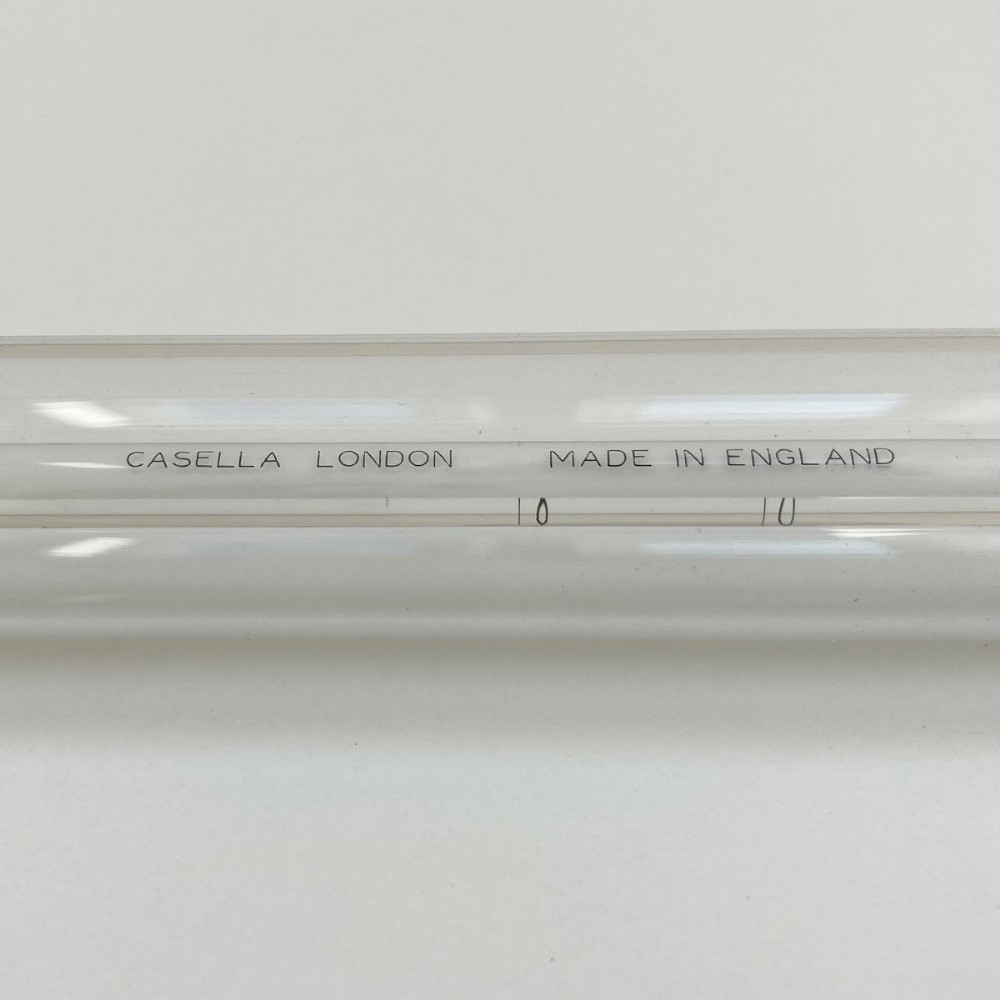
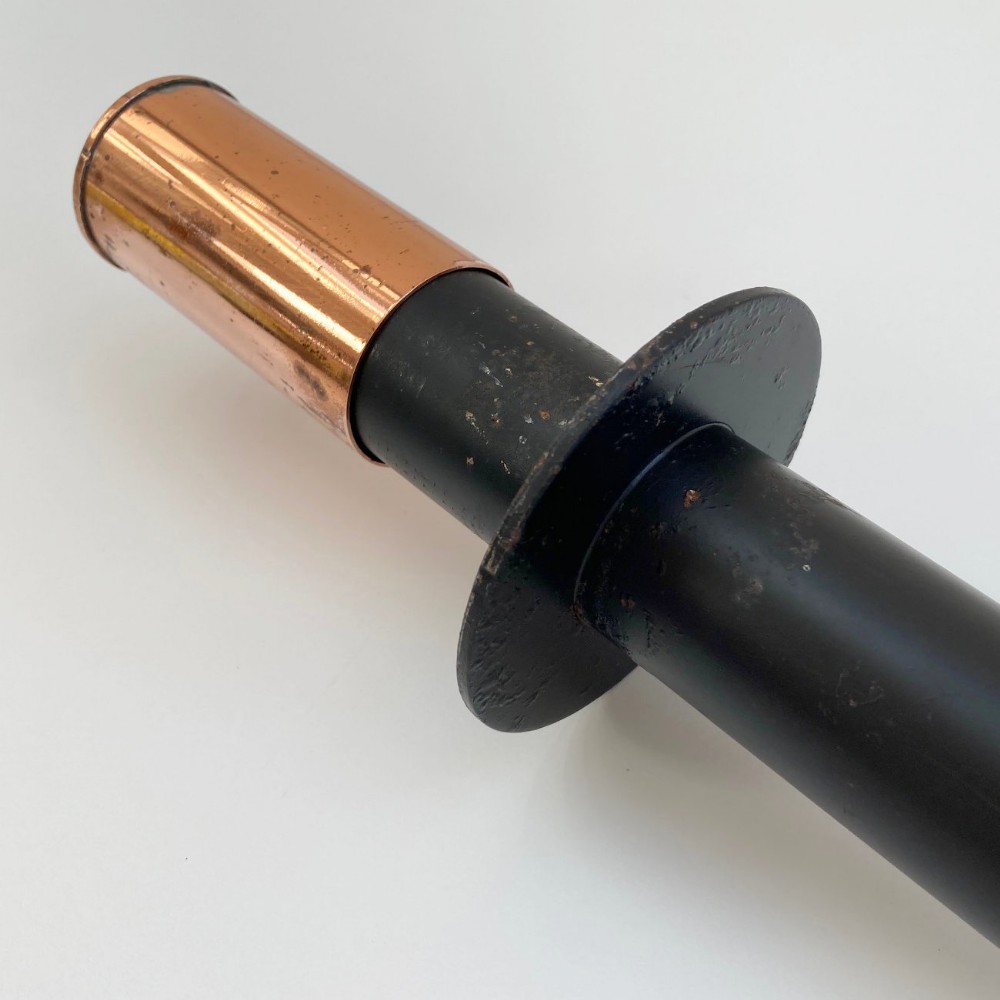
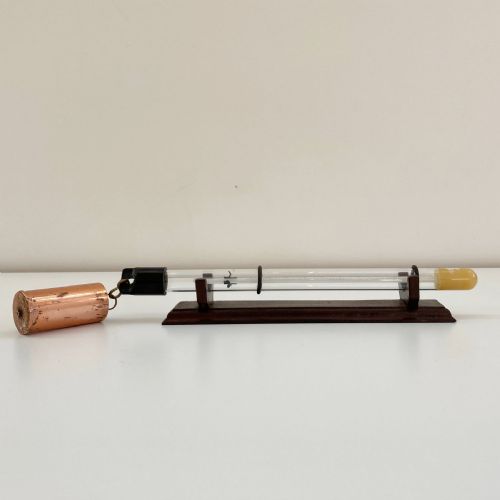
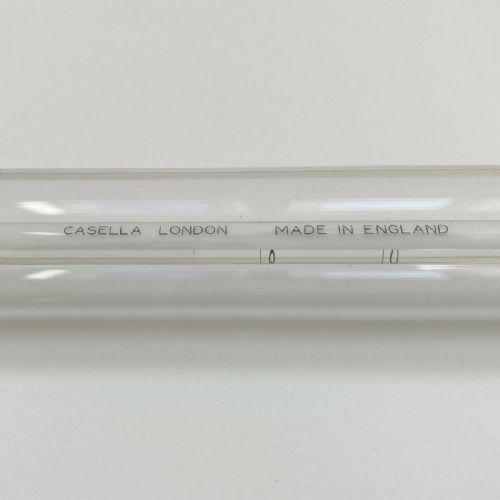
For sale, an early Twentieth Century Met Office Pattern Soil Thermometer by Casella London

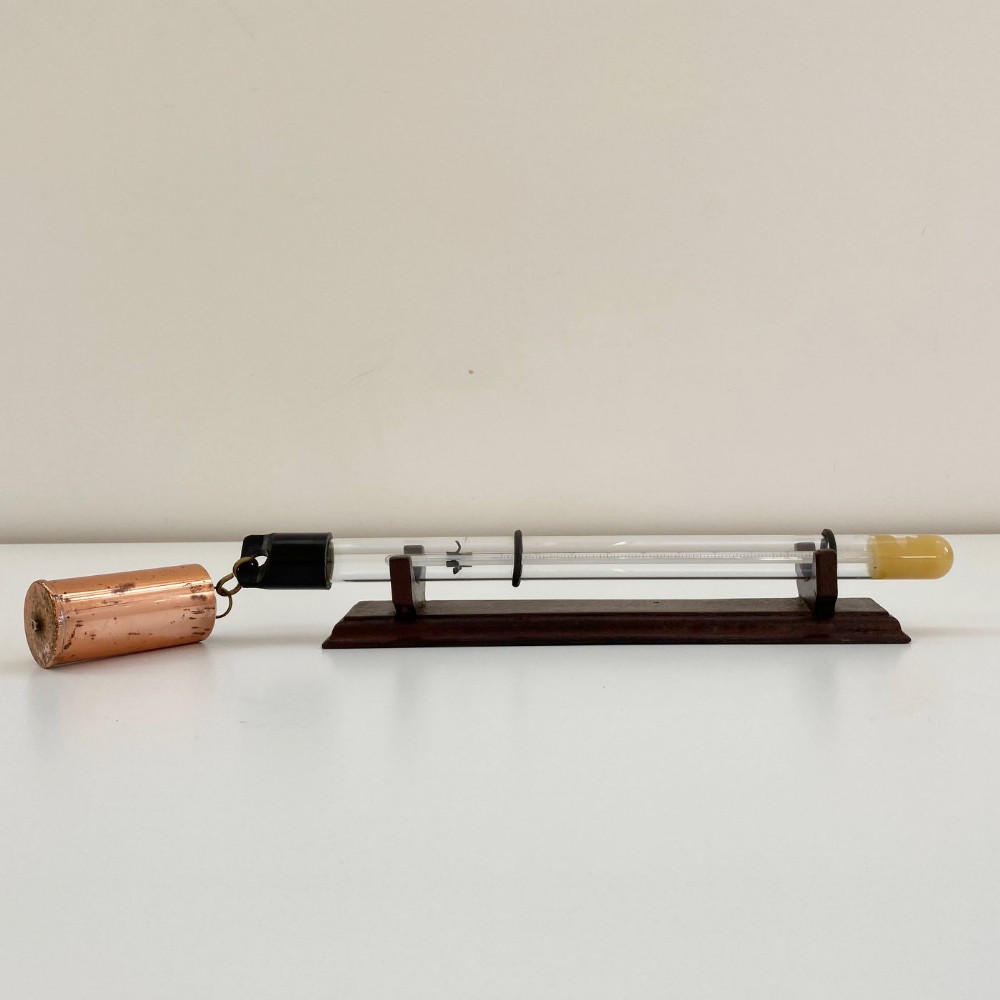
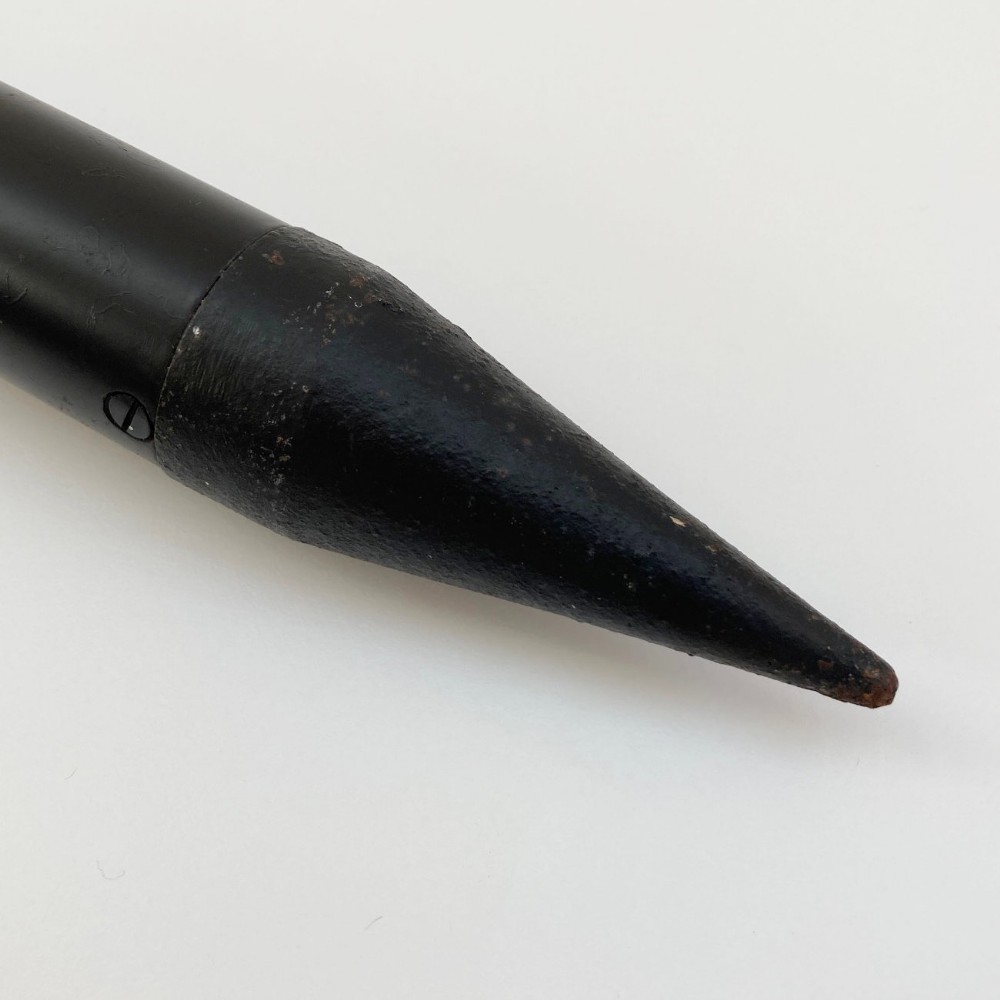
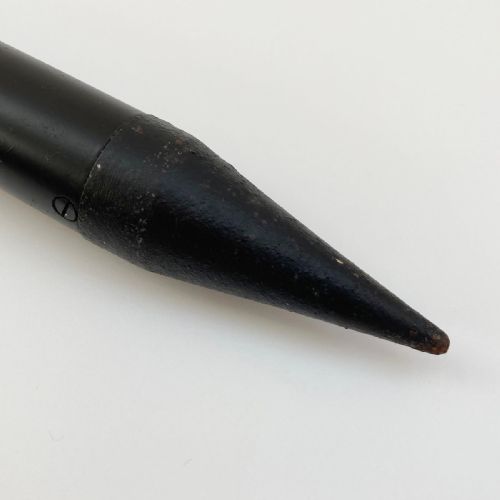
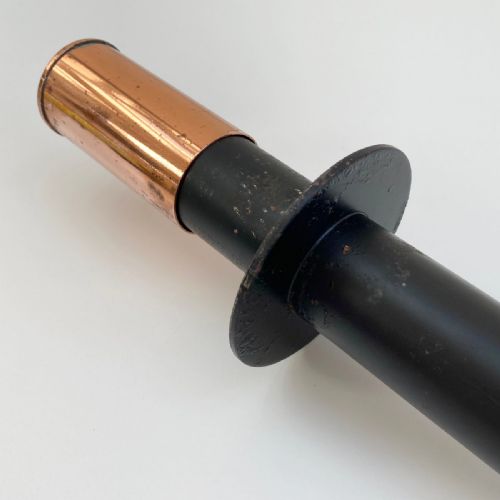
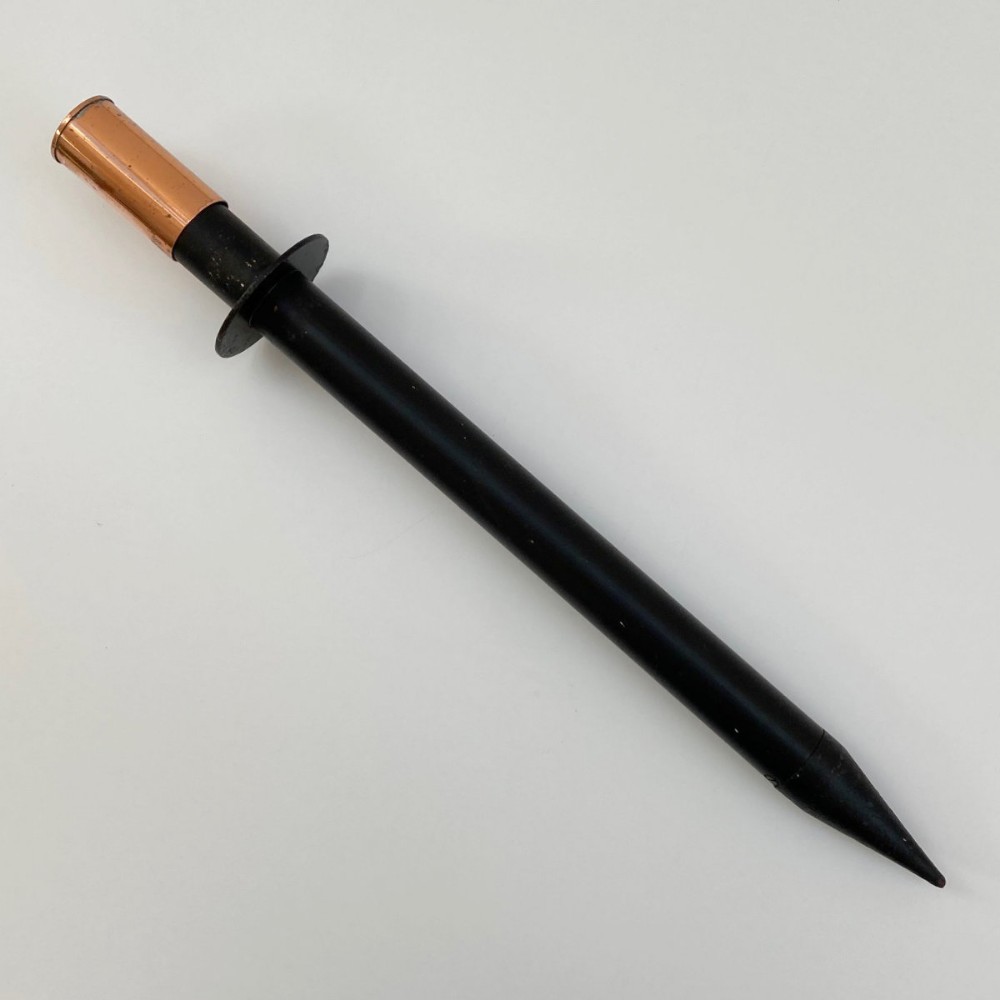
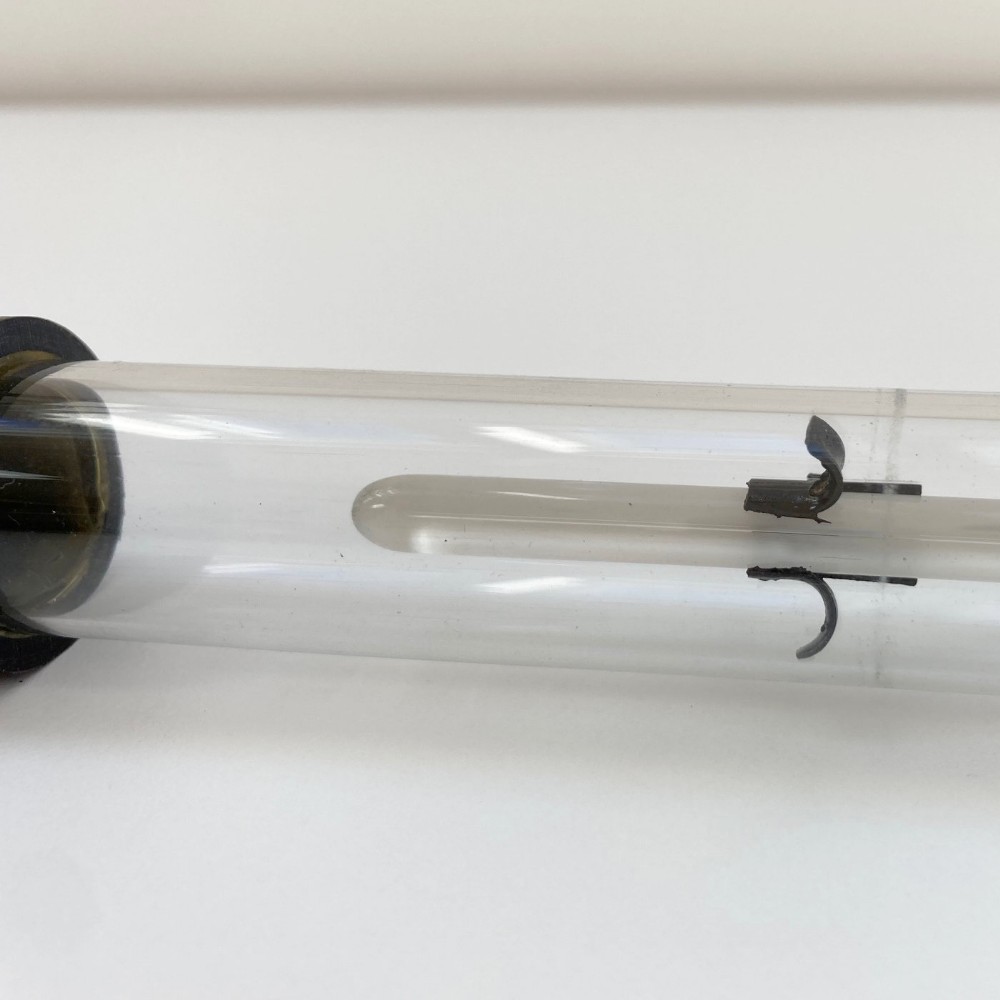
Comprised of a black painted steel spike shaped outer casing with circular ring to denote the correct depth for the spike to be inserted into the ground. The Casella thermometer is described as thus in their catalogues of the period:
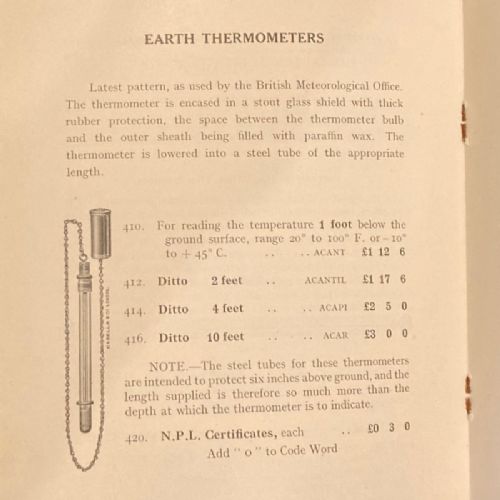
“Earth Thermometer

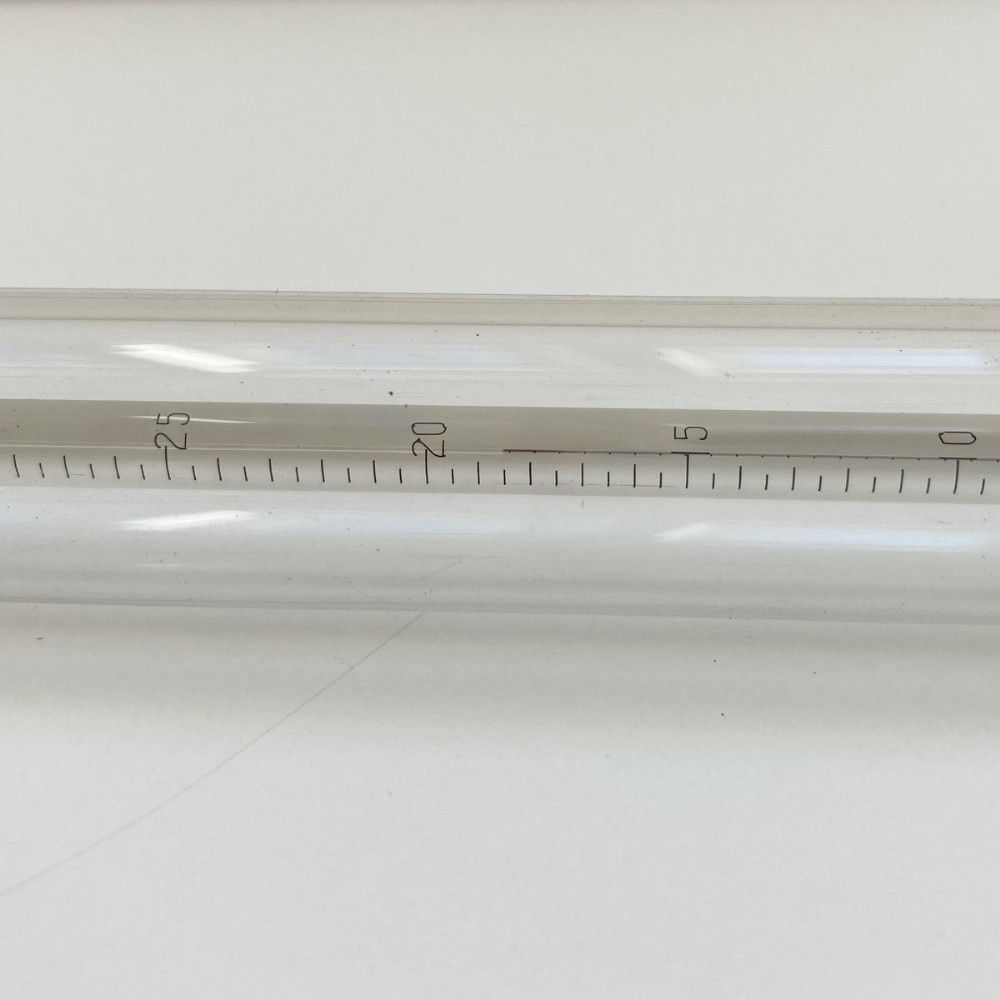
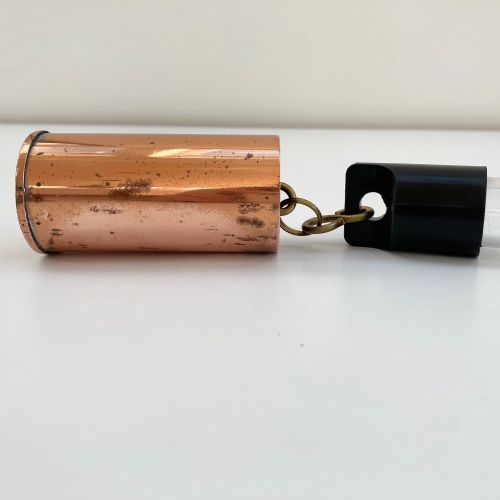
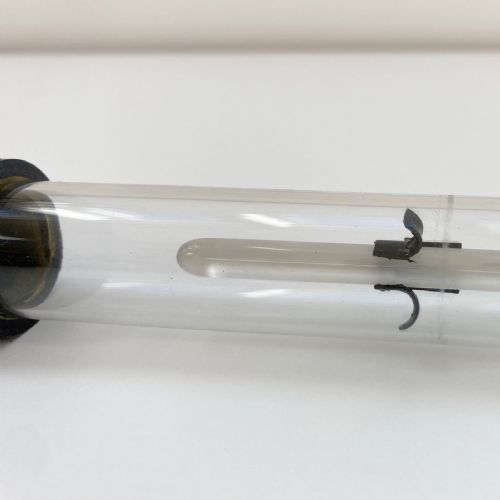
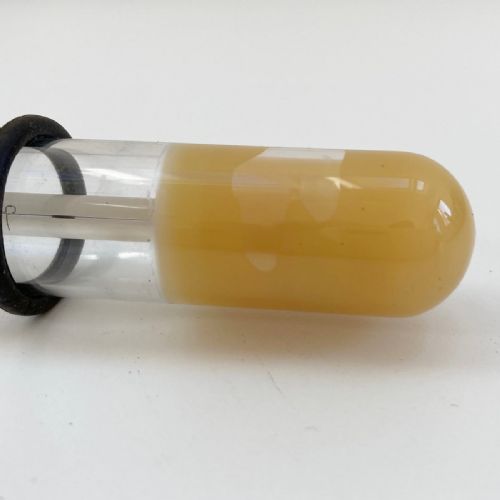
Latest pattern, as used by the British Meteorological Office. The thermometer is encased in a stout glass shield with thick rubber protection, the space between the thermometer bulb and the outer sheath being filled with paraffin wax. The thermometer is lowered into a steel tube of appropriate length.”
Casella made these thermometer in lengths between 1 foot and 10 feet depending on requirement, it notes that:

“The steel tubes for these thermometers are intended to project six inches above ground, and the length supplied is therefore so much more than the depth at which the thermometer is to indicate.”
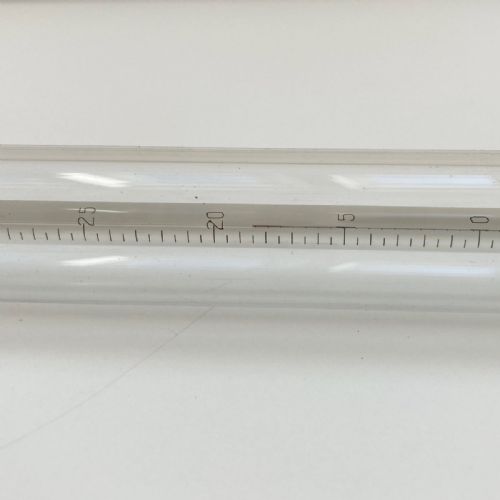
Probably the most common for normal meteorological recordings, this example is the smallest example of its type and remains in superb condition and in good working order. A super design and a rare meteorological thermometer.
Given their Italian origins, it is perhaps not surprising that like Negretti & Zambra, Casella also hailed from the Como region of Italy and he was very well acquainted with his competition.

Luigi Pasquale Casella was the son of a musician who came to The British Isles in the Early Nineteenth Century and the anglicised “Louis” was born in Edinburgh in 1812. His Father eventually rose to be a music tutor to George III’s daughters but by the 1830’s, his son had apprenticed to Cesar Tagliabue, a noted Italian instrument maker who had been in London since the turn of the century.
Casella eventually married Tagliabue’s daughter in 1837 and shortly after formed the partnership of Tagliabue and Casella with his new father in law in 1838. Tagliabue was already known to have been exporting his products to South America and Europe and must have provided Casella with a perfect grounding in both instrument making and more importantly in the business of selling them.
It is somewhat strange that this partnership should ever had existed given that Cesar is known to have had three sons, John, Anthony & Angelo but presumably his focus was on providing his daughter and her husband an equally good opportunity in life. The numerous Tagliabue’s listed in trade directories of the period would suggest that the family remained close knit in any case and the son John also went on to form an early partnership with Joseph Zambra prior to the latter’s more famous partnership with Henry Negretti in 1850.
Cesar Tagliabue eventually died in 1844 leaving the business to be solely managed by his son in law Louis Casella and the under his long stewardship became one of the most renowned scientific instrument making firms of the nineteenth century, providing products to the likes of Darwin and Livingstone. Cordial relations were almost certainly maintained with Negretti & Zambra over the years as Casella’s catalogue of the 1860’s shares numerous similarities with his competitor. Both were equally capable makers so it suggests that the parties were probably sharing manufacturing practises to create greater industry and both exhibited with great success at The Great Exhibition and the following Exhibition of 1862 where Casella was awarded a prize for his meteorological instruments.
By this point, his catalogues state that he was employed as an instrument maker to The Admiralty, The Board of Trade, Board of Ordnance, The War Department, The Royal Observatories at Kew and The Cape of Good Hope and numerous Governments and Universities.

Casella’s sons, Louis Marino and Charles Frederick both trained under their Father alongside other members of the Tagliabue family and also

Physical Dimensions
Height
55cm (21.65")
Width
8cm (3.15")
Depth
8cm (3.15")
Declaration

Jason Clarke Antiques has dated this Antique Soil Thermometer to the 1920s.

Reference Numbers
Sellingantiques Reference
SA833781
Description
For sale, an early Twentieth Century Met Office Pattern Soil Thermometer by Casella London
“
Comprised of a black painted steel spike shaped outer casing with circular ring to denote the correct depth for the spike to be inserted into the ground.
Jason Clarke Antiques

The Casella thermometer is described as thus in their catalogues of the period:

fig 1. An early twentieth-century cylindrical black metal and copper soil thermometer with a pointed tip and collar flange sits vertically against a neutral background.
fig 1. Early Twentieth Century Met Office Pattern Soil Thermometer by Casella London

“Earth Thermometer

Latest pattern, as used by the British Meteorological Office. The thermometer is encased in a stout glass shield with thick rubber protection, the space between the thermometer bulb and the outer sheath being filled with paraffin wax. The thermometer is lowered into a steel tube of appropriate length.”

fig 2. An early twentieth-century cylindrical black metal and copper soil thermometer with a pointed tip and collar flange sits vertically against a neutral background.
fig 2. Early Twentieth Century Met Office Pattern Soil Thermometer by Casella London

Casella made these thermometer in lengths between 1 foot and 10 feet depending on requirement, it notes that:

“The steel tubes for these thermometers are intended to project six inches above ground, and the length supplied is therefore so much more than the depth at which the thermometer is to indicate.”

fig 3. An early twentieth-century cylindrical black metal and copper soil thermometer with a pointed tip and collar flange sits vertically against a neutral background.
fig 3. Early Twentieth Century Met Office Pattern Soil Thermometer by Casella London

Probably the most common for normal meteorological recordings, this example is the smallest example of its type and remains in superb condition and in good working order. A super design and a rare meteorological thermometer.

fig 4. An early twentieth-century cylindrical black metal and copper soil thermometer with a pointed tip and collar flange sits vertically against a neutral background.
fig 4. Early Twentieth Century Met Office Pattern Soil Thermometer by Casella London

Given their Italian origins, it is perhaps not surprising that like Negretti & Zambra, Casella also hailed from the Como region of Italy and he was very well acquainted with his competition.

Luigi Pasquale Casella was the son of a musician who came to The British Isles in the Early Nineteenth Century and the anglicised “Louis” was born in Edinburgh in 1812. His Father eventually rose to be a music tutor to George III’s daughters but by the 1830’s, his son had apprenticed to Cesar Tagliabue, a noted Italian instrument maker who had been in London since the turn of the century.

fig 5. An early twentieth-century cylindrical black metal and copper soil thermometer with a pointed tip and collar flange sits vertically against a neutral background.
fig 5. Early Twentieth Century Met Office Pattern Soil Thermometer by Casella London

Casella eventually married Tagliabue’s daughter in 1837 and shortly after formed the partnership of Tagliabue and Casella with his new father in law in 1838. Tagliabue was already known to have been exporting his products to South America and Europe and must have provided Casella with a perfect grounding in both instrument making and more importantly in the business of selling them.

fig 6. An early twentieth-century cylindrical black metal and copper soil thermometer with a pointed tip and collar flange sits vertically against a neutral background.
fig 6. Early Twentieth Century Met Office Pattern Soil Thermometer by Casella London

It is somewhat strange that this partnership should ever had existed given that Cesar is known to have had three sons, John, Anthony & Angelo but presumably his focus was on providing his daughter and her husband an equally good opportunity in life. The numerous Tagliabue’s listed in trade directories of the period would suggest that the family remained close knit in any case and the son John also went on to form an early partnership with Joseph Zambra prior to the latter’s more famous partnership with Henry Negretti in 1850.

fig 7. An early twentieth-century cylindrical black metal and copper soil thermometer with a pointed tip and collar flange sits vertically against a neutral background.
fig 7. Early Twentieth Century Met Office Pattern Soil Thermometer by Casella London

Cesar Tagliabue eventually died in 1844 leaving the business to be solely managed by his son in law Louis Casella and the under his long stewardship became one of the most renowned scientific instrument making firms of the nineteenth century, providing products to the likes of Darwin and Livingstone. Cordial relations were almost certainly maintained with Negretti & Zambra over the years as Casella’s catalogue of the 1860’s shares numerous similarities with his competitor. Both were equally capable makers so it suggests that the parties were probably sharing manufacturing practises to create greater industry and both exhibited with great success at The Great Exhibition and the following Exhibition of 1862 where Casella was awarded a prize for his meteorological instruments.

fig 8. An early twentieth-century cylindrical black metal and copper soil thermometer with a pointed tip and collar flange sits vertically against a neutral background.
fig 8. Early Twentieth Century Met Office Pattern Soil Thermometer by Casella London

By this point, his catalogues state that he was employed as an instrument maker to The Admiralty, The Board of Trade, Board of Ordnance, The War Department, The Royal Observatories at Kew and The Cape of Good Hope and numerous Governments and Universities.

Casella’s sons, Louis Marino and Charles Frederick both trained under their Father alongside other members of the Tagliabue family and also

Height
55cm (21.65")
Width
8cm (3.15")
Depth
8cm (3.15")
Date of Manufacture

Jason Clarke Antiques has dated this Antique Soil Thermometer to the 1920s.

Reference Numbers
Sellingantiques Ref
SA833781
Jason Clarke Antiques
Sellingantiques verified Since Jul 2015
Dealer Profile

You can view the stock and full dealer information on the Jason Clarke Antiques Profile Page
PDF SHARE
SAVE
An early twentieth-century cylindrical black metal and copper soil thermometer with a pointed tip and collar flange sits vertically against a neutral background. SOLD6+ MONTHS AGO
1 / 10
Archive I An early twentieth-century cylindrical black metal and copper soil thermometer with a pointed tip and collar flange sits vertically against a neutral background. SOLD6+ MONTHS AGO

Early Twentieth Century Met Office Pattern Soil Thermometer by Casella London
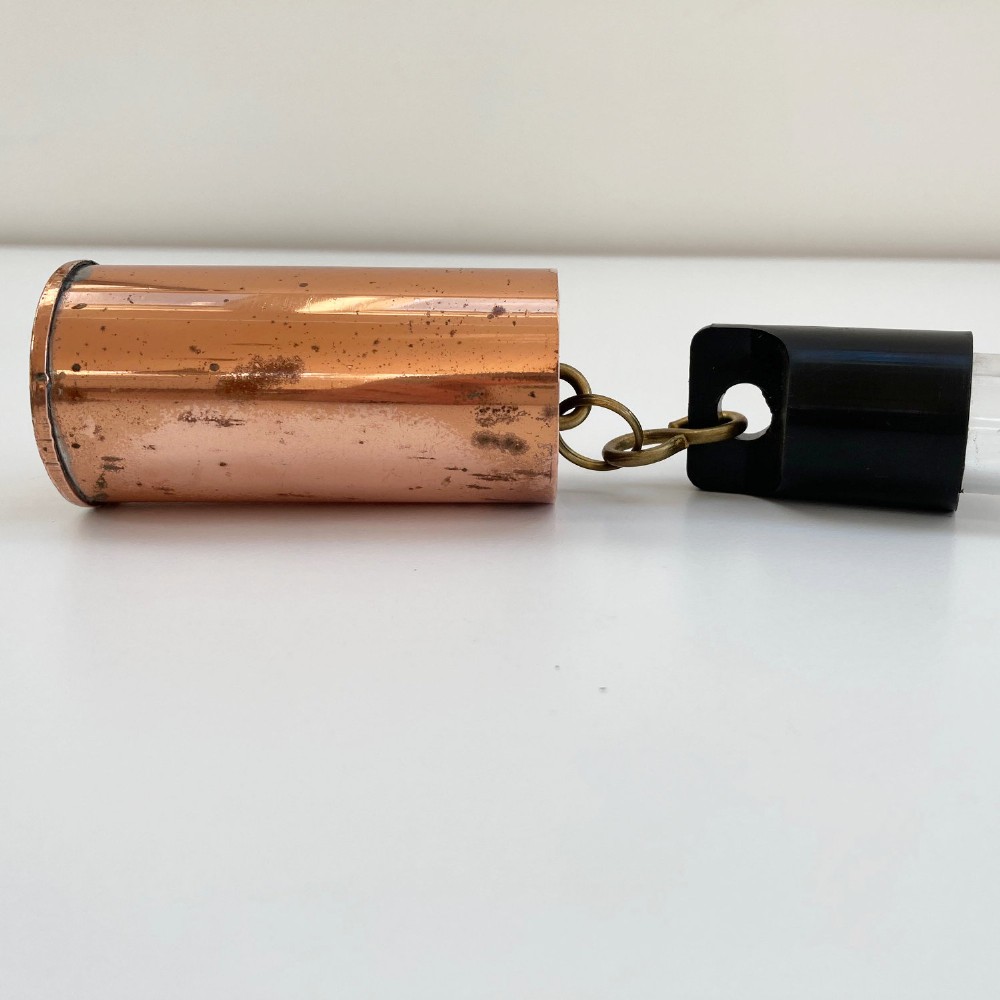
Archive II An early twentieth-century cylindrical black metal and copper soil thermometer with a pointed tip and collar flange sits vertically against a neutral background. View II
Archive III An early twentieth-century cylindrical black metal and copper soil thermometer with a pointed tip and collar flange sits vertically against a neutral background. View III
Archive IV An early twentieth-century cylindrical black metal and copper soil thermometer with a pointed tip and collar flange sits vertically against a neutral background. View IV
Archive V An early twentieth-century cylindrical black metal and copper soil thermometer with a pointed tip and collar flange sits vertically against a neutral background. View V
Archive VI An early twentieth-century cylindrical black metal and copper soil thermometer with a pointed tip and collar flange sits vertically against a neutral background. View VI
Archive VII An early twentieth-century cylindrical black metal and copper soil thermometer with a pointed tip and collar flange sits vertically against a neutral background. View VII
Archive VIII An early twentieth-century cylindrical black metal and copper soil thermometer with a pointed tip and collar flange sits vertically against a neutral background. View VIII
Archive IX An early twentieth-century cylindrical black metal and copper soil thermometer with a pointed tip and collar flange sits vertically against a neutral background. View IX
Archive X An early twentieth-century cylindrical black metal and copper soil thermometer with a pointed tip and collar flange sits vertically against a neutral background. View X
Enlarged Archival View
Telephone 07815 046645
Location
Newbury
Berkshire
United Kingdom
Verified Since Jul 2015
Items For Sale 78
Items Sold 609
Jason Clarke Antiques
Verified Since Jul 2015
View Dealer Info
Location: Newbury, Berkshire, United Kingdom
Verified
Jul 2015
For Sale
78
Sold
609
An early twentieth-century cylindrical black metal and copper soil thermometer with a pointed tip and collar flange sits vertically against a neutral background.
Early Twentieth Century Met Office Pattern Soil Thermometer by Casella London
Ref: SA833781
An early twentieth-century cylindrical black metal and copper soil thermometer with a pointed tip and collar flange sits vertically against a neutral background.
Detail View 1
Detail View 2
Detail View 3
Detail View 4
Detail View 5
Detail View 6
Detail View 7
Detail View 8
Detail View 9
Archival Detail
Every single antique dealer on our platform is individually approved by our internal team. We verify their professional trade history, ethical standards, and photographic quality to ensure a secure, high-standard buying environment. Upon joining, every dealer agrees to a strict 9-point code of conduct. While issues can occasionally arise, our dealers typically resolve them swiftly and directly with the buyer. In fact, since our founding in 2002, Sellingantiques has only had to step in to help resolve an issue on roughly five occasions—a true testament to the quality of our dealers and their dedication to your happiness.
Our dealers are highly experienced in packing and shipping fragile, high-value antiques. Because you are in direct contact with the dealer, you will be able to easily go through all available shipping and insurance options together to ensure your item arrives safely.
Antiques are the ultimate green purchase. By choosing historical pieces over newly manufactured goods, you completely eliminate the carbon footprint of modern mass production while preserving exceptional, timeless craftsmanship.
Written by Sellingantiques from the dealer’s photographs and listing
  • ObjectScientific Instrument
  • Period1900 - 1920
  • StyleIndustrial
  • MaterialBrass, Iron, Painted Metal
  • ColourBlack, Copper
  • MotifsCylindrical body, Pointed ground spike, Collar flange, Metal casing
  • SizeH 55 cm (22 in) x W 8 cm (3 in) x D 8 cm (3 in)

An antique soil thermometer is a specialized meteorological instrument designed to measure ground temperature at various depths, utilized extensively by the Meteorological Office, agricultural researchers, and gardeners to monitor soil conditions for planting and scientific study.

These instruments typically featured durable combinations of cast iron, brass, copper, and glass, engineered to withstand outdoor weather exposure while maintaining precise mechanical integrity.

Authentic pieces often bear maker engravings or stamps, possess heavy-gauge metal construction consistent with early twentieth-century industrial manufacturing methods, and display natural patina and oxidation on brass and iron components.

They make excellent display objects on bookshelves, desks, or mantelpieces, adding an element of industrial history and intellectual curiosity to study rooms, libraries, or contemporary living spaces.

Preservation involves keeping the items in a stable indoor environment away from excessive humidity to prevent further corrosion, gently dusting with a dry microfibre cloth, and avoiding harsh chemical polishes that strip historical patina.
items
Add keywords to the filter
Price
£100
£250000
Era
Period
Style
Material
Origin
Stock Location
Recently Added
Online Payments
Categories