

Edwardian Instrument
These pieces known as an edwardian instrument span practical barometers, compasses and writing tools built for daily utility.
Edwardian Instrument
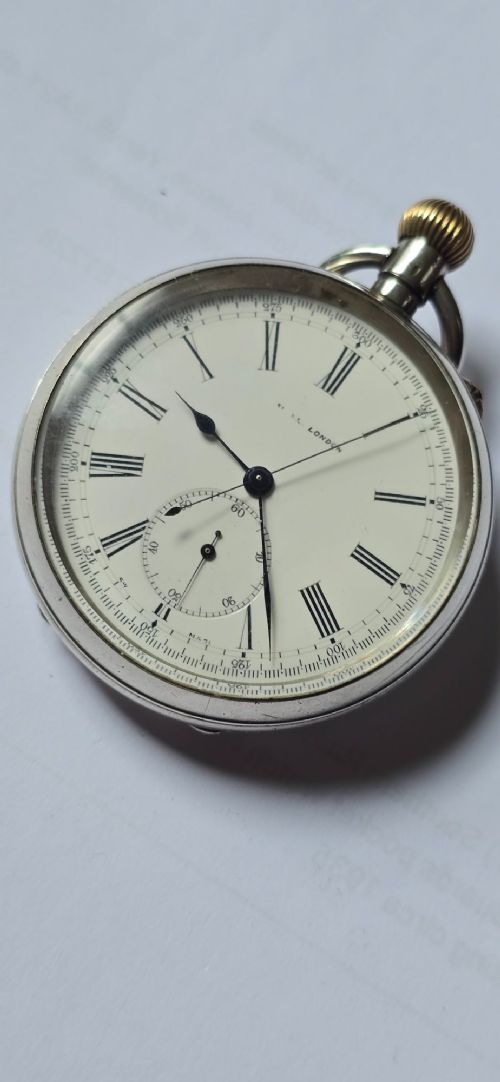
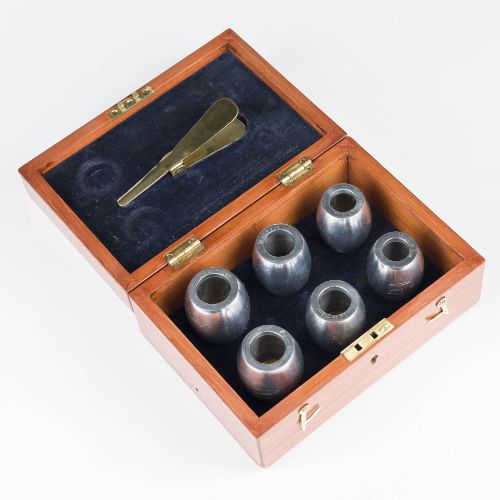
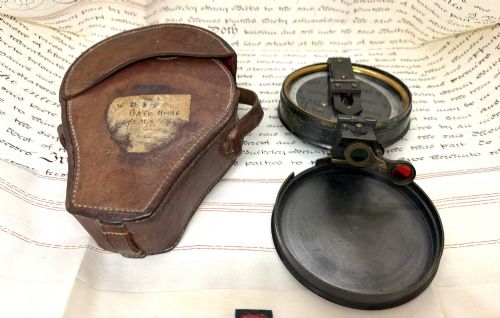
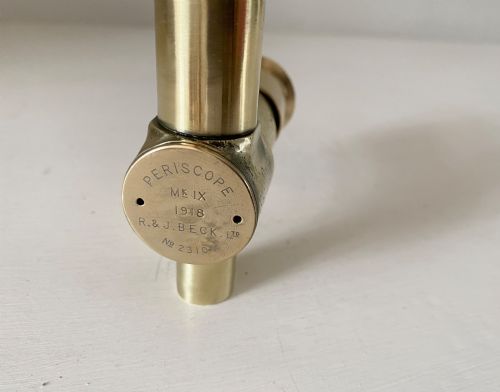
When buyers search for an edwardian instrument, they encounter precision devices designed for navigation, meteorology and personal use. These artefacts range from pocket barometers and deck watches to library instruments and military periscopes.
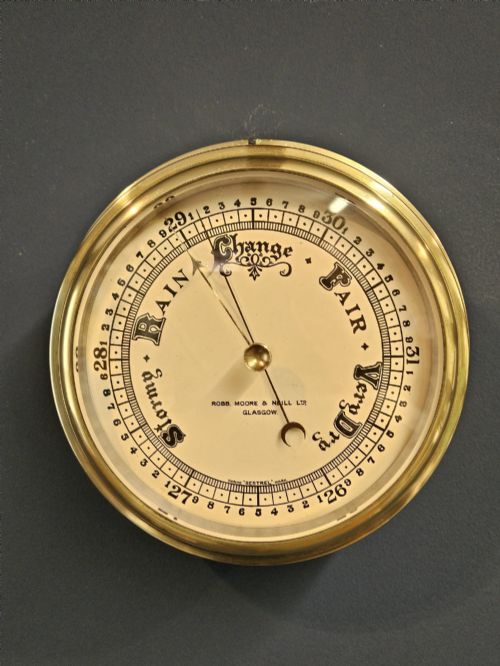
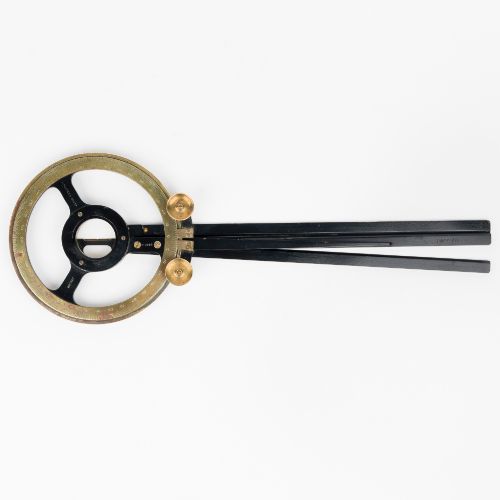
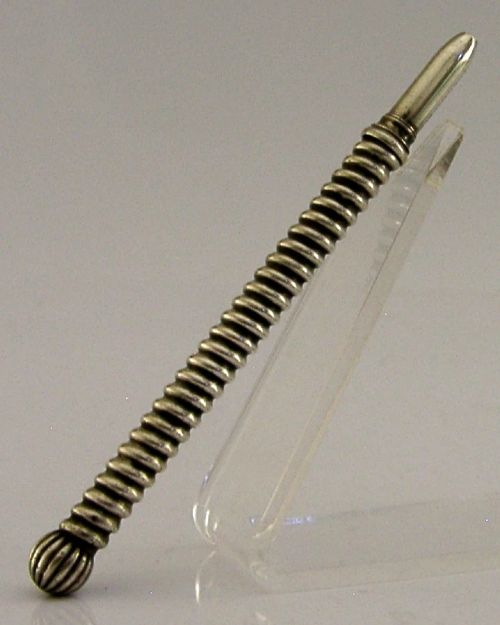
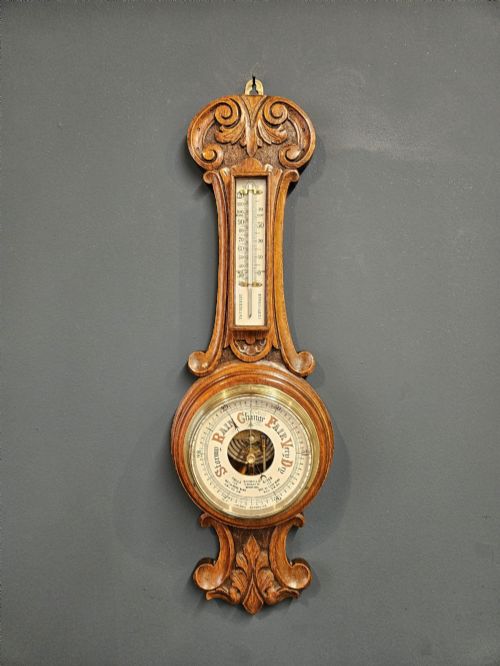
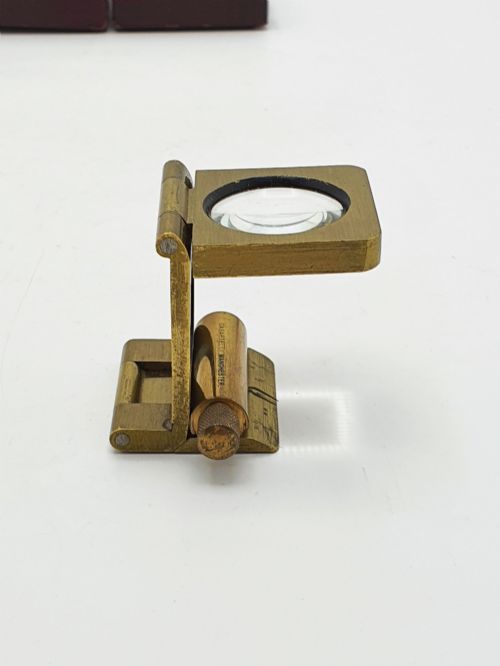
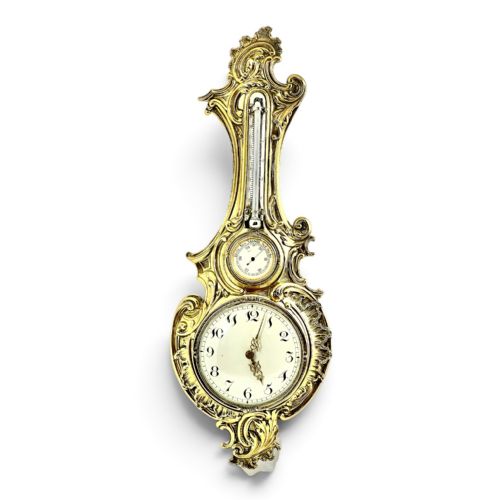
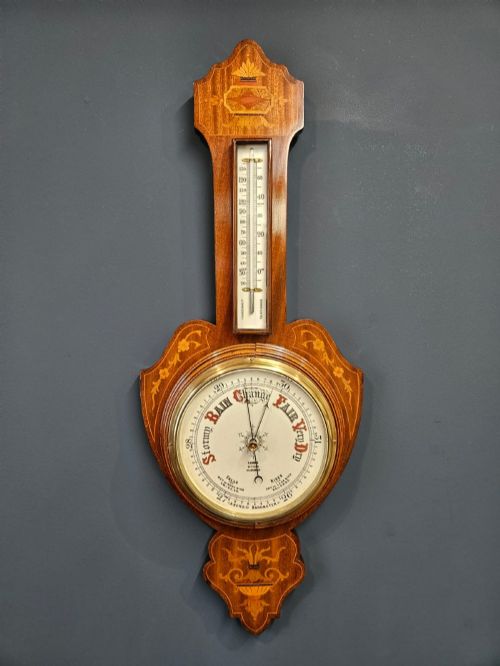
The domestic wall barometer remains the most common form on this page, often housed in carved oak or mahogany cases. Alongside these sit smaller scientific items like brass linen testers, station pointers and silver propelling pencils.
While the selection leans heavily into the early twentieth century, items stretch across neighbouring Victorian and Georgian periods as well as later mid-century examples. Maritime and military uses dominate the surviving forms, reflecting the technical demands of those eras.
How they were made
Makers relied on brass for mechanical housings, dials and moving components due to its durability and resistance to wear. Glass protected delicate gauge faces, while wood cases utilised oak and mahogany shaped through carving and inlay.
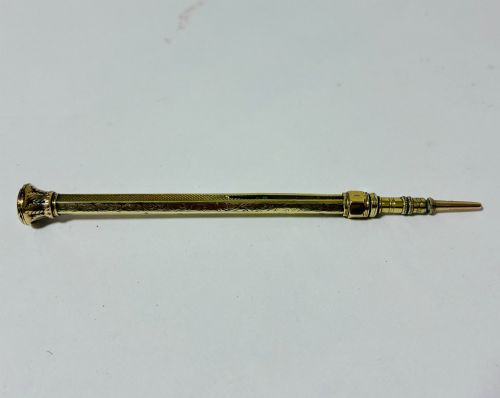
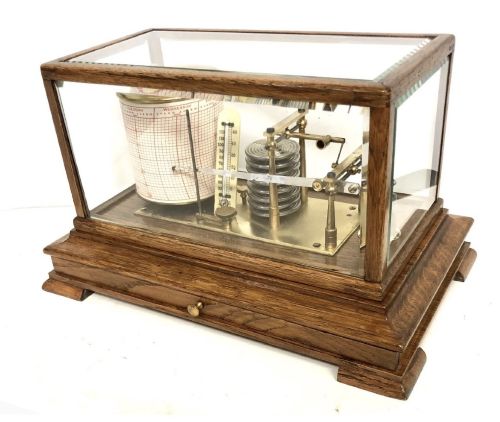
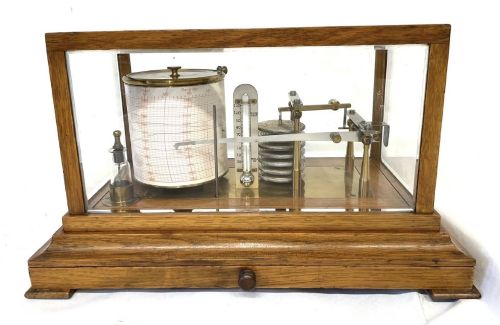
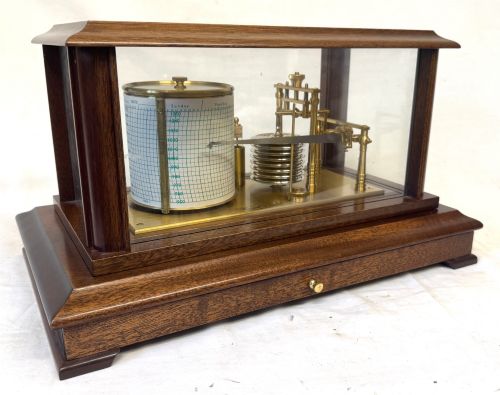
Silver and gold appeared on personal items such as propelling pencils and pocket watch chronographs. Paper charts recorded continuous weather data inside oak barographs, paired with bevelled glass viewing lids.
Edwardian Instrument Retail Price Guide 2026
Typical asking prices for edwardian instrument among the pieces listed under this phrase on Sellingantiques today, from the lower quarter to the upper quarter. They describe what is for sale here now, not the wider market.
Listings feature scientific instruments, navigational tools and weather barometers spanning the nineteenth and twentieth centuries.
What varies in quality
The distinction between standard utility items and superior pieces lies in the crispness of the metal engraving and the precision of the inner movement. Makers who signed their dials or supplied official instruments produced work with tighter tolerances.
Cabinetwork separates ordinary wall barometers from finer examples featuring detailed carved oak surrounds, bevelled glass and intact documentation. Housing materials also shift from basic stained woods to rich figured mahogany and inlaid oak.
Sampson Mordan·De Grave Short And Co·R And J Beck Ltd·P Orr·Short And Mason·Negretti And Zambra·G And L Guanziroli
The Edwardian Instrument Glossary
- Barograph
- A self-recording barometer that plots atmospheric pressure on a paper chart over time. These units sit inside wood cases with clockwork drum mechanisms.
- Aneroid barometer
- A device that measures air pressure without liquid by using a flexible metal box. Changes in pressure cause the box to expand or contract, moving a dial needle.
- Linen tester
- A small folding magnifying glass used by textile merchants to inspect fabric threads. They include built-in measuring scales at the base.
- Propelling pencil
- A mechanical writing instrument that advances a lead core through a metal casing. Victorian and Edwardian examples often feature multi-colour leads and precious metal bodies.
Edwardian Instrument: Frequently Asked Questions
How do I read a pocket barometer?
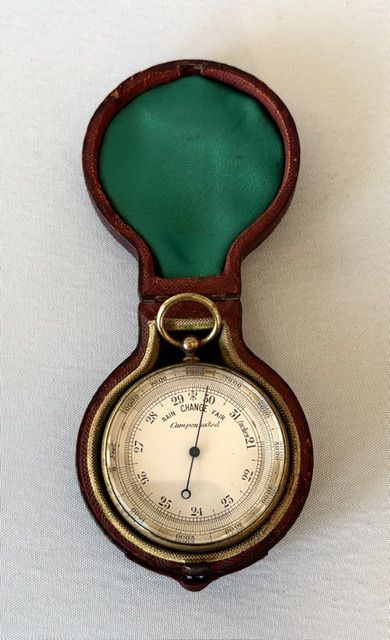
Pocket barometers display outer pressure scales measured in inches of mercury or millibars. Rotating the bezel aligns the marker needle to track rising or falling pressure changes.
Many pocket versions also include altimeter scales for measuring elevation during travel.
How do barographs record weather?
Barographs use an aneroid stack linked to an inked pen arm that rests against a rotating paper chart drum. Clockwork mechanisms inside the drum turn the paper once every week.
Changes in air pressure cause the arm to move up and down, creating a continuous ink line.
Were these instruments used at sea?
Many surviving examples served military, naval and maritime roles. Bulkhead barometers, deck watch chronographs and station pointers were standard equipment on vessels.
Gimbal mounts and sturdy brass cases protected these delicate mechanisms from rolling ships and salt air.
How should I clean brass instrument cases?
Uncoated brass develops a natural dark patina over decades of handling. Gentle dusting with a dry microfibre cloth protects the aged surface.
Harsh metal polishes strip away original finishes and remove historic character from antique surfaces.