6,992  PAGES BROWSED TODAY PAGES TODAY 0 ANTIQUES UPLOADED TODAYNEW ARRIVALS
LATEST STOCK
Sort Order
Items Per Page
Browse Categories
Sort order
Items per page
ID #SA804298
SOLD
Email
Save
Early Twentieth Century Wimshurst Machine by Baird & Tatlock
Jason Clarke Antiques
sold SA804298
Sorry, but this item has been sold.
Jason Clarke Antiques

Jason Clarke Antiques

Sellingantiques Verified Since Jul 2015
View Dealers Stock Page
Id #SA804298
PDF SHARE
SAVE

Early Twentieth Century Wimshurst Machine by Baird & Tatlock

1900 - 1920
Description

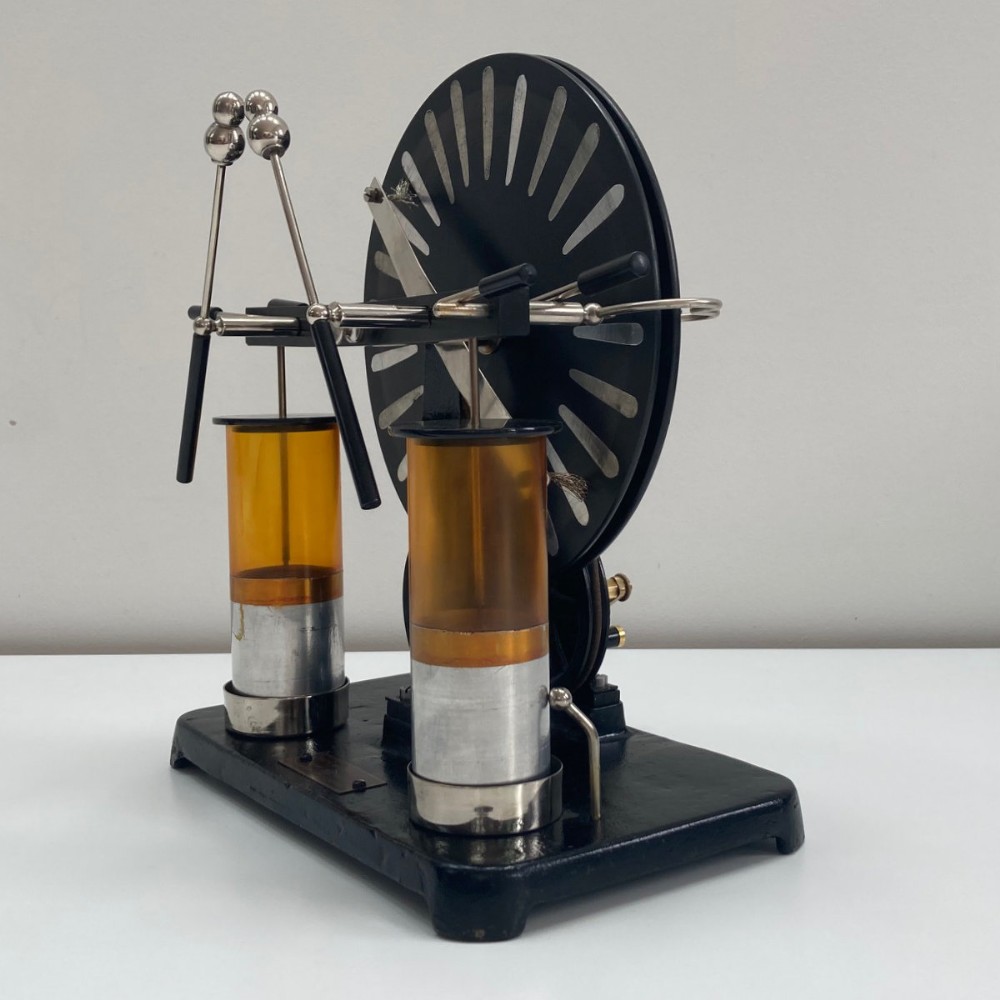
For sale, an Early Twentieth Century Wimshurst Machine by Baird & Tatlock.

The Wimshurst influence machine or electrostatic generator was developed by the British inventor James Wimshurst between 1880 & 1883.

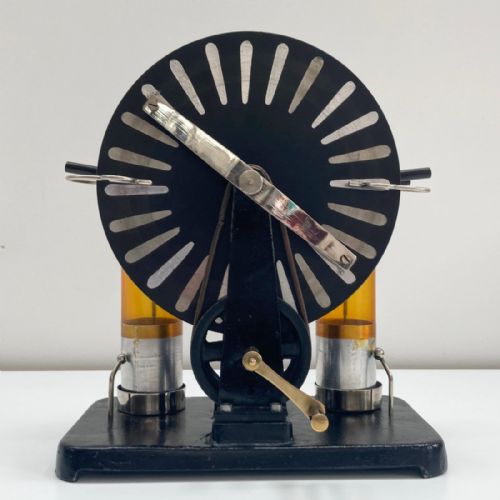
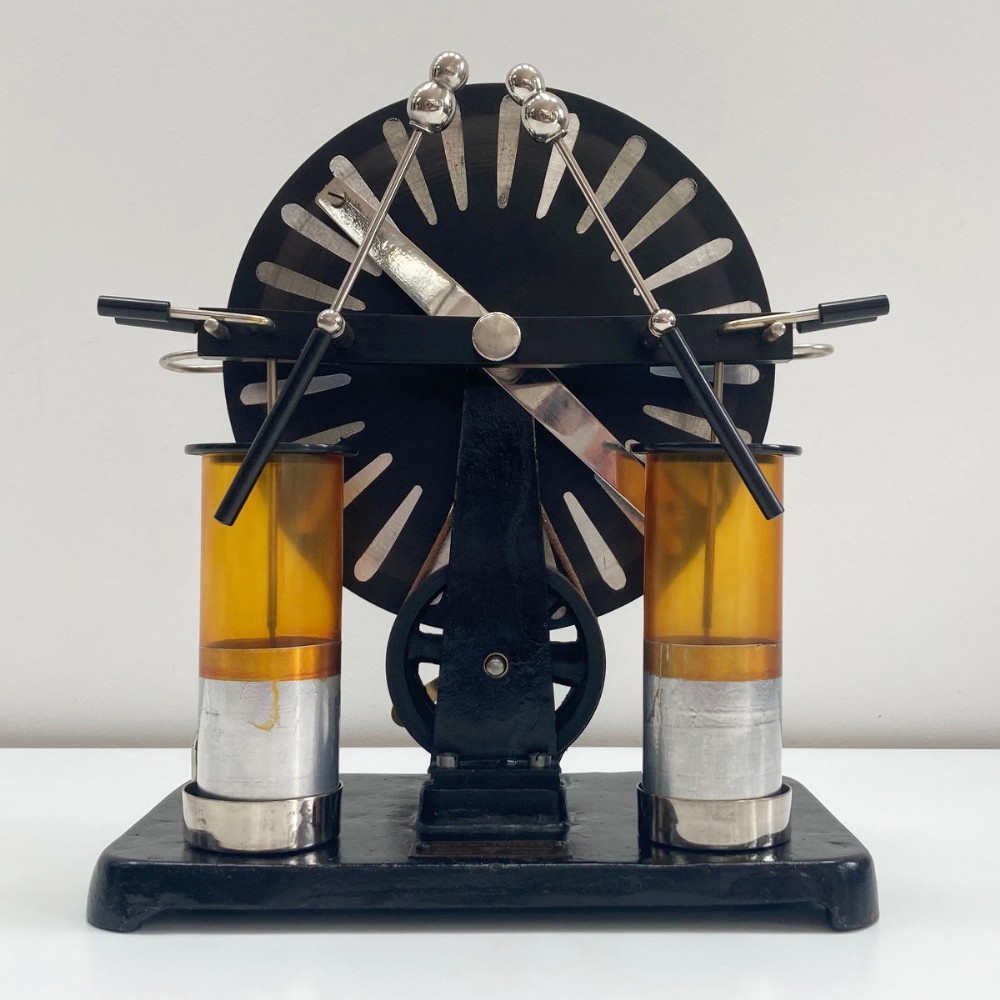
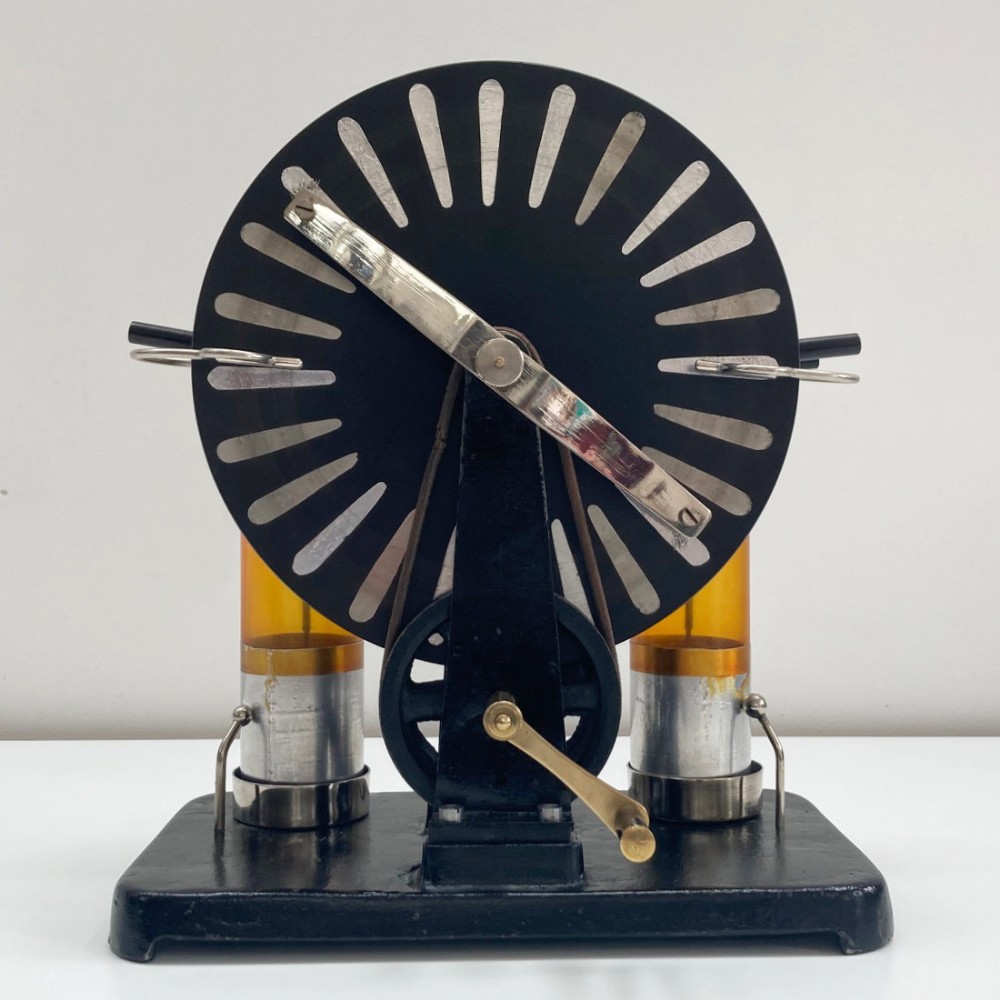
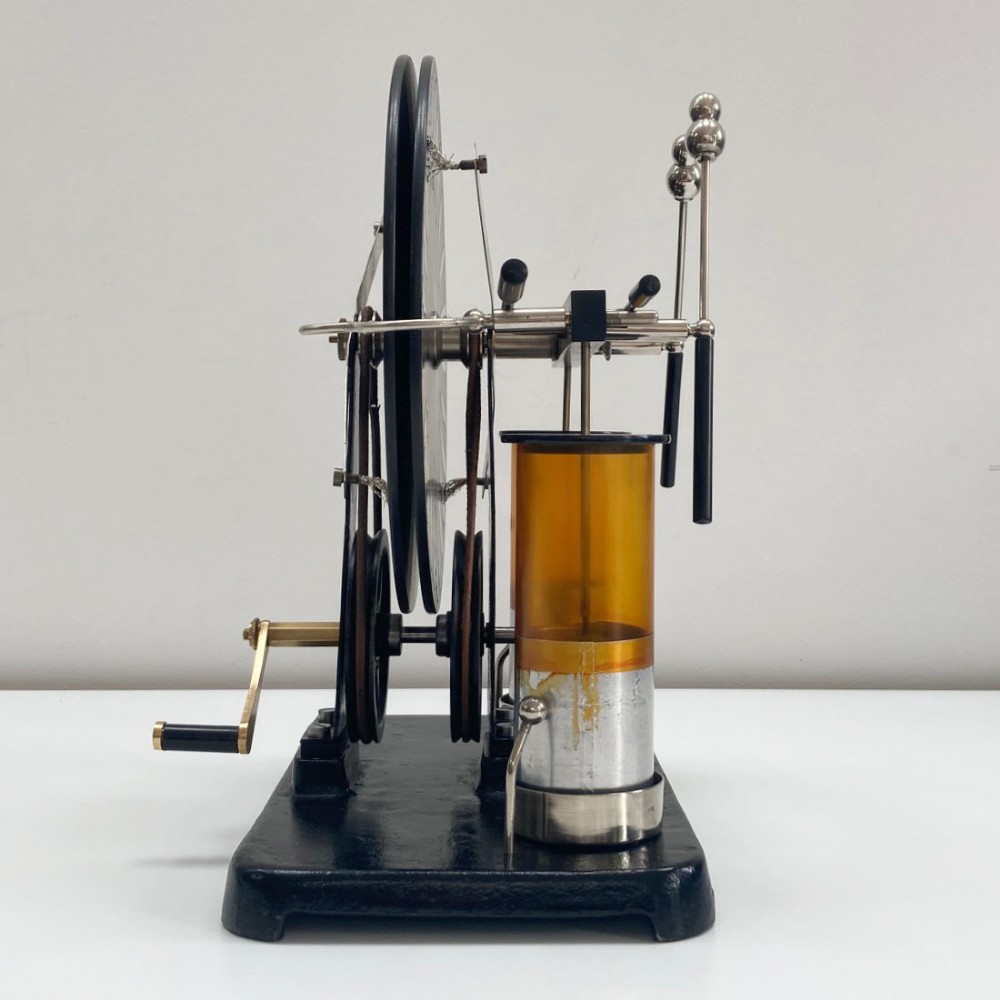
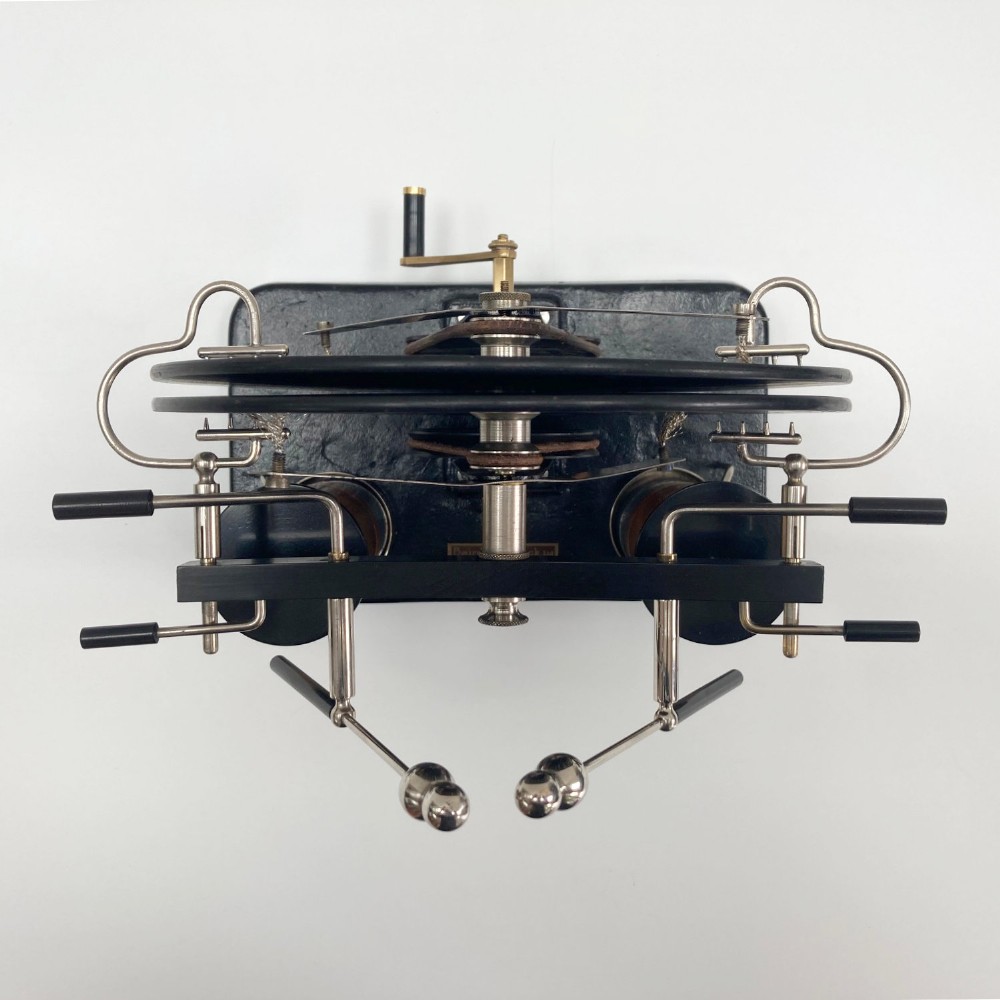
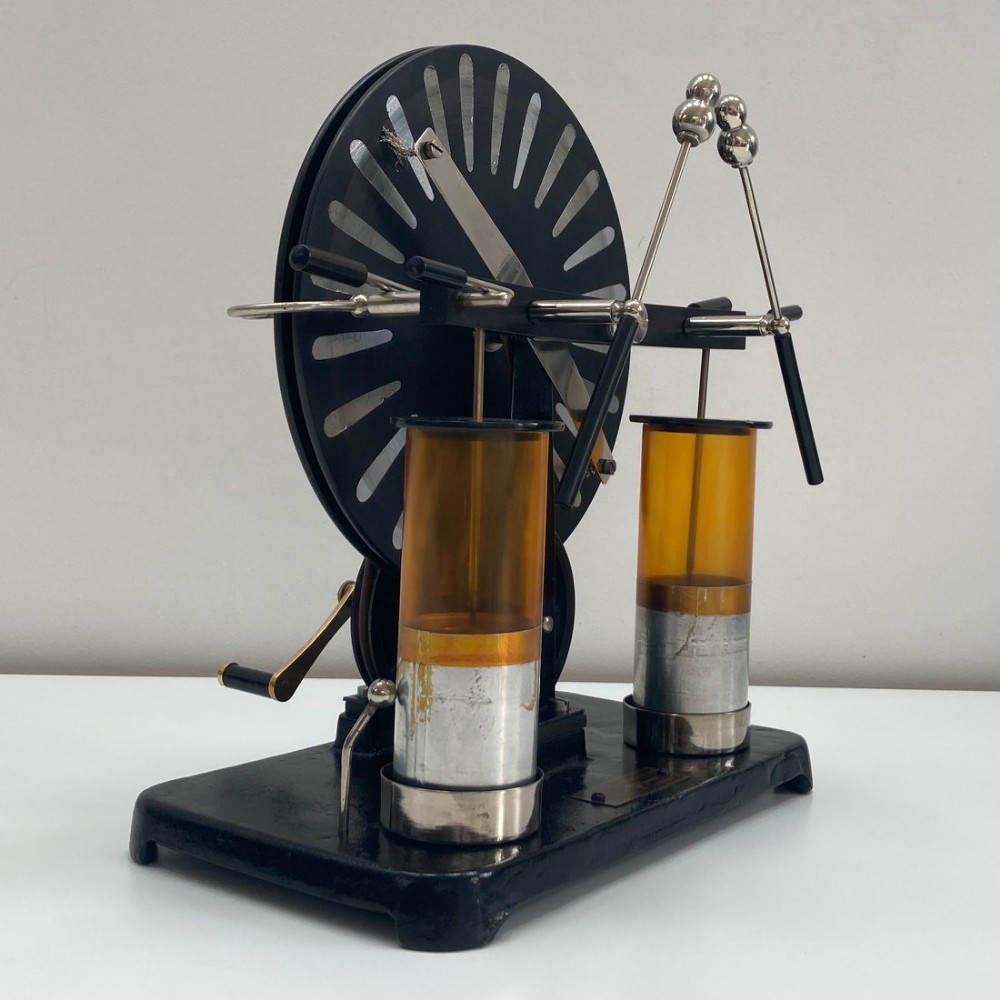
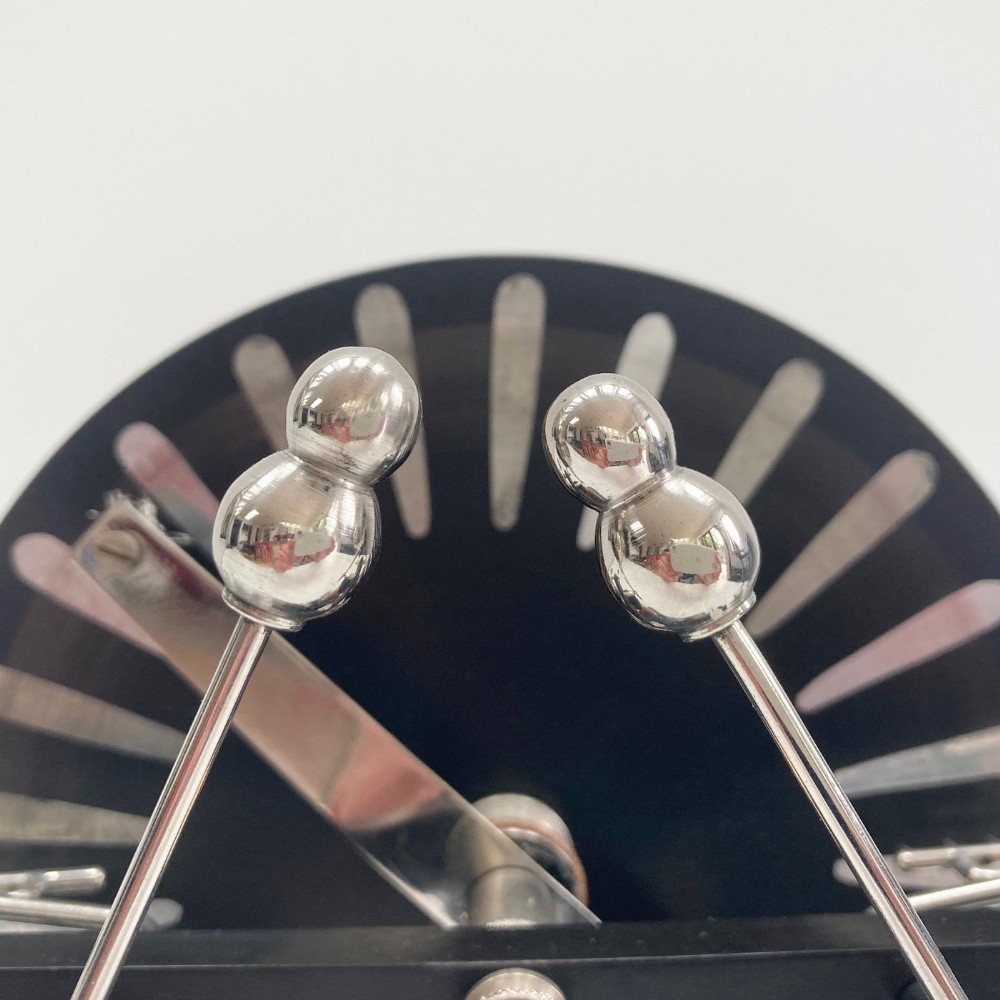
The machine has a cast iron base with two eight inch contra rotating ebonite discs with 24 foil sectors attached to the front of each. By turning the handle electrostatic charge is sent to the two glass Leyden jars which sit either side of the base. Once enough charge has been stored within the jars a spark is released between the two brass nodes to the front of the machine.

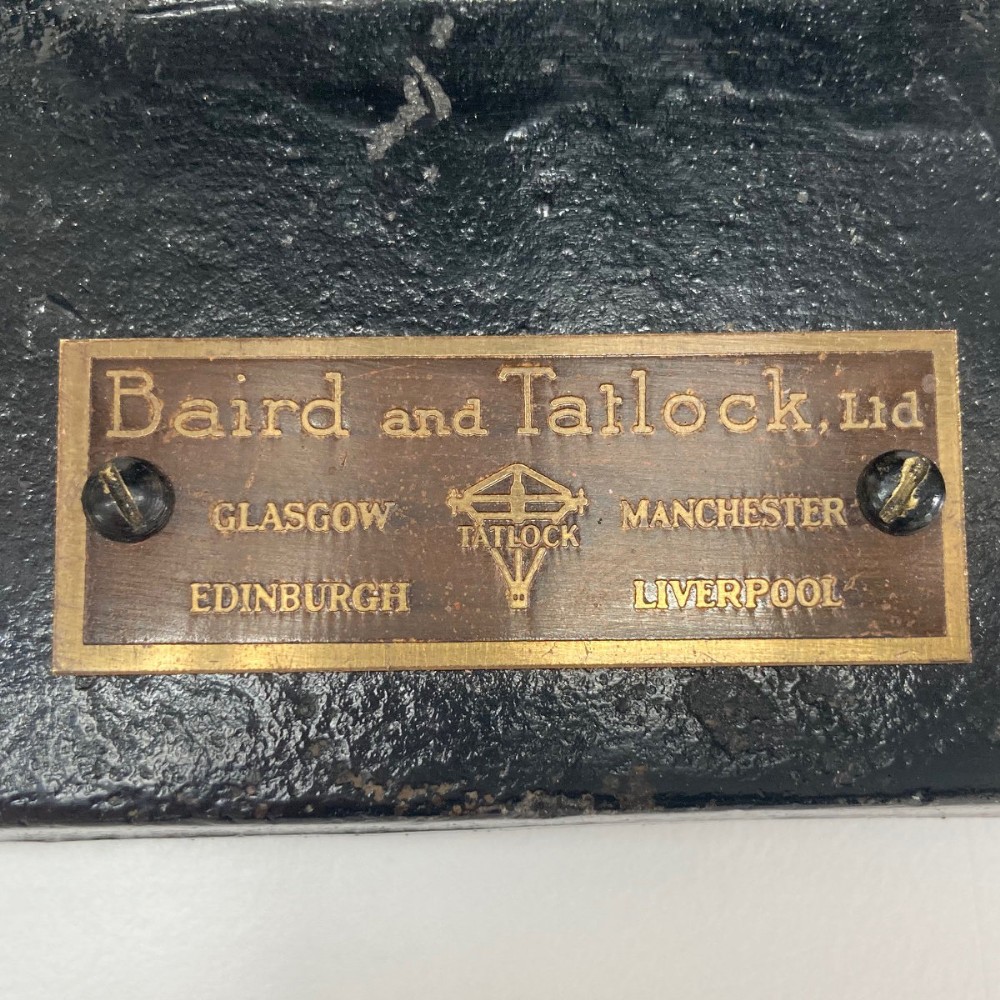
The base has a brass plate, with makers name Baird & Tatlock with central company logo and a list of premises at Glasgow, Edinburgh, Manchester & Liverpool.

The inventor, James Wimshurst was the Chief Shipwright Surveyor for Lloyds of London but dedicated his spare time to scientific experimentation. Widely known for his experiments with electricity, he became a member of the Institute of Electrical Engineers in 1889 and was elected a Fellow of the Royal Society in 1898.

The firm of Baird & Tatlock was founded in Glasgow in 1881 by Hugh Harper Baird and John Tatlock. Both men seemed to have trained in laboratory equipment production but notably Tatlock had previously been the private assistant of Professor William Thompson (later Lord Kelvin). Initially situated at 100 Sauciehall Street in Glasgow, the company profited from the huge surge in popularity of scientific teaching in Victorian Britain and specialised in laboratory furnishing for schools and research establishments.

By the end of the decade, they had moved to larger premises in Renfrew Street and further premises were opened in London. The latter occasion marked the departure of Hugh Harper Baird to the capital in order to manage the company’s interests there. During the 1890’s the company attained contracts for numerous Governmental organisations including the Admiralty, the War Office, The General Post Office and various Colonial Departments but by 1896 the pair agreed to dissolve the partnership, leaving Baird in sole ownership of the London business which became Baird & Tatlock (London) Limited and Tatlock retaining the concerns in Glasgow. A year later, Tatlock opened further premised in Edinburgh, in 1904 he extended the Glasgow firms reach to Liverpool and a further branch was opened in Manchester in 1911. By this point, both original partners had died (Tatlock in 1909 and Baird in 1911) and the latter occasion perhaps prompted the move by the Glasgow company to register itself under the name of Baird & Tatlock Limited, a move which ensued in legal action from the London Company.

The legal action was however unsuccessful and the confusion was only resolved in 1925 when the Scottish company was merged with John J Griffin & Sons Ltd whereafter it was renamed as Griffin & Tatlock. A further merger with W&J George & Becker in 1954 saw a final name change to Griffin & George and under this guise, the company continued to trade in scientific apparatus until 1999 when it finally shut its doors.

This superb working example can be dated quite specifically due to the plate attached to the base. With the advertising of its premised in Glasgow, Edinburgh, Liverpool & Manchester, the earliest date of manufacture must have been after the Manchester branch opened in 1911 and with the subsequent merger with Griffin in 1925 it results in a very clear period of fourteen years between 1911 to 1925.

Physical Dimensions
Height
29cm (11.42")
Width
25cm (9.84")
Depth
15cm (5.91")
Declaration

Jason Clarke Antiques has dated this piece to the 1920s.
Reference Numbers
Sellingantiques Reference
SA804298
Description
For sale, an Early Twentieth Century Wimshurst Machine by Baird & Tatlock.
The Wimshurst influence machine or electrostatic generator was developed by the British inventor James Wimshurst between 1880 & 1883.
Jason Clarke Antiques
fig 1. Early Twentieth Century Wimshurst Machine by Baird & Tatlock

The machine has a cast iron base with two eight inch contra rotating ebonite discs with 24 foil sectors attached to the front of each. By turning the handle electrostatic charge is sent to the two glass Leyden jars which sit either side of the base. Once enough charge has been stored within the jars a spark is released between the two brass nodes to the front of the machine.
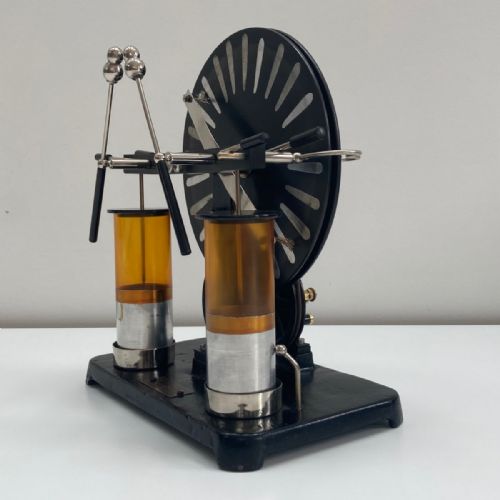
fig 2. Early Twentieth Century Wimshurst Machine by Baird & Tatlock

The base has a brass plate, with makers name Baird & Tatlock with central company logo and a list of premises at Glasgow, Edinburgh, Manchester & Liverpool.

The inventor, James Wimshurst was the Chief Shipwright Surveyor for Lloyds of London but dedicated his spare time to scientific experimentation. Widely known for his experiments with electricity, he became a member of the Institute of Electrical Engineers in 1889 and was elected a Fellow of the Royal Society in 1898.
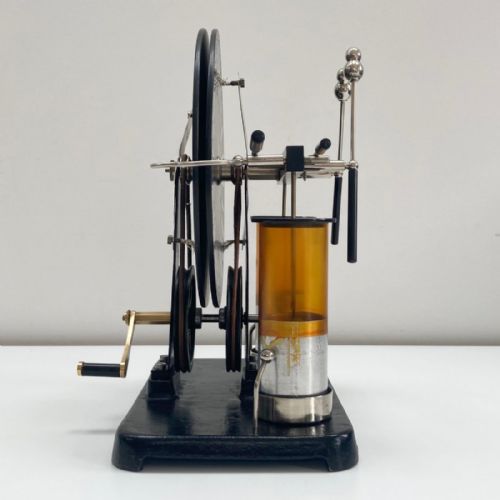
fig 3. Early Twentieth Century Wimshurst Machine by Baird & Tatlock

The firm of Baird & Tatlock was founded in Glasgow in 1881 by Hugh Harper Baird and John Tatlock. Both men seemed to have trained in laboratory equipment production but notably Tatlock had previously been the private assistant of Professor William Thompson (later Lord Kelvin). Initially situated at 100 Sauciehall Street in Glasgow, the company profited from the huge surge in popularity of scientific teaching in Victorian Britain and specialised in laboratory furnishing for schools and research establishments.
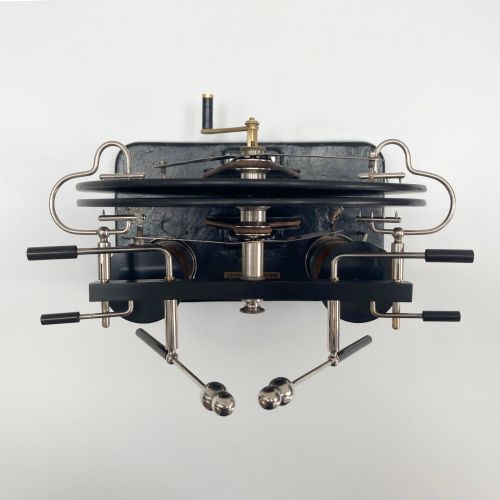
fig 4. Early Twentieth Century Wimshurst Machine by Baird & Tatlock

By the end of the decade, they had moved to larger premises in Renfrew Street and further premises were opened in London. The latter occasion marked the departure of Hugh Harper Baird to the capital in order to manage the company’s interests there. During the 1890’s the company attained contracts for numerous Governmental organisations including the Admiralty, the War Office, The General Post Office and various Colonial Departments but by 1896 the pair agreed to dissolve the partnership, leaving Baird in sole ownership of the London business which became Baird & Tatlock (London) Limited and Tatlock retaining the concerns in Glasgow. A year later, Tatlock opened further premised in Edinburgh, in 1904 he extended the Glasgow firms reach to Liverpool and a further branch was opened in Manchester in 1911. By this point, both original partners had died (Tatlock in 1909 and Baird in 1911) and the latter occasion perhaps prompted the move by the Glasgow company to register itself under the name of Baird & Tatlock Limited, a move which ensued in legal action from the London Company.
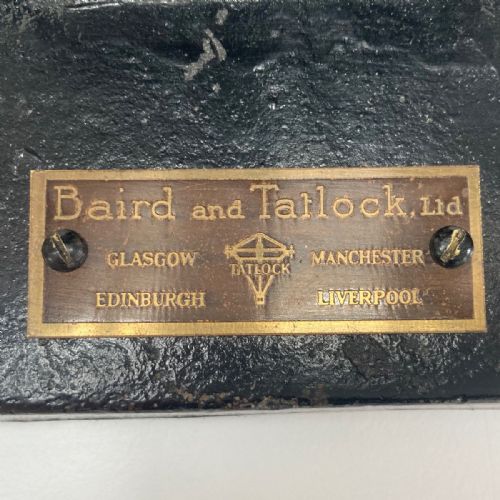
fig 5. Early Twentieth Century Wimshurst Machine by Baird & Tatlock

The legal action was however unsuccessful and the confusion was only resolved in 1925 when the Scottish company was merged with John J Griffin & Sons Ltd whereafter it was renamed as Griffin & Tatlock. A further merger with W&J George & Becker in 1954 saw a final name change to Griffin & George and under this guise, the company continued to trade in scientific apparatus until 1999 when it finally shut its doors.
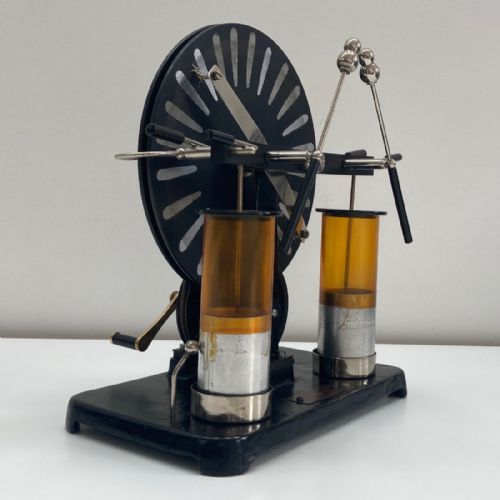
fig 6. Early Twentieth Century Wimshurst Machine by Baird & Tatlock

This superb working example can be dated quite specifically due to the plate attached to the base. With the advertising of its premised in Glasgow, Edinburgh, Liverpool & Manchester, the earliest date of manufacture must have been after the Manchester branch opened in 1911 and with the subsequent merger with Griffin in 1925 it results in a very clear period of fourteen years between 1911 to 1925.

Height
29cm (11.42")
Width
25cm (9.84")
Depth
15cm (5.91")
Date of Manufacture

Jason Clarke Antiques has dated this piece to the 1920s.

Reference Numbers
Sellingantiques Ref
SA804298
Jason Clarke Antiques
Sellingantiques verified Since Jul 2015
Dealer Profile

You can view the stock and full dealer information on the Jason Clarke Antiques Profile Page
PDF SHARE
SAVE
Early Twentieth Century Wimshurst Machine by Baird & Tatlock
1 / 8
Archive I Early Twentieth Century Wimshurst Machine by Baird & Tatlock
Early Twentieth Century Wimshurst Machine by Baird & Tatlock
Archive II Early Twentieth Century Wimshurst Machine by Baird & Tatlock View II
Archive III Early Twentieth Century Wimshurst Machine by Baird & Tatlock View III
Archive IV Early Twentieth Century Wimshurst Machine by Baird & Tatlock View IV
Archive V Early Twentieth Century Wimshurst Machine by Baird & Tatlock View V
Archive VI Early Twentieth Century Wimshurst Machine by Baird & Tatlock View VI
Archive VII Early Twentieth Century Wimshurst Machine by Baird & Tatlock View VII
Archive VIII Early Twentieth Century Wimshurst Machine by Baird & Tatlock View VIII
Enlarged Archival View
Telephone 07815 046645
Location
Newbury
Berkshire
United Kingdom
Verified Since Jul 2015
Items For Sale 80
Items Sold 607
Jason Clarke Antiques
Verified Since Jul 2015
View Dealer Info
Location: Newbury, Berkshire, United Kingdom
Verified
Jul 2015
For Sale
80
Sold
607
Early Twentieth Century Wimshurst Machine by Baird & Tatlock
Ref: SA804298
Early Twentieth Century Wimshurst Machine by Baird & Tatlock
Detail View 1
Detail View 2
Detail View 3
Detail View 4
Detail View 5
Detail View 6
Detail View 7
Archival Detail
Every single antique dealer on our platform is individually approved by our internal team. We verify their professional trade history, ethical standards, and photographic quality to ensure a secure, high-standard buying environment. Upon joining, every dealer agrees to a strict 9-point code of conduct. While issues can occasionally arise, our dealers typically resolve them swiftly and directly with the buyer. In fact, since our founding in 2002, Sellingantiques has only had to step in to help resolve an issue on roughly five occasions—a true testament to the quality of our dealers and their dedication to your happiness.
Our dealers are highly experienced in packing and shipping fragile, high-value antiques. Because you are in direct contact with the dealer, you will be able to easily go through all available shipping and insurance options together to ensure your item arrives safely.
Antiques are the ultimate green purchase. By choosing historical pieces over newly manufactured goods, you completely eliminate the carbon footprint of modern mass production while preserving exceptional, timeless craftsmanship.
items
Add keywords to the filter
Price
£100
£250000
Era
Movements
Material
Origin
Stock Location
Freshness
Online Payments
Categories