12,525  PAGES BROWSED TODAY PAGES TODAY 51 ANTIQUES UPLOADED TODAYNEW ARRIVALS
51 ITEMS ADDED TODAY
Sort Order
Items Per Page
Browse Categories
Sort order
Items per page
ID #SA765622
SOLD
Email
Save
Early Twentieth Century Cased Musical Saw by Jedson
Jason Clarke Antiques
sold SA765622
Sorry, but this item has been sold.
Jason Clarke Antiques

Jason Clarke Antiques

Sellingantiques Verified Since Jul 2015
View Dealers Stock Page
Id #SA765622
PDF SHARE
SAVE

Early Twentieth Century Cased Musical Saw by Jedson

1900 - 1920
Description

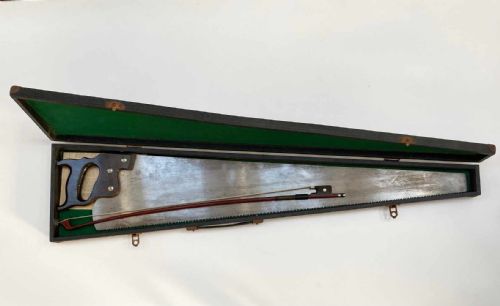
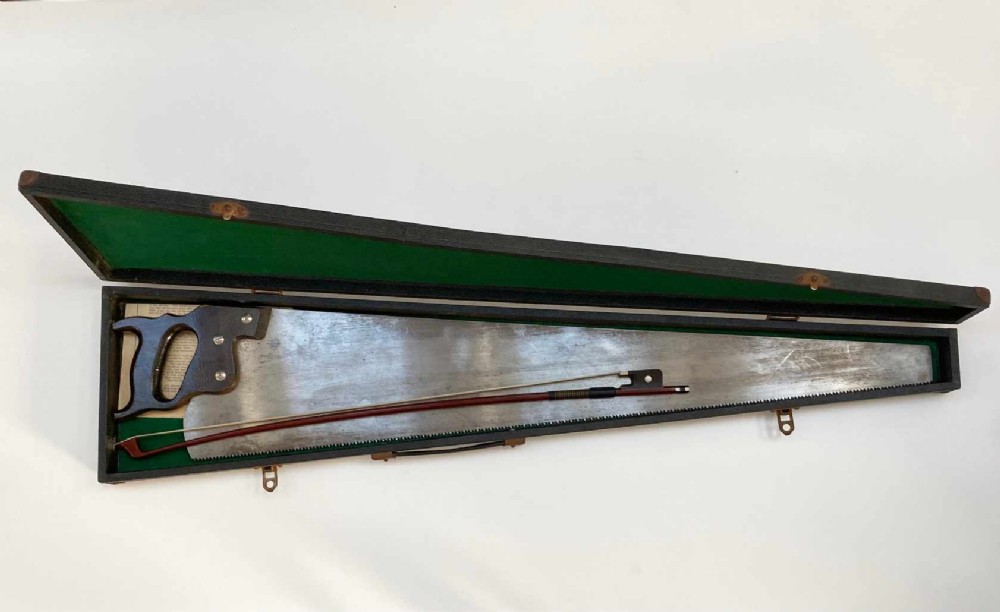
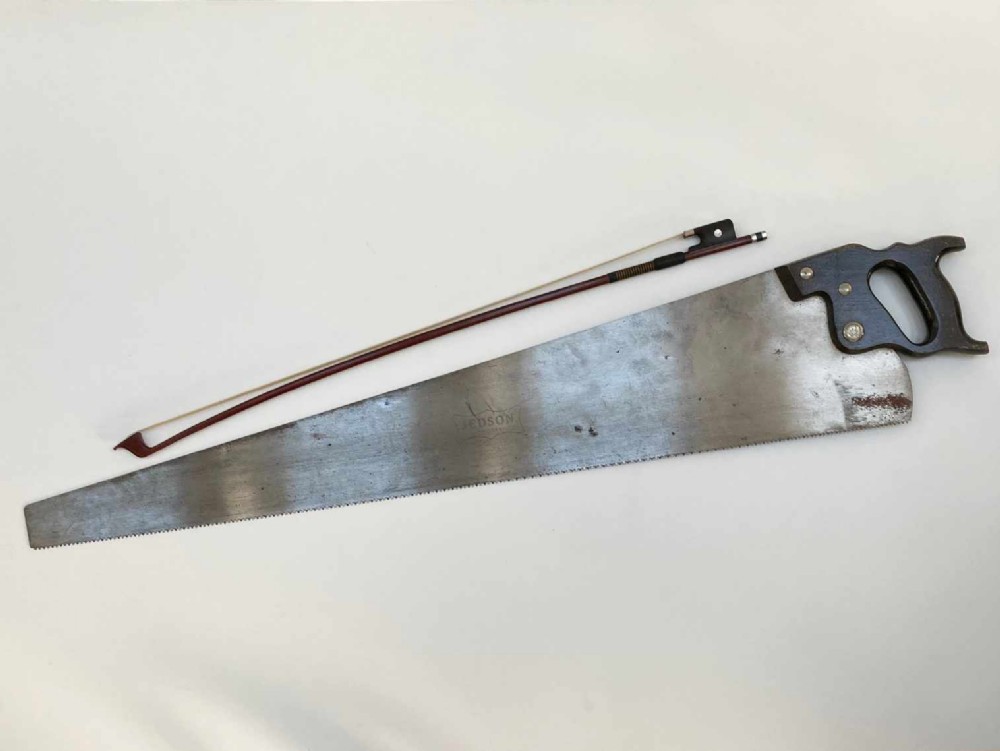
For sale, a rare early Twentieth Century cased musical saw by Jedson.

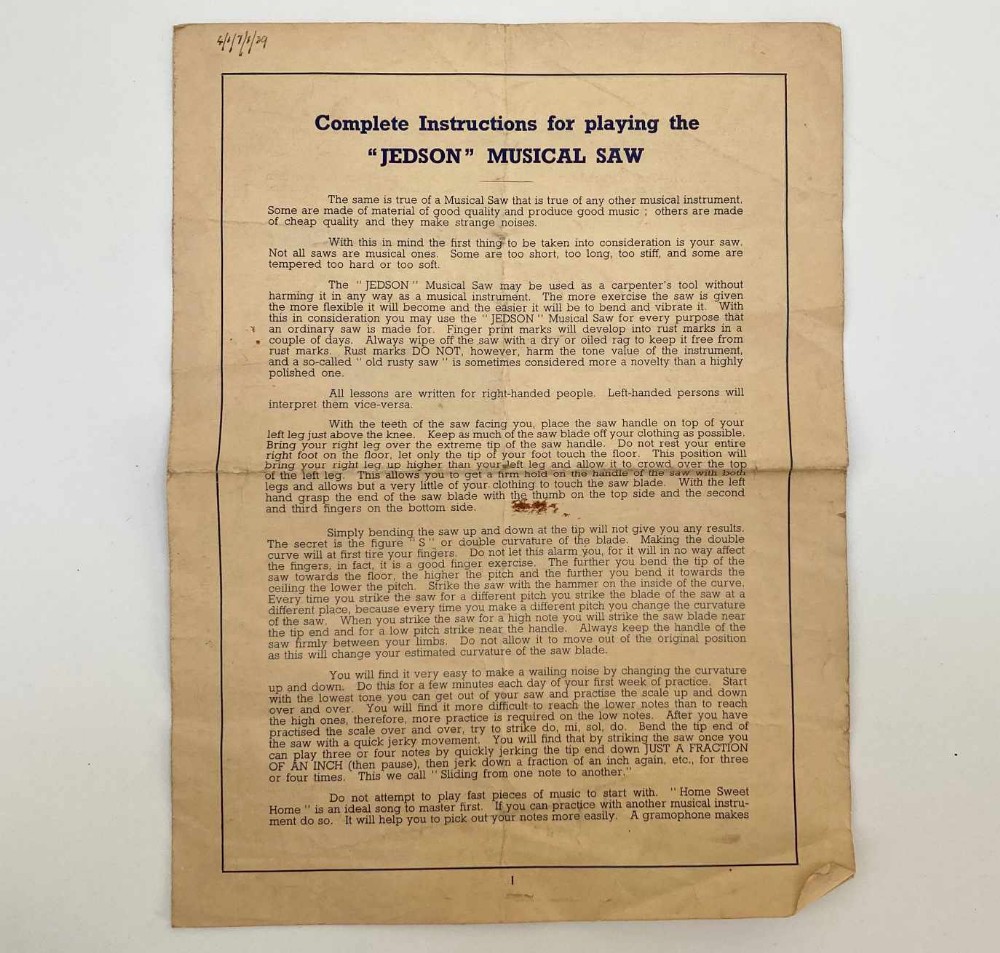
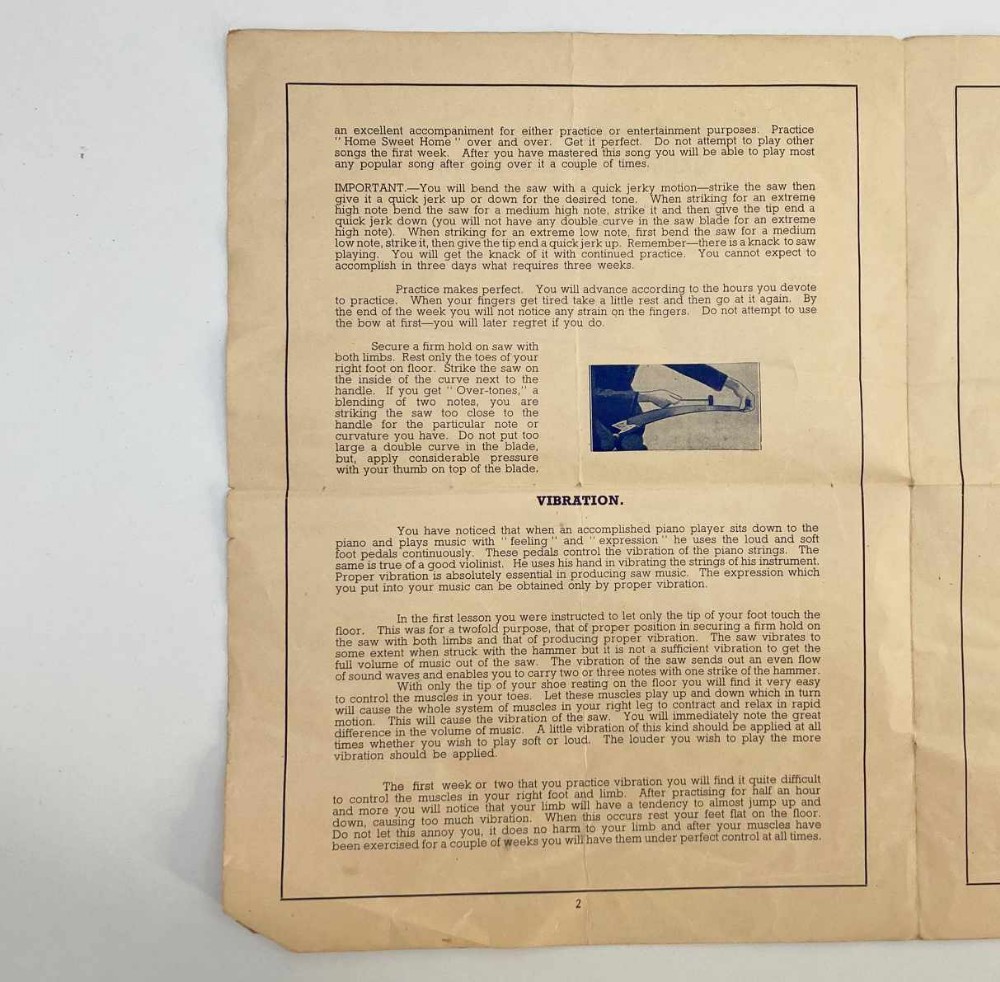
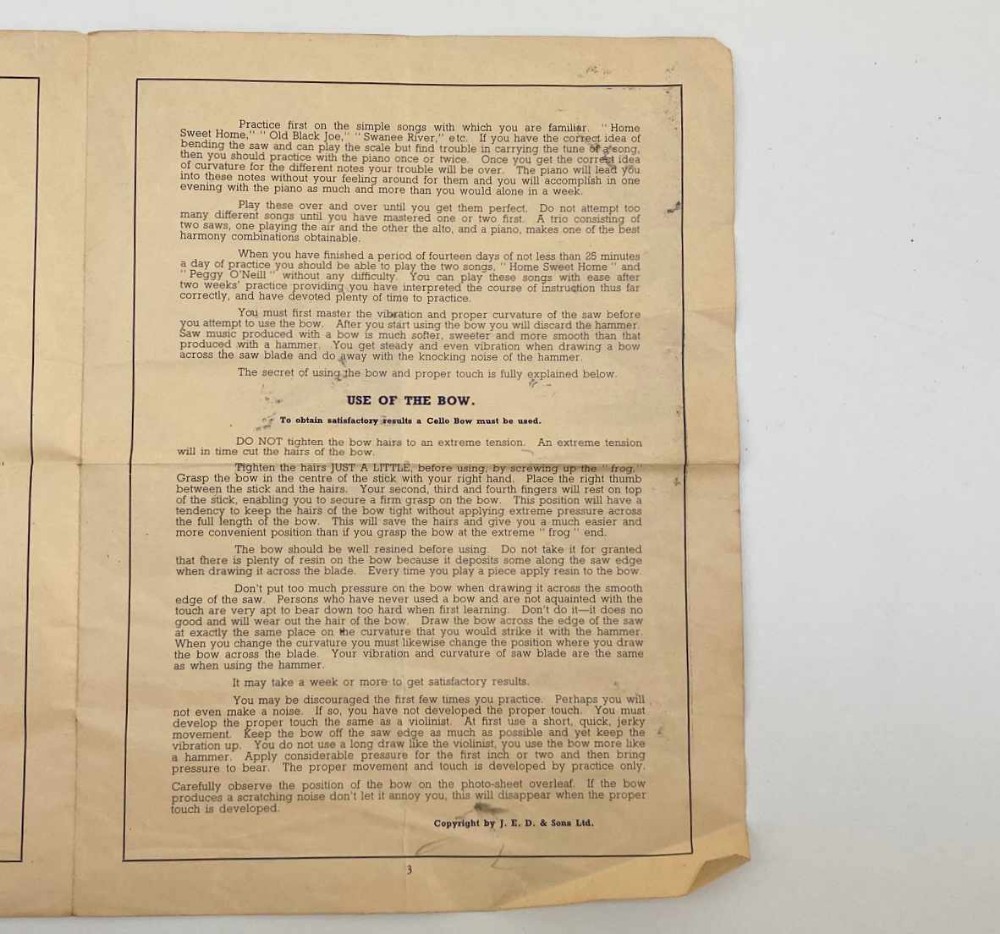
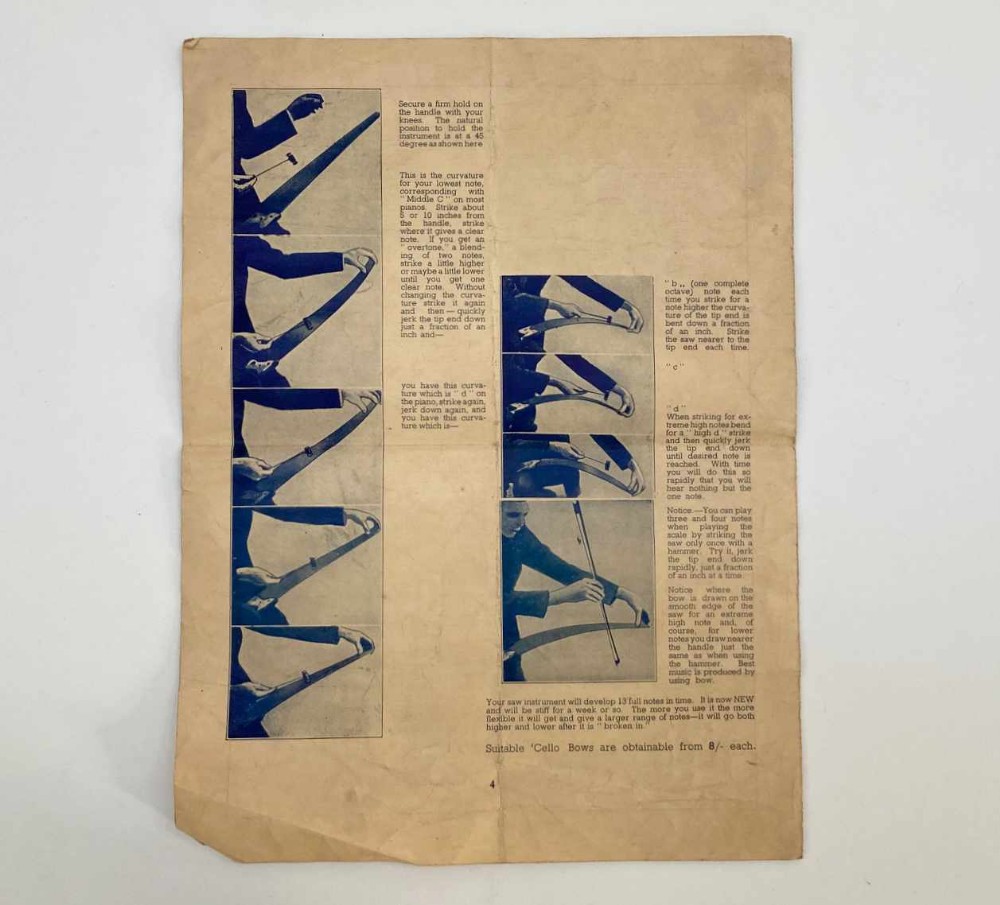
This superbly preserved relic from the days of music hall and cabaret entertainment comes complete with its original instructions and is described as follows:

“The same is true of a musical saw that is true of any other musical instrument. Some are made of material of good quality and produce good music; others are made of cheap quality and they make strange noises.

With this in mind the first thing to be taken into consideration is your saw. Not all saws are musical ones. Some are too short, too long, too stiff, and some are tempered too hard or too soft.

The JEDSON Musical Saw may be used as a carpenter’s tool without harming it in any way as a musical instrument. The more exercise the saw is given the more flexible it will become and the easier it will be to bend and vibrate it. With this in consideration you may use the “JEDSON” Muscial Saw for every purpose that an ordinary saw is made for. Finger print marks will develop into rust marks in a couple of days. Always wipe of the saw with a dry or oiled rag to keep it free from rust marks. Rust marks DO NOT however, harm the tone value of the instrument, and a so-called “old rusty saw” is sometimes considered more a novelty than a highly polished one.”

Although the musical saw is a much older phenomenon, it gained notoriety during the 1920’s when a number of instrument manufacturers mostly based in the USA began to produce them. With a tone very similar to a theremin its ethereal tones were popularised by music hall entertainers and through early film scores where its mystical sound provided theatrical nuance. Marlene Dietrich was an influential player during this period, learning to play the instrument whilst shooting the film Café Electrik in 1927.

Seemingly absent from popular view during the mid-Twentieth Century, the instrument gained somewhat of a revial during the latter part where it starred as the lead instrument on the One Flew Over the Cuckoo’s Nest theme tune and latterly appeared in the Jeanne Pierre Jeunet & Marc Caro cult French classic film, Delicatessen (watch it, it’s brilliant).

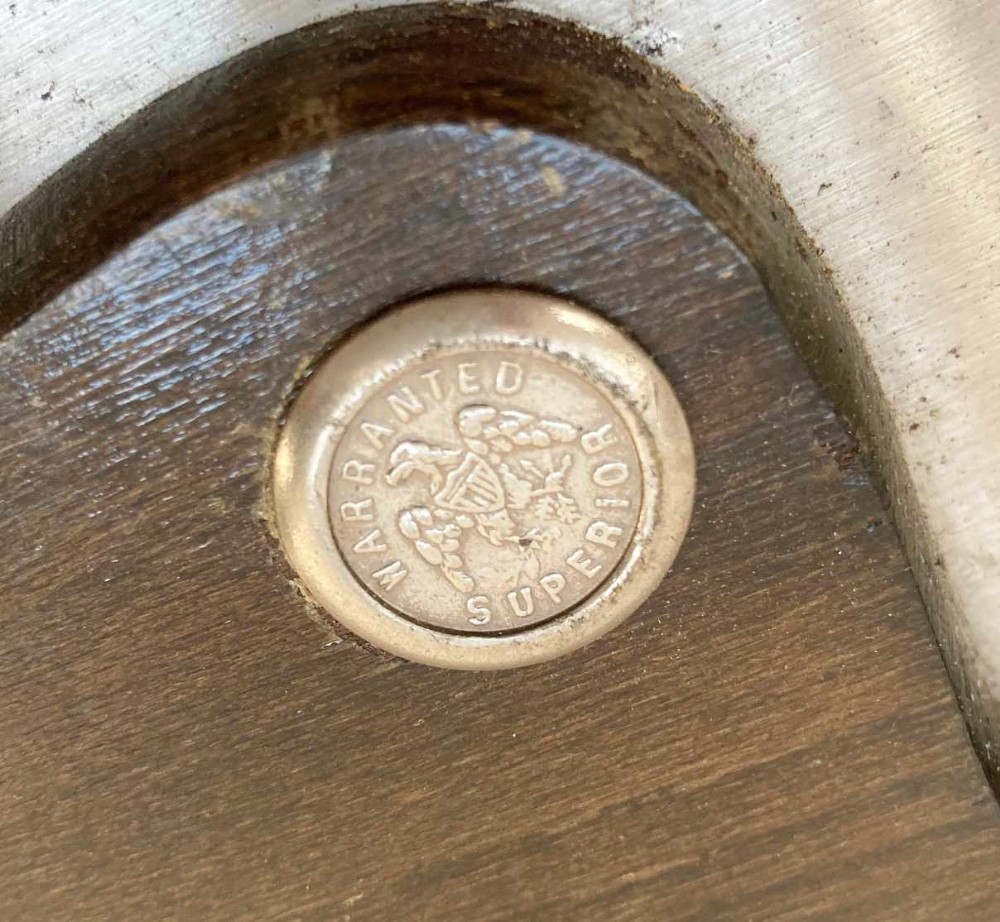
The saw itself is marked to “Jedson, Made in USA” and has a button stamped with an eagle and “warrented superior” attached to the handle. It comes complete with its original case and instructions and a new cello bow so that it is ready to play.

The Jedson mark was the trademark of the English company John E Dallas & Sons, formed in 1873 by John Eastwood Dallas and JE Brewster as a superior banjo making company in Oxford Street London, it soon moved to expanded premises at 415 The Strand. By the 1890’s, Dallas seems to have taken sole control of the company and by 1905 Dallas’s three sons became directors, changing the name to John E Dallas & Sons.

The trademark of Jedson was created in the 1920’s formed as a shorter catchier version of the firm’s name and it became a limited company by 1921 after the founder’s death. Thereafter, it grew from strength to strength during the difficult war periods of the early Century with some thanks to the production of George Formby branded ukulele banjos which proved supremely popular at the time.

The company continued under various guises until the 1970’s after one hundred years of trading.

Circa 1925

Physical Dimensions
Height
104cm (40.94")
Width
24cm (9.45")
Depth
6cm (2.36")
Declaration

Jason Clarke Antiques has dated this piece to the 1920s.
Reference Numbers
Sellingantiques Reference
SA765622
Description
For sale, a rare early Twentieth Century cased musical saw by Jedson.
This superbly preserved relic from the days of music hall and cabaret entertainment comes complete with its original instructions and is described as follows:.
Jason Clarke Antiques
fig 1. Early Twentieth Century Cased Musical Saw by Jedson

“The same is true of a musical saw that is true of any other musical instrument. Some are made of material of good quality and produce good music; others are made of cheap quality and they make strange noises.
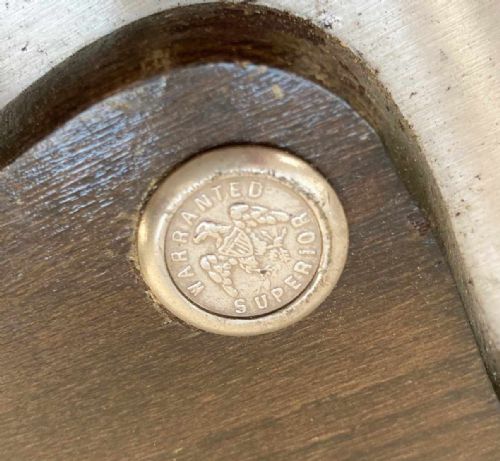
fig 2. Early Twentieth Century Cased Musical Saw by Jedson

With this in mind the first thing to be taken into consideration is your saw. Not all saws are musical ones. Some are too short, too long, too stiff, and some are tempered too hard or too soft.

The JEDSON Musical Saw may be used as a carpenter’s tool without harming it in any way as a musical instrument. The more exercise the saw is given the more flexible it will become and the easier it will be to bend and vibrate it. With this in consideration you may use the “JEDSON” Muscial Saw for every purpose that an ordinary saw is made for. Finger print marks will develop into rust marks in a couple of days. Always wipe of the saw with a dry or oiled rag to keep it free from rust marks. Rust marks DO NOT however, harm the tone value of the instrument, and a so-called “old rusty saw” is sometimes considered more a novelty than a highly polished one.”
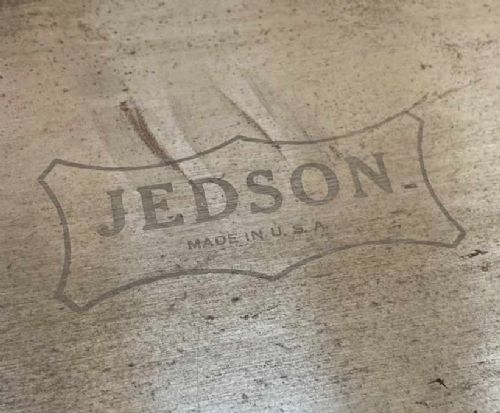
fig 3. Early Twentieth Century Cased Musical Saw by Jedson

Although the musical saw is a much older phenomenon, it gained notoriety during the 1920’s when a number of instrument manufacturers mostly based in the USA began to produce them. With a tone very similar to a theremin its ethereal tones were popularised by music hall entertainers and through early film scores where its mystical sound provided theatrical nuance. Marlene Dietrich was an influential player during this period, learning to play the instrument whilst shooting the film Café Electrik in 1927.
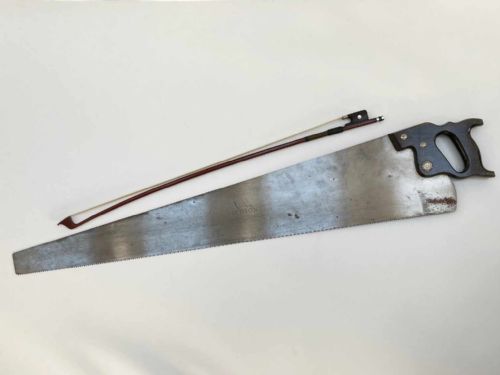
fig 4. Early Twentieth Century Cased Musical Saw by Jedson

Seemingly absent from popular view during the mid-Twentieth Century, the instrument gained somewhat of a revial during the latter part where it starred as the lead instrument on the One Flew Over the Cuckoo’s Nest theme tune and latterly appeared in the Jeanne Pierre Jeunet & Marc Caro cult French classic film, Delicatessen (watch it, it’s brilliant).
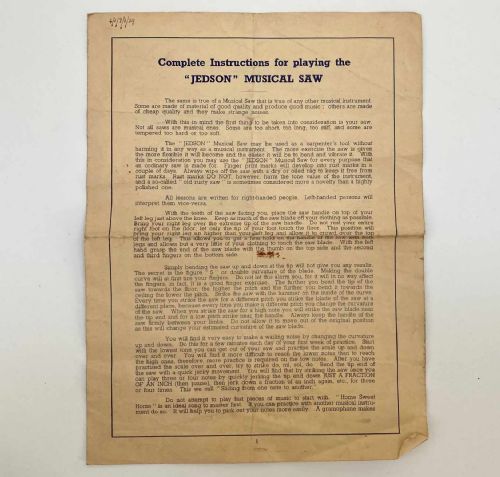
fig 5. Early Twentieth Century Cased Musical Saw by Jedson

The saw itself is marked to “Jedson, Made in USA” and has a button stamped with an eagle and “warrented superior” attached to the handle. It comes complete with its original case and instructions and a new cello bow so that it is ready to play.
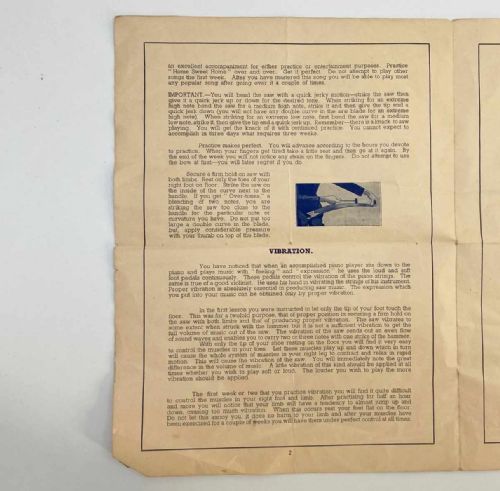
fig 6. Early Twentieth Century Cased Musical Saw by Jedson

The Jedson mark was the trademark of the English company John E Dallas & Sons, formed in 1873 by John Eastwood Dallas and JE Brewster as a superior banjo making company in Oxford Street London, it soon moved to expanded premises at 415 The Strand. By the 1890’s, Dallas seems to have taken sole control of the company and by 1905 Dallas’s three sons became directors, changing the name to John E Dallas & Sons.
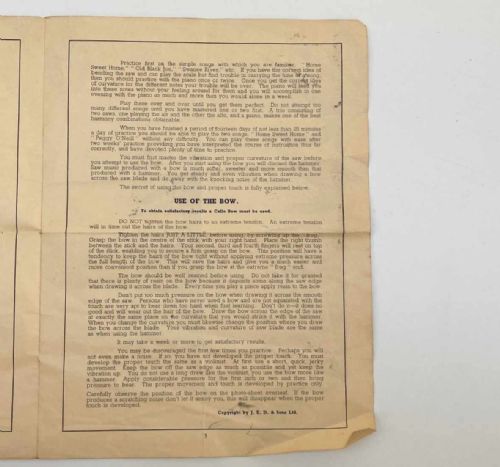
fig 7. Early Twentieth Century Cased Musical Saw by Jedson

The trademark of Jedson was created in the 1920’s formed as a shorter catchier version of the firm’s name and it became a limited company by 1921 after the founder’s death. Thereafter, it grew from strength to strength during the difficult war periods of the early Century with some thanks to the production of George Formby branded ukulele banjos which proved supremely popular at the time.

The company continued under various guises until the 1970’s after one hundred years of trading.

Circa 1925

Height
104cm (40.94")
Width
24cm (9.45")
Depth
6cm (2.36")
Date of Manufacture

Jason Clarke Antiques has dated this piece to the 1920s.

Reference Numbers
Sellingantiques Ref
SA765622
Jason Clarke Antiques
Sellingantiques verified Since Jul 2015
Dealer Profile

You can view the stock and full dealer information on the Jason Clarke Antiques Profile Page
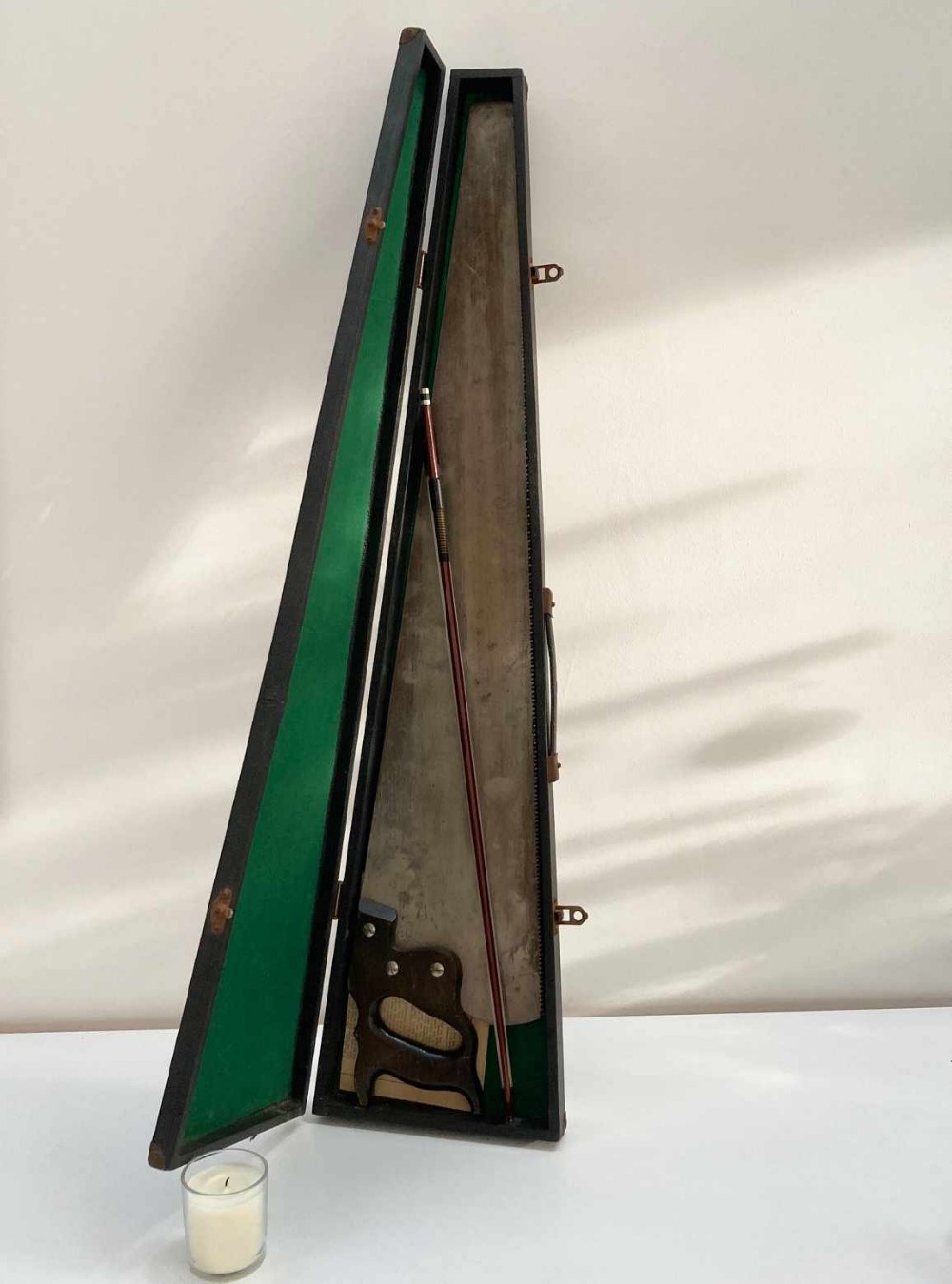
PDF SHARE
SAVE
Early Twentieth Century Cased Musical Saw by Jedson
1 / 9
Archive I Early Twentieth Century Cased Musical Saw by Jedson
Early Twentieth Century Cased Musical Saw by Jedson
Archive II Early Twentieth Century Cased Musical Saw by Jedson View II
Archive III Early Twentieth Century Cased Musical Saw by Jedson View III
Archive IV Early Twentieth Century Cased Musical Saw by Jedson View IV
Archive V Early Twentieth Century Cased Musical Saw by Jedson View V
Archive VI Early Twentieth Century Cased Musical Saw by Jedson View VI
Archive VII Early Twentieth Century Cased Musical Saw by Jedson View VII
Archive VIII Early Twentieth Century Cased Musical Saw by Jedson View VIII
Archive IX Early Twentieth Century Cased Musical Saw by Jedson View IX
Enlarged Archival View
Telephone 07815 046645
Location
Newbury
Berkshire
United Kingdom
Verified Since Jul 2015
Items For Sale 80
Items Sold 607
Jason Clarke Antiques
Verified Since Jul 2015
View Dealer Info
Location: Newbury, Berkshire, United Kingdom
Verified
Jul 2015
For Sale
80
Sold
607
Early Twentieth Century Cased Musical Saw by Jedson
Ref: SA765622
Early Twentieth Century Cased Musical Saw by Jedson
Detail View 1
Detail View 2
Detail View 3
Detail View 4
Detail View 5
Detail View 6
Detail View 7
Detail View 8
Archival Detail
Every single antique dealer on our platform is individually approved by our internal team. We verify their professional trade history, ethical standards, and photographic quality to ensure a secure, high-standard buying environment. Upon joining, every dealer agrees to a strict 9-point code of conduct. While issues can occasionally arise, our dealers typically resolve them swiftly and directly with the buyer. In fact, since our founding in 2002, Sellingantiques has only had to step in to help resolve an issue on roughly five occasions—a true testament to the quality of our dealers and their dedication to your happiness.
Our dealers are highly experienced in packing and shipping fragile, high-value antiques. Because you are in direct contact with the dealer, you will be able to easily go through all available shipping and insurance options together to ensure your item arrives safely.
Antiques are the ultimate green purchase. By choosing historical pieces over newly manufactured goods, you completely eliminate the carbon footprint of modern mass production while preserving exceptional, timeless craftsmanship.
items
Add keywords to the filter
Price
£100
£250000
Era
Movements
Material
Origin
Stock Location
Freshness
Online Payments
Categories