10,604  PAGES BROWSED TODAY PAGES TODAY 51 ANTIQUES UPLOADED TODAYNEW ARRIVALS
51 ITEMS ADDED TODAY
Sort Order
Items Per Page
Browse Categories
Sort order
Items per page
ID #SA760971
SOLD
Email
Save
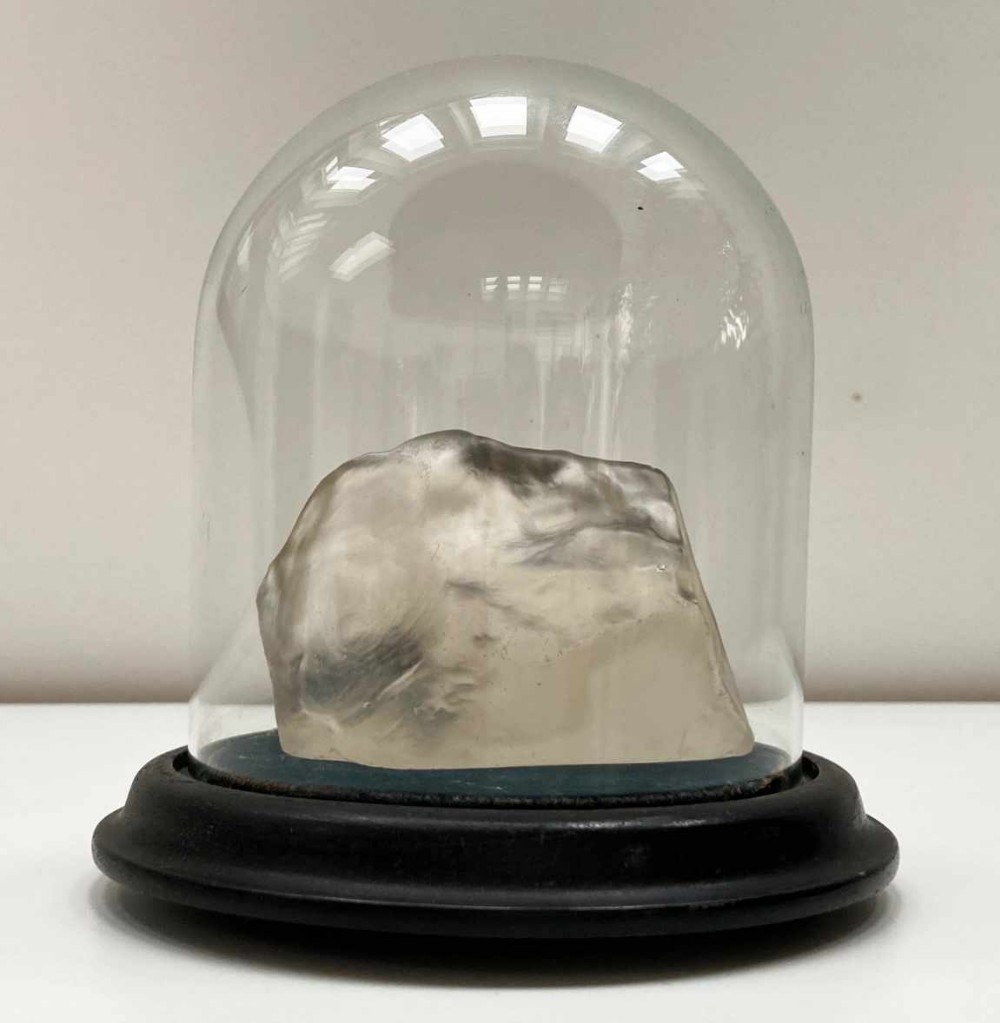
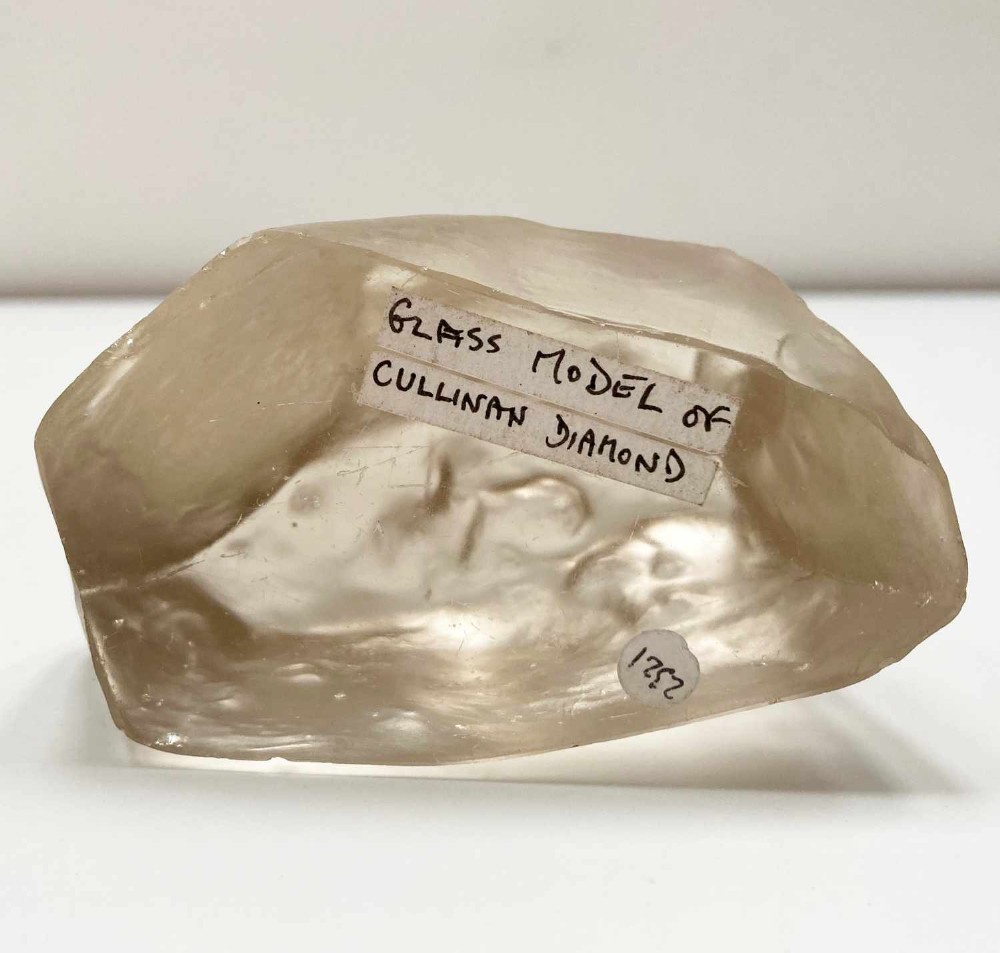
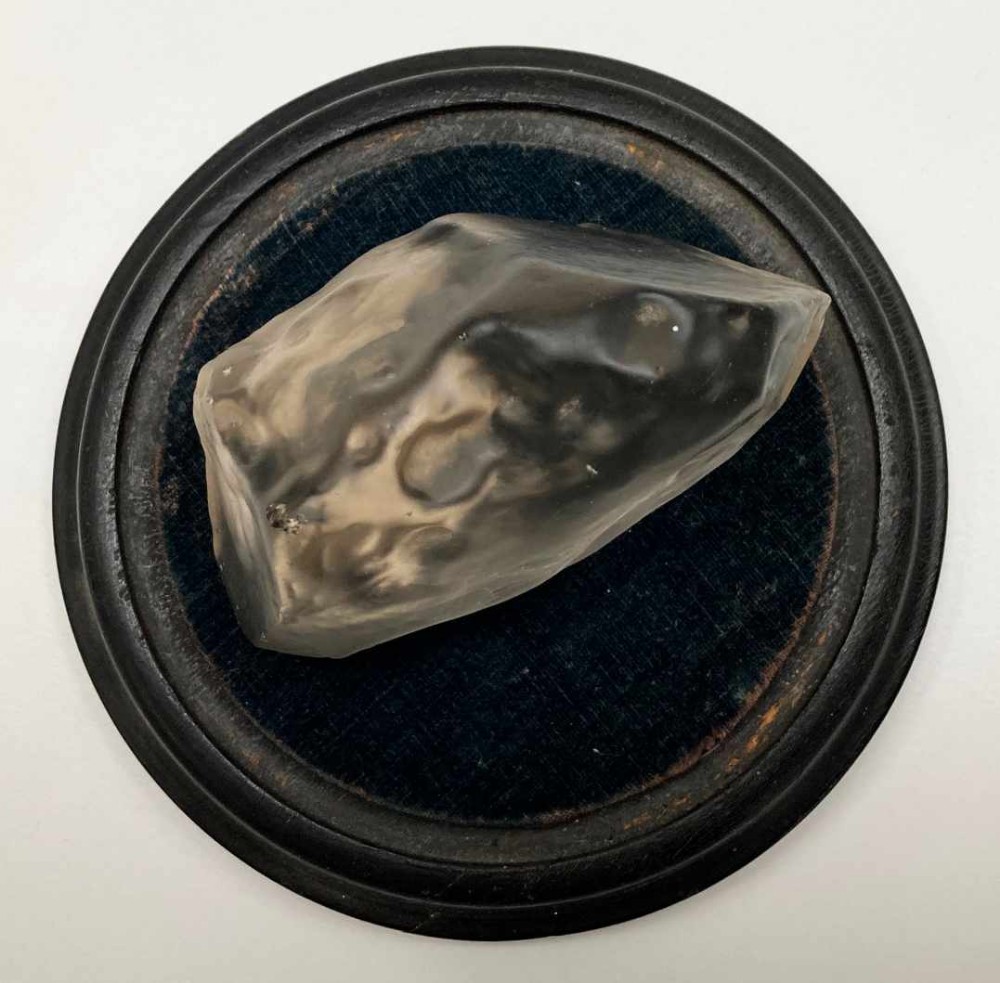
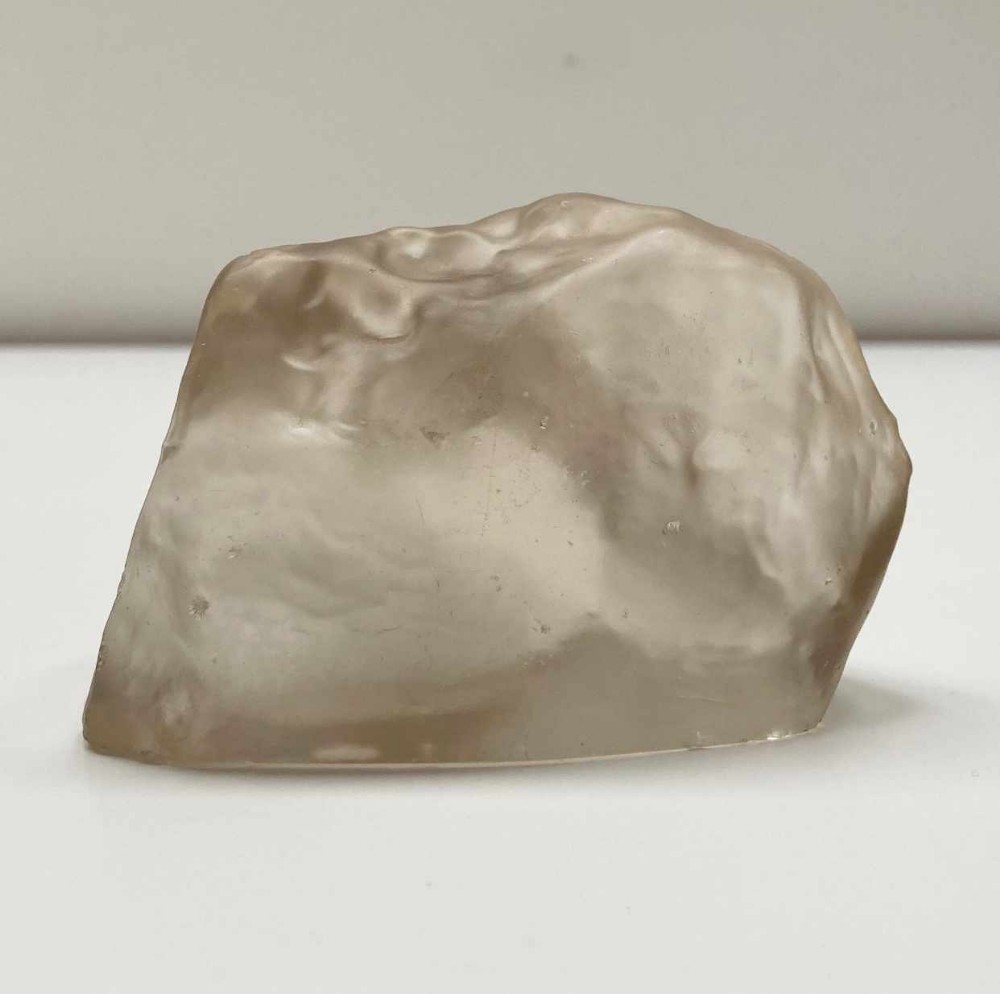
Edwardian Glass Replica of the Uncut Cullinan Diamond - James R Gregory
Jason Clarke Antiques
sold SA760971
Sorry, but this item has been sold.
Jason Clarke Antiques

Jason Clarke Antiques

Sellingantiques Verified Since Jul 2015
View Dealers Stock Page
Id #SA760971
PDF SHARE
SAVE

Edwardian Glass Replica of the Uncut Cullinan Diamond - James R Gregory

1900 - 1920
Description

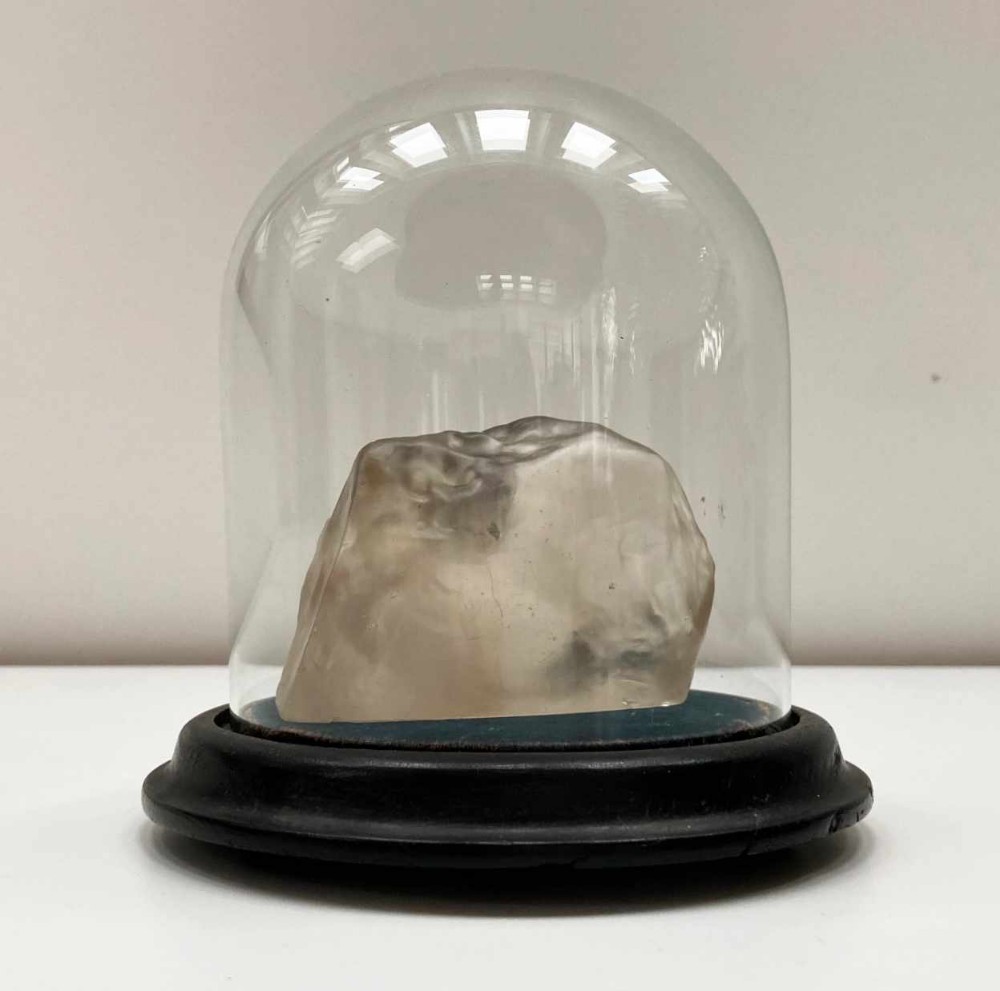
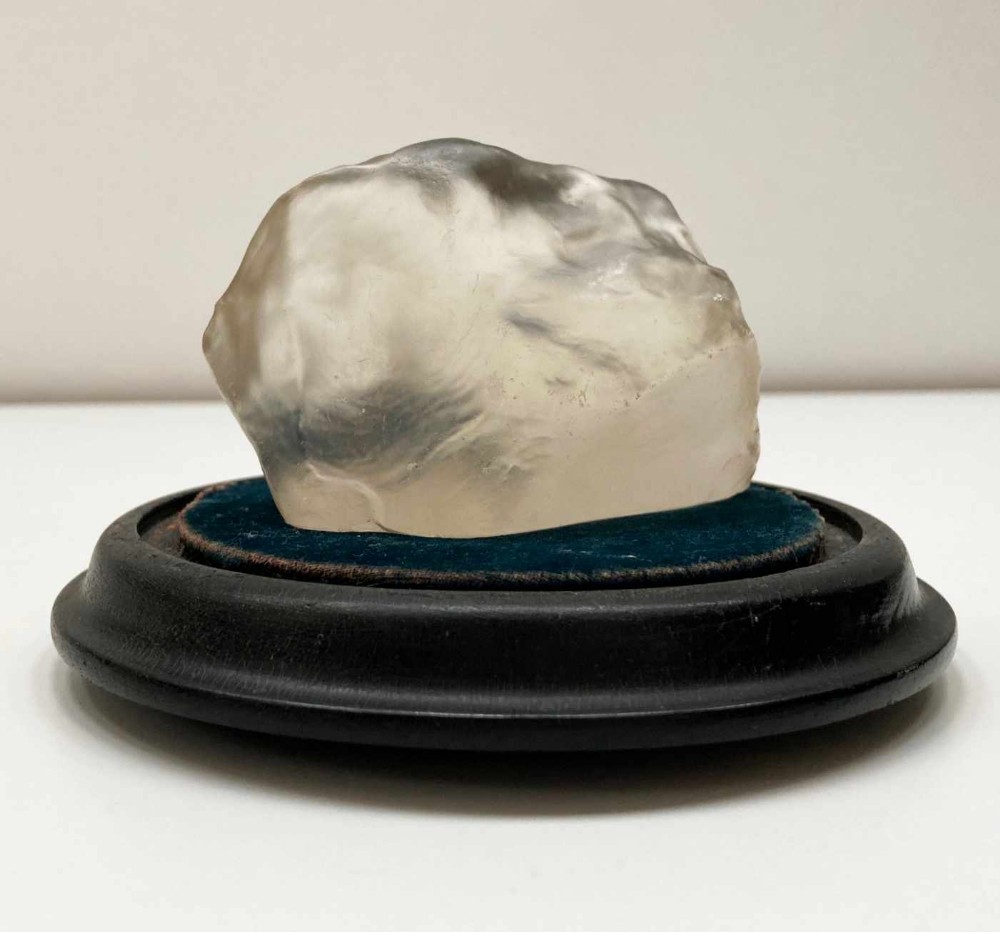
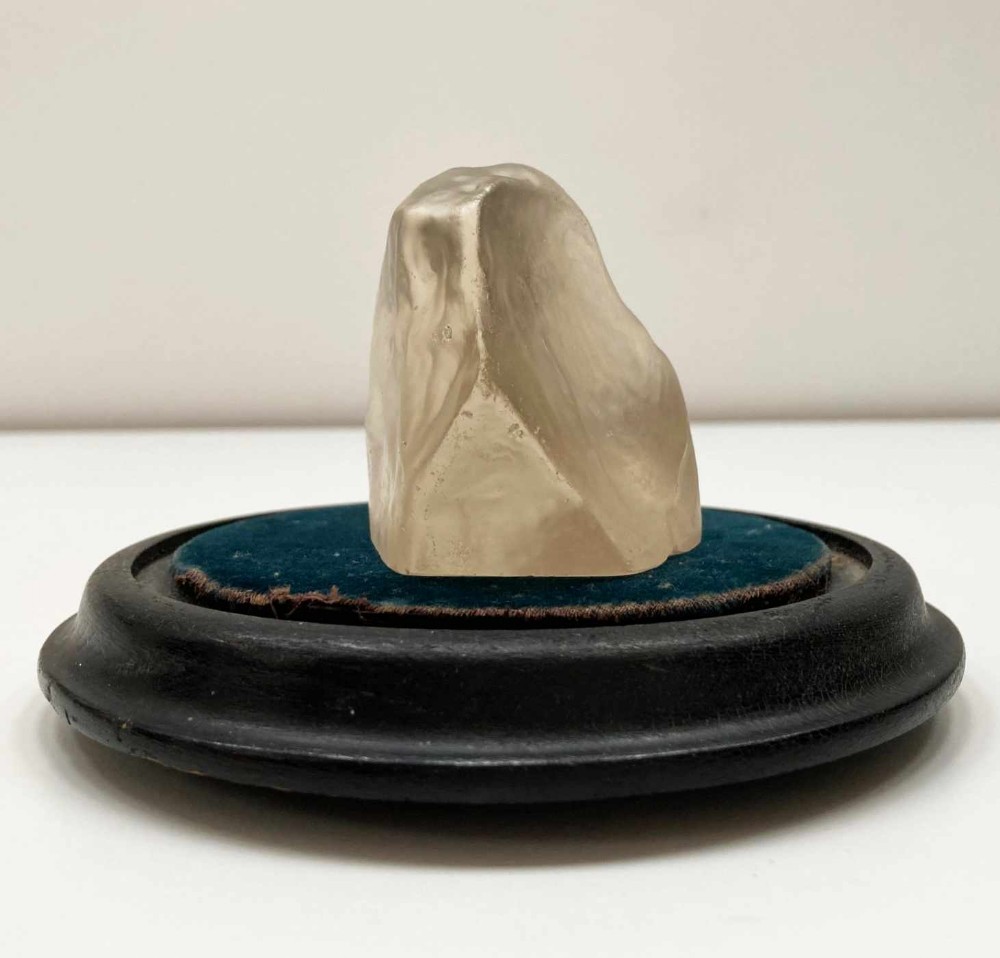
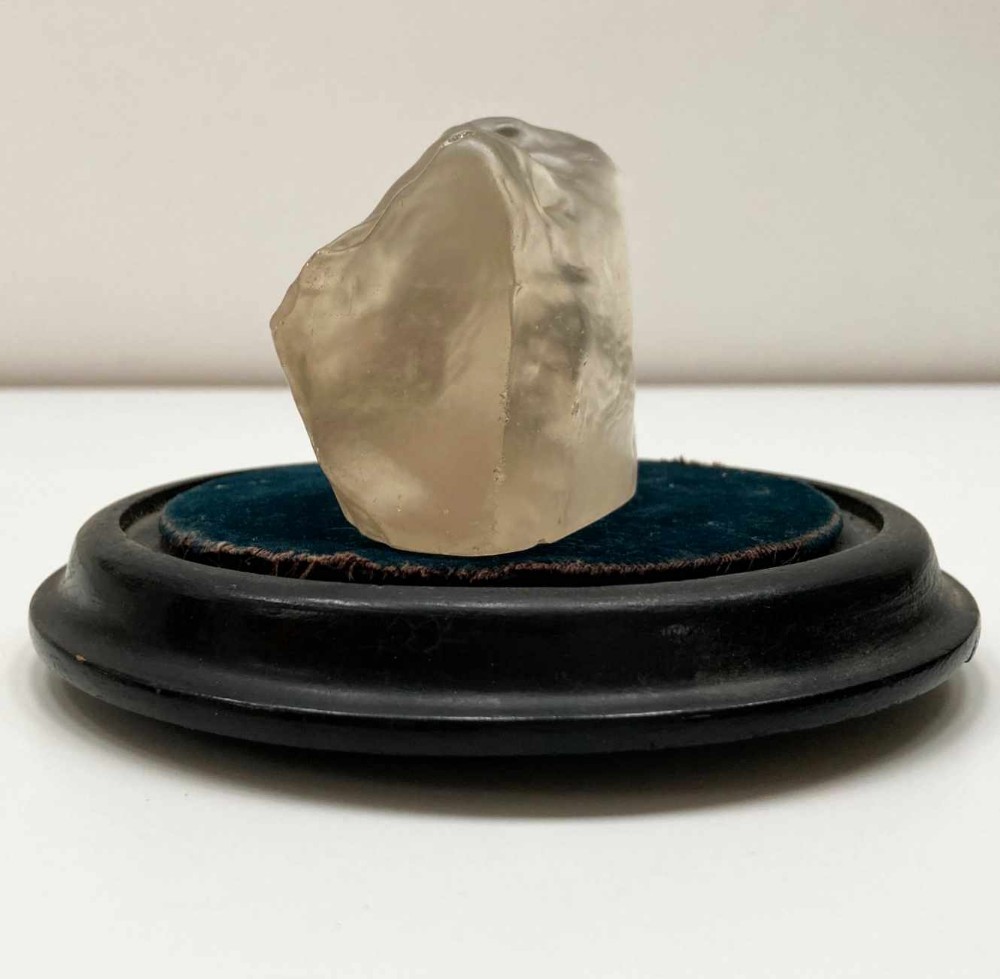
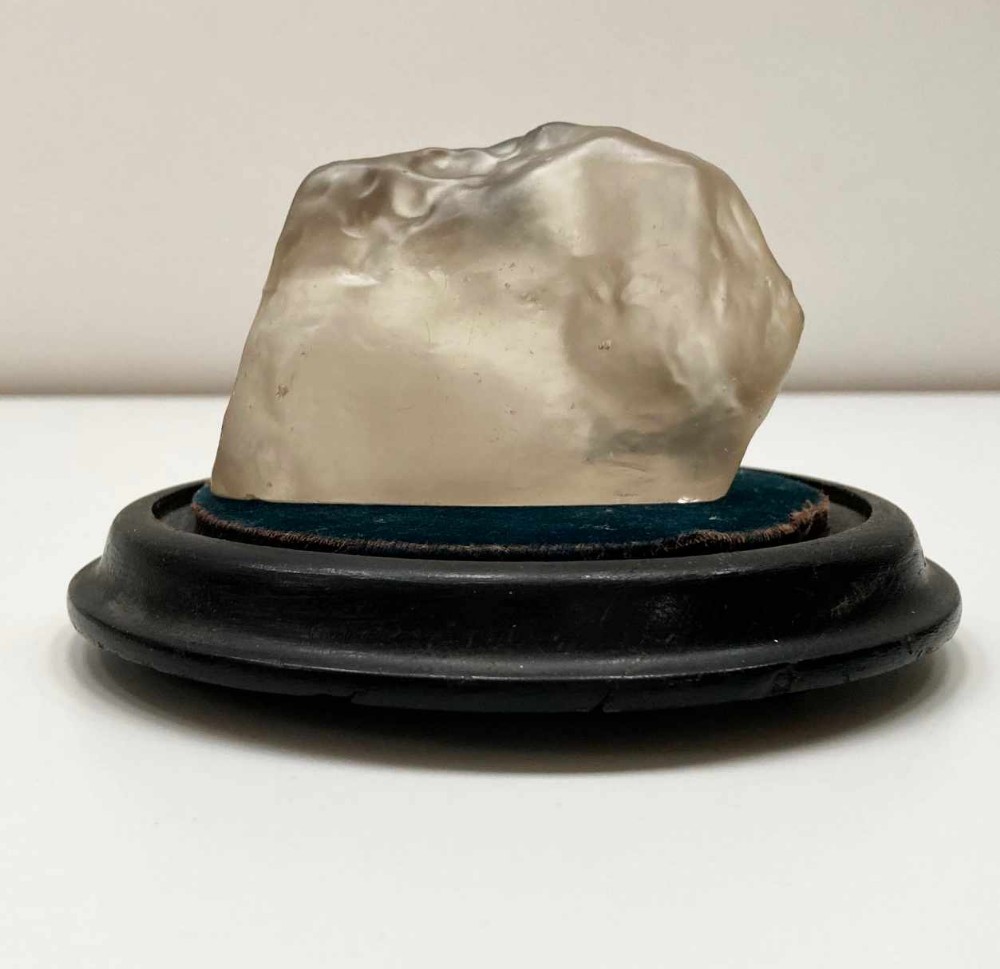
For sale, an Edwardian glass replica of the Cullinan diamond enclosed upon an ebonised base and glass dome from the collection of mineralogists Gregory, Bottley & Lloyd.

The Cullinan, the largest gem quality white diamond ever found, was discovered at the Premier Mine on 26th January 1905, eighteen feet below the surface and weighed 3106 carats. The rough diamond was nearly flawless and named the Cullinan in honour of Sir Thomas Cullinan, the founder of the Premier Mine in which it was found. After its initial public display at Johannesburg’s Standard Bank it was sent to London for inspection by King Edward VII and owing to its immense value, a decoy replica was created for carriage by steamboat back to The United Kingdom accompanied by the requisite security, whilst the original was simply sent via registered post.
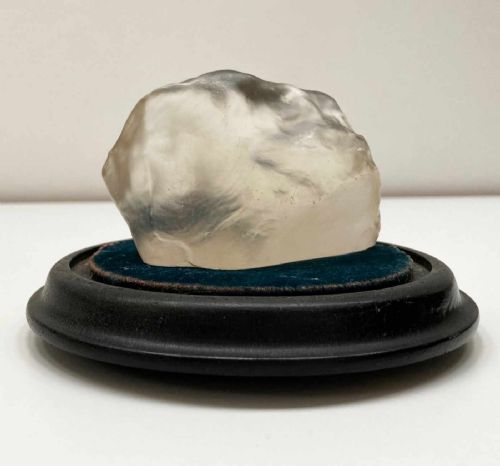
The diamond was offered for sale in London by Sales Agents, S. Neumann & Co but remained unsold until 1907 when Louis Botha, premier of the Transvaal, persuaded his government to buy the diamond for £150,000 and presented it to King Edward VII as a token of thanks for granting Transvaal its own constitution.
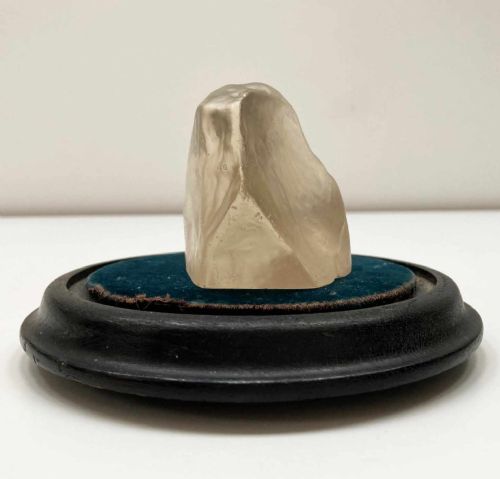
Prime Minister Henry Campbell Bannerman advised against accepting the diamond but Edward VII was eventually persuaded by Colonial Under-Secretary (and later Prime Minister) Winston Churchill. According to Leslie Field in her book, “The Queens Jewels”, “the Transvaal Government presented Churchill with a model of the diamond in gratitude, which he delighted in showing off to his friends, sometimes displaying it on a silver salver”.
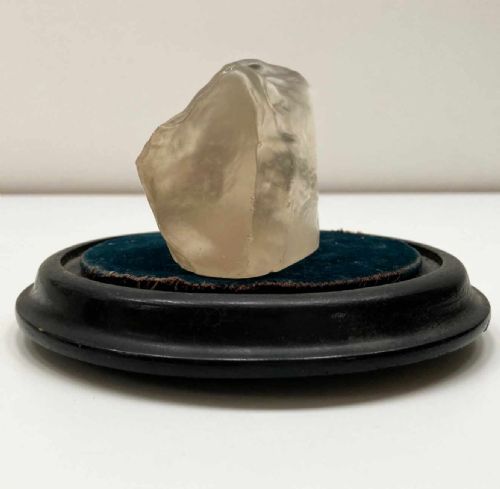
The Cullinan was handed to Amsterdam’s House of Asscher to polish. The diamond was divided into 9 major gemstones, 96 smaller stones and about 19.5cts of unpolished pieces. The two largest gems were kept for England’s regalia and the rest went to Asscher as payment. King Edward bought one of the major gems for his consort, Queen Alexandra. The Transvaal government bought the remaining stones and pieces, and presented the other 6 major gems to Queen Mary in 1910. Two of the small stones were presented to Louis Botha, who gave one to his daughter when she turned 17.
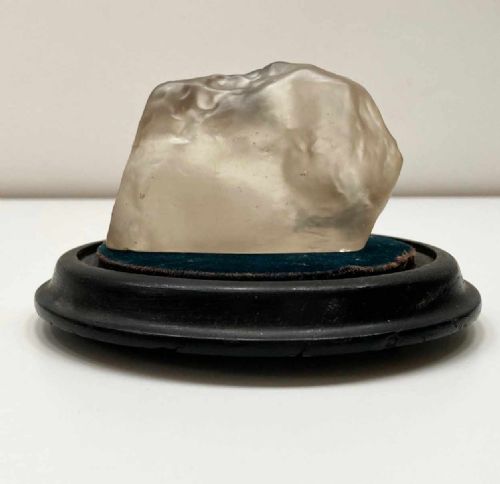
As evidenced by the Transvaal Government’s gift of a glass replica of the uncut stone to Churchill, it seems that a number of these were produced as gifts during this period. One such example remains in The Royal Collection (inventory No: RCIN 84453) and is accompanied by a note stating that it was “presented by HM The Queen in 1915”, another is referenced in The American Museum Journal (Vol VIII) of January 1908 where the publication states that:
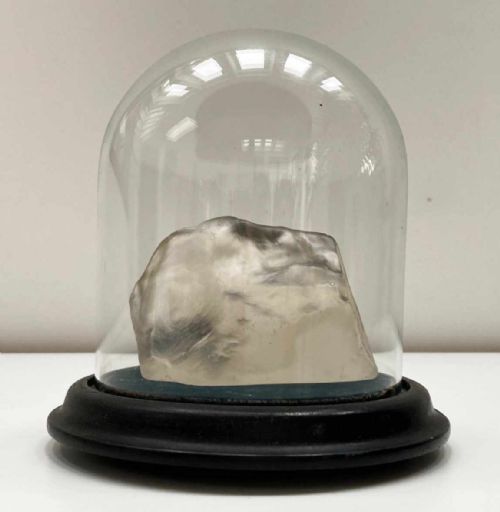
“There has recently been placed on exhibition in The Hall of Mineralogy, a natural-sized model in glass of the great Cullinan diamond which the museum has received as a gift from the Premier Transvaal Diamond Mining Company Limited, Johannesburg, South Africa”.
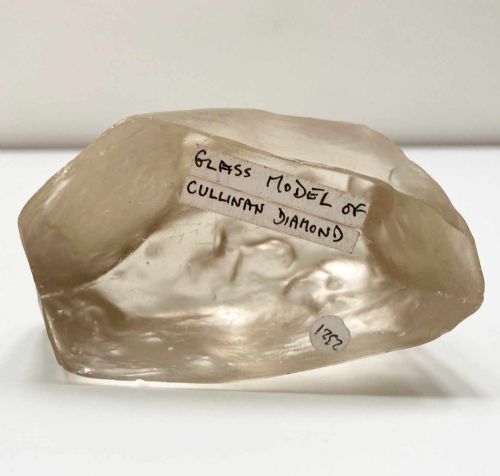
There is also another replica example in the Capetown Diamond Museum but it is unclear whether it dates from the period or is a modern replica.

This example came from the former stock of Gregory Bottley & Lloyd, the famous mineral and fossil dealers who were the successors to the James R Gregory London business. It seems likely therefore that the firm either purchased this replica at the time or were gifted as an example from the mining company. The founder, James R Gregory died in 1899 but was no stranger to the diamond business and was perhaps most famously known for his failure in 1868 to see opportunity for diamond mining in South Africa. In that year, he was commissioned by the diamond merchant Harry Emmanuel to travel to the country to investigate.
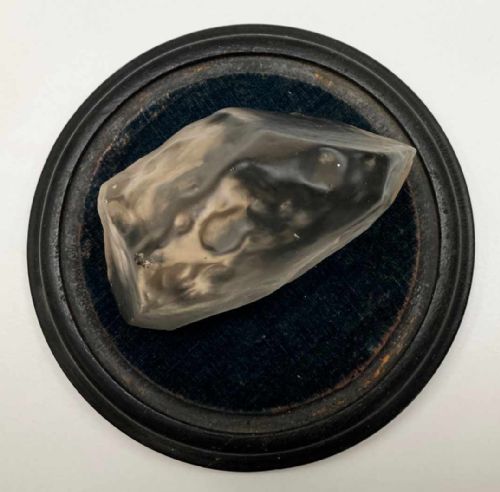
He is quotes on his return as saying that, “the whole story of the Cape diamond discoveries is false, and is one of many schemes for trying to promote the employment and expenditure of capital in searching for this pereachous substance in the colony.

Physical Dimensions
Height
16cm (6.30")
Width
15cm (5.91")
Depth
15cm (5.91")
Declaration

Jason Clarke Antiques has dated this piece to the 1910s.

Reference Numbers
Sellingantiques Reference
SA760971
Description
For sale, an Edwardian glass replica of the Cullinan diamond enclosed upon an ebonised base and glass dome from the collection of mineralogists Gregory, Bottley & Lloyd.
The Cullinan, the largest gem quality white diamond ever found, was discovered at the Premier Mine on 26th January 1905, eighteen feet below the surface and weighed 3106 carats.
Jason Clarke Antiques

The rough diamond was nearly flawless and named the Cullinan in honour of Sir Thomas Cullinan, the founder of the Premier Mine in which it was found. After its initial public display at Johannesburg’s Standard Bank it was sent to London for inspection by King Edward VII and owing to its immense value, a decoy replica was created for carriage by steamboat back to The United Kingdom accompanied by the requisite security, whilst the original was simply sent via registered post.

fig 1. Edwardian Glass Replica of the Uncut Cullinan Diamond - James R Gregory

The diamond was offered for sale in London by Sales Agents, S. Neumann & Co but remained unsold until 1907 when Louis Botha, premier of the Transvaal, persuaded his government to buy the diamond for £150,000 and presented it to King Edward VII as a token of thanks for granting Transvaal its own constitution.

fig 2. Edwardian Glass Replica of the Uncut Cullinan Diamond - James R Gregory

Prime Minister Henry Campbell Bannerman advised against accepting the diamond but Edward VII was eventually persuaded by Colonial Under-Secretary (and later Prime Minister) Winston Churchill. According to Leslie Field in her book, “The Queens Jewels”, “the Transvaal Government presented Churchill with a model of the diamond in gratitude, which he delighted in showing off to his friends, sometimes displaying it on a silver salver”.

fig 3. Edwardian Glass Replica of the Uncut Cullinan Diamond - James R Gregory

The Cullinan was handed to Amsterdam’s House of Asscher to polish. The diamond was divided into 9 major gemstones, 96 smaller stones and about 19.5cts of unpolished pieces. The two largest gems were kept for England’s regalia and the rest went to Asscher as payment. King Edward bought one of the major gems for his consort, Queen Alexandra. The Transvaal government bought the remaining stones and pieces, and presented the other 6 major gems to Queen Mary in 1910. Two of the small stones were presented to Louis Botha, who gave one to his daughter when she turned 17.

fig 4. Edwardian Glass Replica of the Uncut Cullinan Diamond - James R Gregory

As evidenced by the Transvaal Government’s gift of a glass replica of the uncut stone to Churchill, it seems that a number of these were produced as gifts during this period. One such example remains in The Royal Collection (inventory No: RCIN 84453) and is accompanied by a note stating that it was “presented by HM The Queen in 1915”, another is referenced in The American Museum Journal (Vol VIII) of January 1908 where the publication states that:

fig 5. Edwardian Glass Replica of the Uncut Cullinan Diamond - James R Gregory

“There has recently been placed on exhibition in The Hall of Mineralogy, a natural-sized model in glass of the great Cullinan diamond which the museum has received as a gift from the Premier Transvaal Diamond Mining Company Limited, Johannesburg, South Africa”.

fig 6. Edwardian Glass Replica of the Uncut Cullinan Diamond - James R Gregory

There is also another replica example in the Capetown Diamond Museum but it is unclear whether it dates from the period or is a modern replica.

This example came from the former stock of Gregory Bottley & Lloyd, the famous mineral and fossil dealers who were the successors to the James R Gregory London business. It seems likely therefore that the firm either purchased this replica at the time or were gifted as an example from the mining company. The founder, James R Gregory died in 1899 but was no stranger to the diamond business and was perhaps most famously known for his failure in 1868 to see opportunity for diamond mining in South Africa. In that year, he was commissioned by the diamond merchant Harry Emmanuel to travel to the country to investigate.

fig 7. Edwardian Glass Replica of the Uncut Cullinan Diamond - James R Gregory

He is quotes on his return as saying that, “the whole story of the Cape diamond discoveries is false, and is one of many schemes for trying to promote the employment and expenditure of capital in searching for this pereachous substance in the colony.

Height
16cm (6.30")
Width
15cm (5.91")
Depth
15cm (5.91")
Date of Manufacture

Jason Clarke Antiques has dated this piece to the 1910s.

Reference Numbers
Sellingantiques Ref
SA760971
Jason Clarke Antiques
Sellingantiques verified Since Jul 2015
Dealer Profile

You can view the stock and full dealer information on the Jason Clarke Antiques Profile Page
PDF SHARE
SAVE
Edwardian Glass Replica of the Uncut Cullinan Diamond - James R Gregory
1 / 13
Archive I Edwardian Glass Replica of the Uncut Cullinan Diamond - James R Gregory
Edwardian Glass Replica of the Uncut Cullinan Diamond - James R Gregory
Archive II Edwardian Glass Replica of the Uncut Cullinan Diamond - James R Gregory View II
Archive III Edwardian Glass Replica of the Uncut Cullinan Diamond - James R Gregory View III
Archive IV Edwardian Glass Replica of the Uncut Cullinan Diamond - James R Gregory View IV
Archive V Edwardian Glass Replica of the Uncut Cullinan Diamond - James R Gregory View V
Archive VI Edwardian Glass Replica of the Uncut Cullinan Diamond - James R Gregory View VI
Archive VII Edwardian Glass Replica of the Uncut Cullinan Diamond - James R Gregory View VII
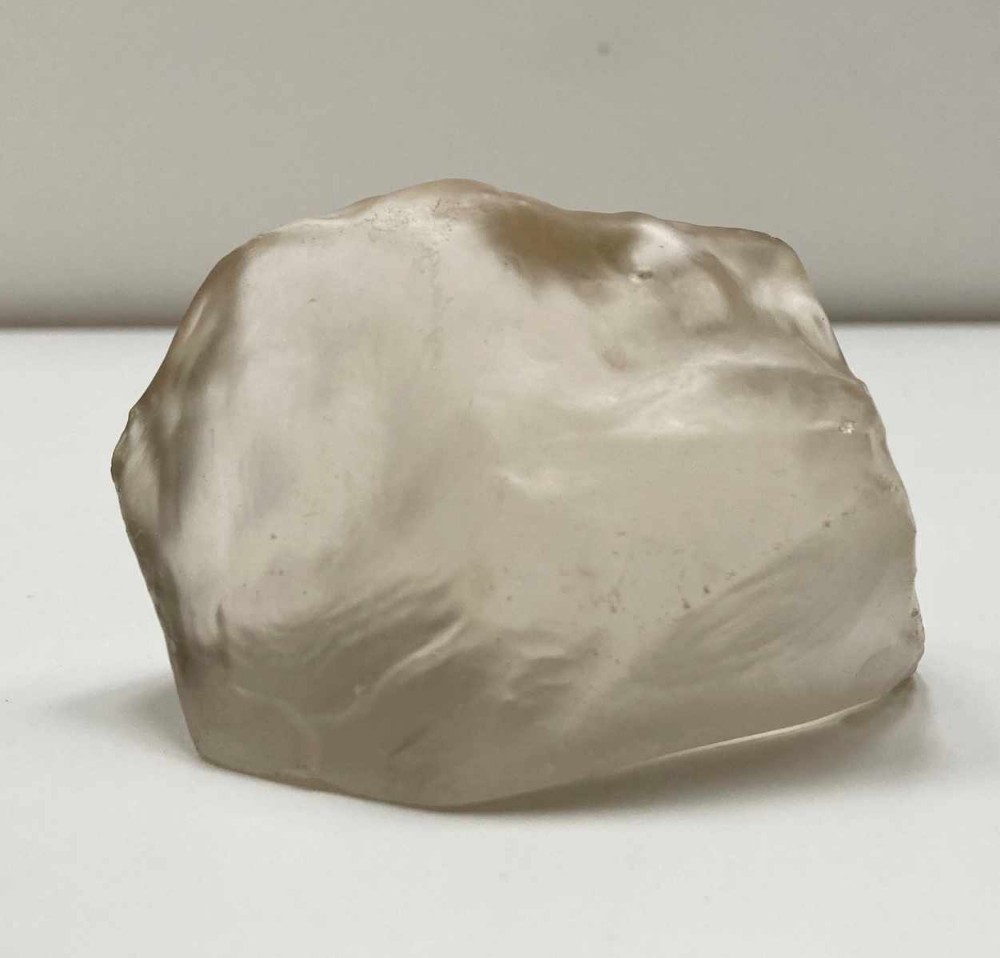
Archive VIII Edwardian Glass Replica of the Uncut Cullinan Diamond - James R Gregory View VIII
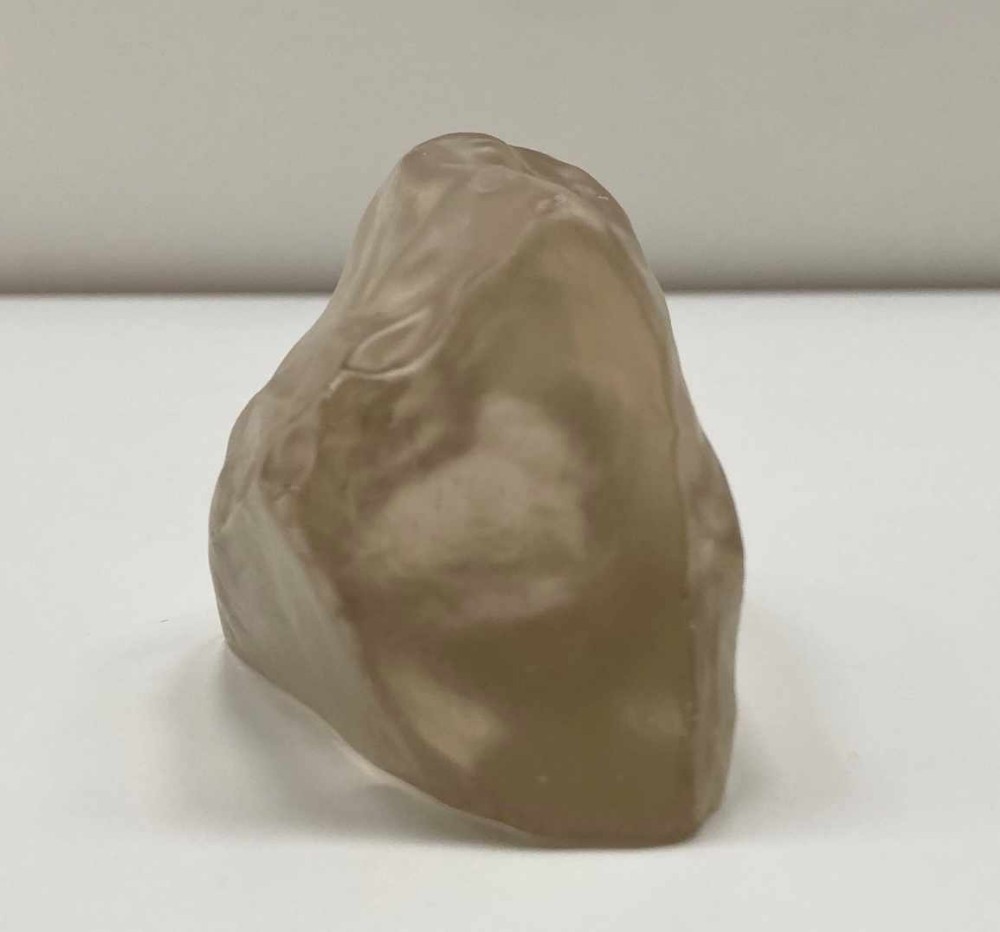
Archive IX Edwardian Glass Replica of the Uncut Cullinan Diamond - James R Gregory View IX
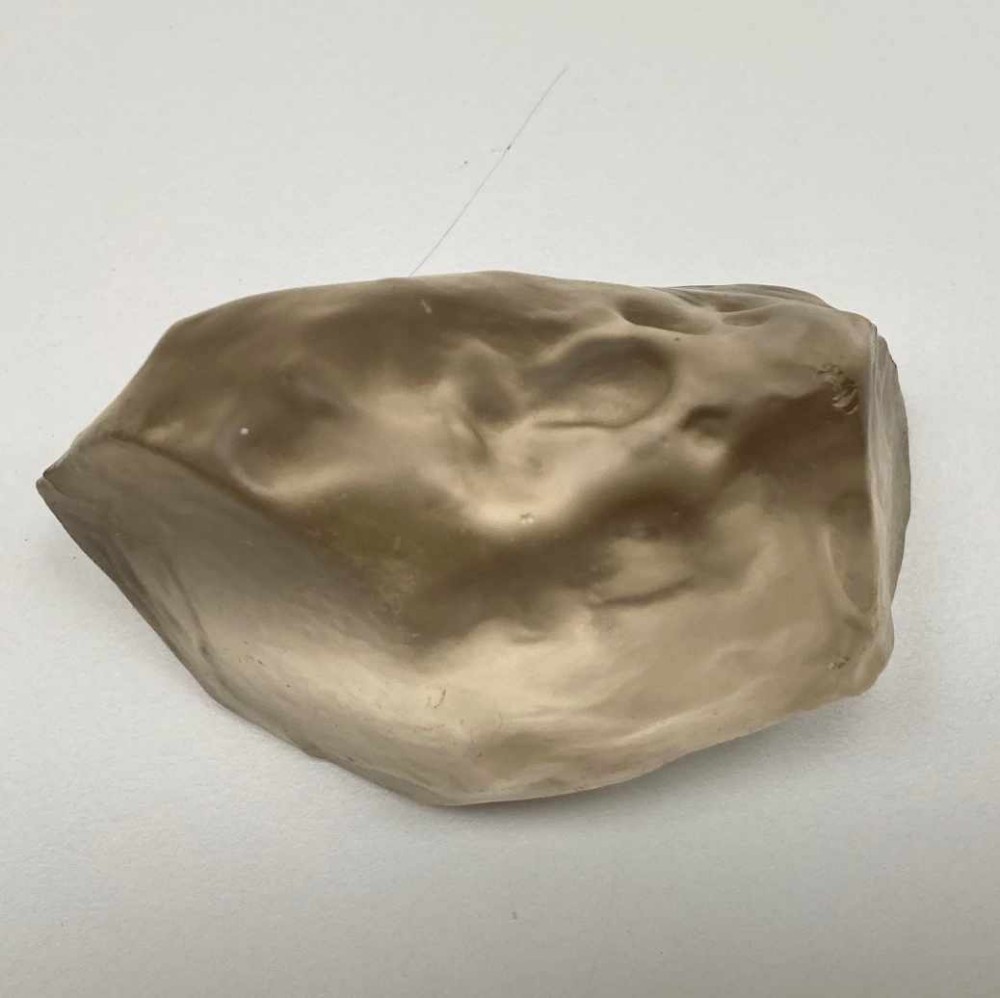
Archive X Edwardian Glass Replica of the Uncut Cullinan Diamond - James R Gregory View X
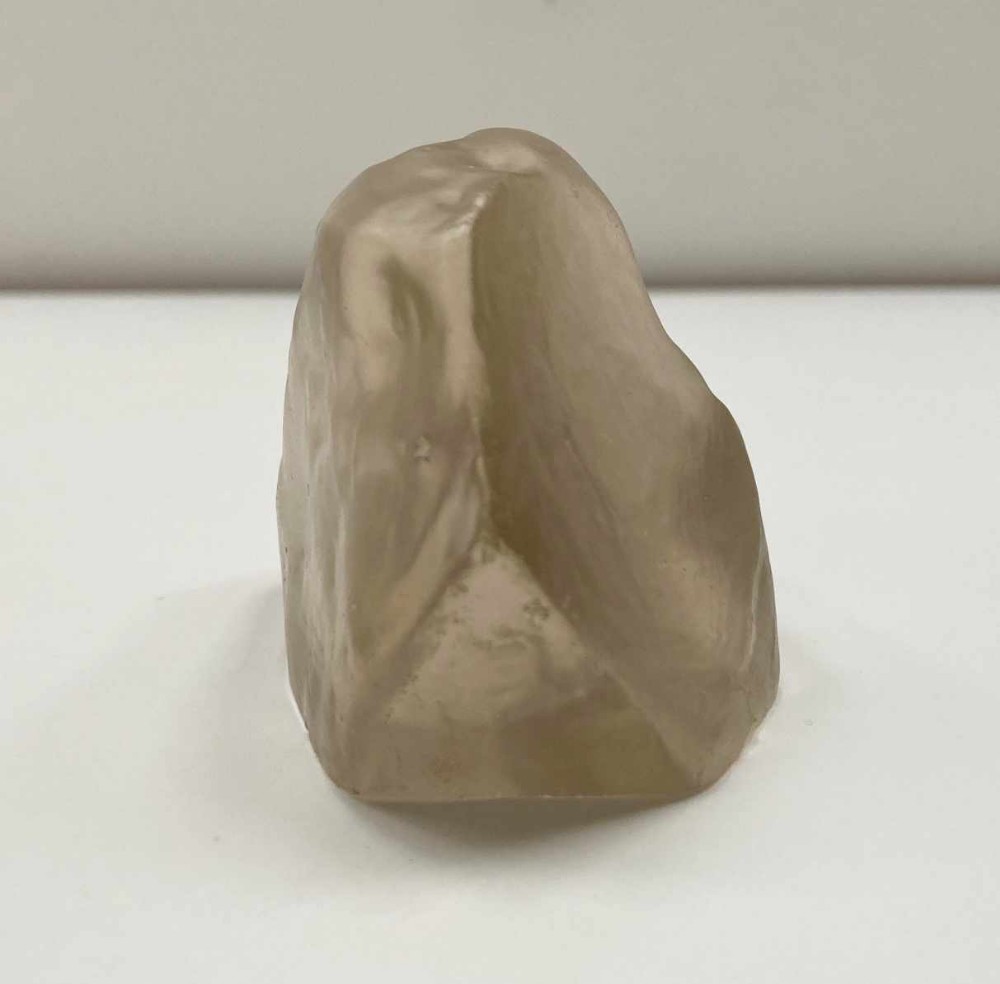
Archive XI Edwardian Glass Replica of the Uncut Cullinan Diamond - James R Gregory View XI
Archive XII Edwardian Glass Replica of the Uncut Cullinan Diamond - James R Gregory View XII
Archive XIII Edwardian Glass Replica of the Uncut Cullinan Diamond - James R Gregory View XIII
Enlarged Archival View
Telephone 07815 046645
Location
Newbury
Berkshire
United Kingdom
Verified Since Jul 2015
Items For Sale 80
Items Sold 607
Jason Clarke Antiques
Verified Since Jul 2015
View Dealer Info
Location: Newbury, Berkshire, United Kingdom
Verified
Jul 2015
For Sale
80
Sold
607
Edwardian Glass Replica of the Uncut Cullinan Diamond - James R Gregory
Ref: SA760971
Edwardian Glass Replica of the Uncut Cullinan Diamond - James R Gregory
Detail View 1
Detail View 2
Detail View 3
Detail View 4
Detail View 5
Detail View 6
Detail View 7
Detail View 8
Detail View 9
Detail View 10
Detail View 11
Detail View 12
Archival Detail
Every single antique dealer on our platform is individually approved by our internal team. We verify their professional trade history, ethical standards, and photographic quality to ensure a secure, high-standard buying environment. Upon joining, every dealer agrees to a strict 9-point code of conduct. While issues can occasionally arise, our dealers typically resolve them swiftly and directly with the buyer. In fact, since our founding in 2002, Sellingantiques has only had to step in to help resolve an issue on roughly five occasions—a true testament to the quality of our dealers and their dedication to your happiness.
Our dealers are highly experienced in packing and shipping fragile, high-value antiques. Because you are in direct contact with the dealer, you will be able to easily go through all available shipping and insurance options together to ensure your item arrives safely.
Antiques are the ultimate green purchase. By choosing historical pieces over newly manufactured goods, you completely eliminate the carbon footprint of modern mass production while preserving exceptional, timeless craftsmanship.
items
Add keywords to the filter
Price
£100
£250000
Era
Movements
Material
Origin
Stock Location
Freshness
Online Payments
Categories