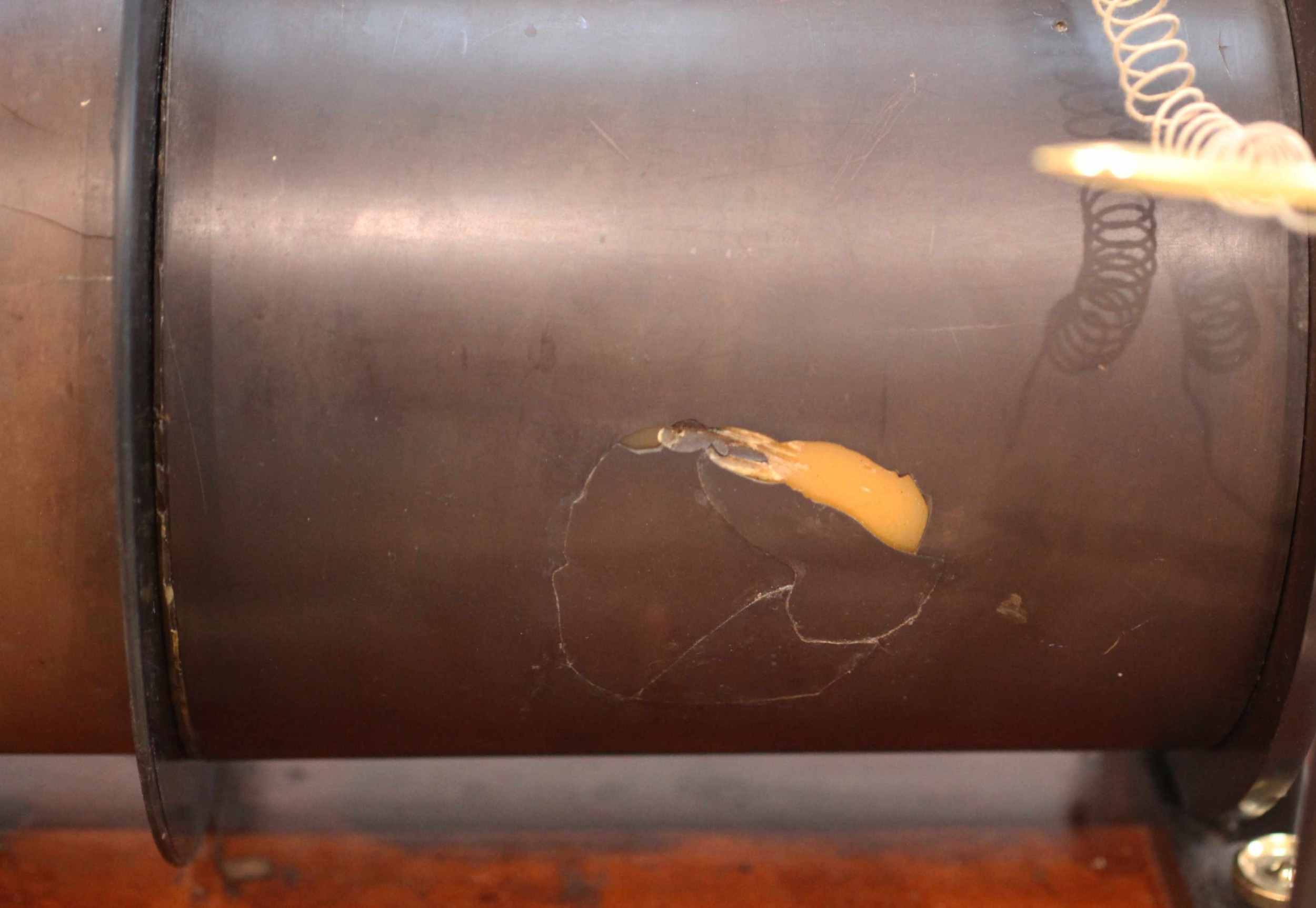
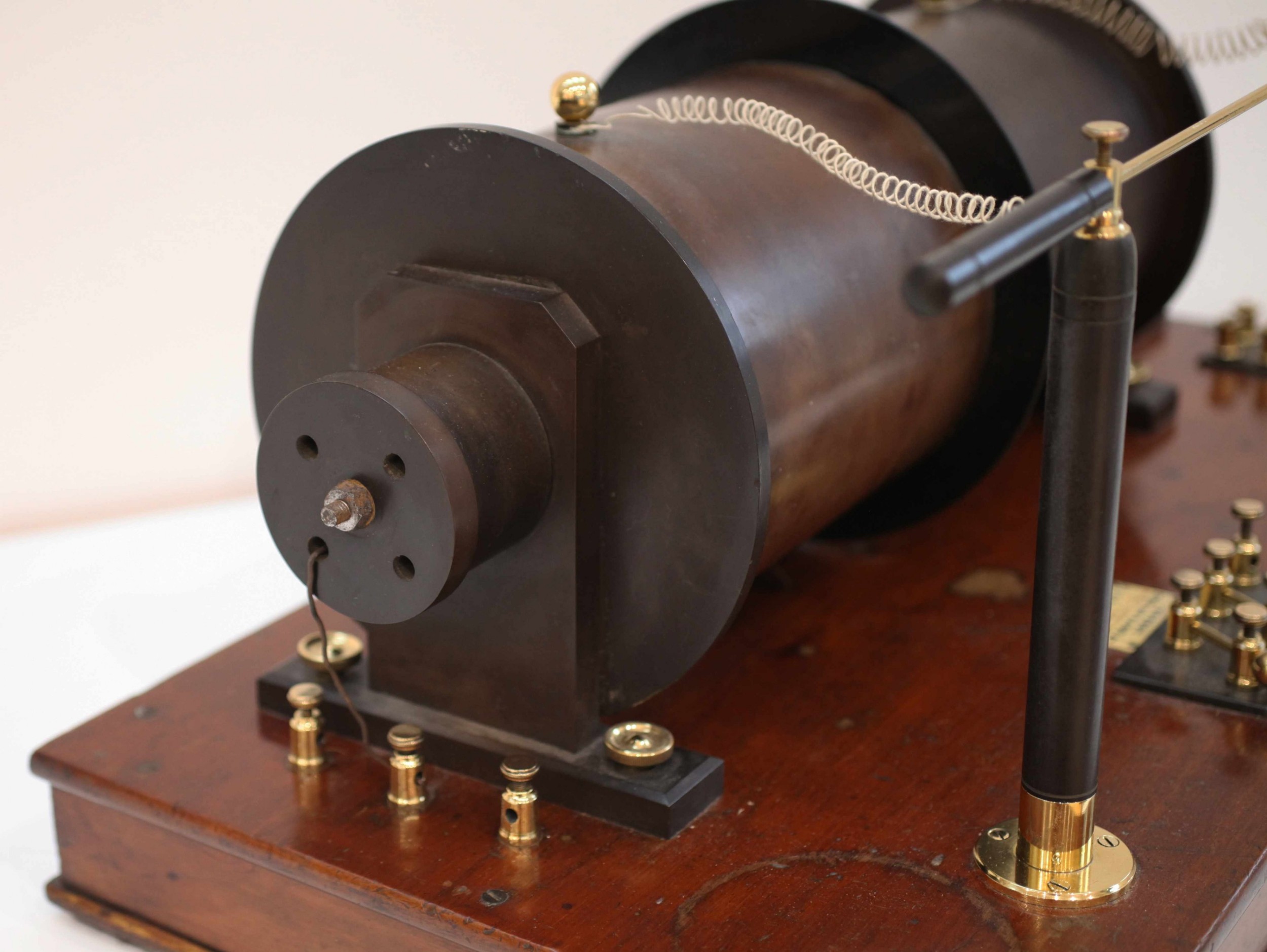
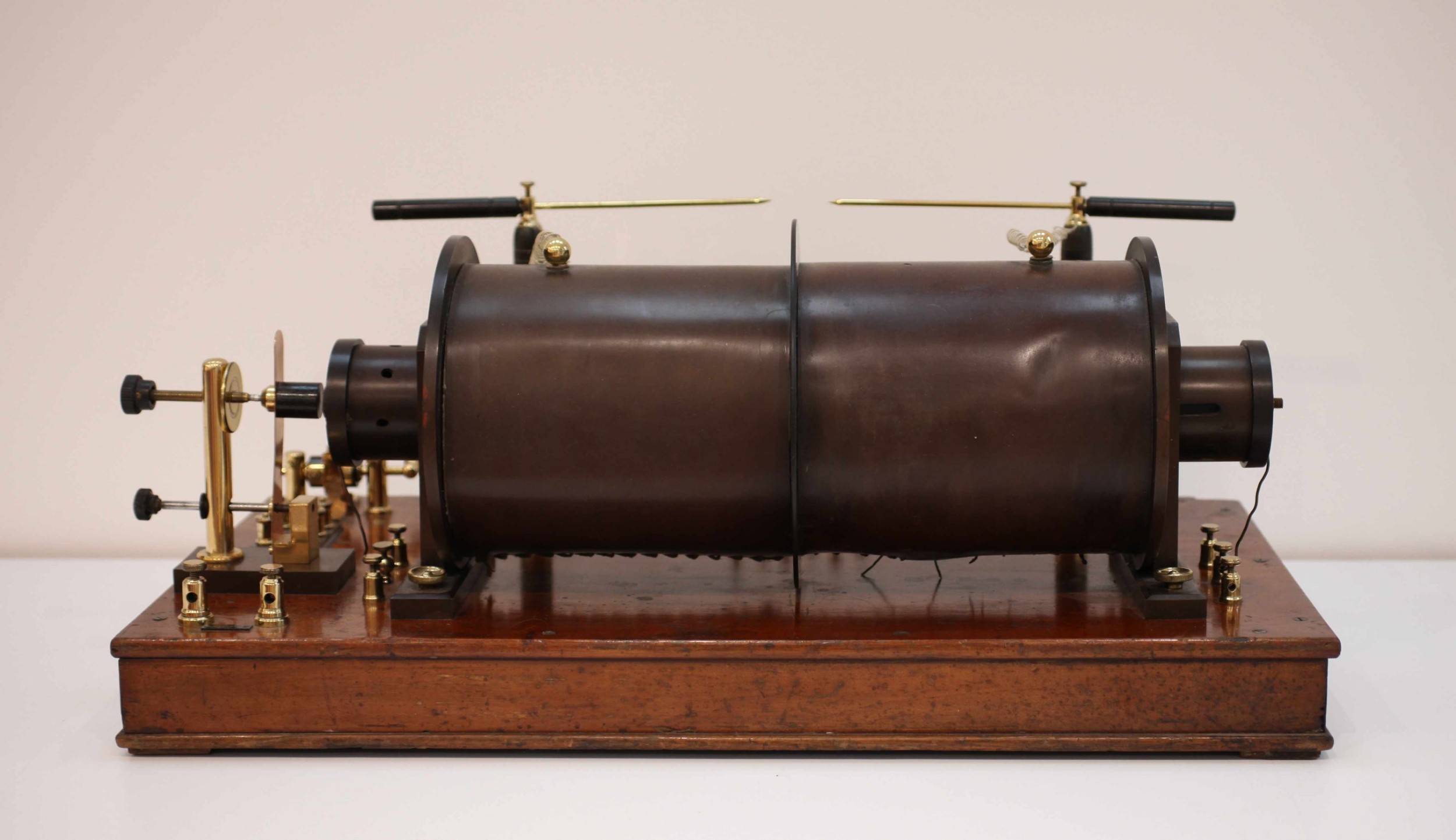
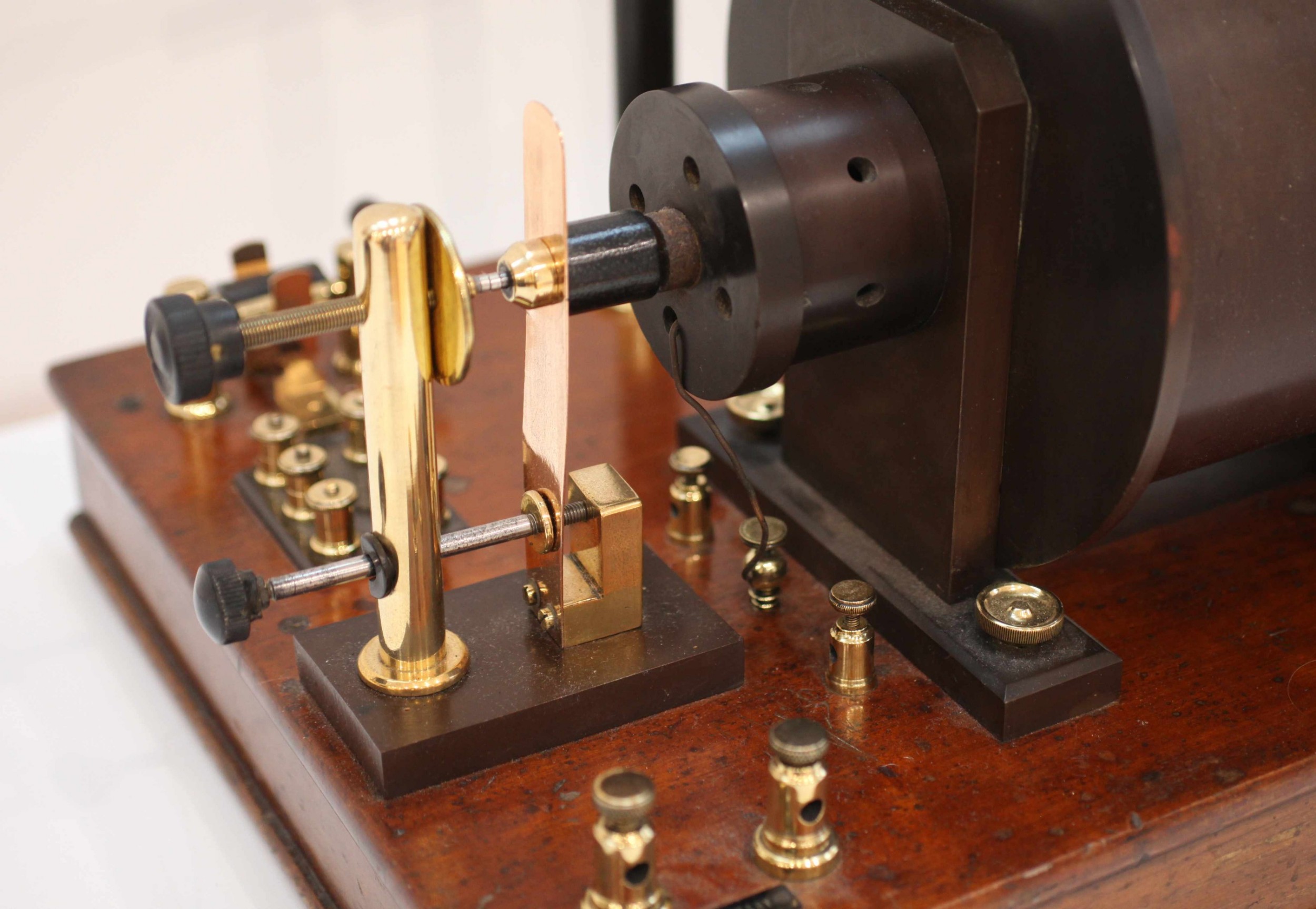
Jason Clarke Antiques has dated this piece to the 1910s.
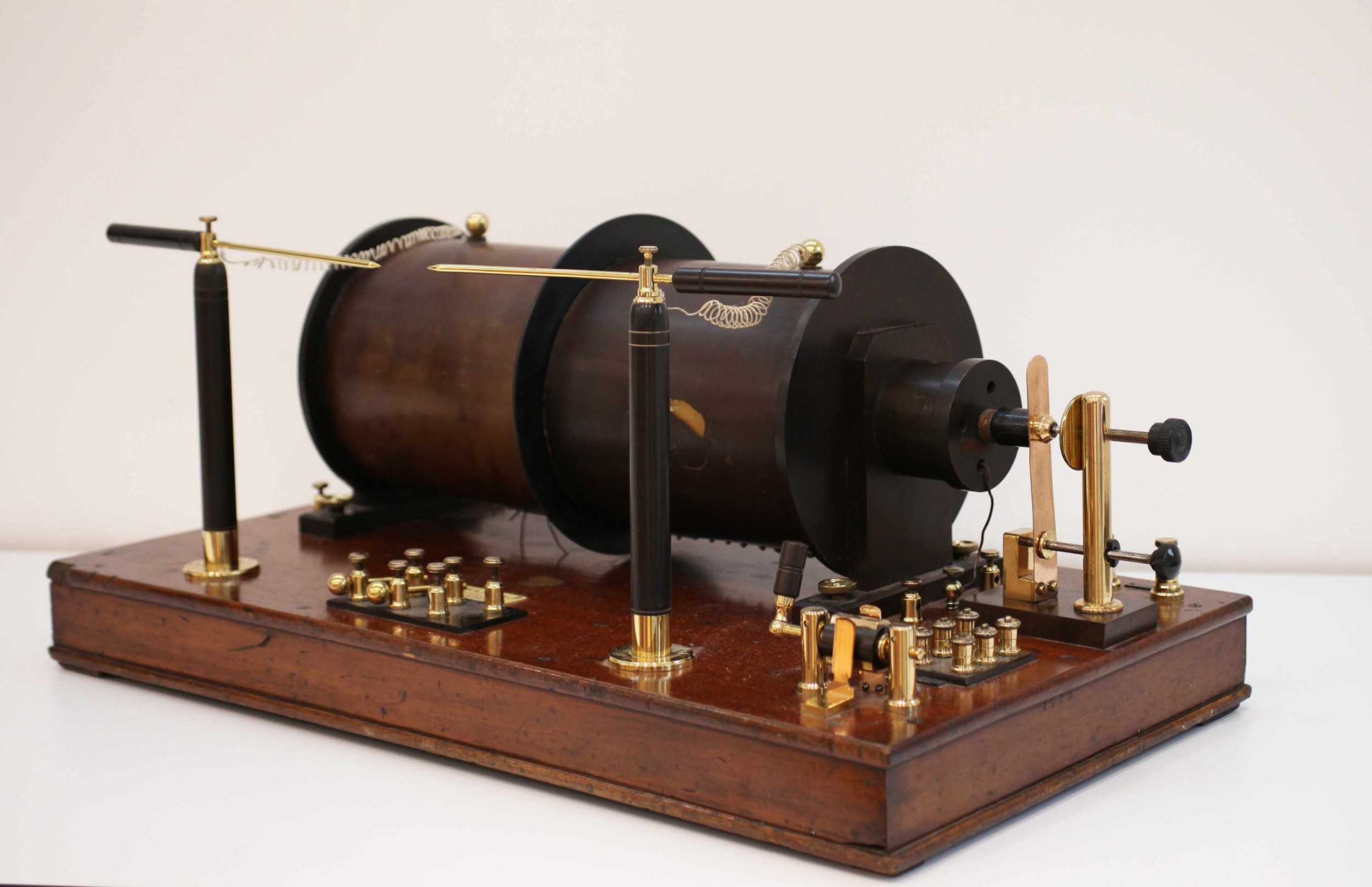
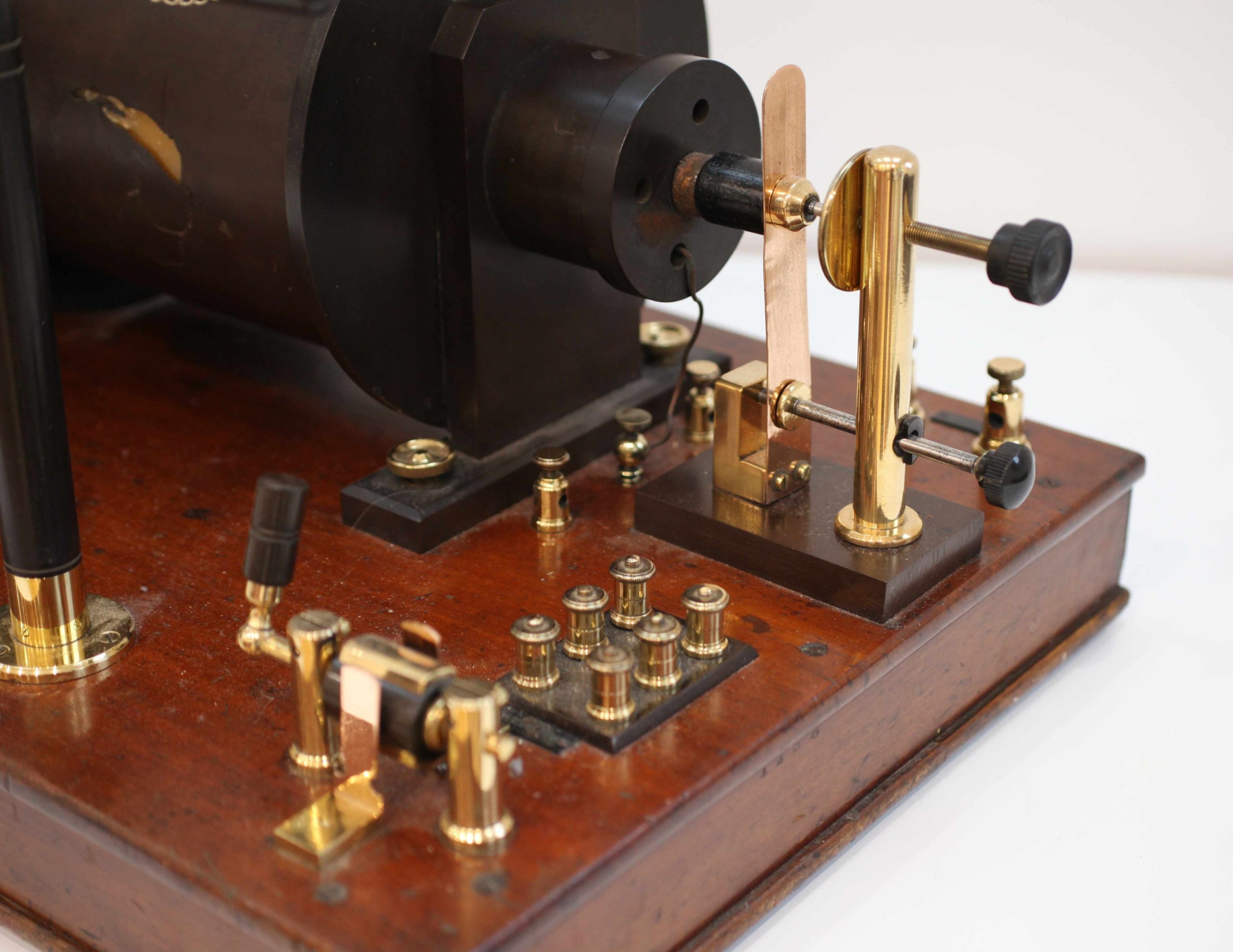
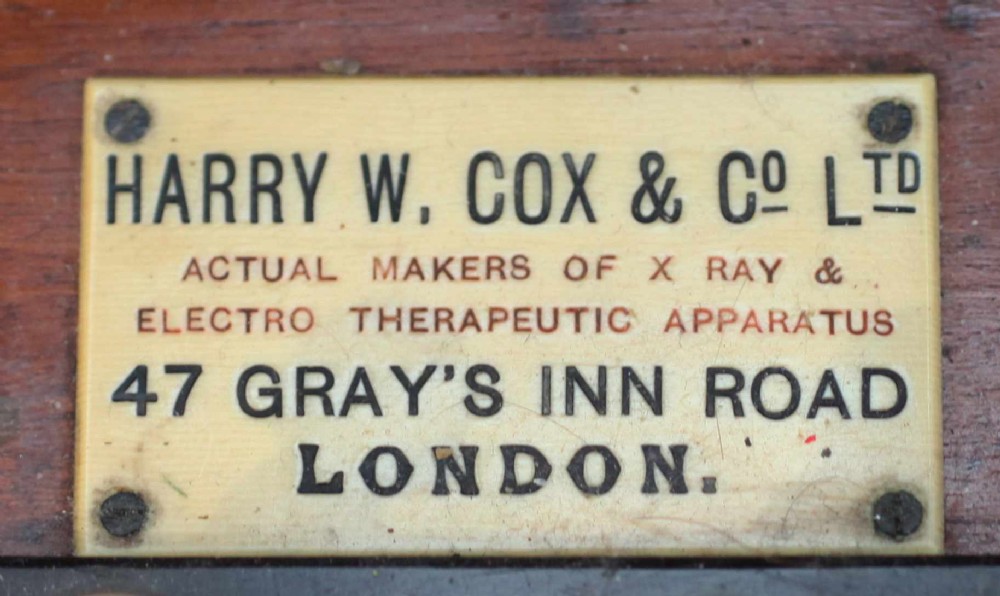
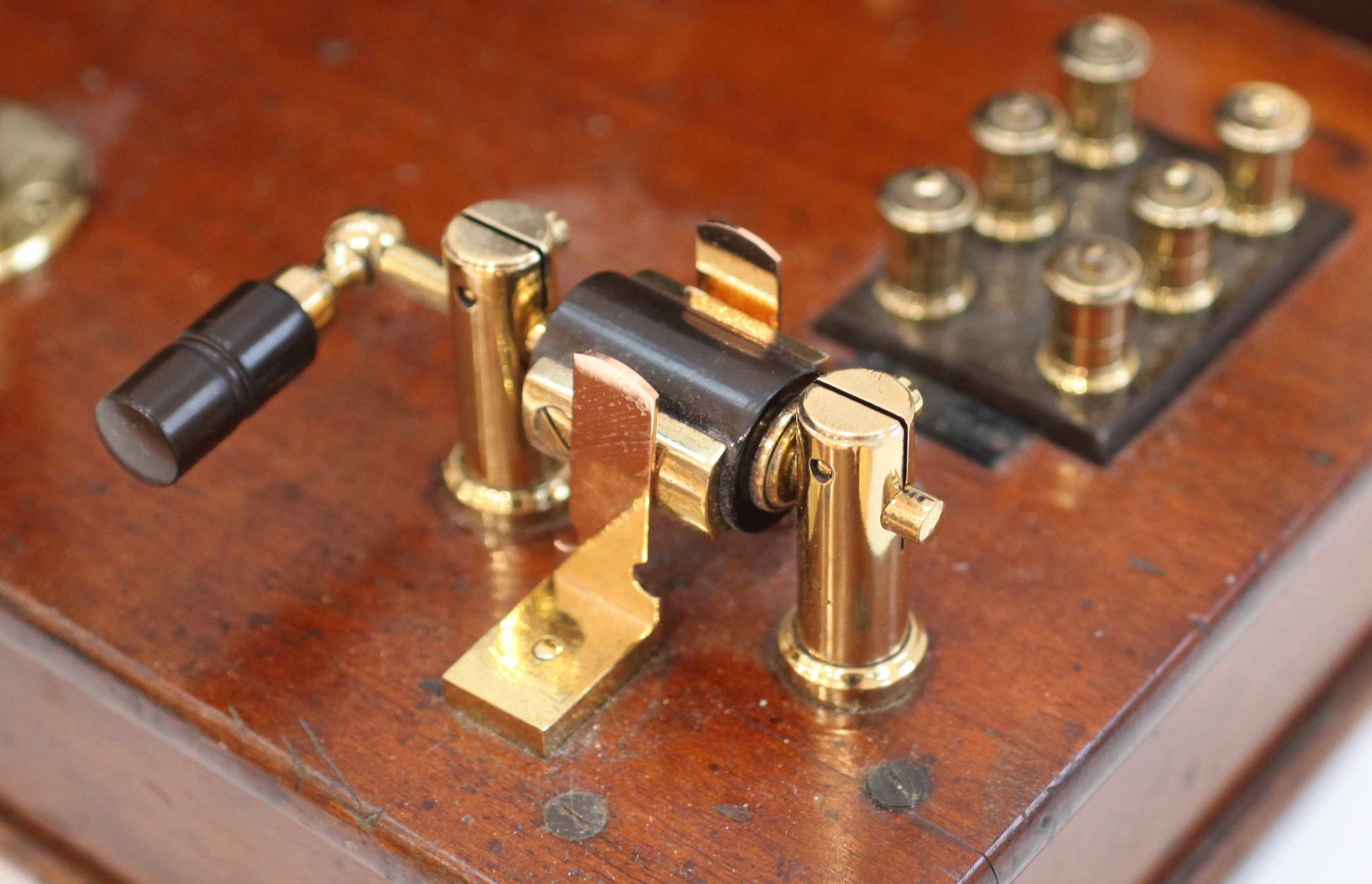
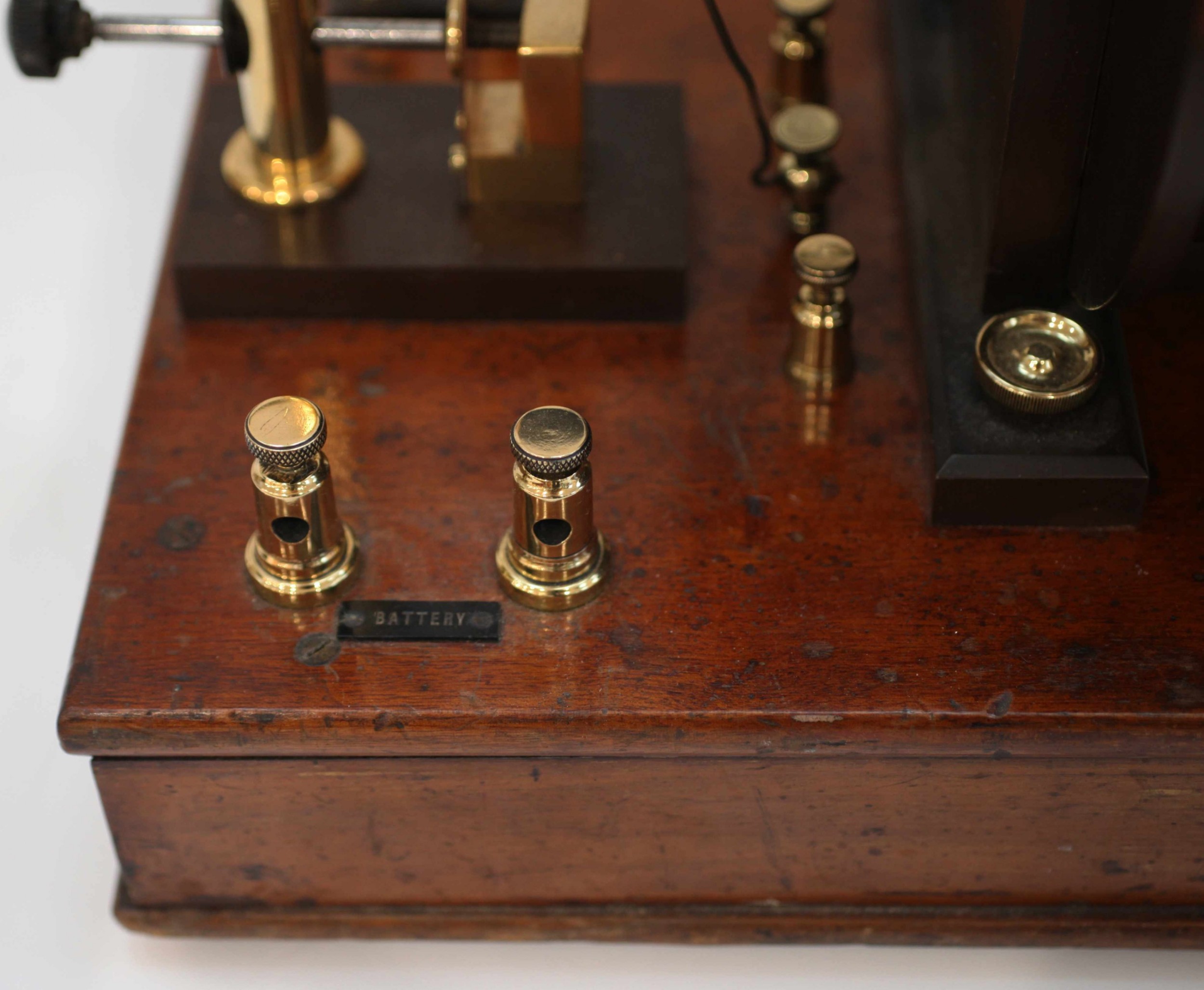
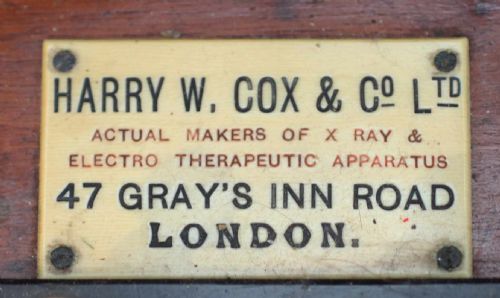
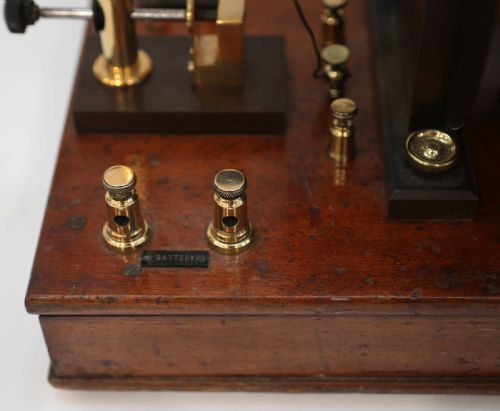
Two battery contacts are placed to the back of the interruptor and various connection points are placed in front and in the centre of the base. The power switch is placed at the front right and the makers ivorine plate remains at the centre, stating: “Harry W Cox & Co Ltd, Actual Makers of X-Ray & Electric Therapeutic Apparatus, 47 Gray’s Inn Road, London”.
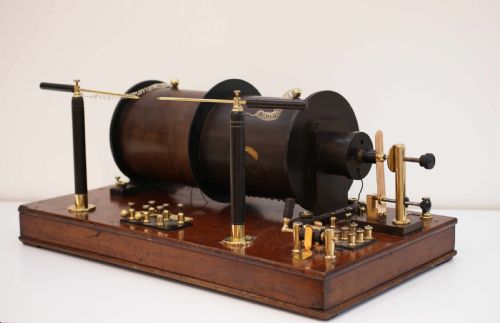
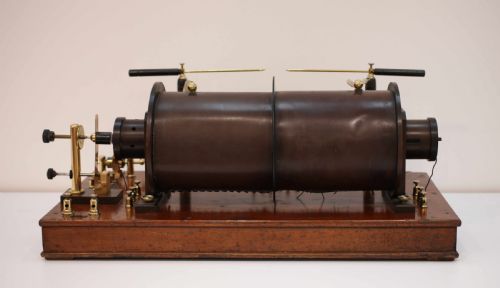
The base measures 79cms in length and 42cms in depth.
An Edwardian Catalogue provides the following description:
“This coil has been specifically designed and is so constructed that the primary can be connected in ten different ways, thus enabling the operator to select whichever method gives him best results, according to the interruptor and the current employed. It is fitted with a condenser and platinum contact breaker and is in every respect similar to the Cox’s Heavy Discharge Base Coil with the exception of the primary, as stated above.”
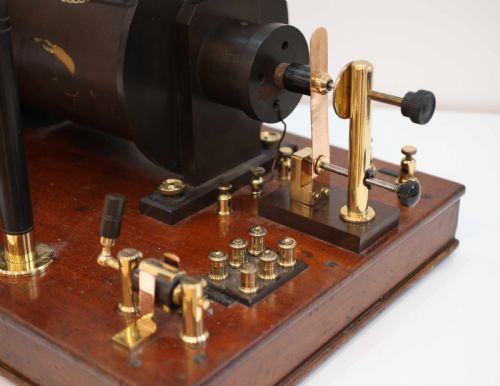
In regards to the heavy discharge coil it relates that:
“Some of the leading hospitals and X-Ray workers have had our Base Coils, of the above pattern, in use for upwards of six years, and report to us that they still give highly satisfactory results.
With any of the above mentioned sizes, used in conjunction with our fluorescent screens, the spine, ribs and liver in the human body, as well as the movement of the heart and diaphragm can be plainly discerned.”
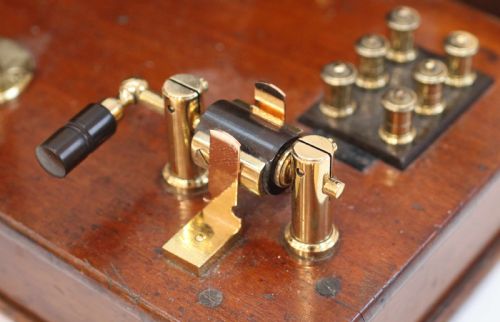
This superior model was sold in various sizes in reference to the size of the spark produced. With the distance between the terminals measuring sixteen inches it is likely to have been either the 12” or the 14” spark model priced at either £33 or £37 respectively. There was only one larger than this model which was priced at £73 for an 18” spark. The average cost of this machine at that point in time would have been in the region of £3000, a huge sum.
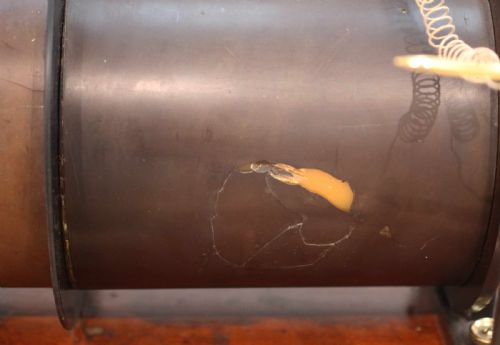
Harry William Charles Cox was born in Shoreditch in 1864, the son of a plumber. How Cox found his success remains unclear. An early catalogue quotes a feature in The Lancet of 1898 after a meeting of the British Medical Association where Cox himself demonstrated his English made coils and fluorescent screens for X-Rays. It is therefore safe to assume that Cox was in business soon after the discovery of the X-Ray by the German scientist Wilhelm Conrad Roentgen in 1895.
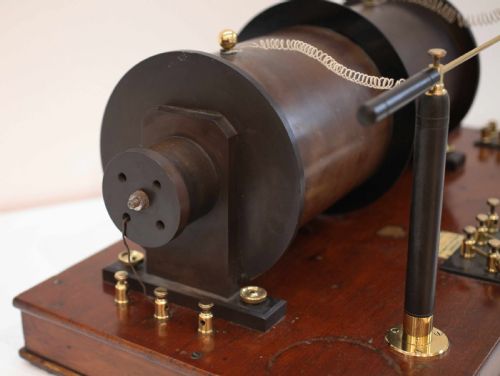
For the next twelve years Cox seems to have gained huge success with his X-Ray outfits being supplied to The King for use onboard The Royal Yacht - Victorian & Albert, The Admiralty, The War Office, The India Office, The Colonial Office and hospital far and wide across England and overseas. He is also known to have supplied apparatus for use in the field during The Boer War.
The success was sadly short-lived owing to the lack of understanding around this new technology and the huge amount of experimentation that Cox undertook within this new field of science.
He died from exposure in 1910 and his obituary in The Engineer publication of the same year reads as follows:
We have to record with regret the death on Saturday last of Mr. Harry W. Cox, who has been fitly termed a martyr to science. Mr. Cox was an electrician who devoted his life to the study of the X-rays from the time of their discovery by Rontgen in 1895, and succeeded in greatly improving the necessary apparatus, especially that type of it which is peculiarly adapted for surgical purposes. The effects of the rays on the human body were not thoroughly understood when he commenced to investigate and manufacture the apparatus, or possibly his life need not have been sacrificed. While their beneficent effects
Jason Clarke Antiques has dated this piece to the 1910s.
You can view the stock and full dealer information on the Jason Clarke Antiques Profile Page
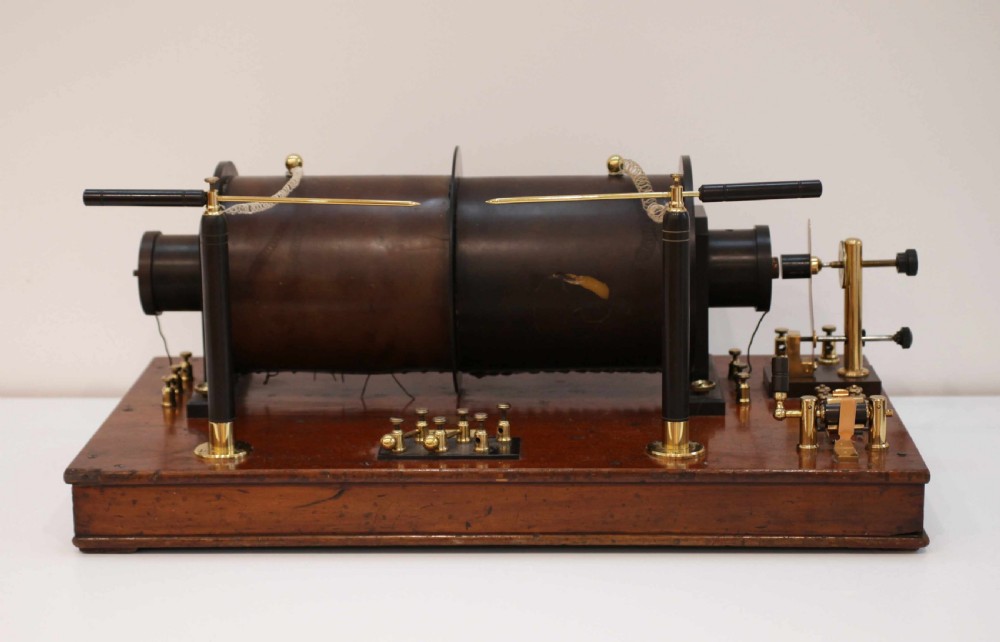
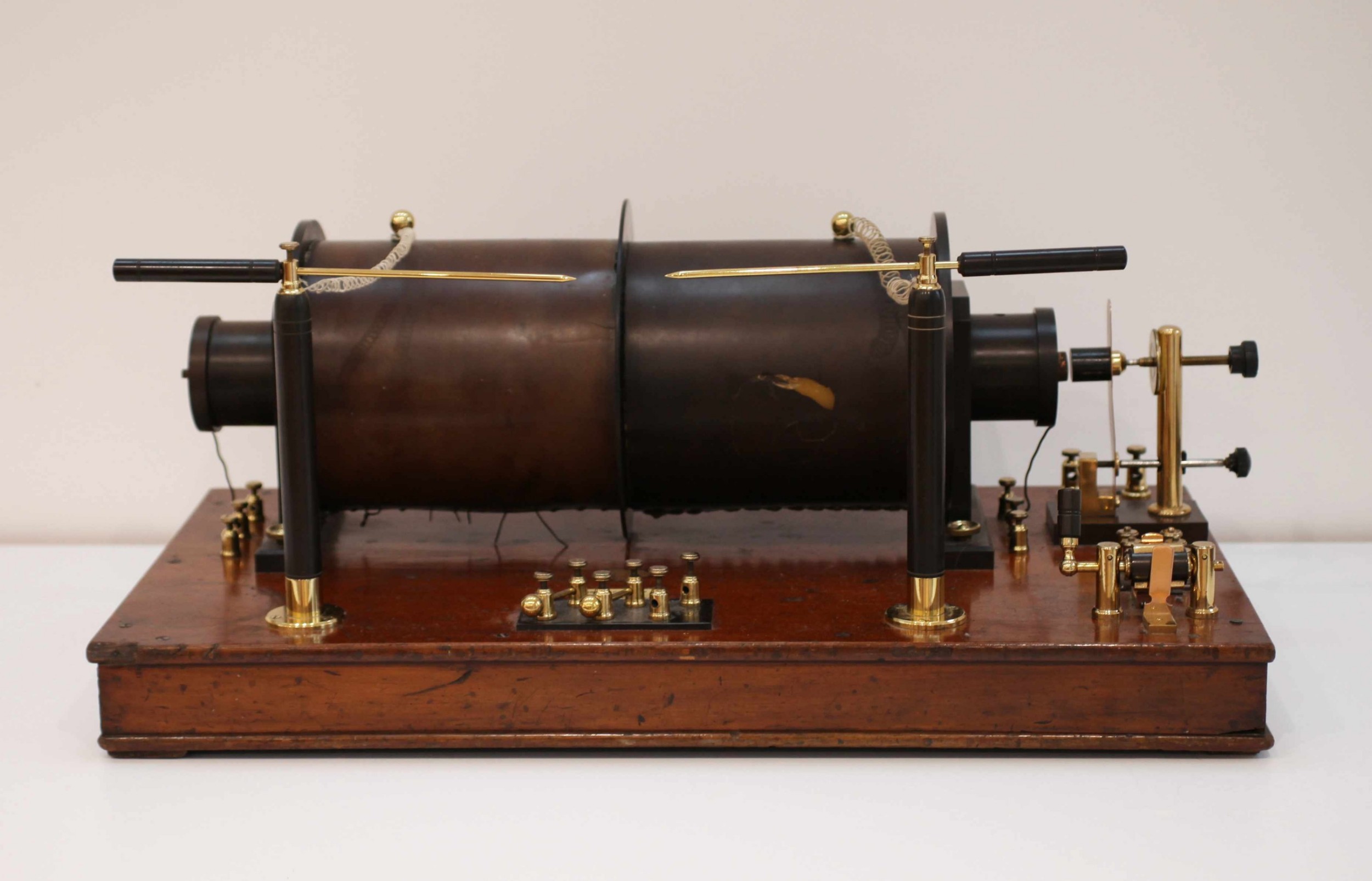
Rare Edwardian Heavy Discharge X-ray Coil by Harry W Cox & Co Ltd London