Jason Clarke Antiques has dated this piece to the 1800s.
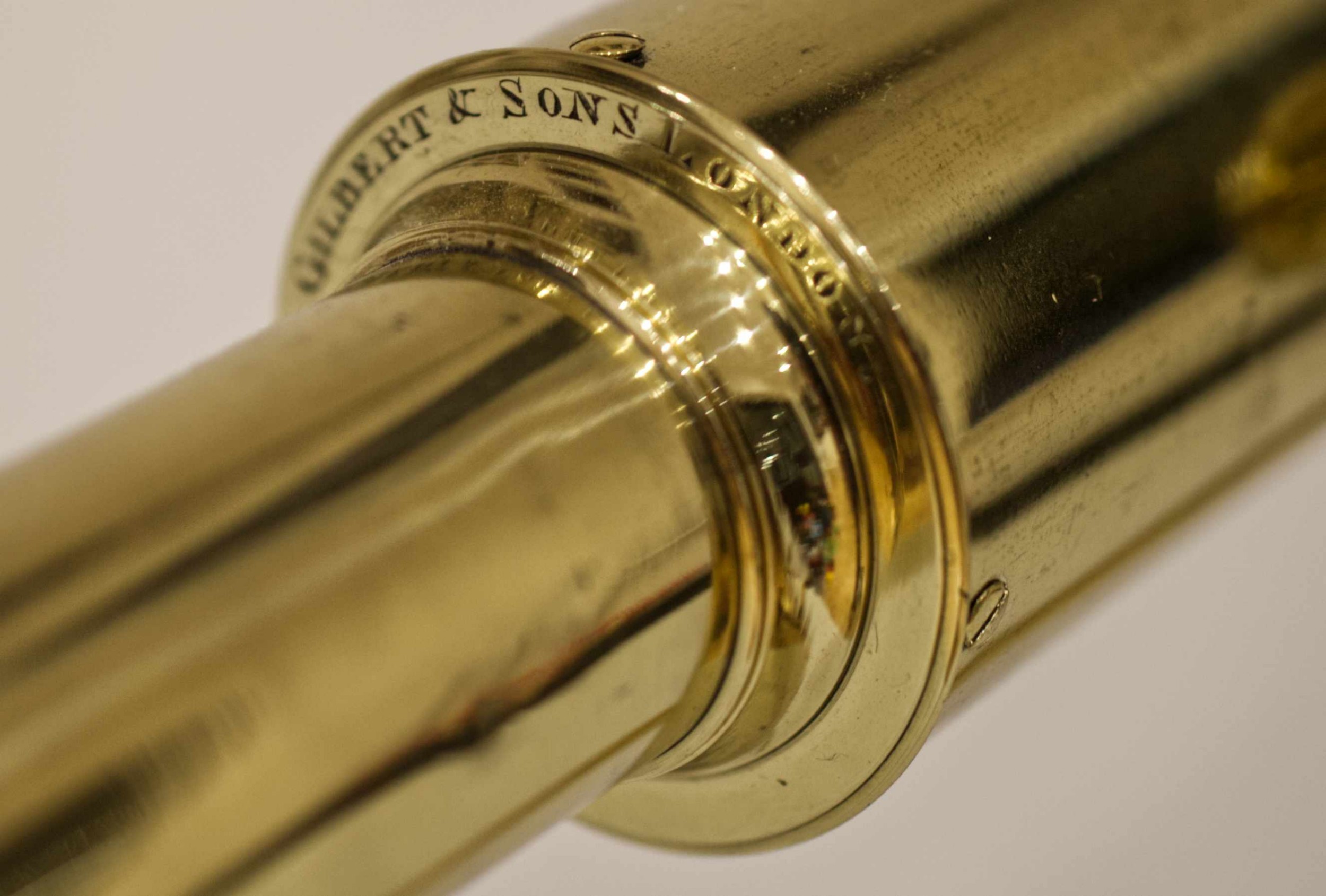
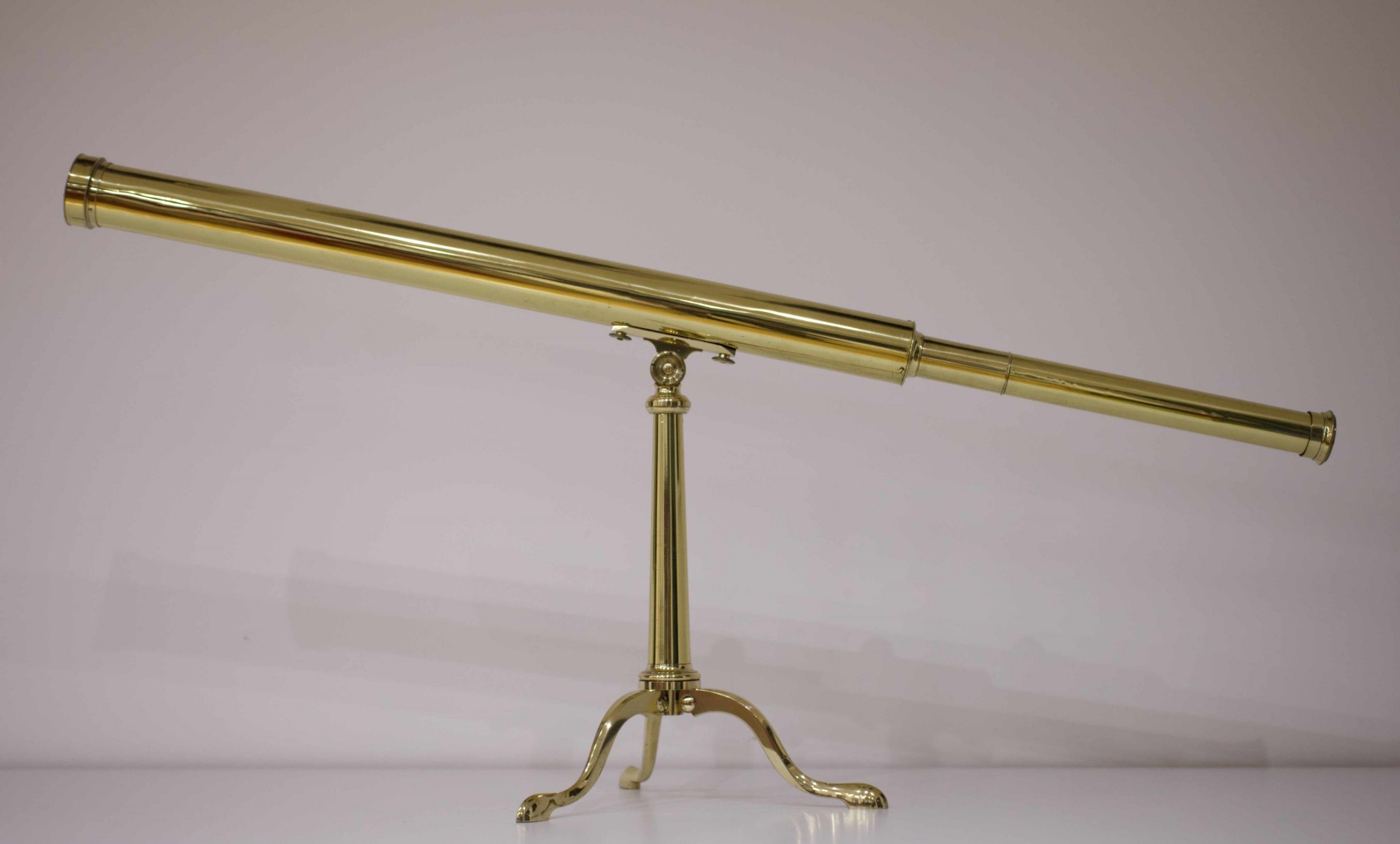
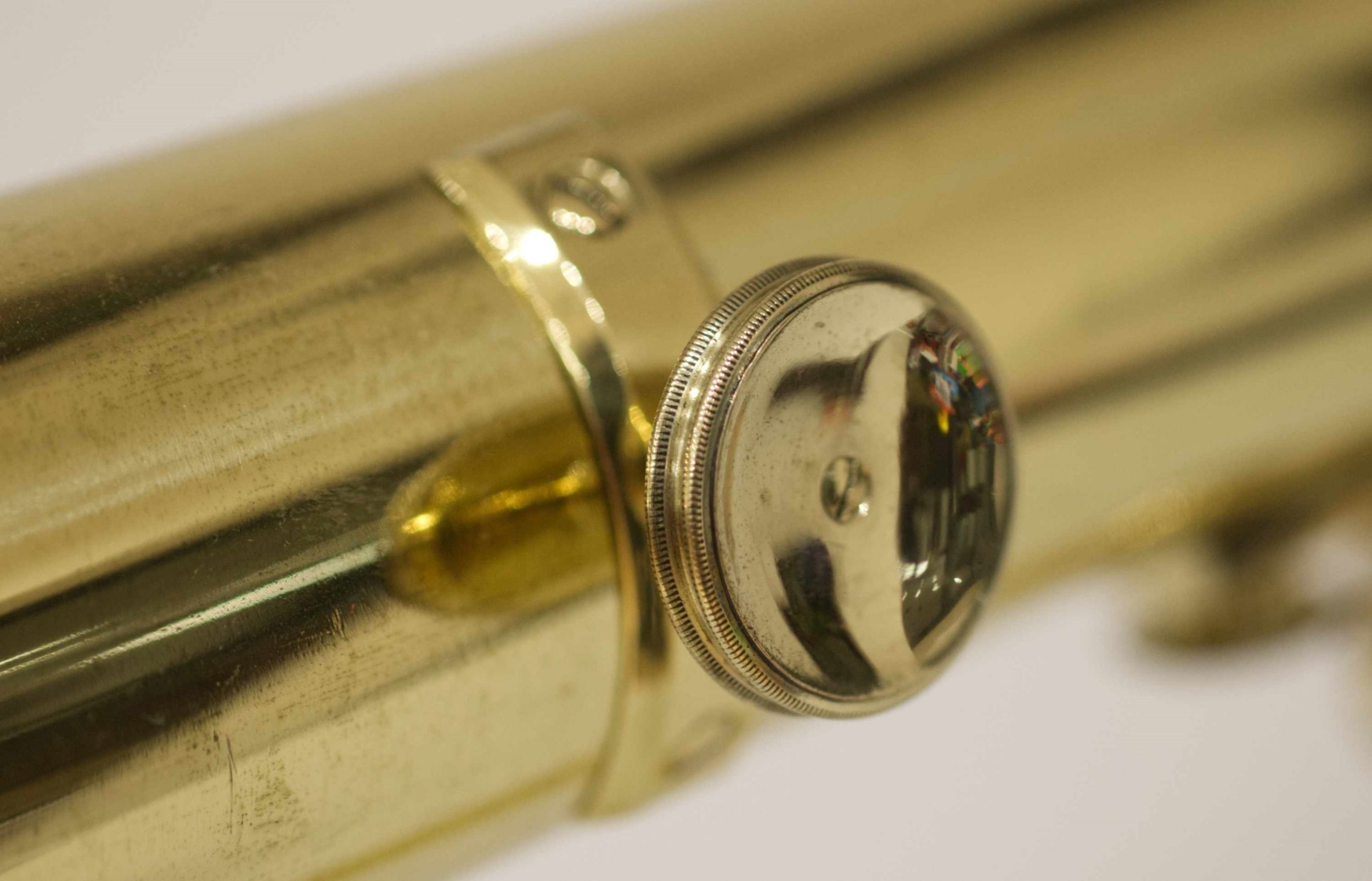
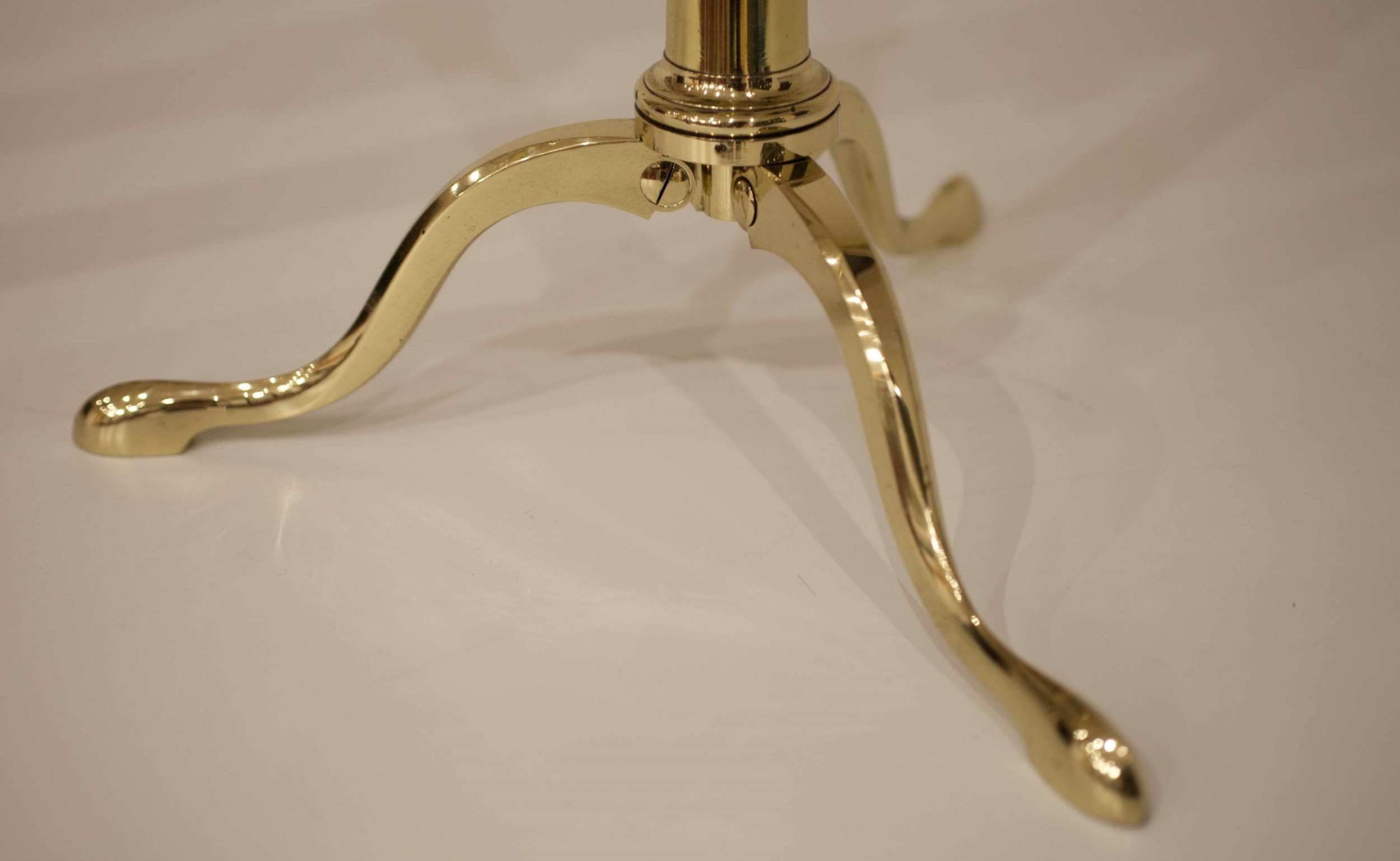
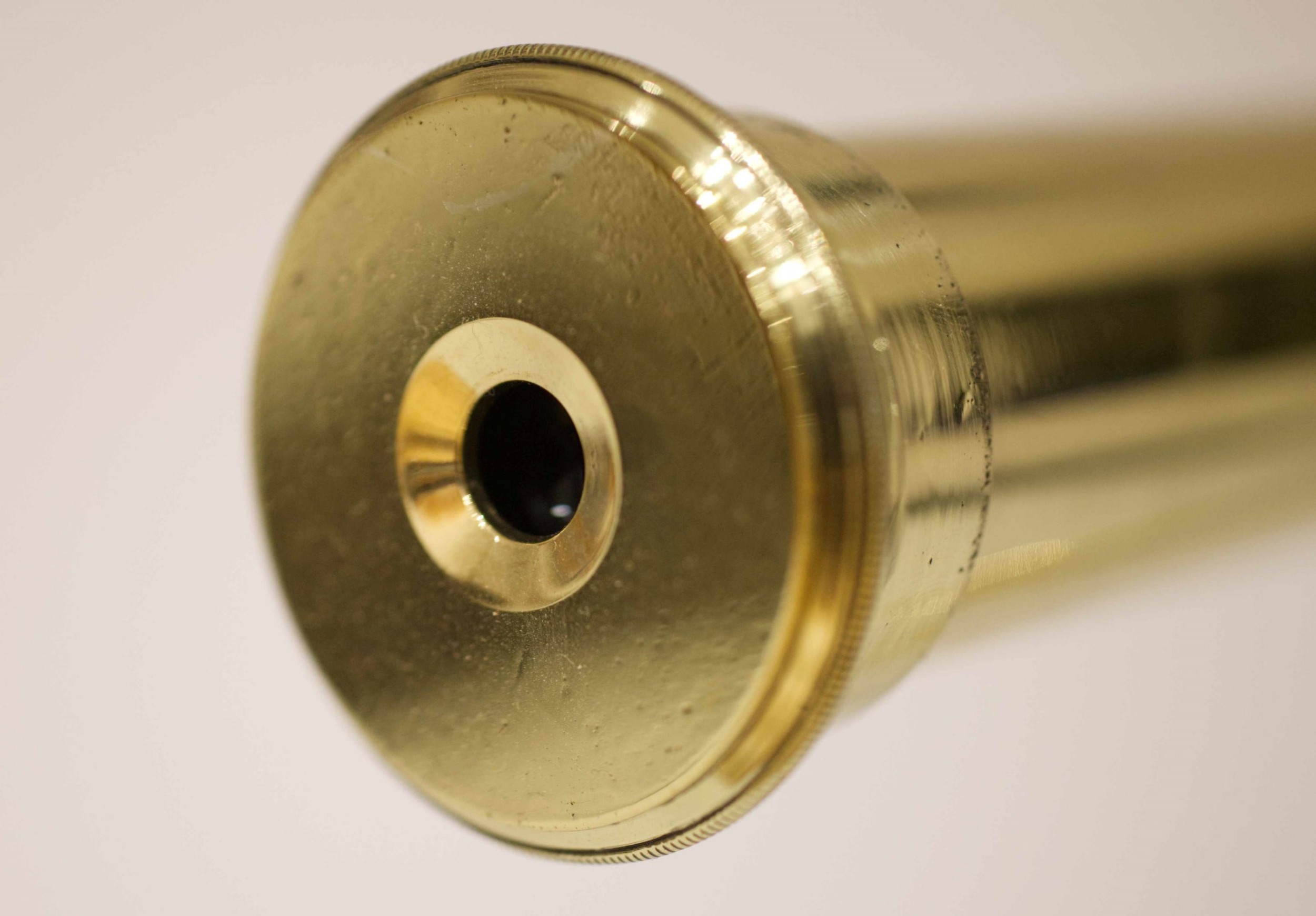
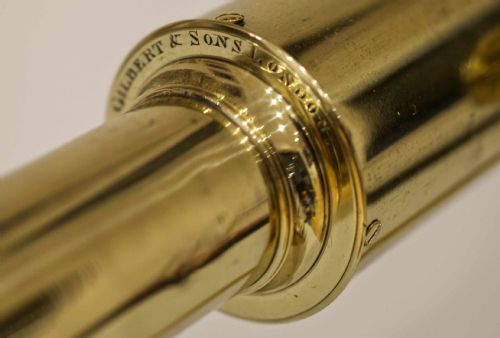
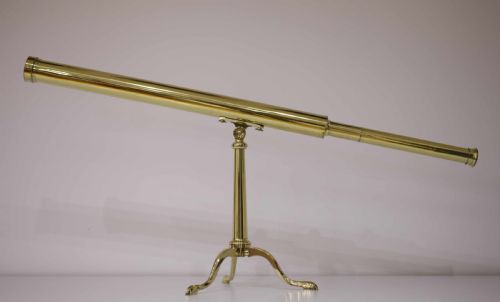
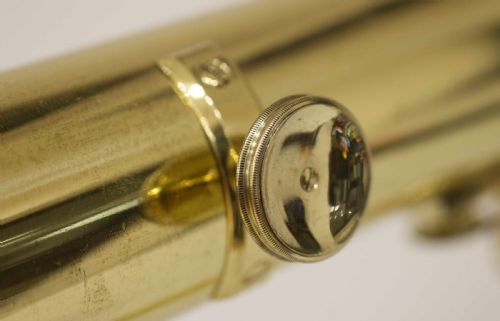
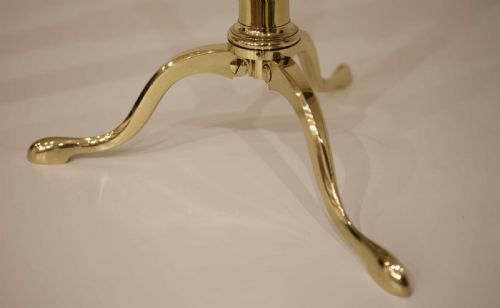
It is nicely engraved to Gilbert & Sons, London to the front of the barrel and maintains its original lens cap. The lenses are all in great condition with good focus and the ratchet mechanism for fine focus continues to work smoothly. It comes complete with its beautifully manufactured solid brass tripod.
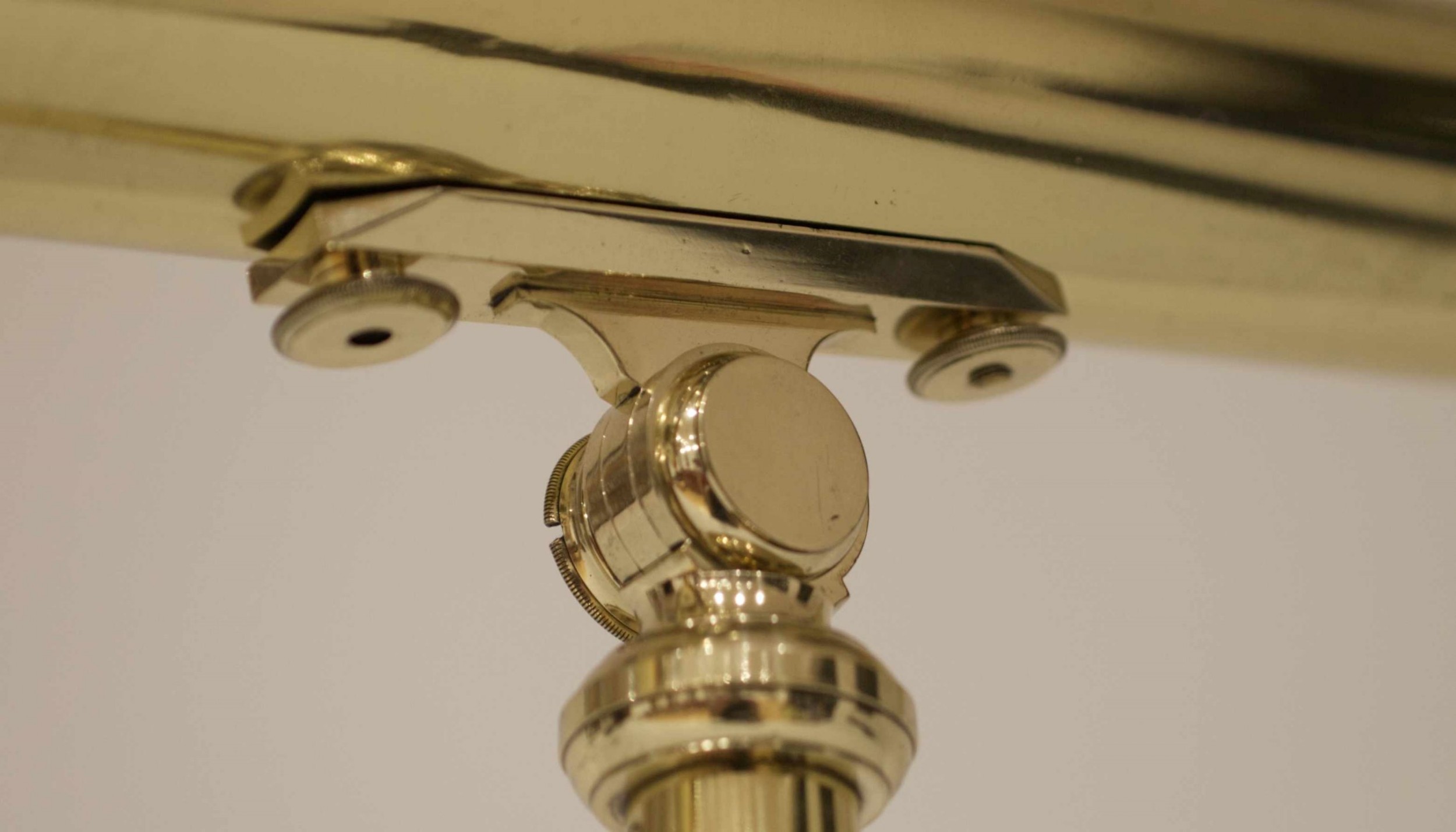
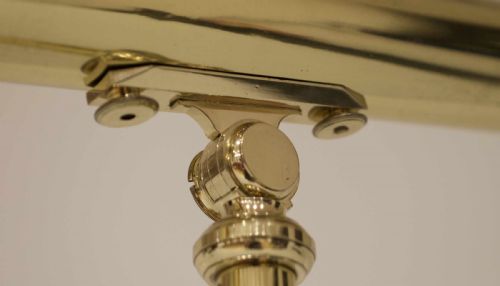
As to be expected of an instrument coming from this maker’s pedigree, the brasswork is superbly executed with lots of fine attention to detail all the way down to the retaining screws that fix the telescope to the stand. It is a joy to use and examine in equal measure.
During the eighteenth and early nineteenth centuries, the Gilbert family of Tower Hill carried a huge reputation, rivalling that of the Dollond and Ramsden for their skill of manufacture. The first family member to come to prominence as a scientific instrument maker was John Gilbert Snr. After beginning an apprenticeship in 1709 with a John Johnson he began trading after the customary seven years in 1716, entering the Company of Grocers. In 1726, he is referred to by the scientist, John Peter Biester as the chosen maker for his “Portatoris”, an instrument intended to solve the issue of longitude by observing the moon’s distance from a known star as it crossed the meridian. Clearly the device was not ultimately successful for Biester but he was confident enough to show his work to Isaac Newton and The Royal Society which should give you a flavour of the circles in which the elder John Gilbert was already moving.
Amongst a number of apprentices, his son John Gilbert the younger was enrolled in 1736 and following his eventual freedom in the early 1740’s, the family traded as Gilbert & Son and notably acquired the sole rights to manufacture and sell John Hadley’s hugely popular patent reflecting quadrant. The elder Gilbert’s date of death is not recorded but he became a member of the Livery of the Grocer’s Company in 1749, the same year as notable instrument maker Thomas Heath and the hugely renowned George Adams of Fleet Street.
It seems fairly certain that the younger was trading under his own name by the mid 1750’s and he maintained a number of apprentices including his sons John (III) in 1764 and his second son William in 1769 although the latter was soon turned over to Peter Dollond, an enormously shrewd move on Gilbert’s part given the Dollond family’s recent patenting of the achromatic lens. Records show that by 1764, Gilbert was one of the few instrument makers that was given the rights to sell the achromatic lens by the Dollond family and William’s apprenticeship may have been a positive gesture by the Dollonds for the loyalty shown by Gilbert during the various famous legal issues that endured over the patent throughout this period.
Both of John (II) sons went on to have successful careers. The elder brother John (III) succeeded to the business of Joseph Linnell, a business that was originally founded by the great James Ayscough. William eventually succeeded to his Father’s business around 1776 after receiving his freedom from the Dollonds and continued to trade solely under the Gilbert name until his Father’s death in 1791 whereupon he departed on a number of complicated partnerships for the next ten years. By this point the business had interests in properties at 8 Postern Row next to The Tower of London and at a new property at The Navigation Warehouse, 148 Leadenhall Street (now The Argyll Club opposite Lloyd’s of London), and originally home to the partners Gregory and Wright.
His first venture was the partnership of Gilbert & Wright. Gabriel Wright was an employee of the famous author and instrument maker, Benjamin
Jason Clarke Antiques has dated this piece to the 1800s.
You can view the stock and full dealer information on the Jason Clarke Antiques Profile Page
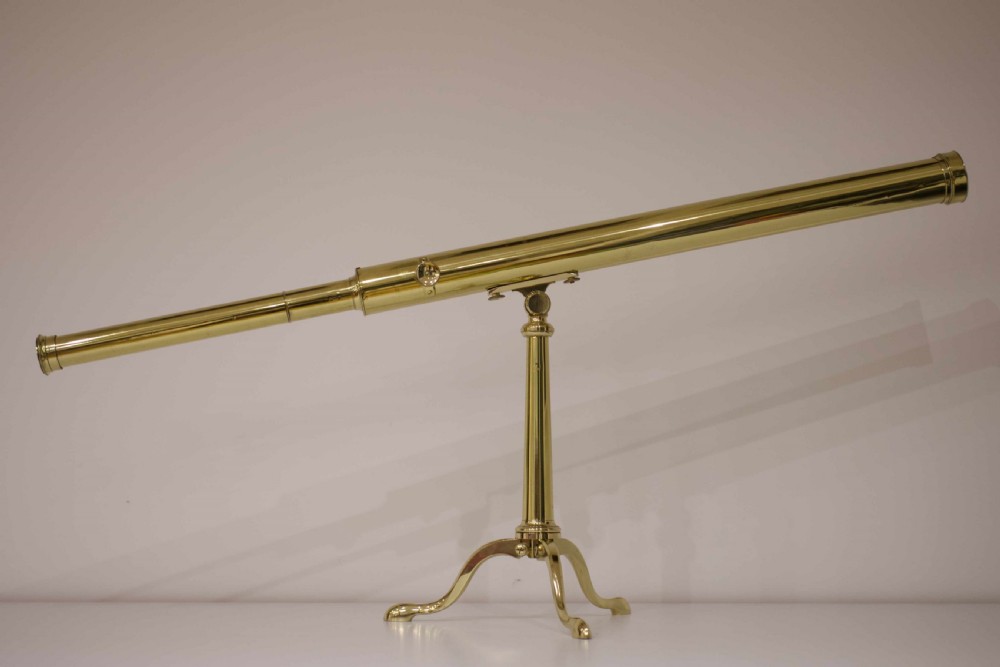
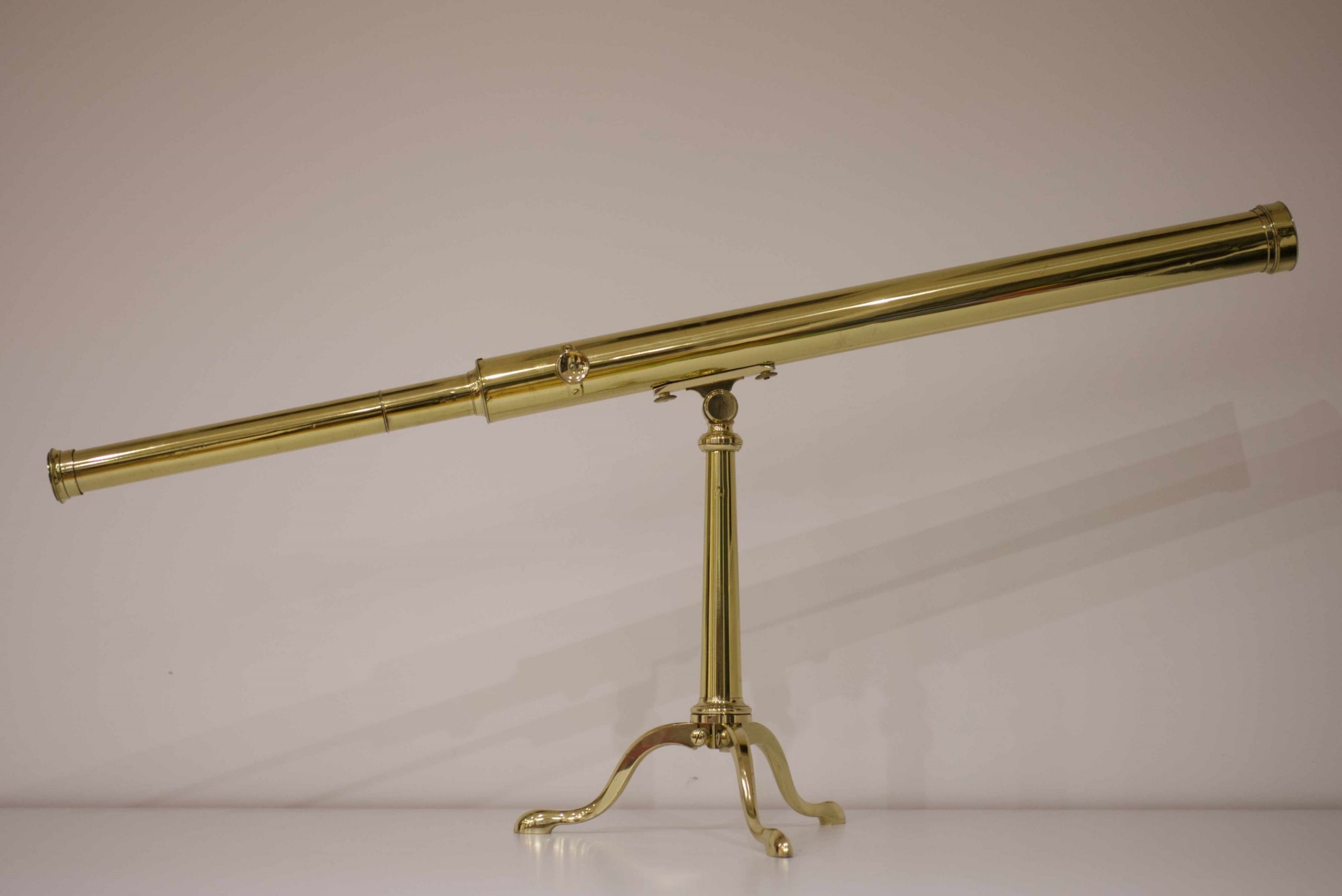
George III Period Library Telescope on Stand by Gilbert & Sons London