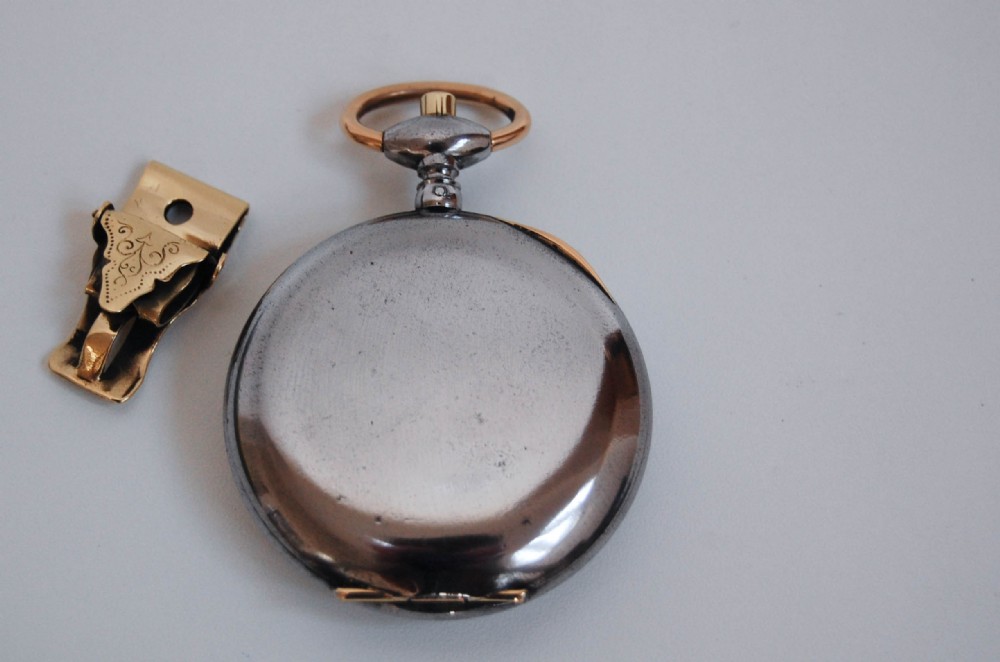
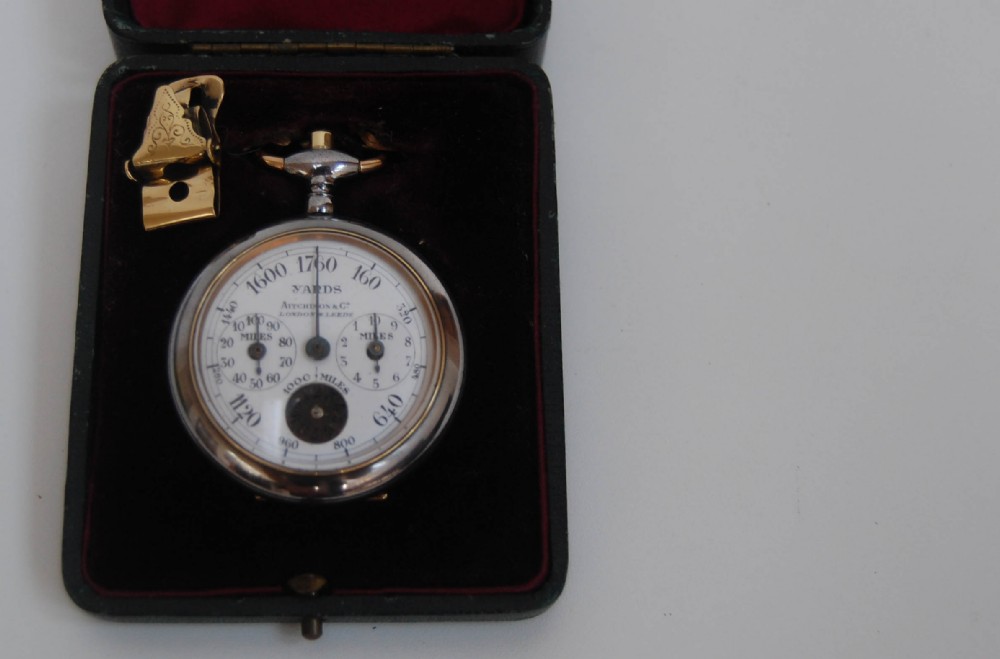
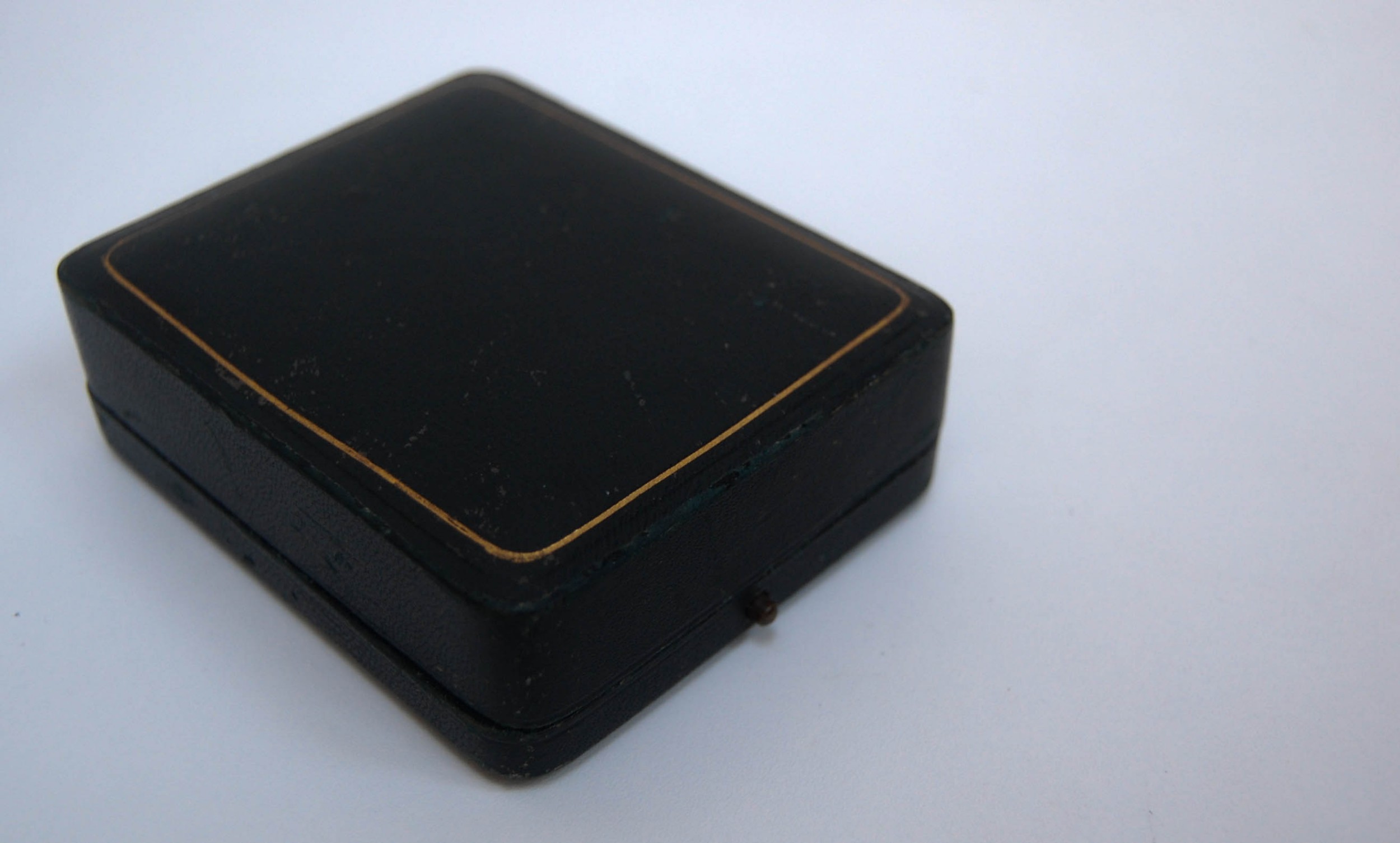
Jason Clarke Antiques has dated this piece to the Edwardian era.
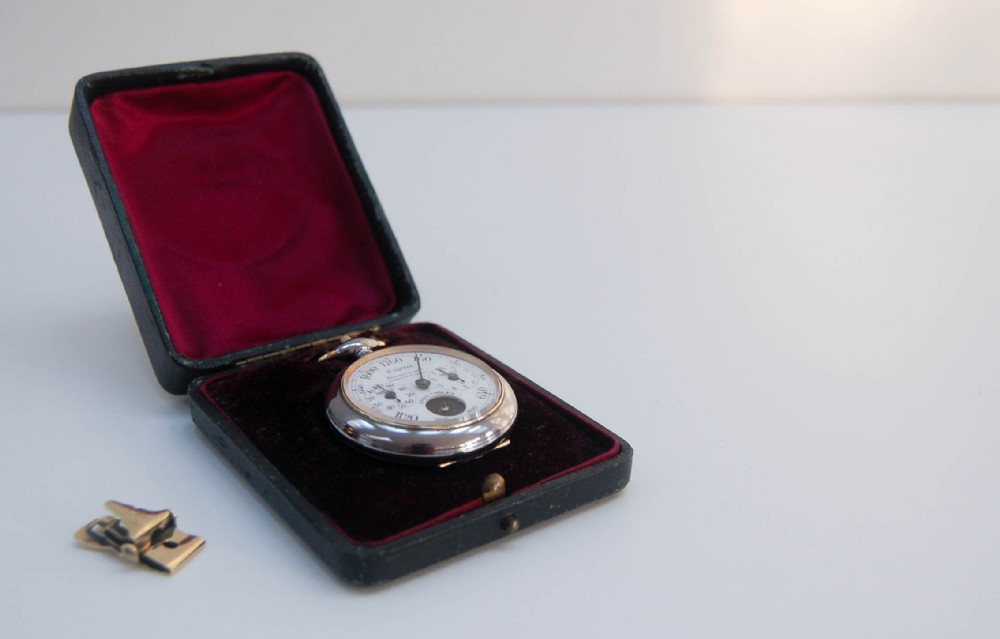
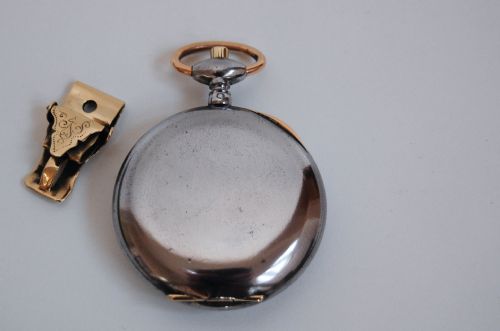
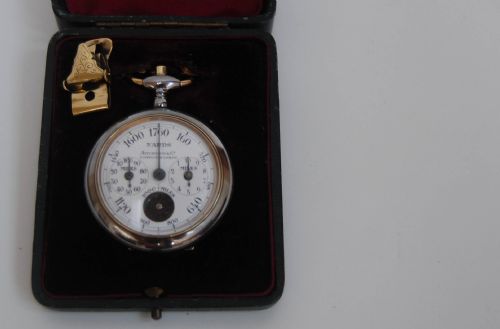
This example was retailed by James Aitchison & Co of London & Leeds which is written to the centre. The hanging loop also containing a reset button.
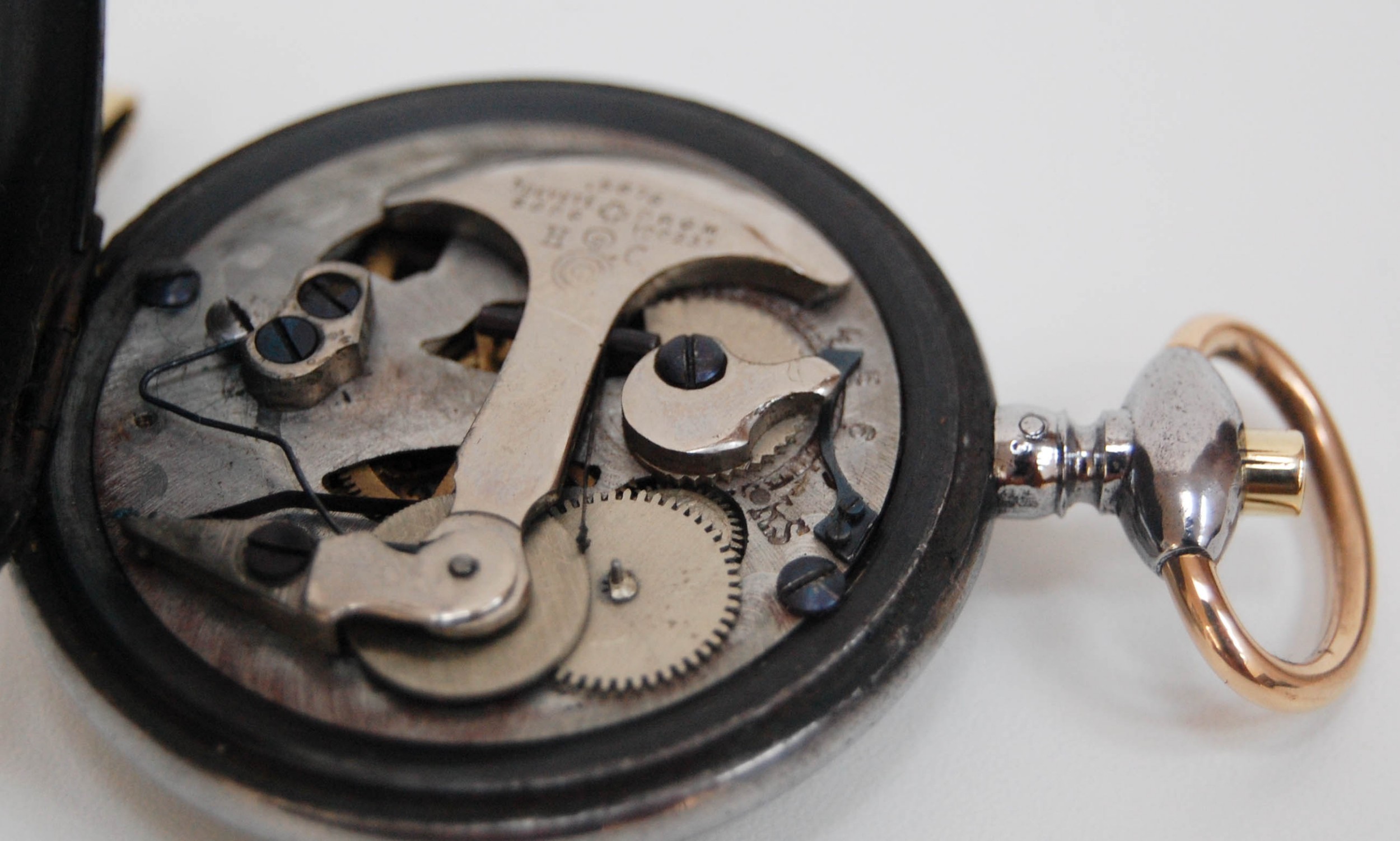
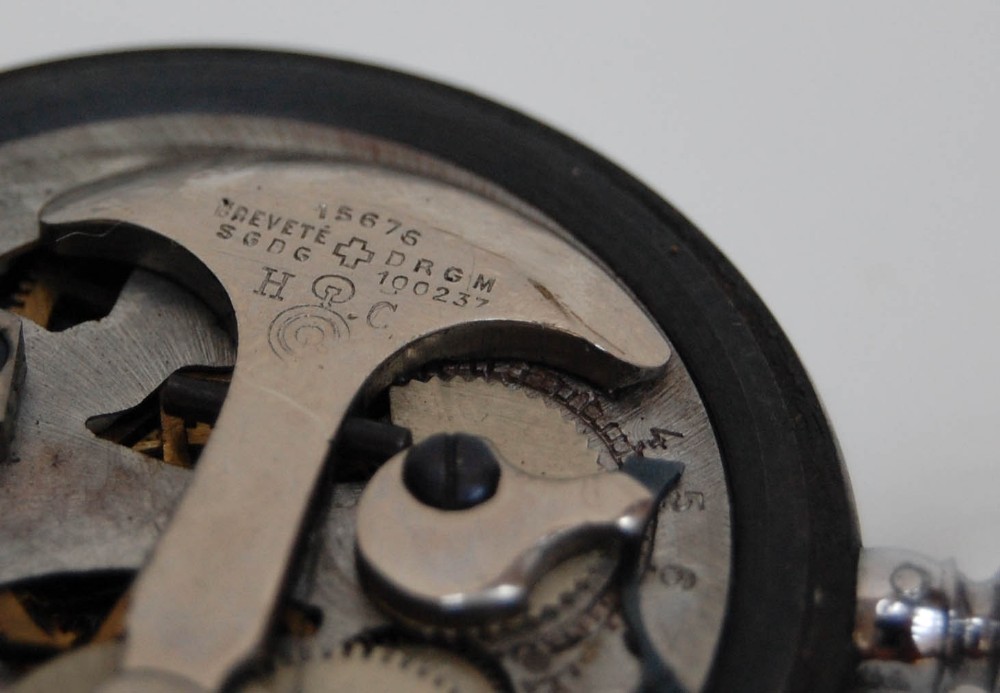
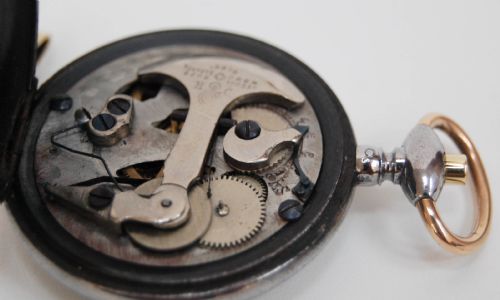
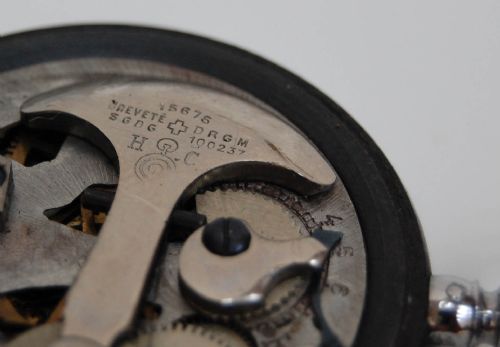
The mechanism is the most complex of Chatelain’s movements given that it has three dials and has a cam which allows the user to regulate stride length. The pendulum is stamped with the Henri Chatelain and the “Brevete SGDG” mark applied to all French patented goods from the period that were earmarked for export.
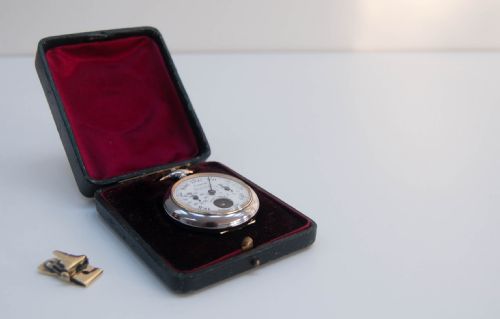
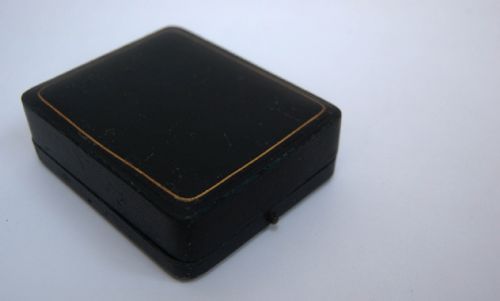
Unusually, the pedometer remains with its original case and belt clip and would have been retailed by Aitchison in London or in its regional Leeds branch. The naming of the Leeds branch is useful for dating purposes as this branch did not open until 1905.
Aitchison’s firm which was founded in 1889 at 47 Fleet Street, its later merger in 1927 with Dollond, is always overshadowed by its more famous and historic counterpart, and its pre-merger period is therefore somewhat overlooked.
James Aitchison undertook his apprenticeship with an optician’s firm in High Holborn before setting up in business initially with Alexander Thomas Clarkson (of Broadhurst Clarkson fame). He is said to have been uncomfortable with the very basic methods that his previous employers used to examine and test patient’s eyes and in a time where glasses were becoming common place across all classes in Britain, he quickly carved himself a niche for supplying very good, high quality lenses at reasonable rates which appealed to the varying pocket sizes by provided them with gold, silver and steel frames for spectacles, lorgnettes, monocles and pince-nez.
Given his reasoning for leaving his previous employment, the subject of standards within the industry continued to be an issue close to Aitchison’s heart, the Worshipful Company of Spectacle Makers was, by then, purely a means of apprenticeship and for gaining practical skills in manufacture rather than for gaining an understanding of the science of optics. They showed little interest when in 1890, Charles Hyatt-Wolf proposed changes to the process which would include examination and certification and having received his re-buff, Wolf sought to organise a separate body to try to tackle the standards of practice. The journal “The Optician” was created in 1891 and in 1895 when Hyatt-Wolf created The British Optical Association (BOA), Aitchison was an enthusiastic founding member and supporter. By this time, he had dissolved his partnership with Clarkson (Gazette 1891) and opened two further branches at 6 Poultry (close to Robert Brettell Bates old premises) and at 428 The Strand. Little is known of Aitchison’s early partnership, Clarkson had owned his own company since 1873 which seems to have remained distinct throughout. As a result or as a precursor to the decision, Robert Henry Broadhurst joined Clarkson in 1892 and went on to form an equally famous partnership.
The Spectacle Maker’s Company were slow to respond to pressure but in 1898 they began an initial set of examinations which were regarded as unsatisfactory by the BOA and with the efforts to align their activities failing, the BOA brought out its own set of examinations later in the same year. Luckily for the students, the newly built College of Advanced Technology catered for both courses and The Spectacle Makers Company agreed to fund its tutors for the first two years.
Aitchison was amongst the first of The BOA members to undertake its tests but by 1899 had become unimpressed by both The Company and The Association and set out to create The Optical Institute (later, the Optical Society). For
Jason Clarke Antiques has dated this piece to the Edwardian era.
You can view the stock and full dealer information on the Jason Clarke Antiques Profile Page
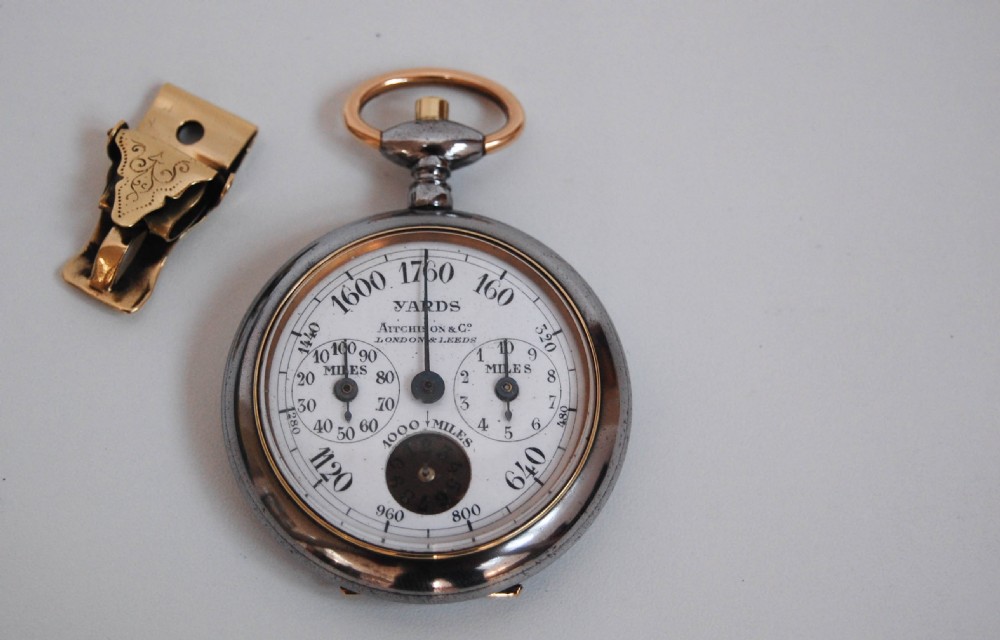
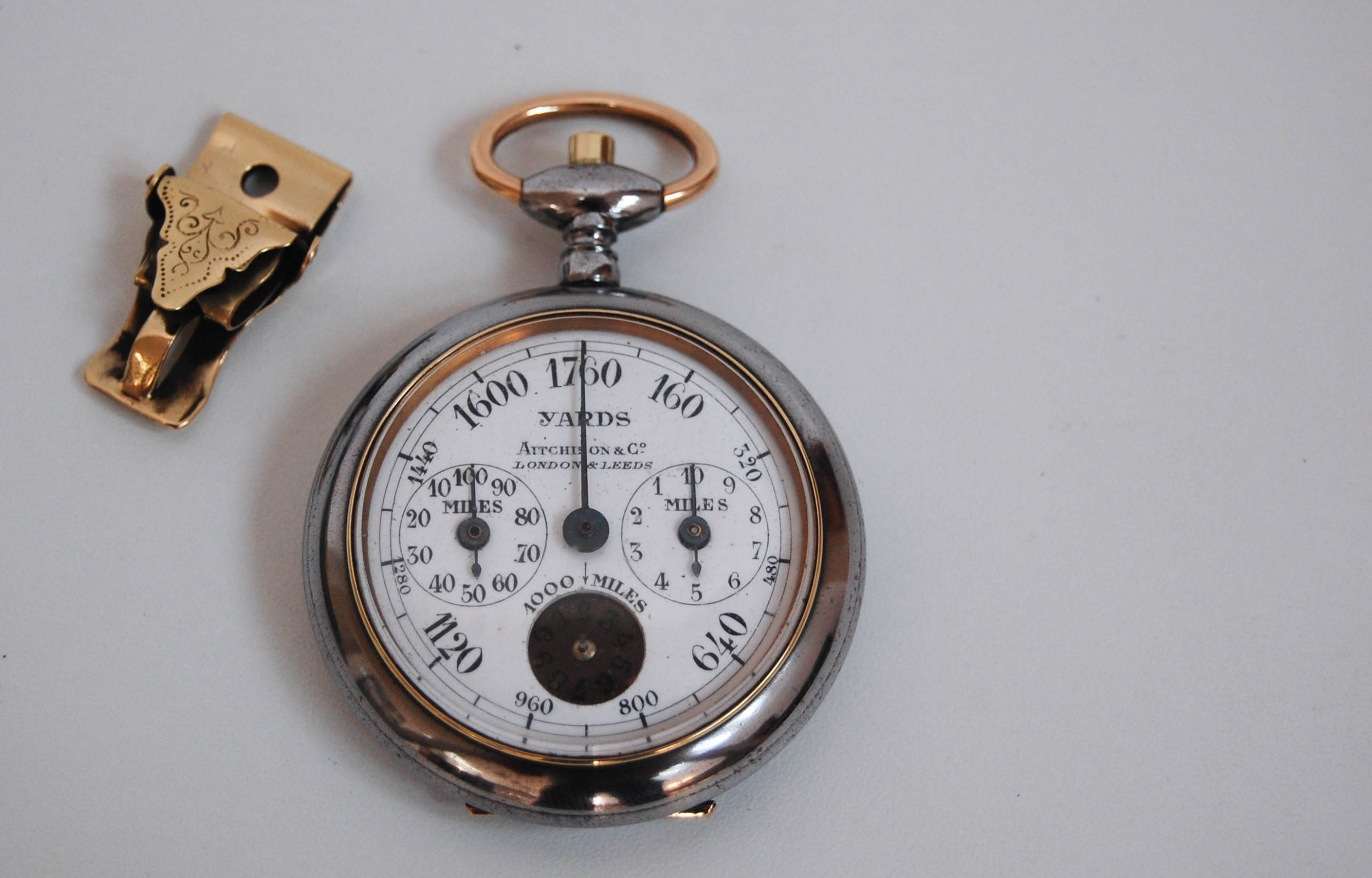
Edwardian Cased Henri Chatelain Pedometer Retailed by Aitchison & Co