It was listed by Gertrude Antiques. Sold pieces stay on Sellingantiques as a record of what has passed through, and the next one is rarely far away.
Gertrude Antiques has dated this piece to the Victorian era.
The word silhouette is derived from the name of Étienne de Silhouette, a French finance minister who, in 1759, was forced by France's credit crisis during the Seven Years' War to impose severe economic demands upon the French people, particularly the wealthy.
Prior to the advent of photography, Silhouette profiles cut from black card were the cheapest way of recording a person's appearance.
The term silhouette, although existing from the 18th century, was not applied to the art of portrait-making until the 19th century. In the 18th and early 19th century, “profiles” or “shades” as they were called were made by one of three methods:
1. painted on ivory, plaster, paper, card, or in reverse on glass;
2. “hollow-cut” where the negative image was traced and then cut away from light coloured paper which was then laid atop a dark background; and
3. “cut and paste” where the figure was cut out of dark paper (usually free-hand) and then pasted onto a light background.
Photography was developed in 1829, and improved steadily and enthusiastically. When portrait photography became possible around 1840, Silhouette portraiture was on a downhill slide. “From today, painting is dead!” exclaimed Paul Delaroche (1839). But Silhouettes were not really “dead” when photography was invented – many eminent citizens still enjoyed their own portraits created in profile.
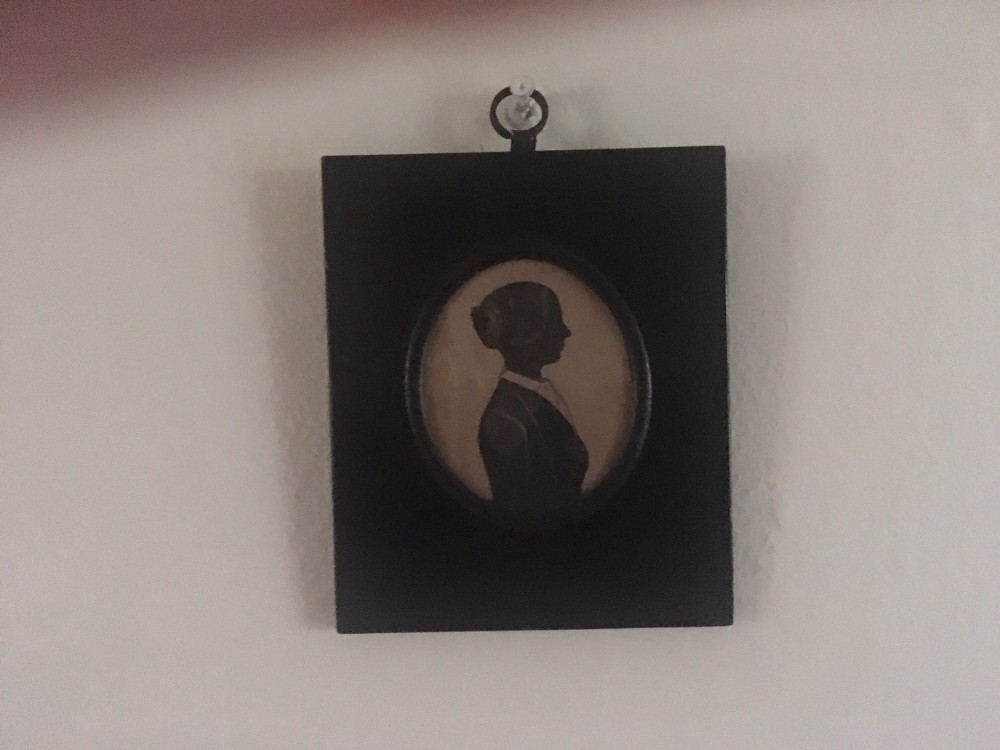
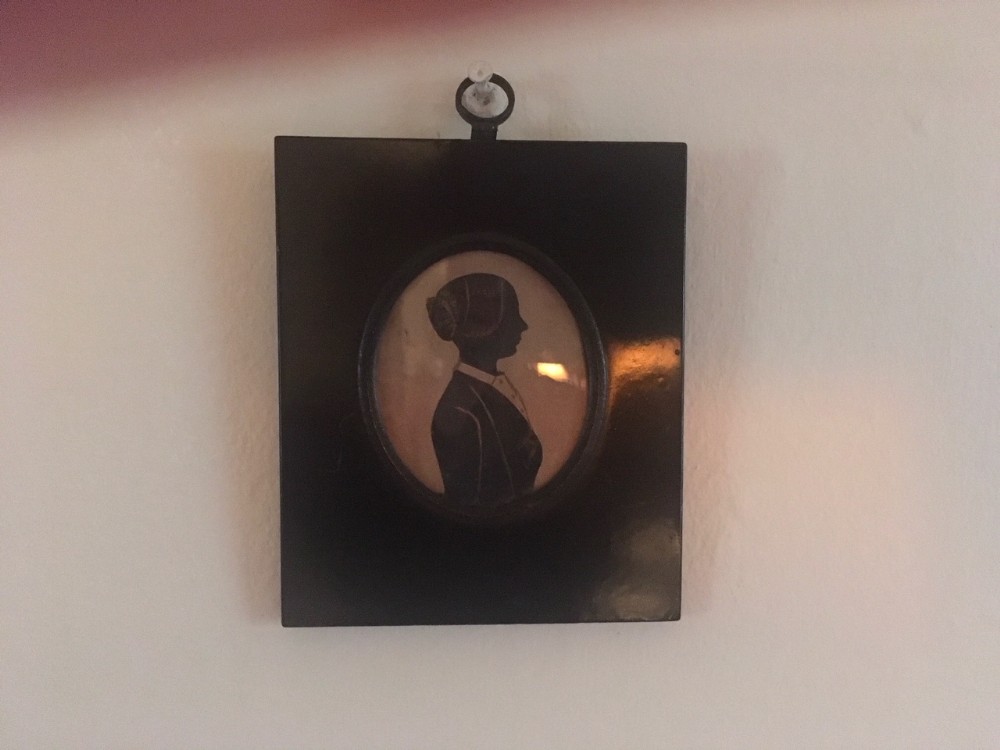
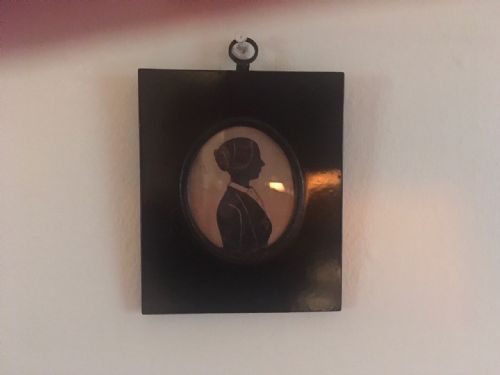
This Silhouette is held in a black lacquered and gilt metal frame with an oval glass, and has an acorn decorated hanging ring.
This Silhouette is in good condition commensurate with its age.
About the Date of Manufacture
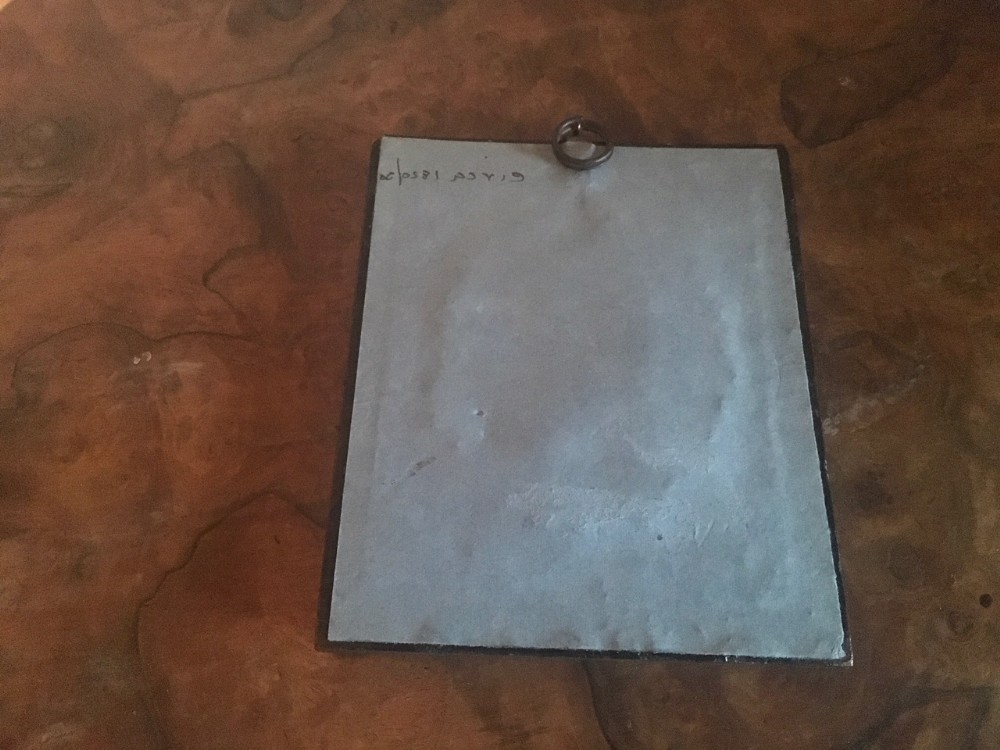
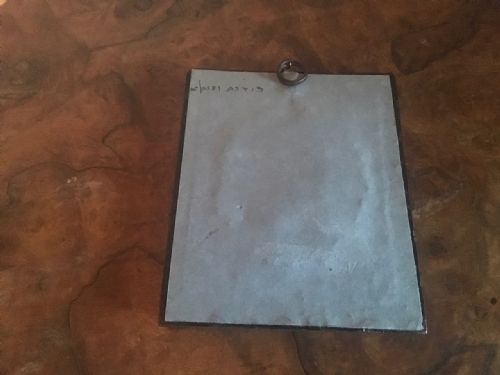
As hand-written on the reverse of the Silhouette, it would appear to have been created in about 1820-1830.
All of the items that we advertise for sale have been as accurately described as possible and are in excellent condition, unless otherwise stated. Please note that we are also able to arrange a full shipping service for our customers.
We offer a 14 day returns policy. In the unlikely event that you are not completely satisfied with your purchase we will issue a full refund of the purchase price less the return transport costs with an approved courier once an item is received by us in the same condition as it was originally dispatched.
We look forward to being of service.
Gertrude Antiques has dated this piece to the Victorian era.
You can view the stock and full dealer information on the Gertrude Antiques Profile Page
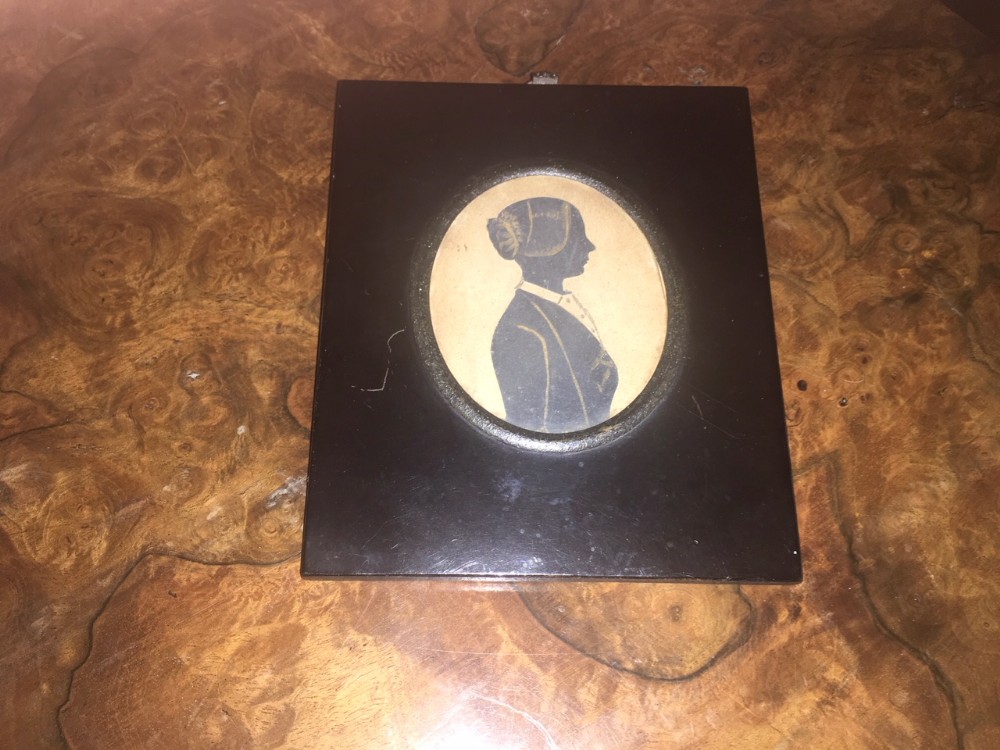
Early 19th Century Silhouette of a Victorian Lady Heightened with Gilt Paint