Jason Clarke Antiques has dated this piece to the Edwardian era.
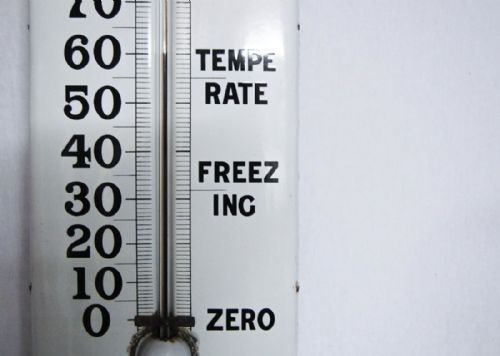
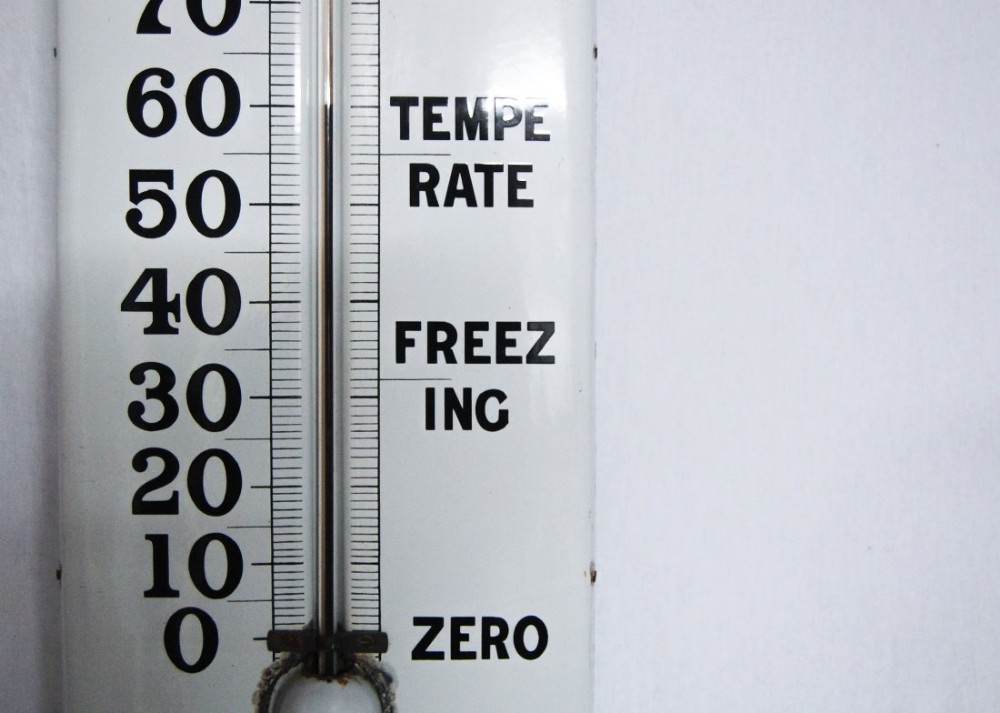
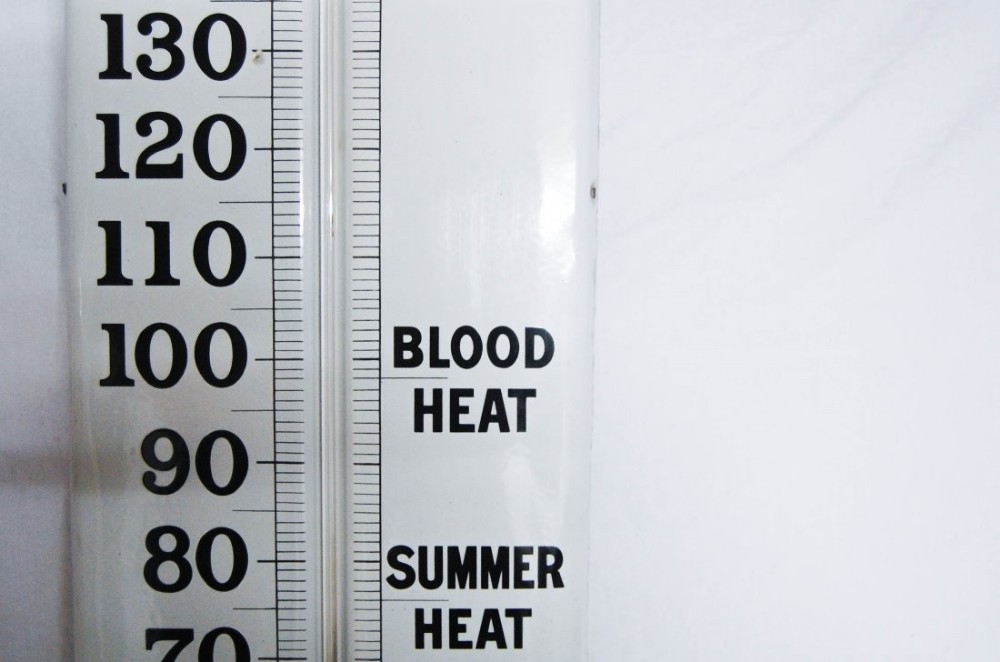
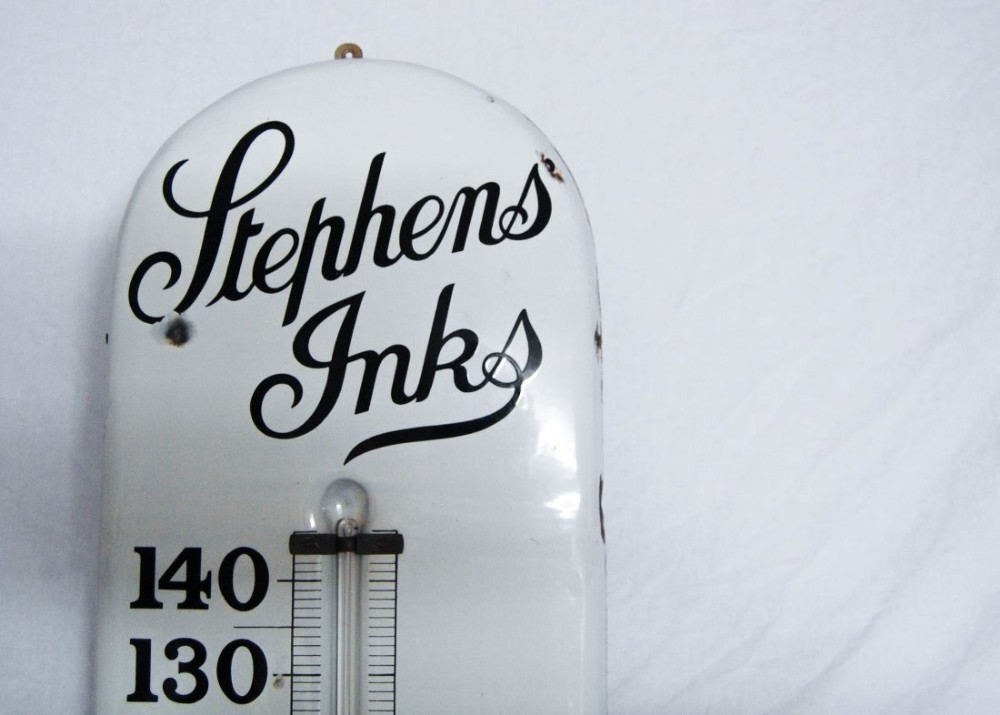
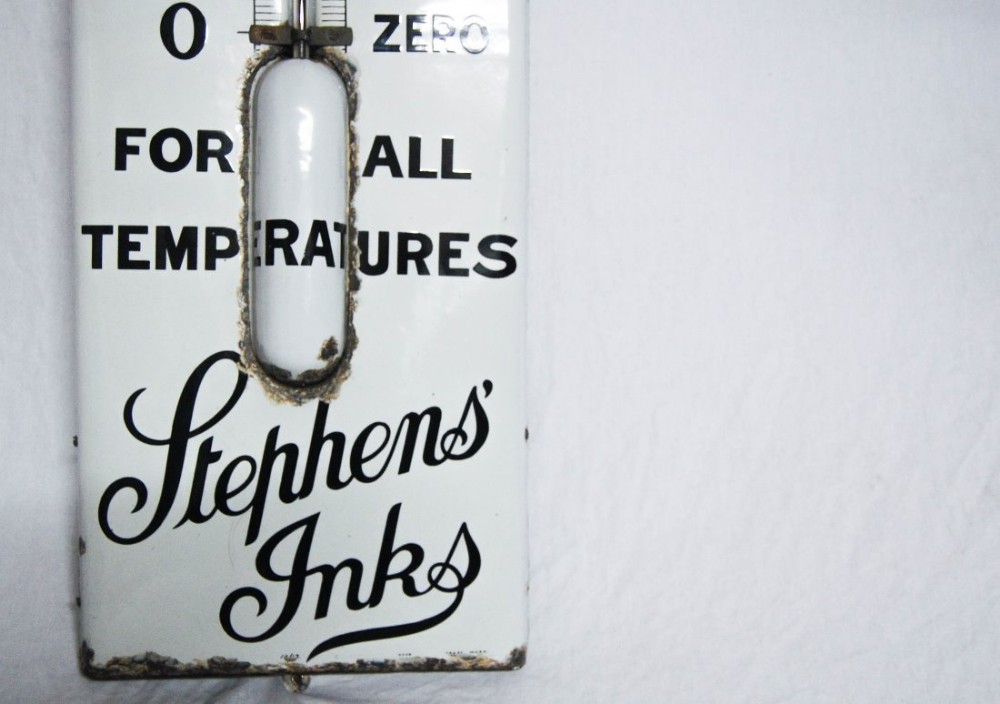
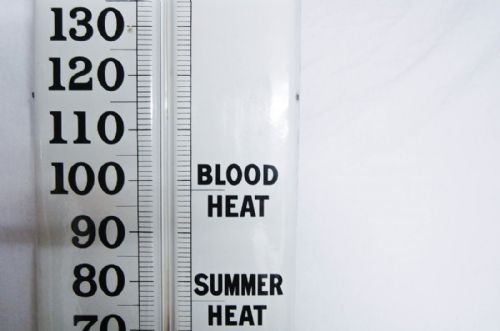
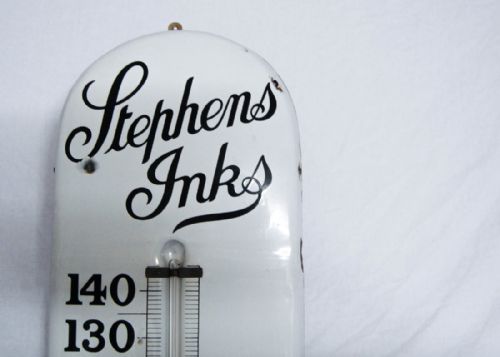
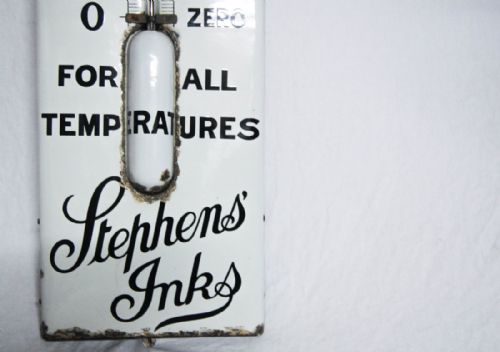
The sign reads “Stephen Ink for all temperatures” a reference to the durability and usability of the patent inks that they manufactured. It has a Fahrenheit scale which reads from 0 to 140 and has an enormous spirit filled thermometer running through a central groove.
Stephen’s Inks were formed in 1832 by Henry Stephens and registered at 54 Lower Stamford Street, Southwark. Benefitting from the introduction of the penny post in the 1840’s, the company went on to take part in the Great Exhibition of 1851 and had continued success at various worldwide exhibitions that continued throughout the nineteenth century. Upon Stephen’s death in 1864, his family continued the business, his son later becoming Conservative MP for Hornsey & Finchley. He resigned in 1900 owing to his opposition to the Boer War.
In the early twentieth century, Stephen’s Inks would be used during Scott’s ill-fated mission to the South Pole and were also used to sign the Treaty of Versailles that formally ended hostilities in World War One. Having survived the destruction of their factories in World War Two, the story of Stephen’s Inks is one of gentle decline and company take overs until its final period in the 1980’s.
These signs are amongst the most collectible of all tin advertising signs and these giant thermometers were featured in films such as 1939’s Brief Encounter where it can be seen in the waiting room at Carnforth Station in Lancashire and Ealing Studio’s “Passport to Pimlico” of 1949. They were manufactured from the late nineteenth century through to the early twentieth century.
The thermometer is in good working order.
Jason Clarke Antiques has dated this piece to the Edwardian era.
You can view the stock and full dealer information on the Jason Clarke Antiques Profile Page
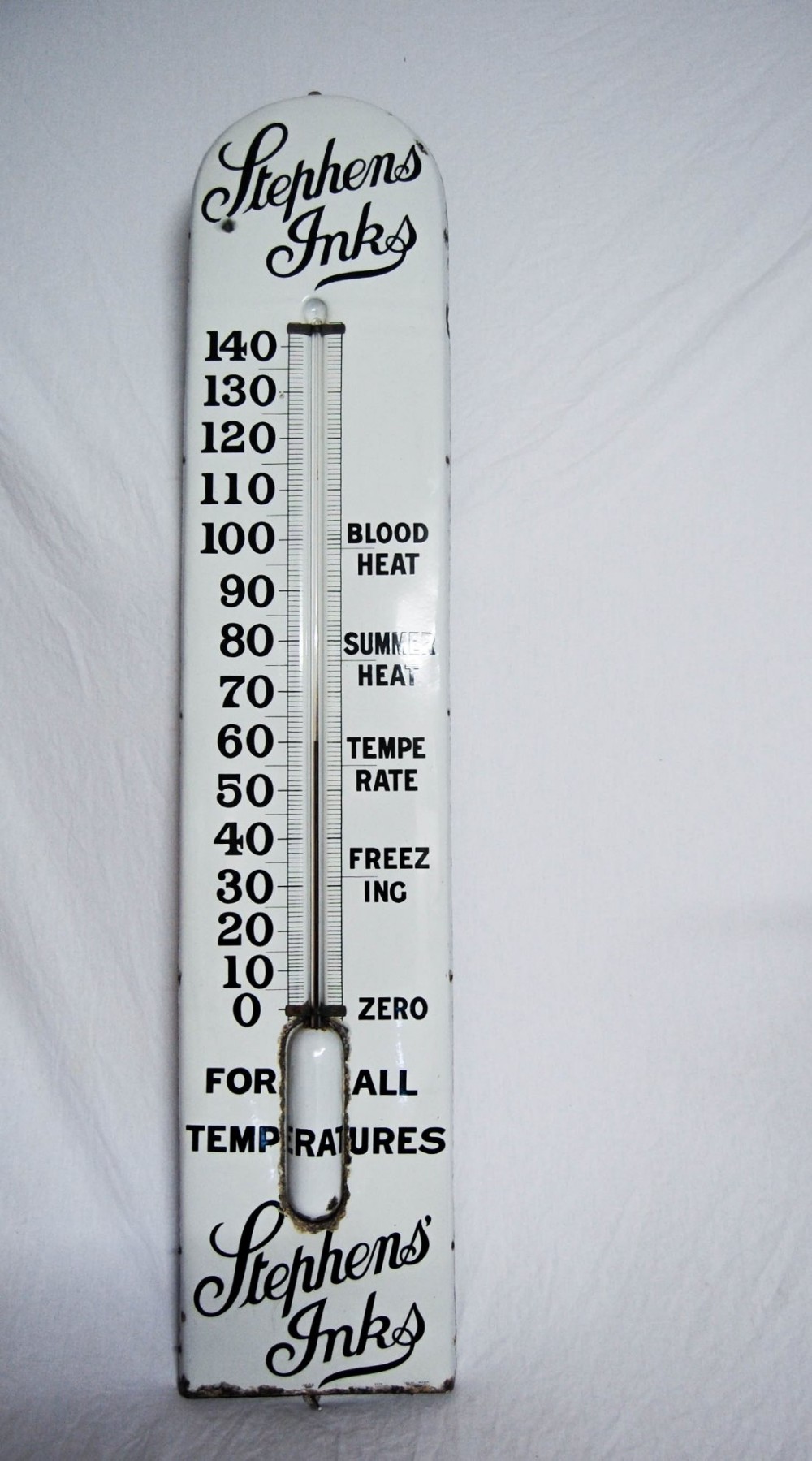
An Early Twentieth Century Giant Stephen's Ink Thermometer Advertising Sign