It was listed by Jason Clarke Antiques. Sold pieces stay on Sellingantiques as a record of what has passed through, and the next one is rarely far away.
Jason Clarke Antiques has dated this Antique Brass Dipleidoscope to the 1850s.
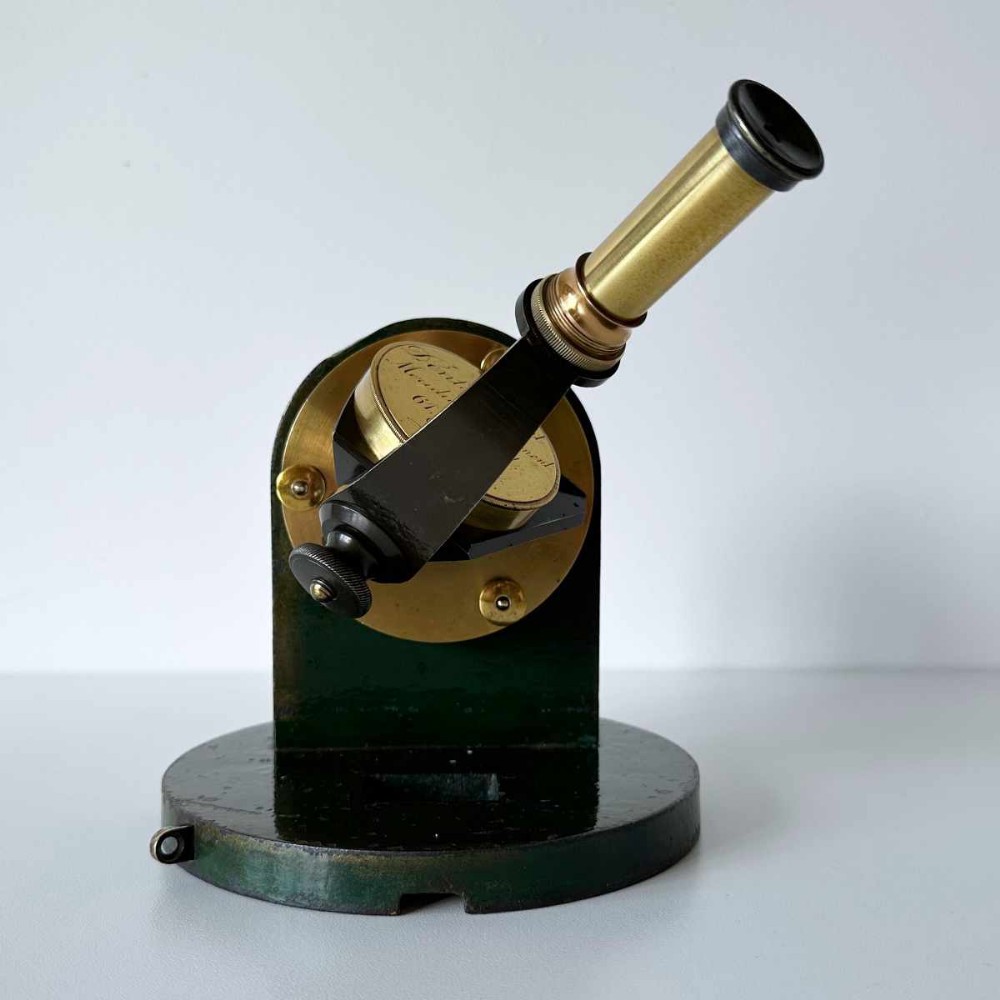
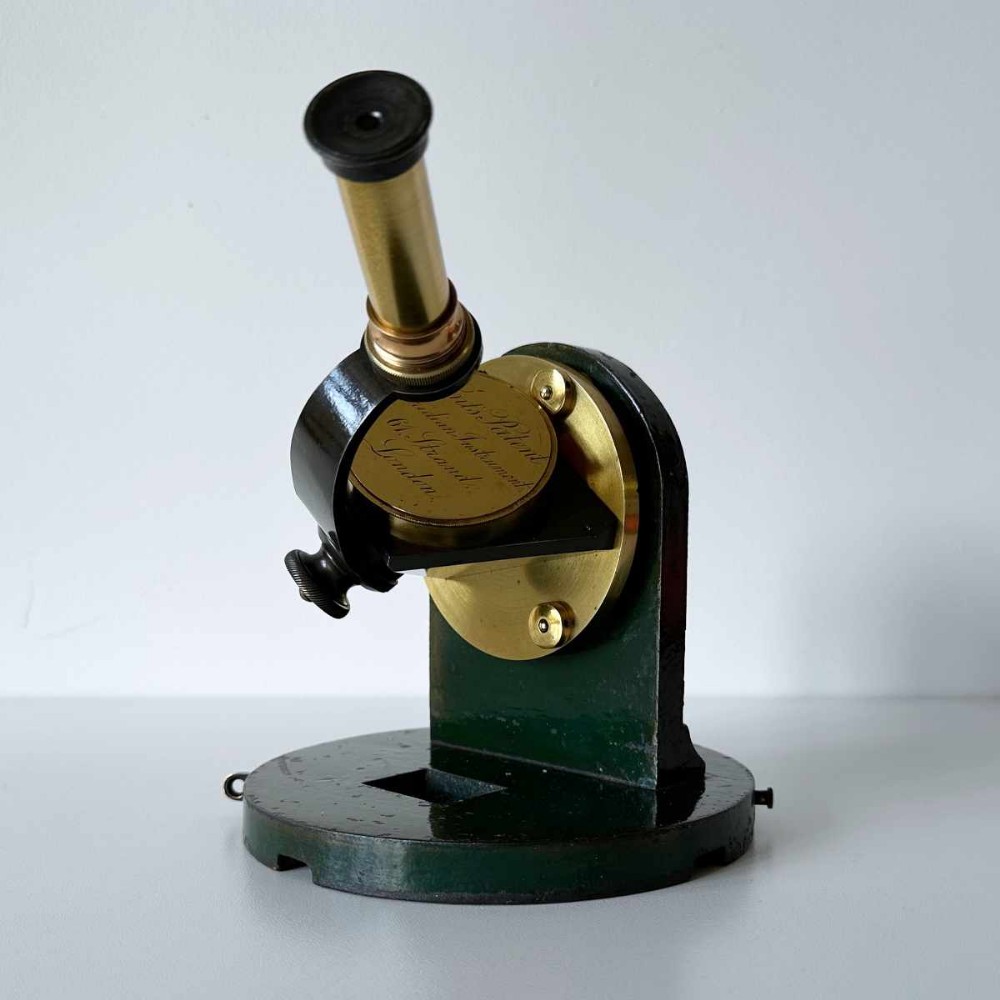
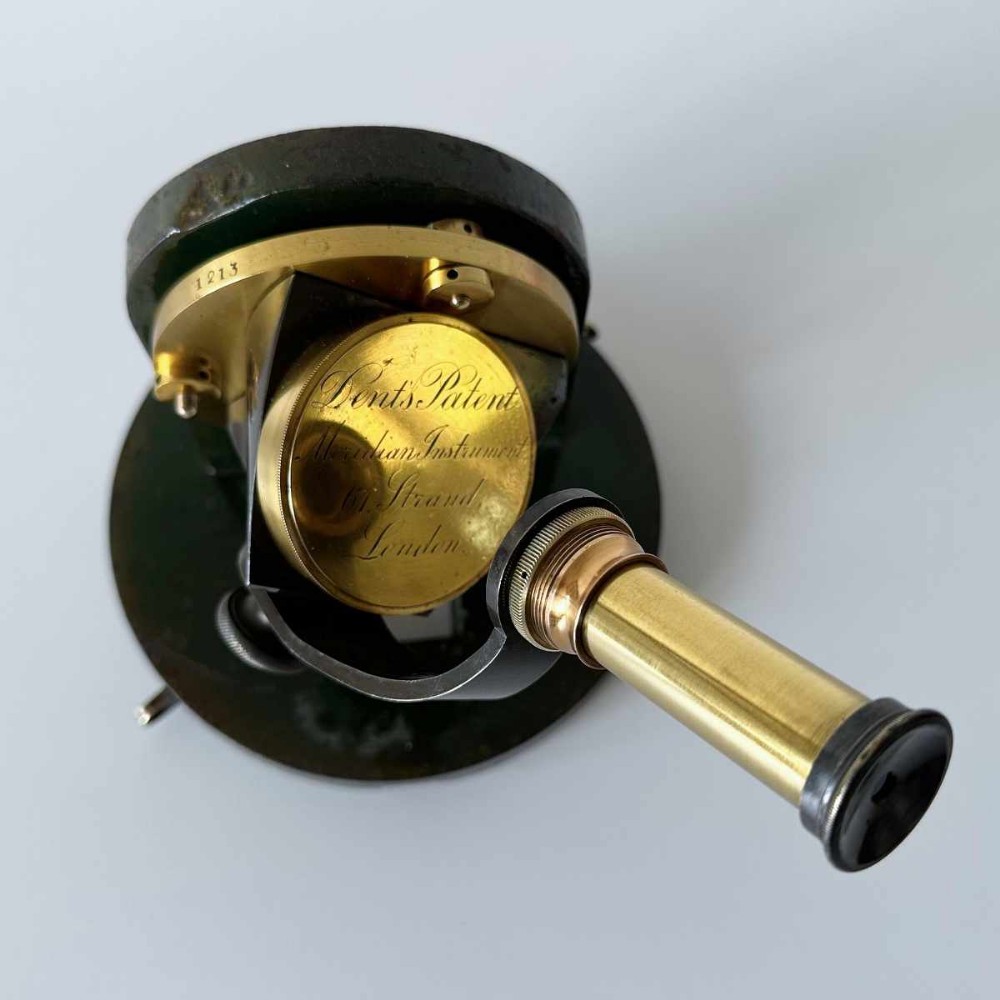
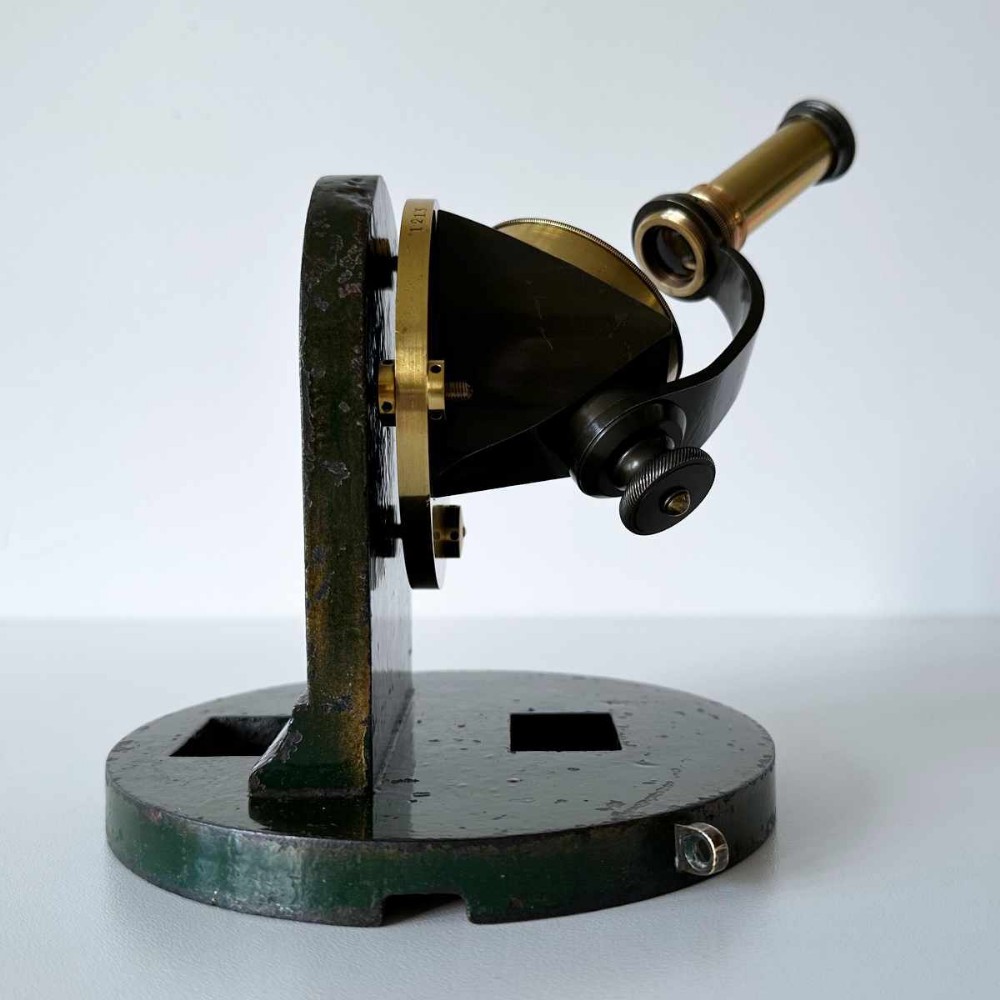
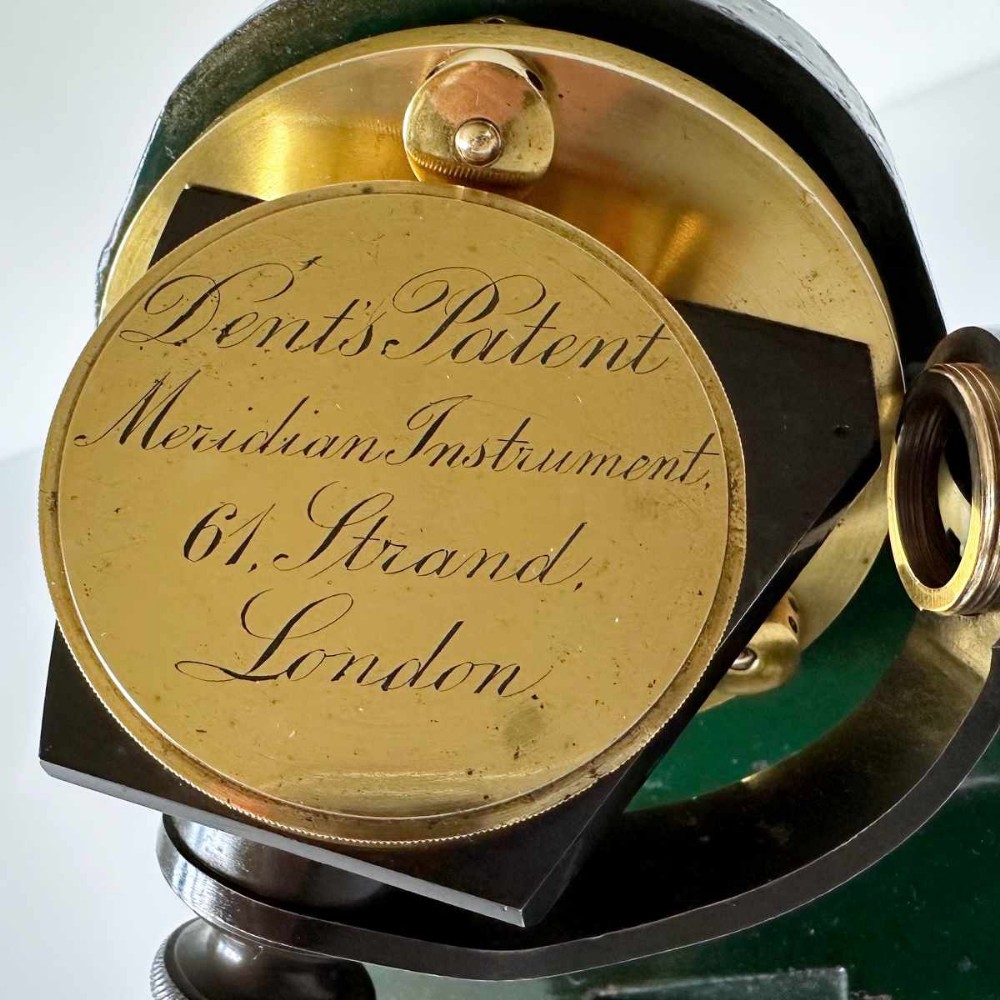
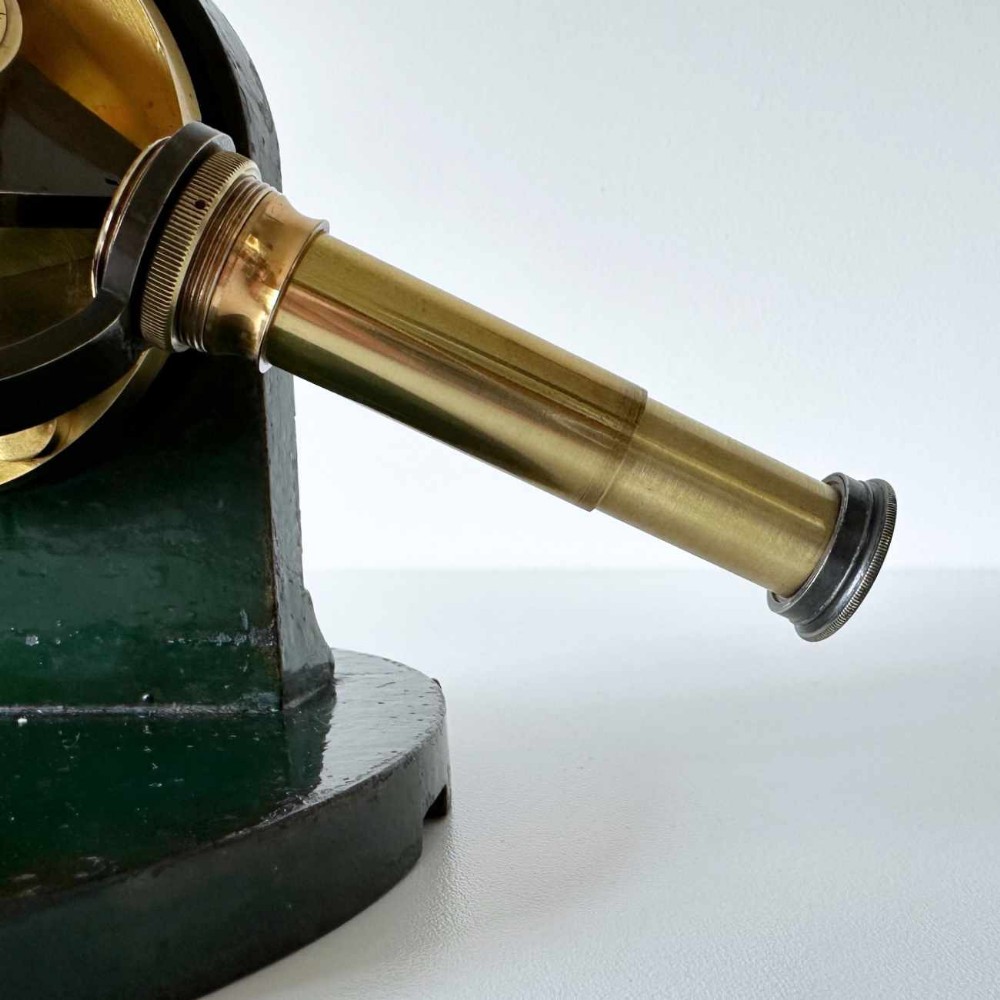
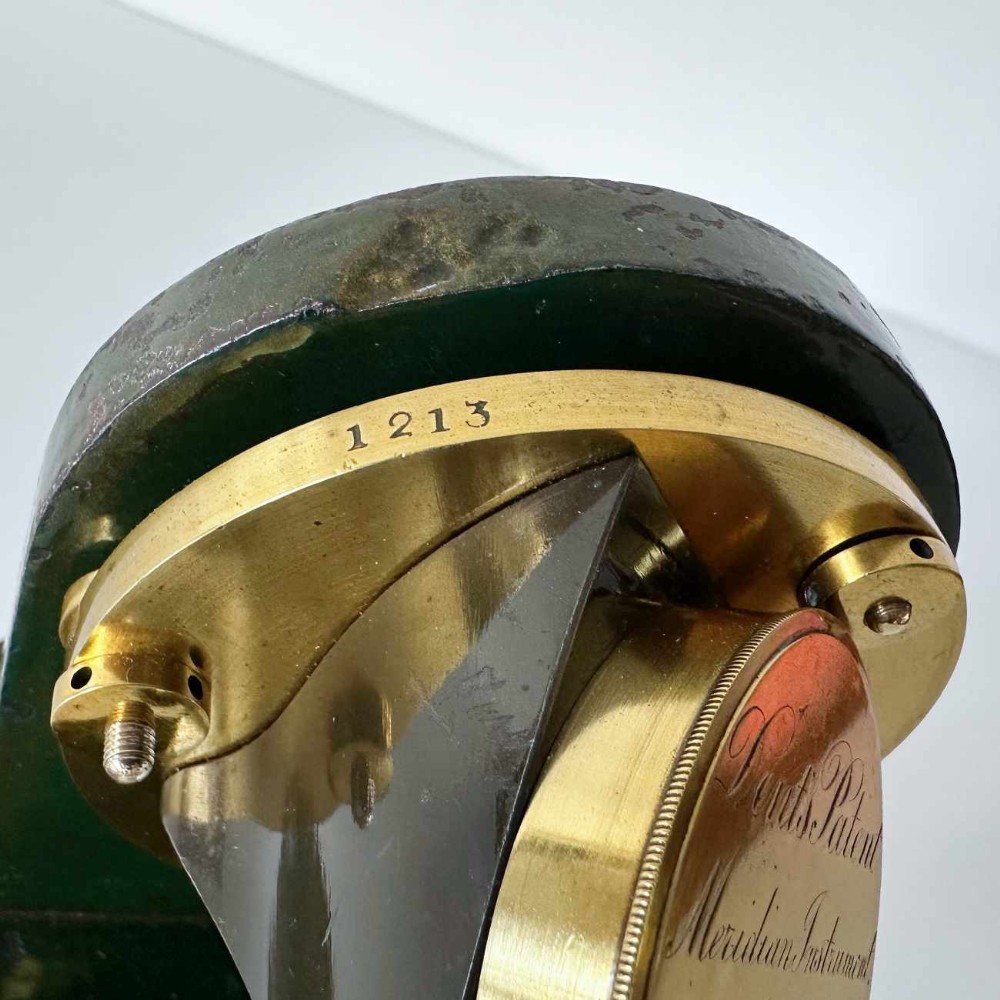
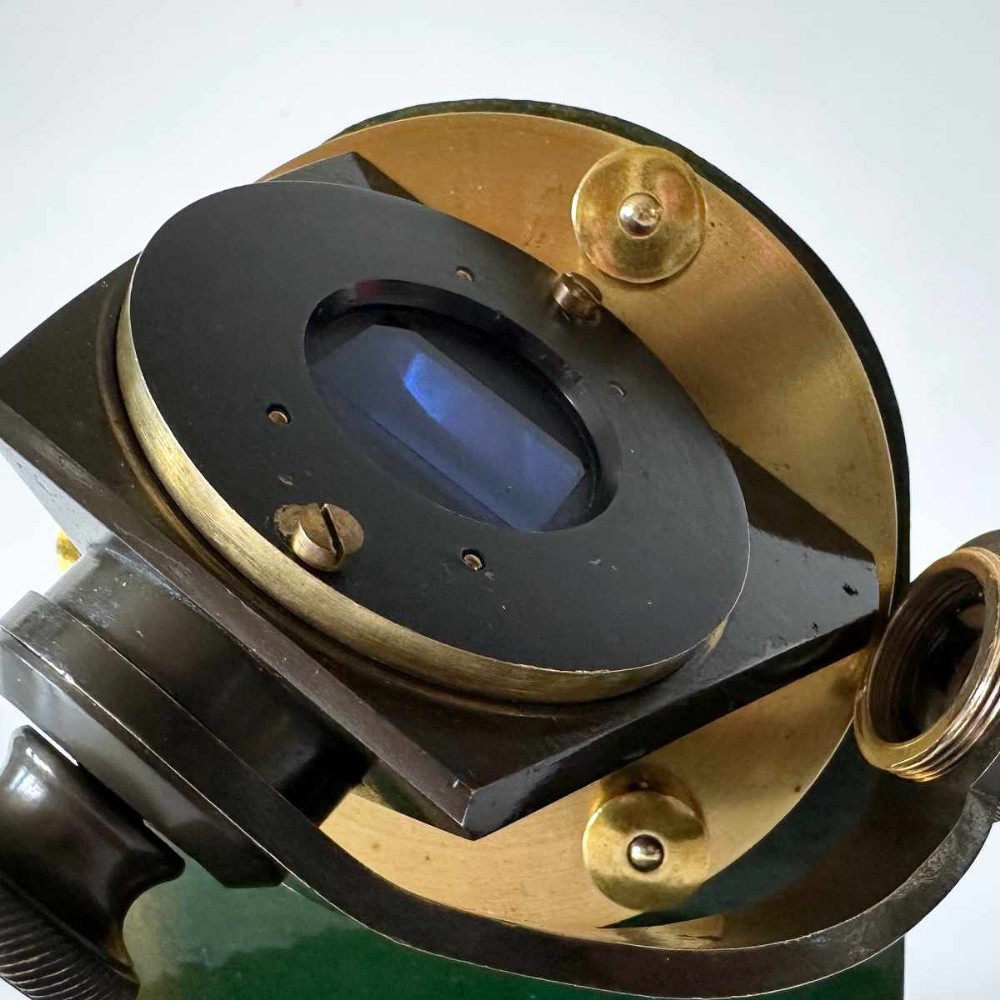
A very rare variant of this rare instrument, it comes complete with its dust cap stating, “Dent’s Patent Meridian Instrument, 61 Strand, London”, an adjustable, red filtered telescope lens attachment to allow the user a focused view of their observations and is attached to a brass circular mount with engraved reference number, “1213”.
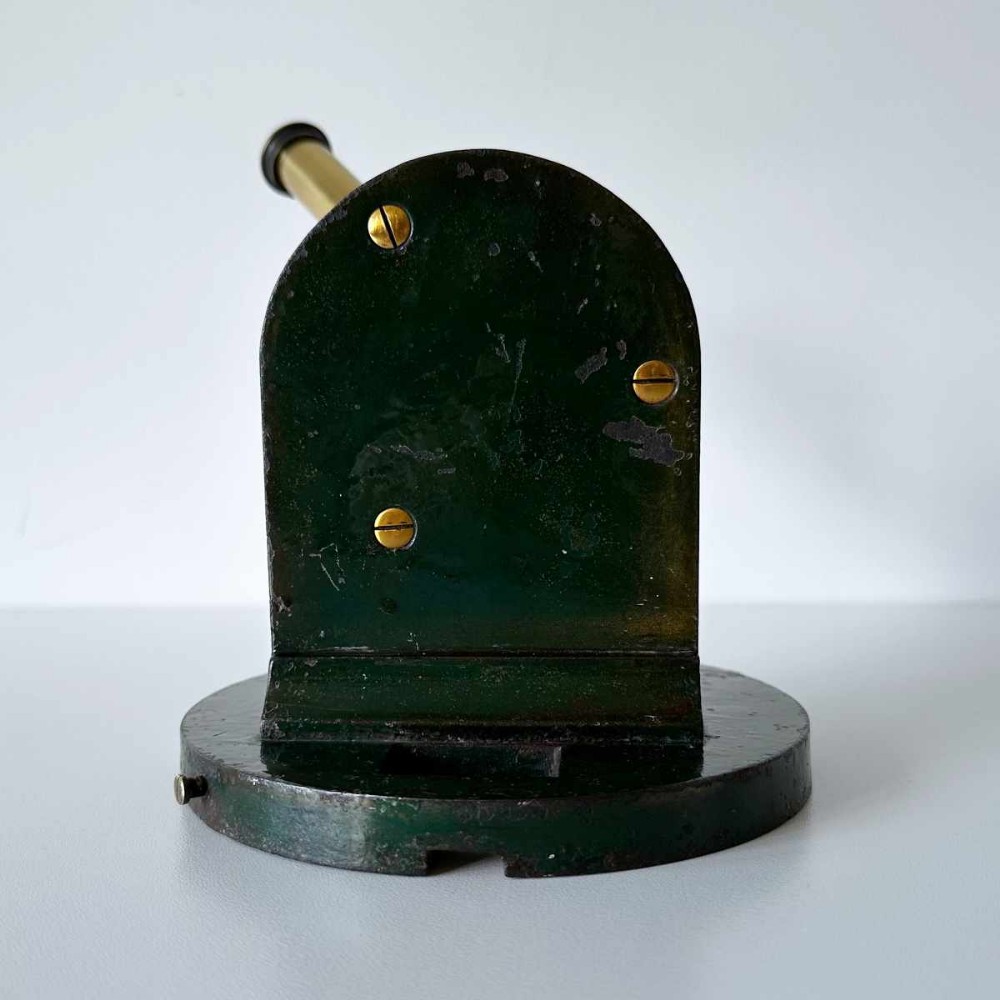
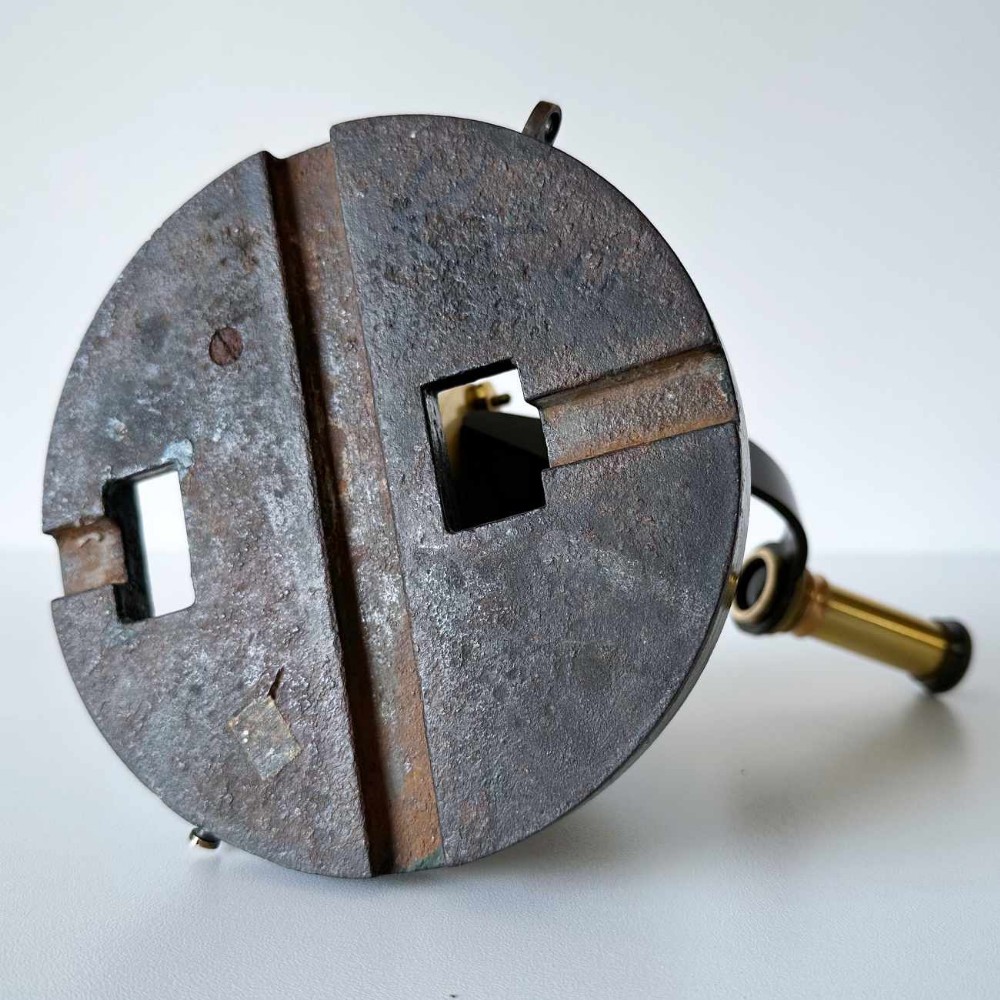
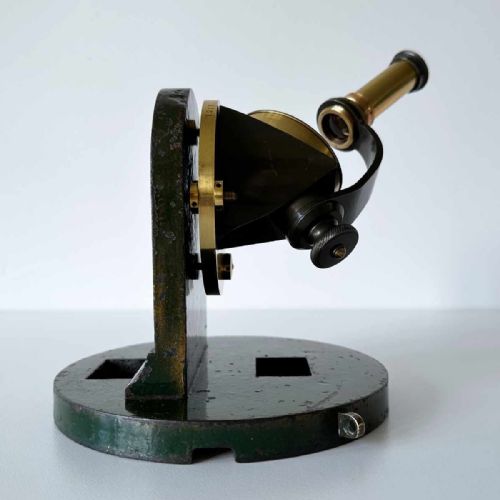
The green painted iron base has two further receiving holes and large groove underneath which clearly would have been used to seat the instrument on a pre-defined base. This would allow the instrument to be removed for its protection and storage and would allow it to be reseated for use without the need for repeat calibration.
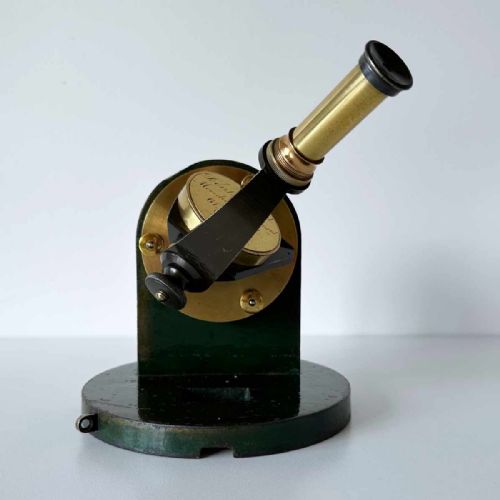
It has been kept in extraordinarily good condition, perhaps the best I have seen. This rare variant of the dipleidoscope appears
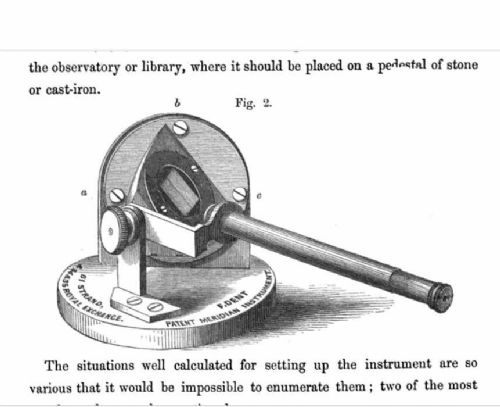
in Dent’s “A Description of the Dipleidoscope”, where it is described as follows:
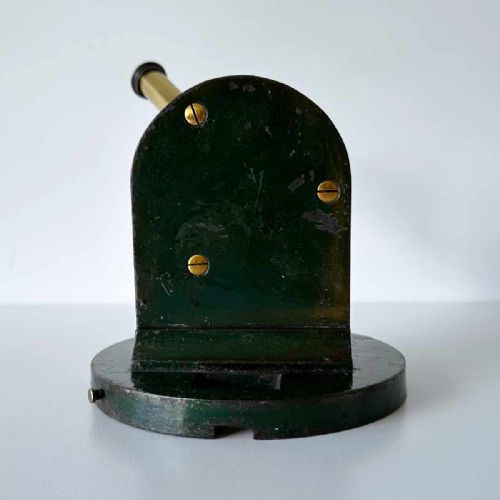
“Dipleidoscope fitted up with a telescope, and having all the usual meridian and vertical adjustments, to be effected by means of three mount screws. This form of mounting the instrument is suited to the observatory or library, where it should be placed on a pedestal of stone or cast iron.”
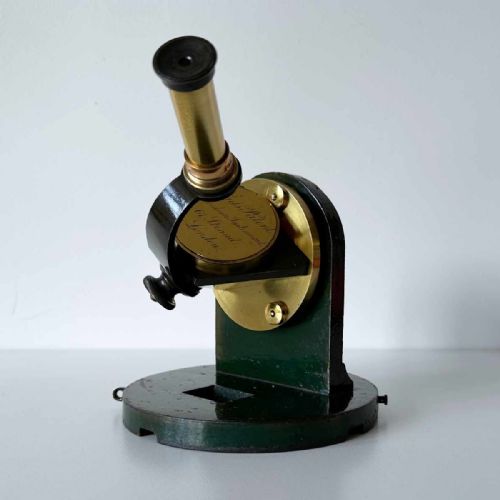
This ingenious device uses a contrivance of mirrors within its solid brass body to reflect two shadow images of the sun once it is correctly positioned in the meridian. As noon is reached, the shadows of the sun close upon one another and three measurements are recorded. The first observation is the initial contact of the two sun reflections in the dipeidoscope, the second when they exactly coincide and then the final observation is taken when the edges of the two images part from one another. The mean average of all of these events should allow the user to correct their timepieces to true noon.
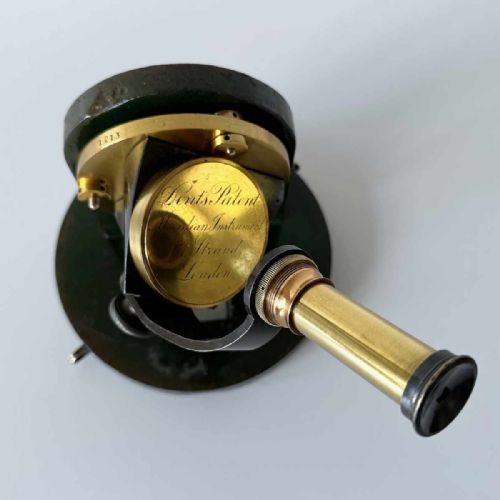
The concern with accurate timekeeping had been a headache for generations before this device gained any prominence and to a celebrated chronometer maker of Dent’s pedigree it would surely have been an issue worth solving. A simple means to gaining precision time keeping using a domestic instrument would have been highly valuable. Dent confidently suggests, “it is not saying too much to affirm, that a dipleidoscope should be placed in all country Parsonages as well as in Railway Stations, and Government Establishments, both at home and abroad.” Given the scarcity of these instruments, it seems unlikely to have taken off given the complexity of its set up but nevertheless it certainly gained a good level of popularity.
The principles of this curious looking instrument can be read in full by searching for the lightly titled, “The Dipleidoscope or Double Reflecting Meridian and Altitude Instrument; with plain instruction for the method of using it in the correction of timekeepers” by Edward J Dent, and it is interesting to note Dent’s reflections on the invention as besides his inate skills, his early success was certainly assisted by an acumen for recognising and exploiting other peoples’ inventions:
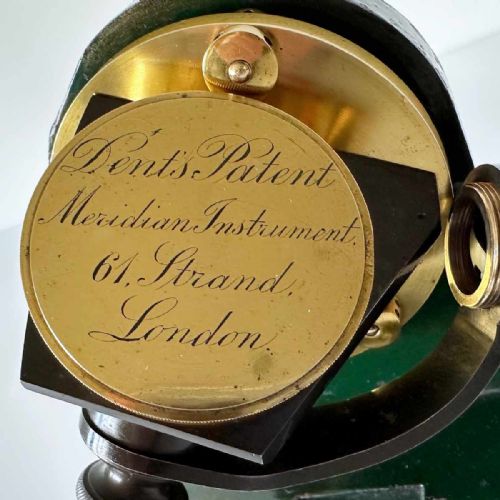
“The origin of the dipleidoscope resulted from the following circumstances. The writer had long felt persuaded that the interests of horology would be promoted if the public were more generally possessed of a cheap, simple and correct transit instrument, requiring little or no scientific knowledge for its right use, and not readily susceptible of injury or derangement. To this end he had devoted much time and thought; and in 1840, he considered that he had succeeded in inventing an apparatus which, by means of shadows, would produce the desired result. This idea he communicated to JM Bloxham Esq, who thereupon informed him that his own attention had been f
Jason Clarke Antiques has dated this Antique Brass Dipleidoscope to the 1850s.
You can view the stock and full dealer information on the Jason Clarke Antiques Profile Page
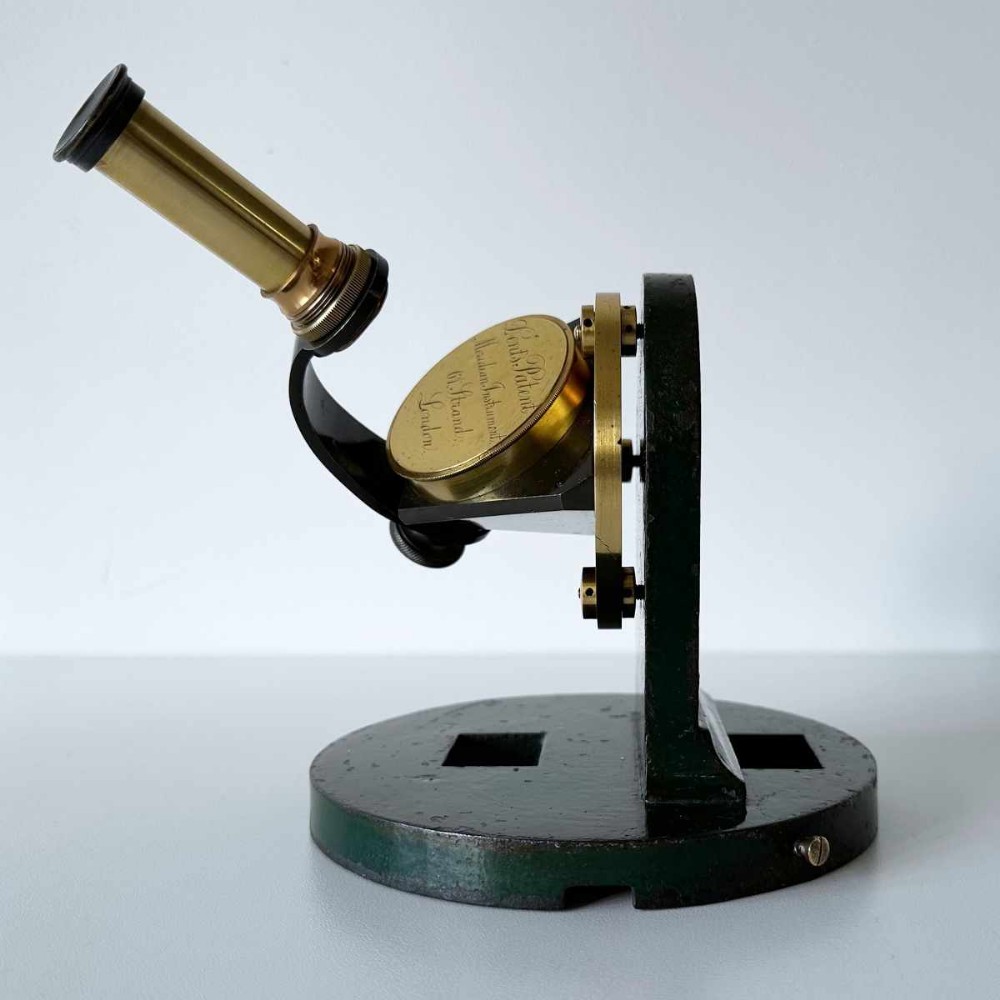
Nineteenth Century Mounted Dipleidoscope by Ej Dent 61 the Strand