17,135  PAGES BROWSED TODAY PAGES TODAY • 18 ANTIQUES UPLOADED TODAYNEW ARRIVALS
GIFTS
18 ITEMS ADDED TODAY
Sort Order
Items Per Page
Antiques dealer?
Join as a Seller
Browse Categories
Sort order
Relevant Links
Items per page
ID #SA1103986
SOLD
Email Phone
Save
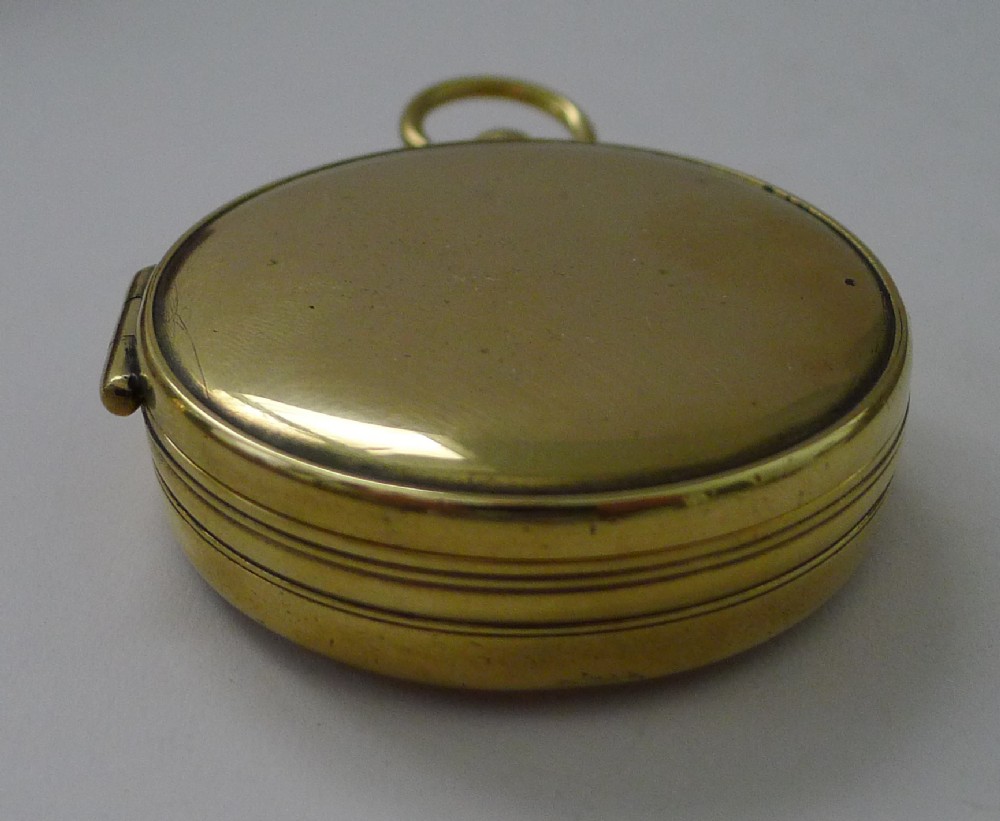
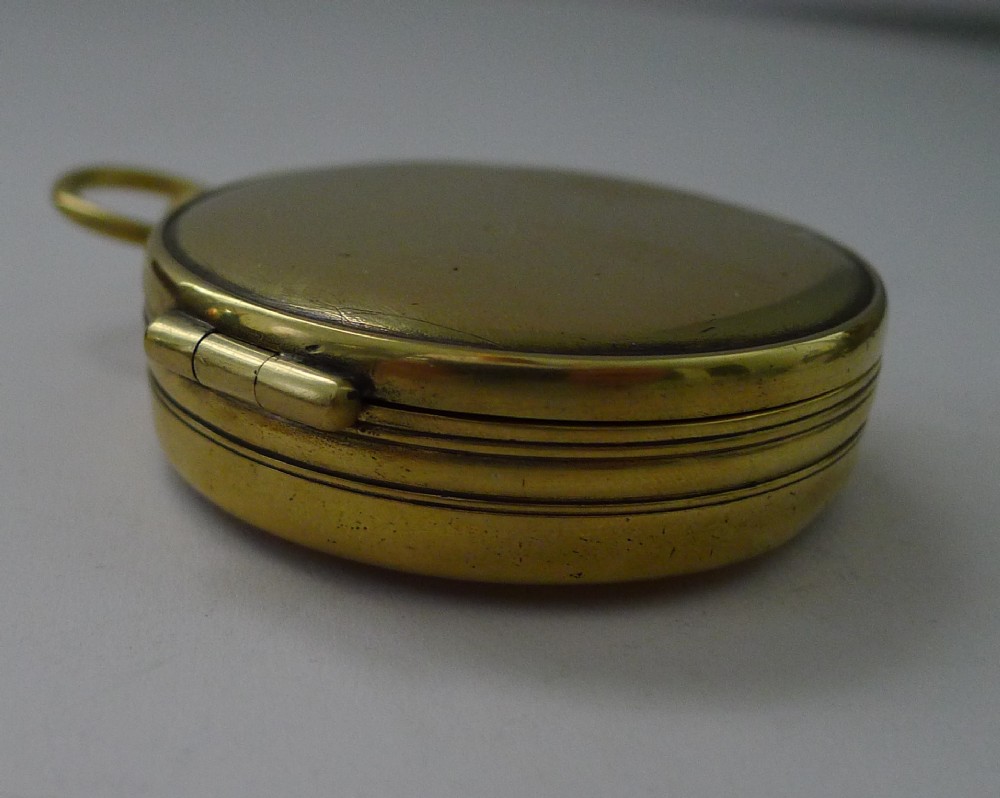
J. H. Steward Pocket Military Compass C.1890
Sold by Puckerings
sold SA1103986
Sorry, but this item has been sold.
Puckerings

Puckerings

Sellingantiques Verified Since Jul 2009
Browse dealers 395 items
  • About Us
    A quality online collection of antiques and fine vintage collectables
Id #SA1103986
PDF SHARE
SAVE

J. H. Steward Pocket Military Compass C.1890

19th century
Sold by Puckerings
Sold 9 January 2025 · Puckerings
This “J. H. Steward Pocket Military Compass C.1890” found a buyer.

It was listed by Puckerings. Sold pieces stay on Sellingantiques as a record of what has passed through, and the next one is rarely far away.

Description

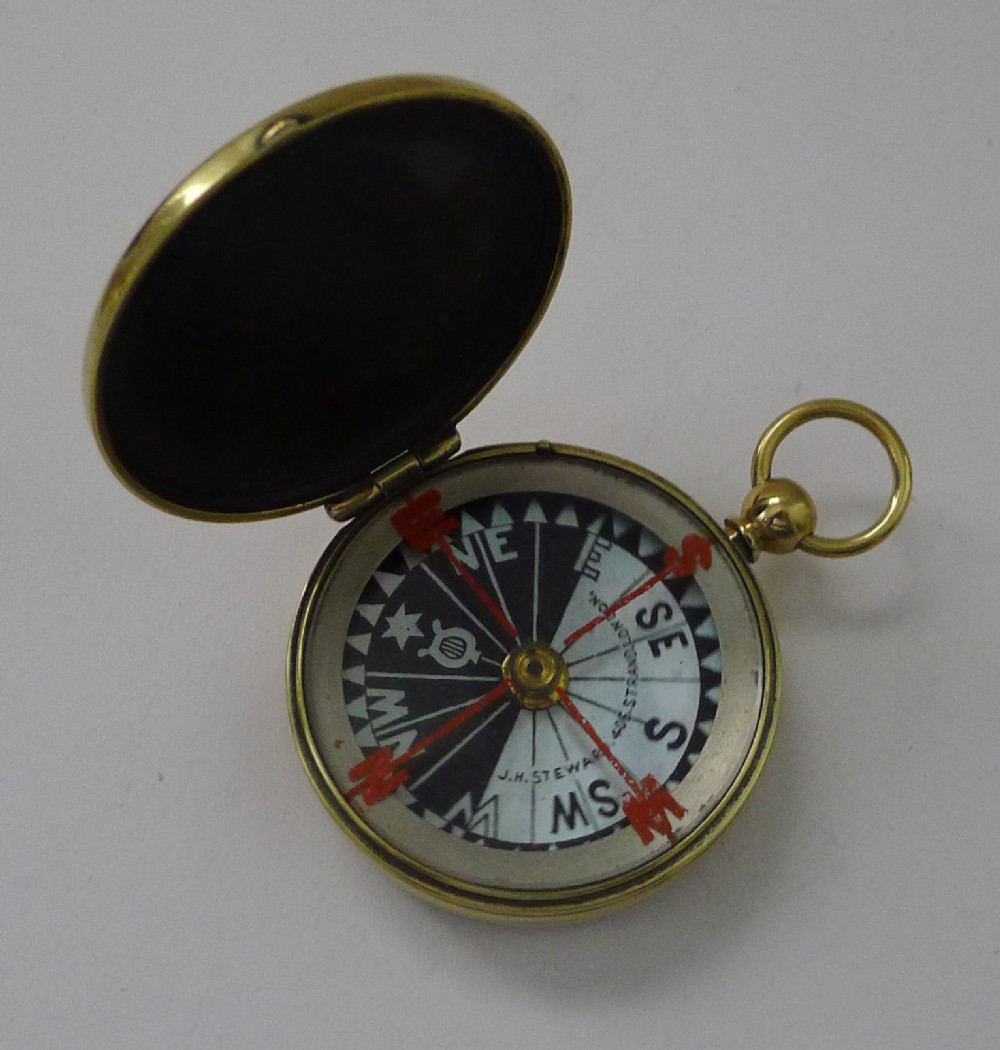
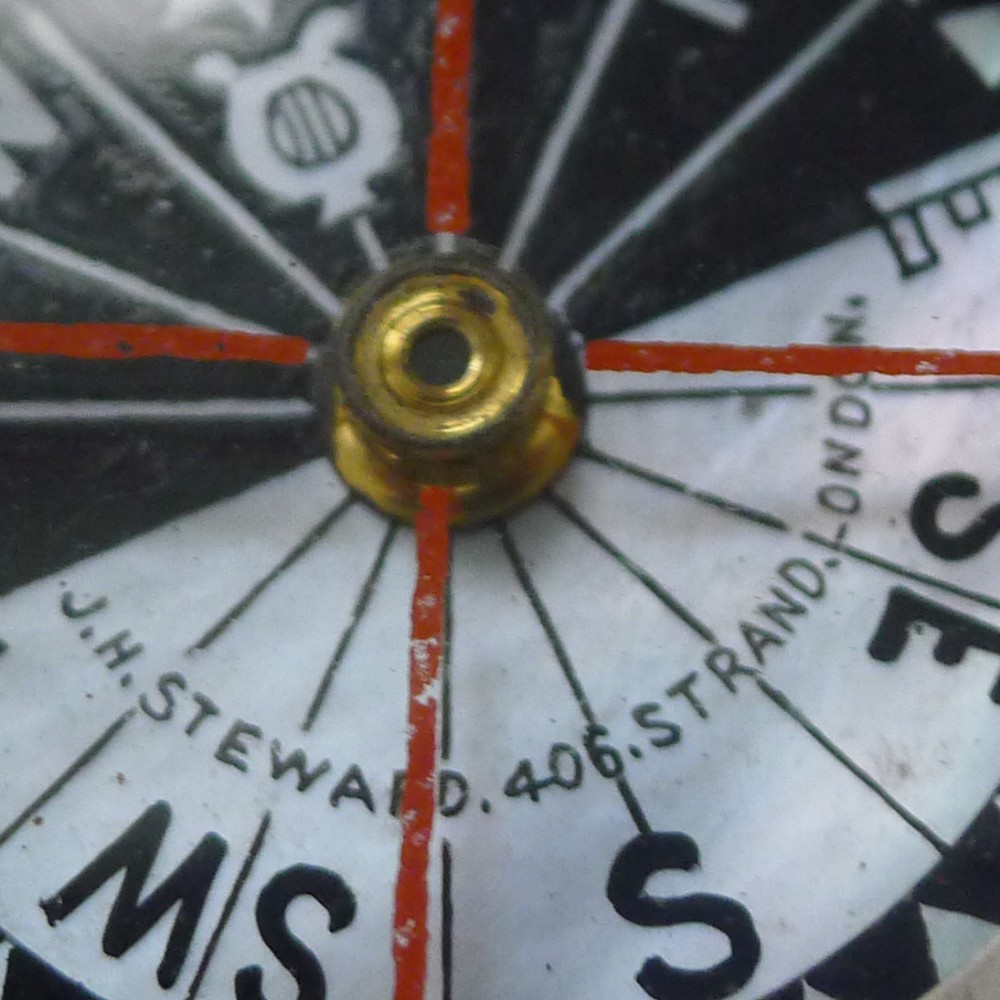
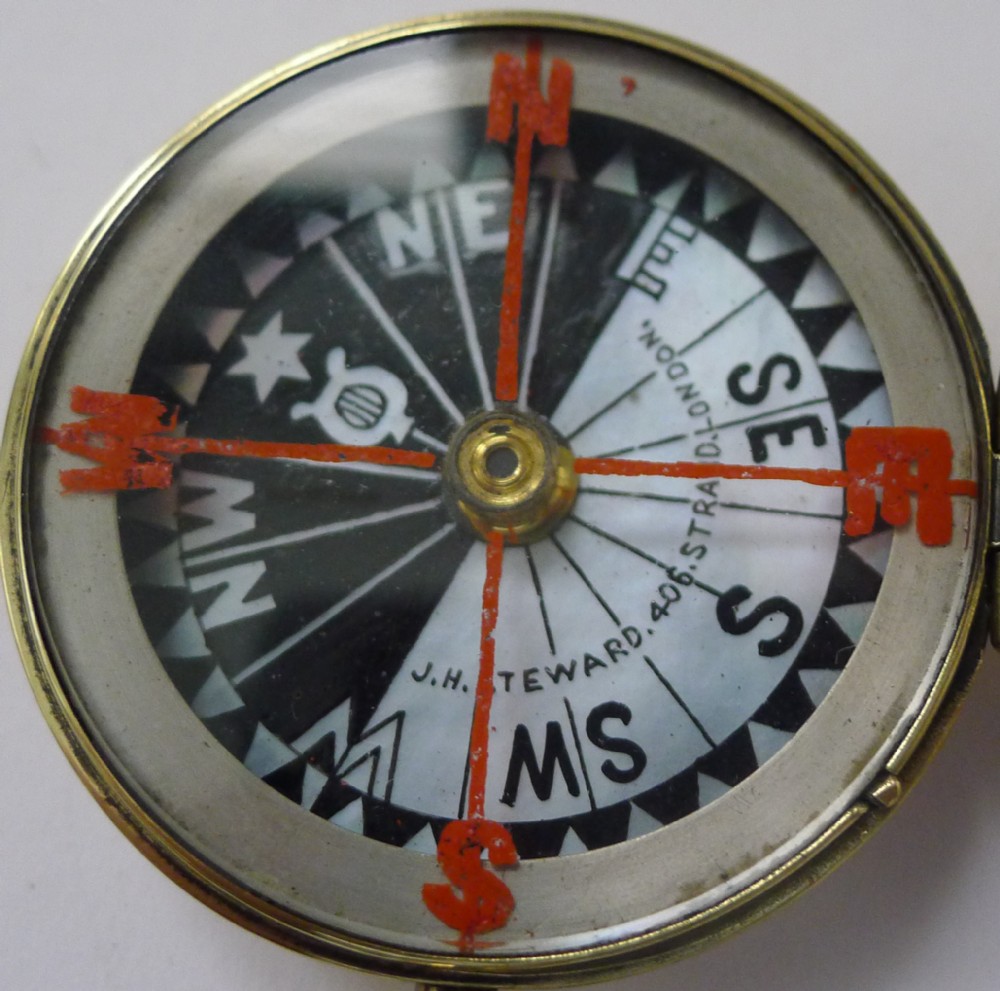
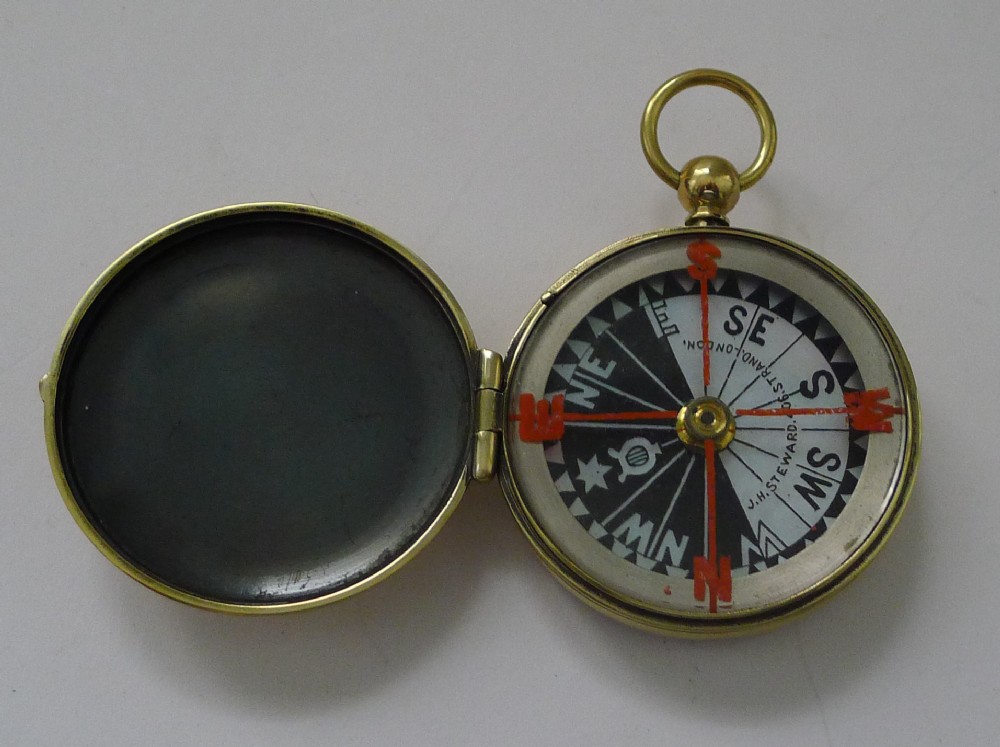
A J. H. Steward Singer's Patent-type Pocket Military Compass, dating from c.1890 - 1910. This compass featured in the 1909 edition of the J. H. Steward catalogue of Military Instruments. The mother-of-pearl compass card is hand painted in the classic Singer's design, and signed by 'J. H. Steward, 406, Strand, London'.

It was described in the catalogue as being 'painted half black and half white so as to be visible in twilight'. The compass has the four cardinal points marked in red on the underside of the glass.
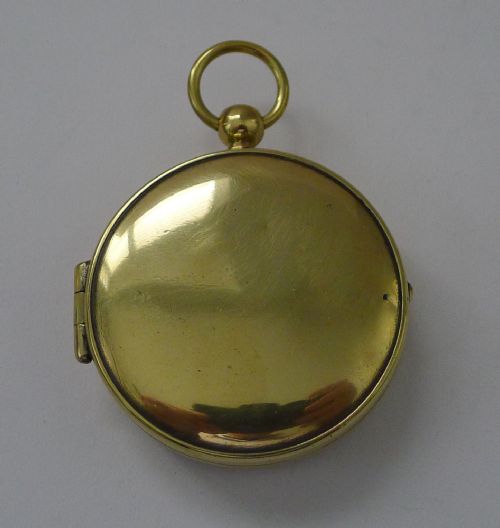
In excellent full working order with minor wear commensurate with age and use measuring 3" x 2 1/8" x 3/4".

Item: 44470

FREE Worldwide Registered Airmail Directly From the UK

J. H. Steward Ltd: James Henry Steward (1817-1896) established his business in London in 1852 as a maker and retailer of optical, scientific, military and surveying instruments. J.H. Steward was the head optician of the company and had businesses at 406 Strand, 457 West Strand and 54 Cornhill in London. In the mid 1800s he became the optician to Her Majesty's Government and the National Rifle, and National Artillery Associations. James Henry Steward died in 1896. J. H. Steward Ltd was incorporated in 1912 and continued in business in London until 1973. The main London office was sold in 1971, and from 1971-1973 the company rented premises in Catherine Street. All the remaining stock and long serving staff member George Goble (c.1916-1975) were moved to Catherine Street. The business finally moved to 154a Church Road, Hove, Sussex in 1973, before finally ceasing trading in 1975.
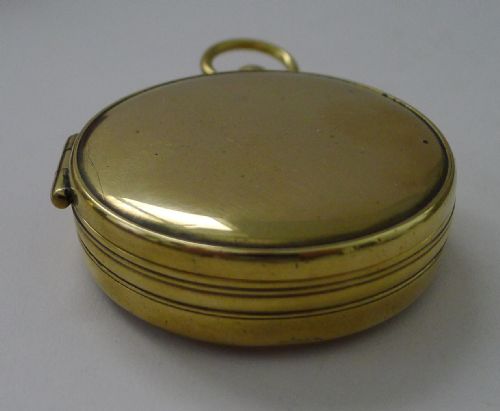
Samuel Berry Singer (1796 - c.1875) was a master mariner from Southampton when he patented his unique compass card design in July 1861. Its high contrast design was intended to be much easier to read in low light than conventional compasses of the time. His design was widely adopted by scientific instrument makers, but Singer himself did not benefit greatly from his invention, the patent lapsed in 1868, and he ended his days living in poverty in Kincardine on the Firth of Forth. Versions of his design continued to be made until the First World War.

Date of Manufacture

Puckerings has dated this Antique Military Compass to the 1890s.

Physical Dimensions
Height
7.6cm (2.99")
Width
5.4cm (2.13")
Depth
1.9cm (0.75")
Reference Numbers
Sellingantiques Reference
SA1103986
Dealers Internal Reference
44470
Description
A J. H. Steward Singer's Patent-type Pocket Military Compass, dating from c.1890 - 1910. This compass featured in the 1909 edition of the J. H. Steward catalogue of Military Instruments. The mother-of-pearl compass card is hand painted in the classic Singer's design, and signed by 'J. H. Steward, 406, Strand, London'.
“
It was described in the catalogue as being 'painted half black and half white so as to be visible in twilight'.
Puckerings

The compass has the four cardinal points marked in red on the underside of the glass.

fig 1. An open antique brass pocket compass with a black and white enamelled dial and red markings.
fig 1. J. H. Steward Pocket Military Compass C.1890

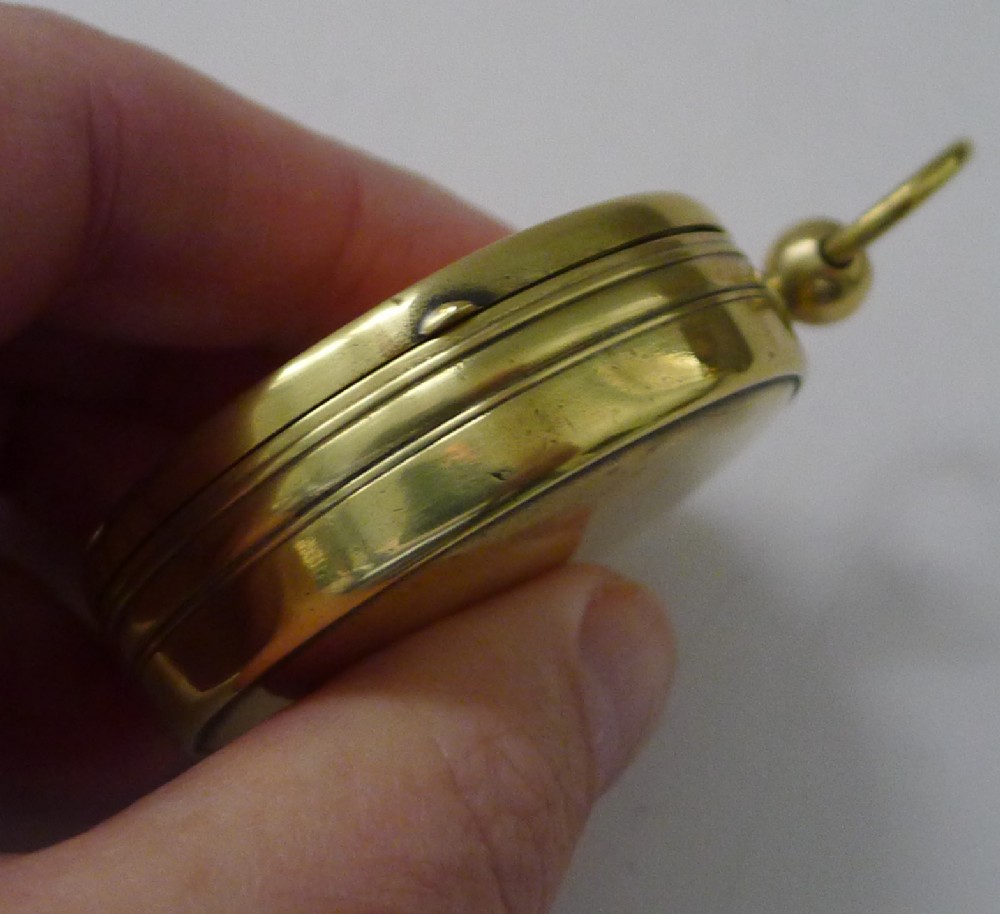
In excellent full working order with minor wear commensurate with age and use measuring 3" x 2 1/8" x 3/4".

Item: 44470

FREE Worldwide Registered Airmail Directly From the UK

J. H. Steward Ltd: James Henry Steward (1817-1896) established his business in London in 1852 as a maker and retailer of optical, scientific, military and surveying instruments. J.H. Steward was the head optician of the company and had businesses at 406 Strand, 457 West Strand and 54 Cornhill in London. In the mid 1800s he became the optician to Her Majesty's Government and the National Rifle, and National Artillery Associations. James Henry Steward died in 1896. J. H. Steward Ltd was incorporated in 1912 and continued in business in London until 1973. The main London office was sold in 1971, and from 1971-1973 the company rented premises in Catherine Street. All the remaining stock and long serving staff member George Goble (c.1916-1975) were moved to Catherine Street. The business finally moved to 154a Church Road, Hove, Sussex in 1973, before finally ceasing trading in 1975.

fig 2. An open antique brass pocket compass with a black and white enamelled dial and red markings.
fig 2. J. H. Steward Pocket Military Compass C.1890

Samuel Berry Singer (1796 - c.1875) was a master mariner from Southampton when he patented his unique compass card design in July 1861. Its high contrast design was intended to be much easier to read in low light than conventional compasses of the time. His design was widely adopted by scientific instrument makers, but Singer himself did not benefit greatly from his invention, the patent lapsed in 1868, and he ended his days living in poverty in Kincardine on the Firth of Forth. Versions of his design continued to be made until the First World War.

Date of Manufacture

Puckerings has dated this Antique Military Compass to the 1890s.

Height
7.6cm (2.99")
Width
5.4cm (2.13")
Depth
1.9cm (0.75")
Reference Numbers
Sellingantiques Ref
SA1103986
Dealers Internal Ref
44470
Puckerings
Puckerings
Sellingantiques verified Since Jul 2009

A quality online collection of antiques and fine vintage collectables

Dealer Profile

You can view the stock and full dealer information on the Puckerings Profile Page
PDF SHARE
SAVE
An open antique brass pocket compass with a black and white enamelled dial and red markings. SOLD6+ MONTHS AGO
1 / 8
Archive I An open antique brass pocket compass with a black and white enamelled dial and red markings. SOLD6+ MONTHS AGO

J. H. Steward Pocket Military Compass C.1890
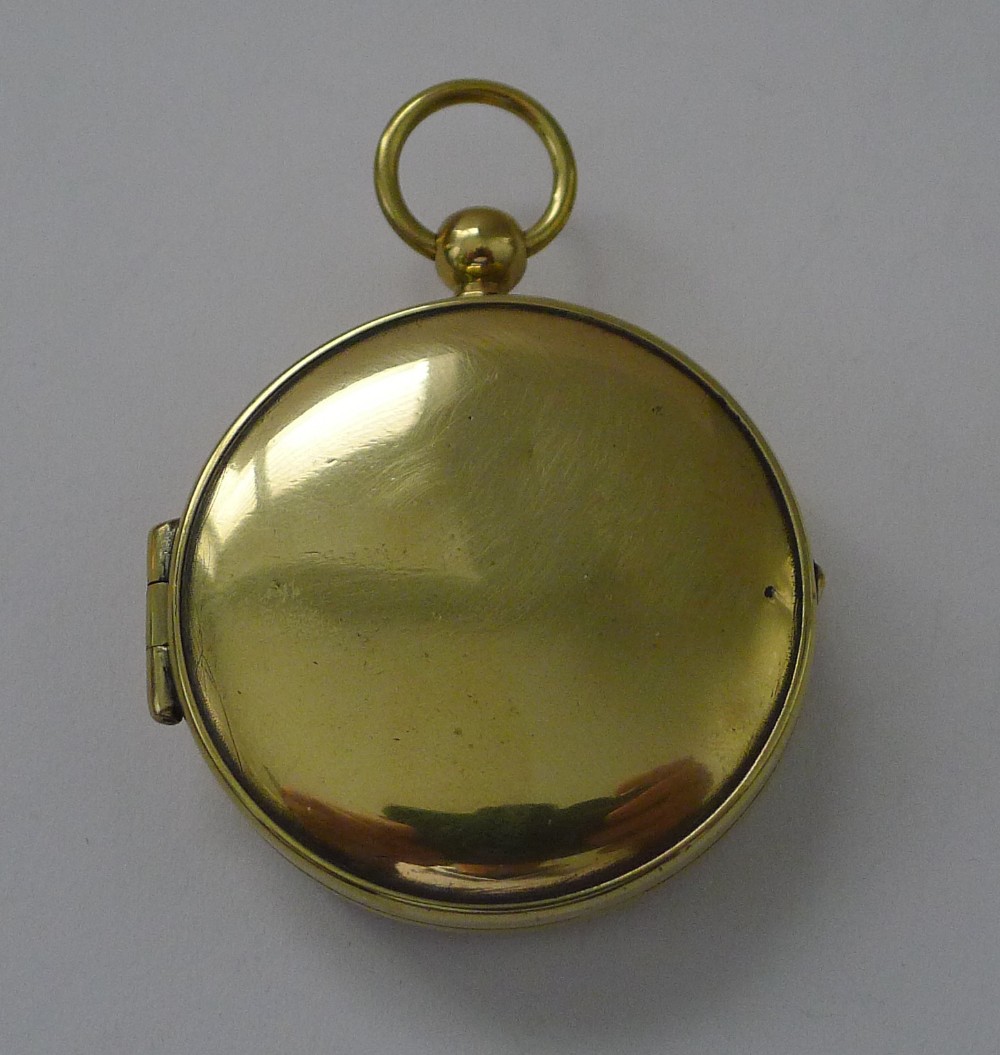
Archive II An open antique brass pocket compass with a black and white enamelled dial and red markings. View II
Archive III An open antique brass pocket compass with a black and white enamelled dial and red markings. View III
Archive IV An open antique brass pocket compass with a black and white enamelled dial and red markings. View IV
Archive V An open antique brass pocket compass with a black and white enamelled dial and red markings. View V
Archive VI An open antique brass pocket compass with a black and white enamelled dial and red markings. View VI
Archive VII An open antique brass pocket compass with a black and white enamelled dial and red markings. View VII
Archive VIII An open antique brass pocket compass with a black and white enamelled dial and red markings. View VIII
Enlarged Archival View
Telephone 07853 189 922
Location
London
United Kingdom
Verified Since Jul 2009
Items For Sale 395
Items Sold 7,633
Puckerings
Puckerings
Verified Since Jul 2009
View Dealer Info
Location: London, United Kingdom
Verified
Jul 2009
For Sale
395
Sold
7,633
An open antique brass pocket compass with a black and white enamelled dial and red markings.
J. H. Steward Pocket Military Compass c.1890
Ref: SA1103986
An open antique brass pocket compass with a black and white enamelled dial and red markings.
Detail View 1
Detail View 2
Detail View 3
Detail View 4
Detail View 5
Detail View 6
Detail View 7
Archival Detail
Every single antique dealer on our platform is individually approved by our internal team. We verify their professional trade history, ethical standards, and photographic quality to ensure a secure, high-standard buying environment. Upon joining, every dealer agrees to a strict 9-point code of conduct. While issues can occasionally arise, our dealers typically resolve them swiftly and directly with the buyer. In fact, since our founding in 2002, Sellingantiques has only had to step in to help resolve an issue on roughly five occasions—a true testament to the quality of our dealers and their dedication to your happiness.
Our dealers are highly experienced in packing and shipping fragile, high-value antiques. Because you are in direct contact with the dealer, you will be able to easily go through all available shipping and insurance options together to ensure your item arrives safely.
Antiques are the ultimate green purchase. By choosing historical pieces over newly manufactured goods, you completely eliminate the carbon footprint of modern mass production while preserving exceptional, timeless craftsmanship.
Written by Sellingantiques from the dealer’s photographs and listing
  • ObjectScientific Instruments
  • Period19th century
  • StyleVictorian
  • MaterialBrass, Glass, Enamel
  • ColourGold
  • MotifsHinged brass case, Enamelled directional dial, Suspension ring loop
  • SizeH 7.6 cm (3 in) x W 5.4 cm (2 in) x D 1.9 cm (1 in)

Victorian military compasses were essential field instruments utilised by British officers for navigation and cartography during the late nineteenth century, often manufactured by reputable London opticians such as J. H. Steward.

These instruments were typically constructed from polished brass or gunmetal casings enclosing a glass face, enamel dial, and a magnetic needle balanced on a jewel pivot.

Authentic pieces generally feature maker signatures or hallmarks engraved on the dial or casing, hand-painted cardinal points, period-appropriate typography, and natural age-related patination on the metal surfaces.

Such small collectables look effective displayed inside glass cloches, atop a stack of vintage books on a desk, or housed within a dedicated cabinet of curiosities alongside other historical artefacts.

Preservation involves keeping the instrument away from direct sunlight and high humidity to prevent glass fogging or brass tarnishing, and avoiding the use of abrasive chemical cleaners on the exterior metal.
items
Add keywords to the filter
Price
£100
£250000
Era
Period
Style
Material
Origin
Stock Location
Recently Added
Online Payments
Categories