



A 2026 Guide by Sellingantiques

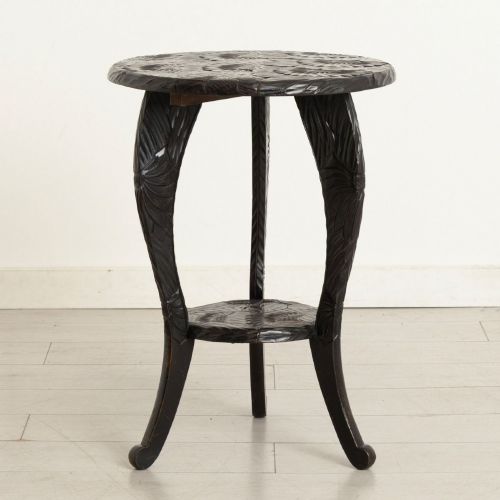
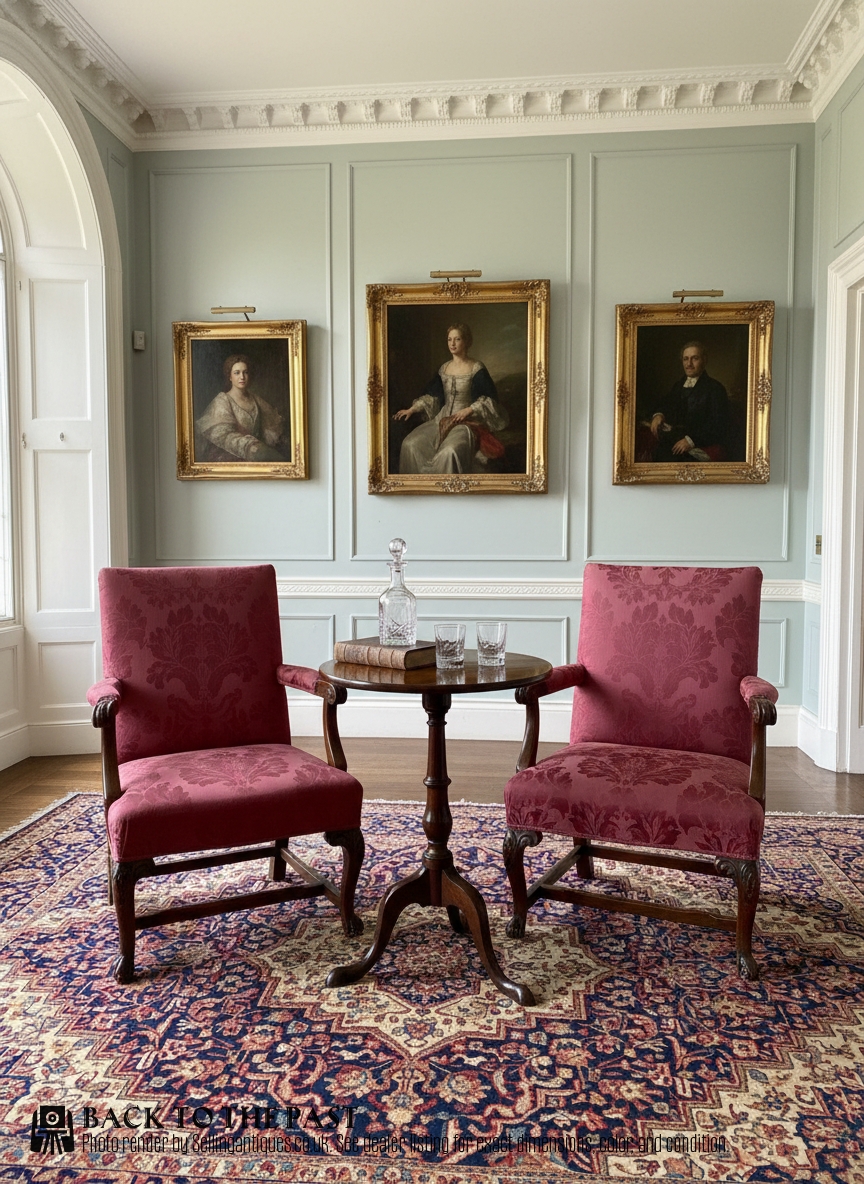
Pair of Scottish Regency Mahogany Pedestal Wine Tables, Possibly James Mein of Kelso, Regency
Priced at £2,800 from The Antique Furniture Company
Georgian gentlemen needed somewhere steady to rest their port after dinner.
Scale matters with these antique wine tables, built strictly for one bottle and a couple of glasses.
By the early nineteenth century they were a standard fixture in drawing rooms across Britain.
Pushed against the wall during the day. Brought forward when the fire was lit.
Thomas Chippendale supplied carved tripod tables to his aristocratic clients during the mid-eighteenth century.
Gillows of Lancaster produced plain mahogany examples well into the nineteenth century.
Most antique wine tables carry no stamp and were built by undocumented provincial craftsmen.
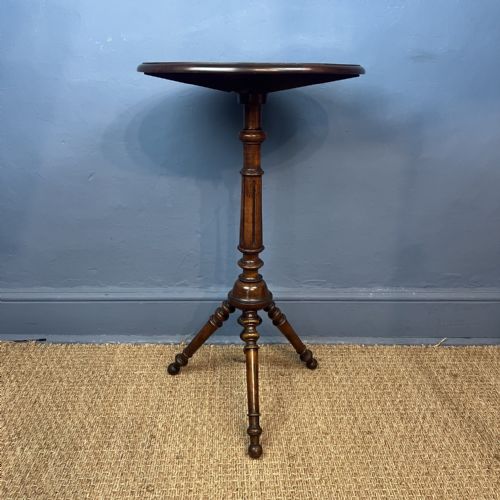
Antique George III Quality Mahogany Circular Top Lamp Table, 1800
Priced at £985 from London City Antiques
The 2026 retail price guide for Antique Wine Tables is drawn from a proprietary archive of over 1.1 million retail prices indexed by Sellingantiques since 2003. This guide relies exclusively on their own internal data; no external sources or auction records are used.
Analysing nearly 25 years of UK antique market history alongside current retail values, the data indicates that typical UK retail prices for Antique Wine Tables range between £300 and £1,700. Entry-level prices generally fall under £300 and premium examples upwards of £1,700.
Raised rims are common on the tops to stop glasses sliding off the edge.
Check for a central turned column resting on three splayed cabriole legs.
Many incorporate a tilt-top mechanism relying on a brass catch or a wooden peg.
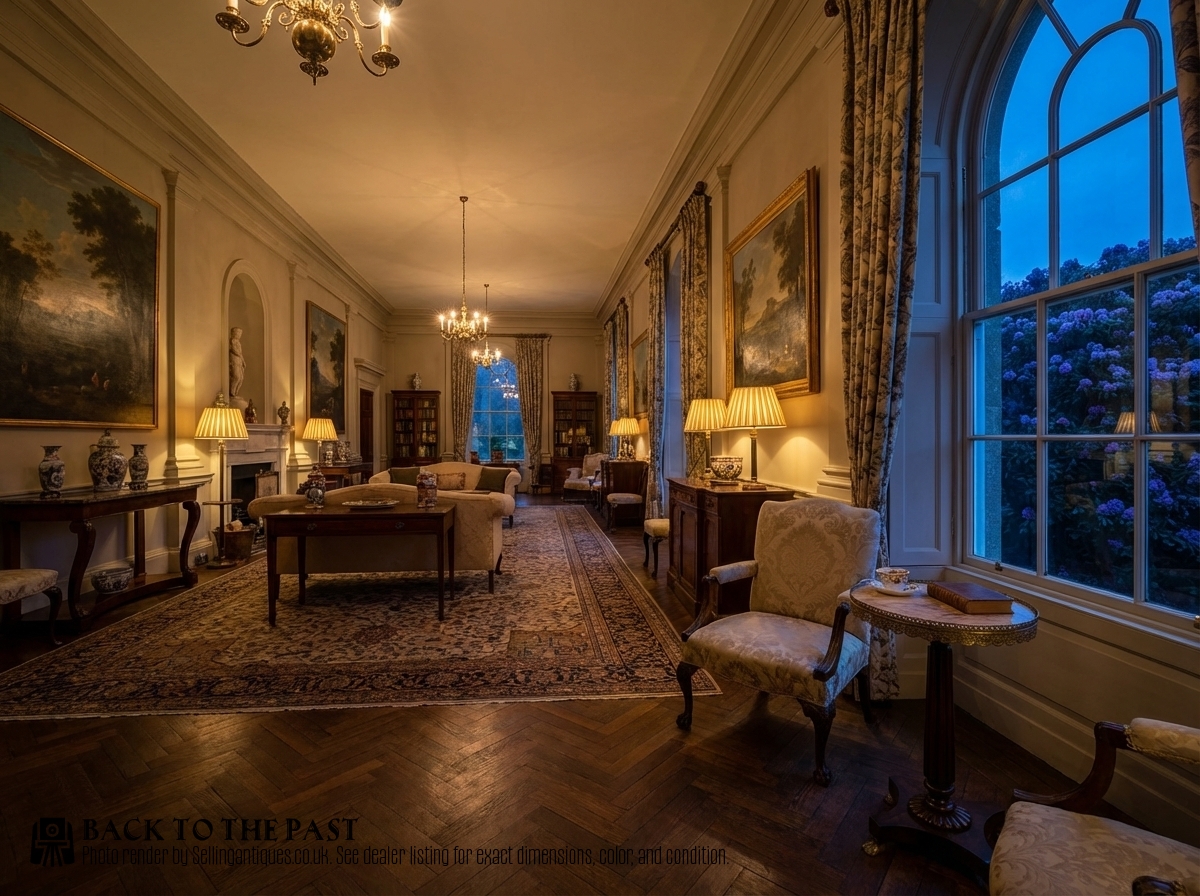
A French Marble Topped Occasional Wine, 19th Century
Priced at £950 from The Antique Partnership
Dovetailed joints secure the legs into the central base block on early pieces.
Turners shaped the columns using hand-held gouges while the timber spun on a treadle lathe.
Iron spider plates were often added beneath the base to reinforce weak leg joints.
"Slender proportions mean they double nicely as stands for modern reading lamps."
"Tripod bases sit firmly on uneven floorboards without wobbling or needing wedges."
"Folding tops allowed servants to store them flat against the wall when clearing the room."
Based on almost 25 years of Sellingantiques UK antique market data, Antique Wine Tables appeared 5160 times (out of 1,100,000 antiques) which gives it a rarity score of 36/100.
This score measures scarcity within the Sellingantiques archive only and is not a survey of the entire antiques market, so these statistics may not be indicative of the general availability of Antique Wine Tables elsewhere.
Most eighteenth-century examples stand between twenty-six and twenty-nine inches high. This was the practical height for someone reaching across from a low wingback chair.
Victorian pieces are sometimes slightly lower. If the table sits much higher than thirty inches, it might have been built as a lamp stand rather than for drinks.
Portability was the whole point of the design. Servants carried them up and down stairs daily, so makers kept the weight down by using slender columns and thin tops.
You'll find that a standard mahogany tripod table is easily lifted with one hand. Solid oak versions carry a bit more weight but are still manageable in a domestic setting.
No. Many fixed-top versions were produced alongside the tipping ones.
The tilt mechanism was an extra expense. Provincial makers often bolted the top directly to the column for a cheaper, simpler piece.
Heat and shellac polish do not mix well. A hot mug will turn the traditional finish cloudy white quickly, leaving a lasting mark on the timber.
Using a thick coaster solves the problem. If you want to use the table casually without worrying, look for one that has already lost its formal polish and wears a dull, waxed patina.
Please note: This Antique Wine Tables guide and its associated pricing data are provided for general informational purposes only. It does not constitute formal financial, investment, or appraisal advice and should not be relied upon as the sole basis for any commercial activity, purchasing, or sales decisions. Sellingantiques.co.uk accepts no liability for any actions taken in reliance on this information. Always consult with a qualified professional or independent appraiser.
