



A 2026 Guide by Sellingantiques
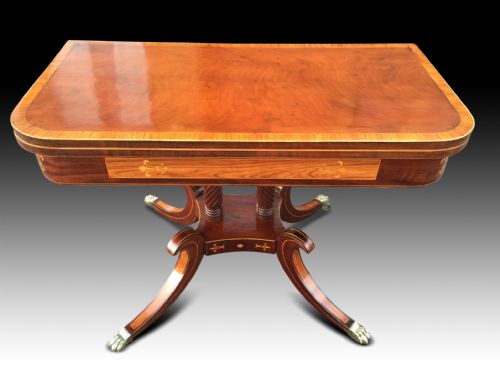
Late Georgian Mahogany Tea Table, Circa 1800, Georgian
Priced at £1,950 from Surrey Antiques by Gary J Hall
First appeared in wealthier households during the late seventeenth century.
Look at early eighteenth-century inventories to see how quickly the antique tea table became a social necessity.
Dedicated furniture followed the arrival of the leaf from China.
Hostesses used them to serve guests directly in drawing rooms rather than formal dining spaces.
Thomas Chippendale supplied various mahogany examples to aristocratic clients during the 1760s and 1770s.
Most antique tea tables lack a maker's stamp, reflecting a broad regional trade across Britain.
Gillows of Lancaster exported neat folding designs to London and beyond in the late eighteenth century.
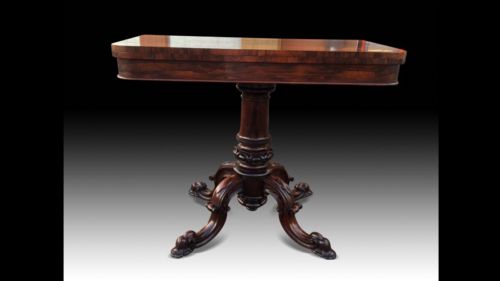
Edwardian Mahogany Fold Over Demi Lune Tea Table, Edwardian
Priced at £375 from Sinclairs Antiques and Interiors
The 2026 retail price guide for Antique Tea Tables is drawn from a proprietary archive of over 1.1 million retail prices indexed by Sellingantiques since 2003. This guide relies exclusively on their own internal data; no external sources or auction records are used.
Analysing nearly 25 years of UK antique market history alongside current retail values, the data indicates that typical UK retail prices for Antique Tea Tables range between £500 and £2,700. Entry-level prices generally fall under £500 and premium examples upwards of £2,700.
Many feature a hinged top resting on a swing leg to double the surface area when required.
Raised galleries sometimes border the edge to stop porcelain slipping off.
Check the centre column on tripod versions for a tilting mechanism that allows the piece to stand flat against a wall.
Antique George III Quality Mahogany Inlaid Tea/side Table
, 1800
Priced at £1,675 from London City Antiques
Cabinet makers used rule joints on the folding edges to hide the hinges and leave a clean wooden profile.
Hand-cut dovetails hold the shallow frieze drawers together on earlier rectangular models.
Look for crisp carving on the knees of tripod bases, executed using basic hand gouges rather than machinery.
"Some feature small hidden compartments in the frieze for storing the expensive leaves away from servants."
"The rotating birdcage mechanism meant a hostess could serve everyone around the circle without standing up."
"Certain provincial workshops produced tops from solid yew wood which has faded to a light honey colour."
Based on almost 25 years of Sellingantiques UK antique market data, Antique Tea Tables appeared 5179 times (out of 1,100,000 antiques) which gives it a rarity score of 35/100.
This score measures scarcity within the Sellingantiques archive only and is not a survey of the entire antiques market, so these statistics may not be indicative of the general availability of Antique Tea Tables elsewhere.
Just dust it with a dry cloth. You can apply a thin coat of clear beeswax once or twice a year to feed the timber. Don't use spray polishes on the wood.
A drop of light machine oil on the brass pin helps if the joint is sound. Wipe away any excess immediately so it doesn't soak into the surrounding mahogany.
If the screws are pulling out of the wood, oil won't solve the problem. The holes need plugging with hardwood dowels before re-setting the hinges to take the strain off the joint.
Space was often tight in smaller rooms. The mechanism allowed servants to tip the large circular top upright and push the table flush against a wall.
They pull out into the centre of the floor when guests arrive. The brass catch snaps shut to hold the top rigid while the cups are poured.
That gap is left there by the maker so you can sweep crumbs off the surface. Without it, loose tea leaves and dust get trapped against the gallery edge.
Antique tea tables with this specific cut-out serve a clear purpose. It shows a practical approach to housekeeping during a period when servants had to clear up quickly between courses.
Please note: This Antique Tea Tables guide and its associated pricing data are provided for general informational purposes only. It does not constitute formal financial, investment, or appraisal advice and should not be relied upon as the sole basis for any commercial activity, purchasing, or sales decisions. Sellingantiques.co.uk accepts no liability for any actions taken in reliance on this information. Always consult with a qualified professional or independent appraiser.
