


A 2026 Guide by Sellingantiques
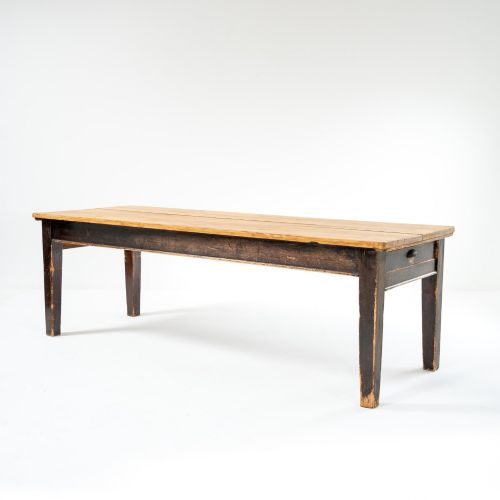
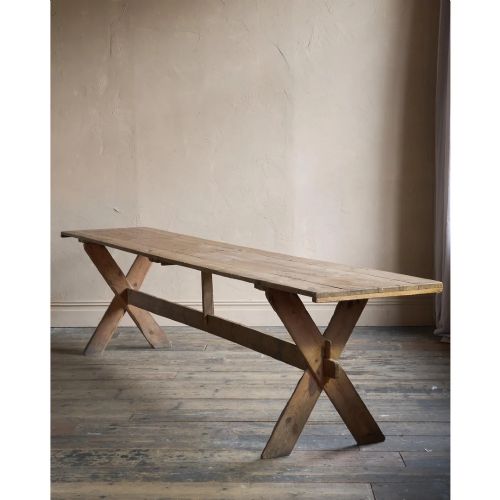
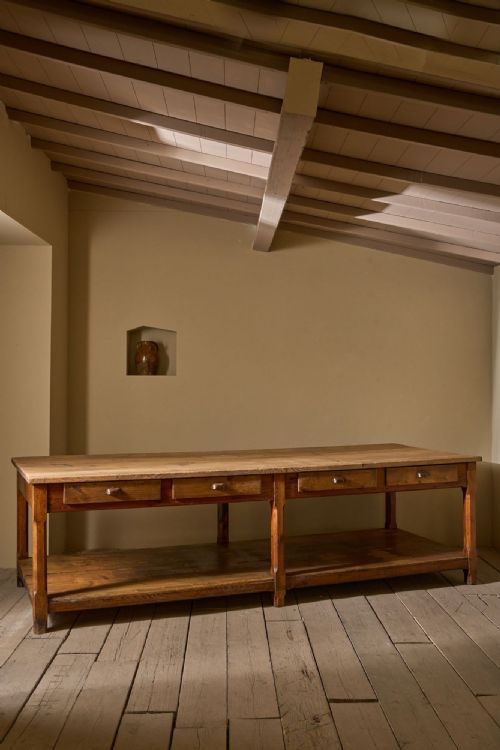
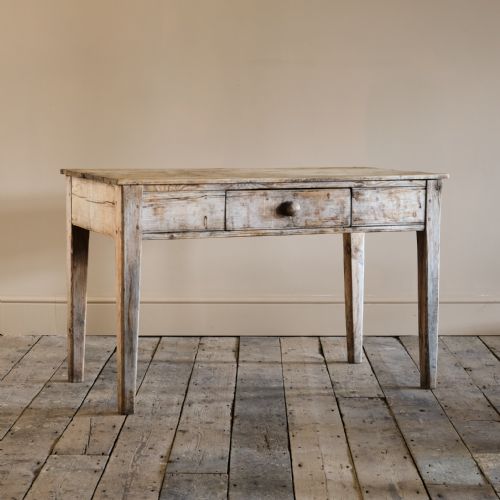
19th Century Irish Pine Farmhouse Table, 1880
Priced at £2,400 from Antiques Decorative (Sussex)
Antique pine tables started life below stairs or in rural farmhouses rather than formal dining rooms.
Look at the height. Kitchens needed standing work surfaces, so many Victorian examples stand a bit taller than a modern dining table.
Scrubbed finishes became standard for dairy and baking work. Scouring removed grease and kept the timber bare for hygiene before modern sealants existed.
Deep drawers along the side rails often held basic cutlery or heavy wooden implements.
Documented names rarely attach to antique pine tables. They were regional utility items produced by village carpenters rather than metropolitan cabinetmakers.
Estate workshops turned out hundreds of these for their tenant farms. The work follows local vernacular patterns instead of published design books.
Labels or stamps almost never appear on the timber. An occasional cast mark might survive on a drawer handle if a brass fitting was added.
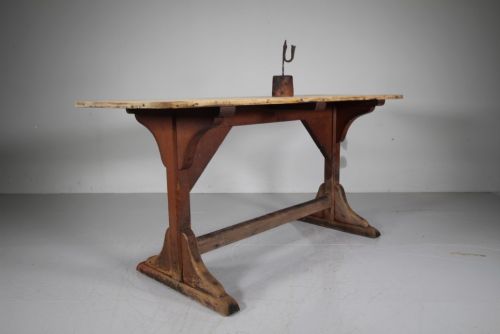
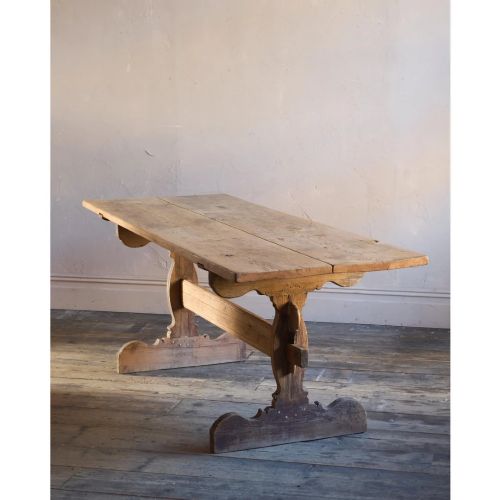
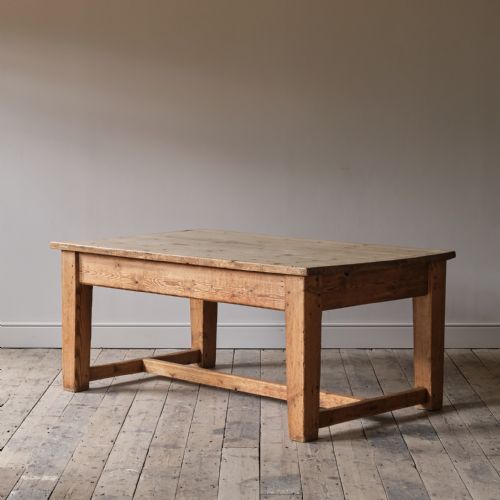
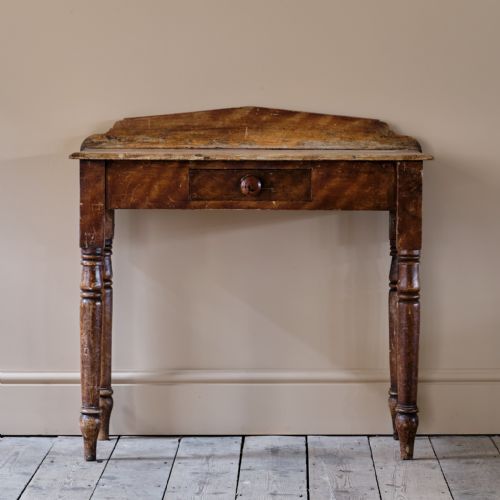
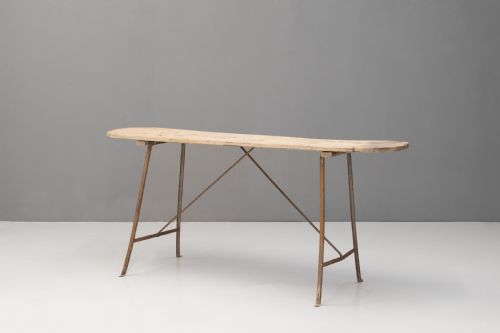
A Pine Farmhouse Kitchen Table, 19th Century
Priced at £595 from The Antique Partnership
The 2026 retail price guide for Antique Pine Tables is drawn from a proprietary archive of over 1.1 million retail prices indexed by Sellingantiques since 2003. This guide relies exclusively on their own internal data; no external sources or auction records are used.
Analysing nearly 25 years of UK antique market history alongside current retail values, the data indicates that typical UK retail prices for Antique Pine Tables range between £400 and £1,800. Entry-level prices generally fall under £400 and premium examples upwards of £1,800.
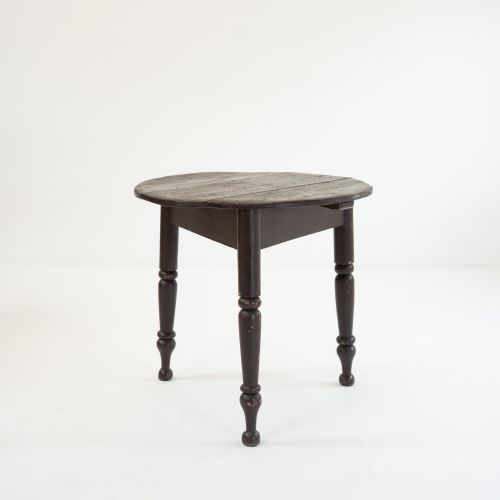
Turned or square-tapered legs define the base. Thick farmhouse versions usually rely on heavy turnings, while simpler rural pieces might just taper.
Wide planks make up the work surface. Softwood trees grew large enough to yield massive boards, reducing the number of join lines needed.
Notice the overhang. The top projects well beyond the base frame to allow seated knees to fit underneath comfortably.
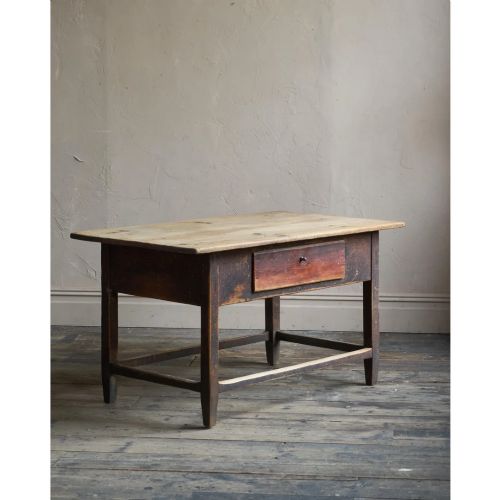
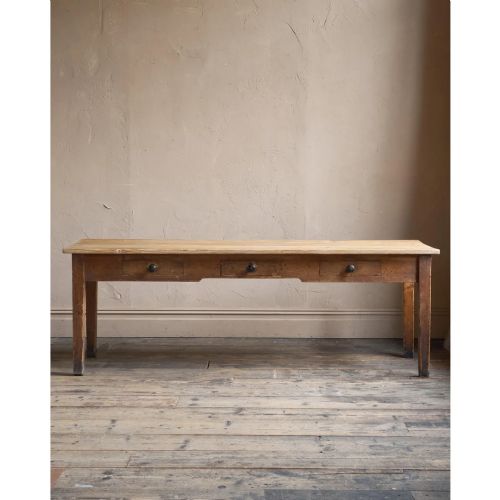
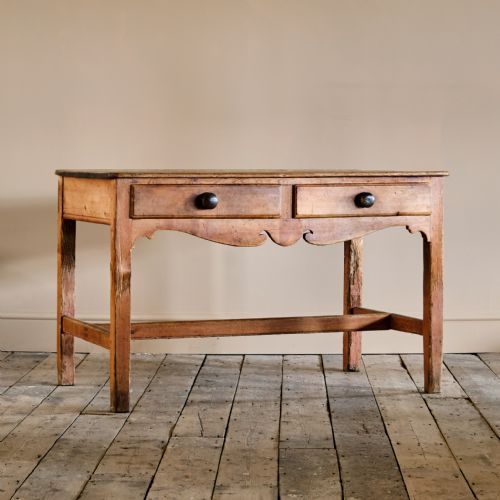
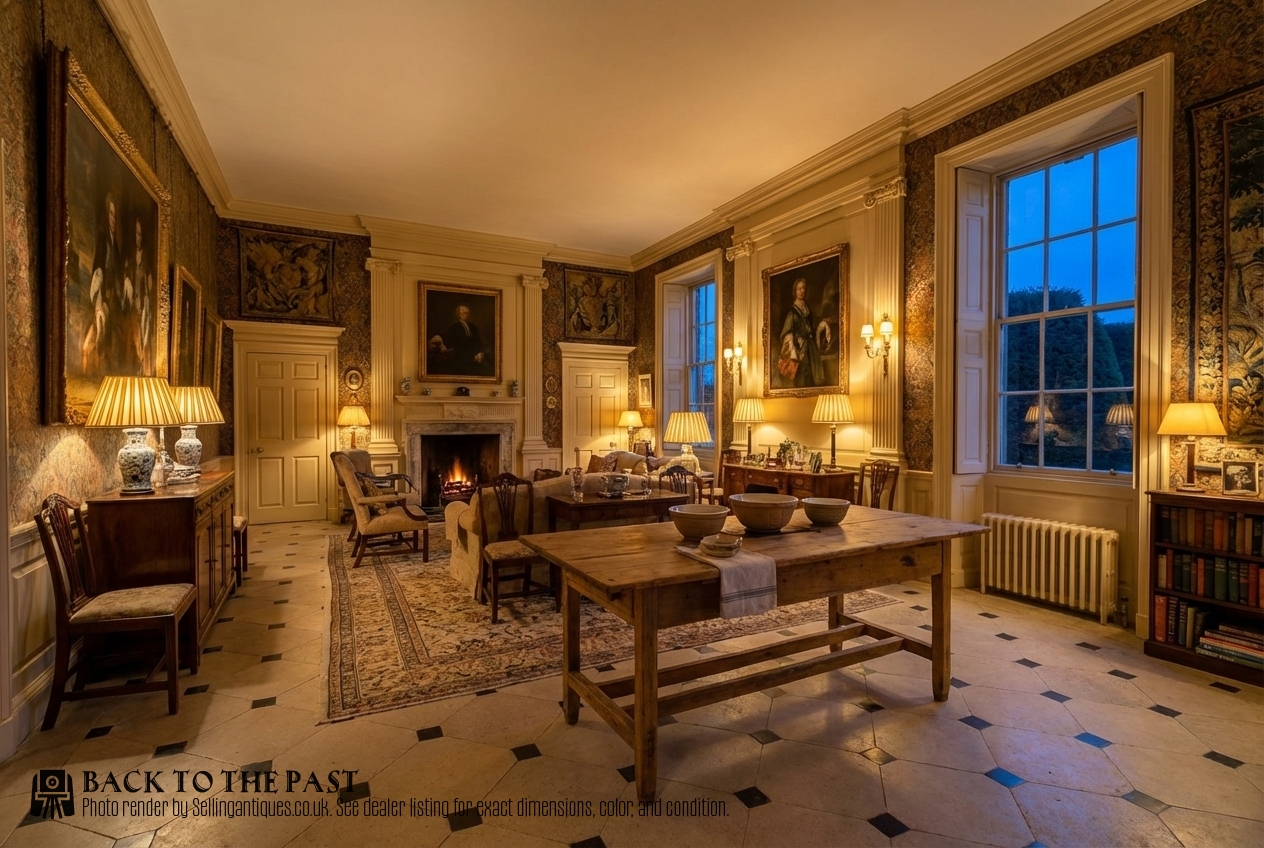
Antique 19th Century Pine Dining Table with Drawer – Fine Quality, 19th Century
Priced at £1,746 from Prior and Willis
Early examples rely on wooden pegs through the mortises. Nineteenth-century versions might introduce cut nails or screws to secure the top down.
Undersides often show rough saw marks. Carpenters only planed the visible surfaces smooth, leaving the hidden faces straight from the mill to save time.
Watch how the drawer bottoms sit. They usually slot into grooved sides and run front to back with wide, chamfered softwood boards.
"Softwood absorbs impacts well. Dropping heavy iron cookware onto a pine surface often just compresses the grain rather than shattering the wood."
"The resin content acts as a mild natural preservative. This helps the timber resist certain insect attacks and keeps the joints stable."
"Planks get lighter in weight as they age. A century of drying out crystallises the sap, making an old table much easier to move around."
Based on almost 25 years of Sellingantiques UK antique market data, Antique Pine Tables appeared 4684 times (out of 1,100,000 antiques) which gives it a rarity score of 39/100.
This score measures scarcity within the Sellingantiques archive only and is not a survey of the entire antiques market, so these statistics may not be indicative of the general availability of Antique Pine Tables elsewhere.
Mild soap and warm water handle most daily dirt. Just wipe the surface down quickly and dry it with a clean cloth so the wood does not absorb standing water.
If the table has a wax finish, avoid harsh chemical sprays. They break down the wax over time and leave the timber looking dry and patchy.
Wood moves across the seasons. Central heating dries the air in winter, causing old pine planks to shrink and open up those gaps.
Filling it with putty or filler usually fails. When summer returns and humidity rises, the boards swell and push the hard filler straight back out.
Leaving the gap alone is the safest approach. It is part of how a plank top breathes.
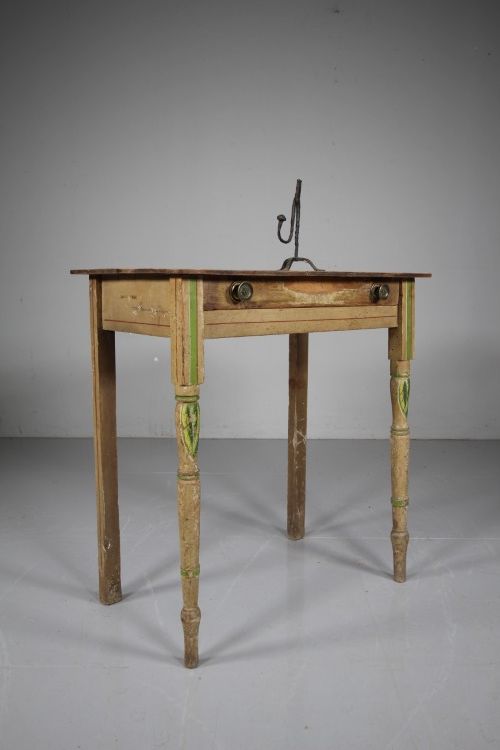
Paint sealed the softwood frame against damp floors. It made washing away coal dust and grease much easier.
People simply refreshed the base with whatever household paint was left over from other jobs.
Sticking usually means the wooden runners underneath have worn down. This lets the drawer drop and wedge itself inside the frame opening.
Turn the table upside down to inspect the tracks. Rubbing a block of dry candle wax along the contact points often provides enough lubrication to get it moving again.
Please note: This Antique Pine Tables guide and its associated pricing data are provided for general informational purposes only. It does not constitute formal financial, investment, or appraisal advice and should not be relied upon as the sole basis for any commercial activity, purchasing, or sales decisions. Sellingantiques.co.uk accepts no liability for any actions taken in reliance on this information. Always consult with a qualified professional or independent appraiser.
