


A 2026 Guide by Sellingantiques
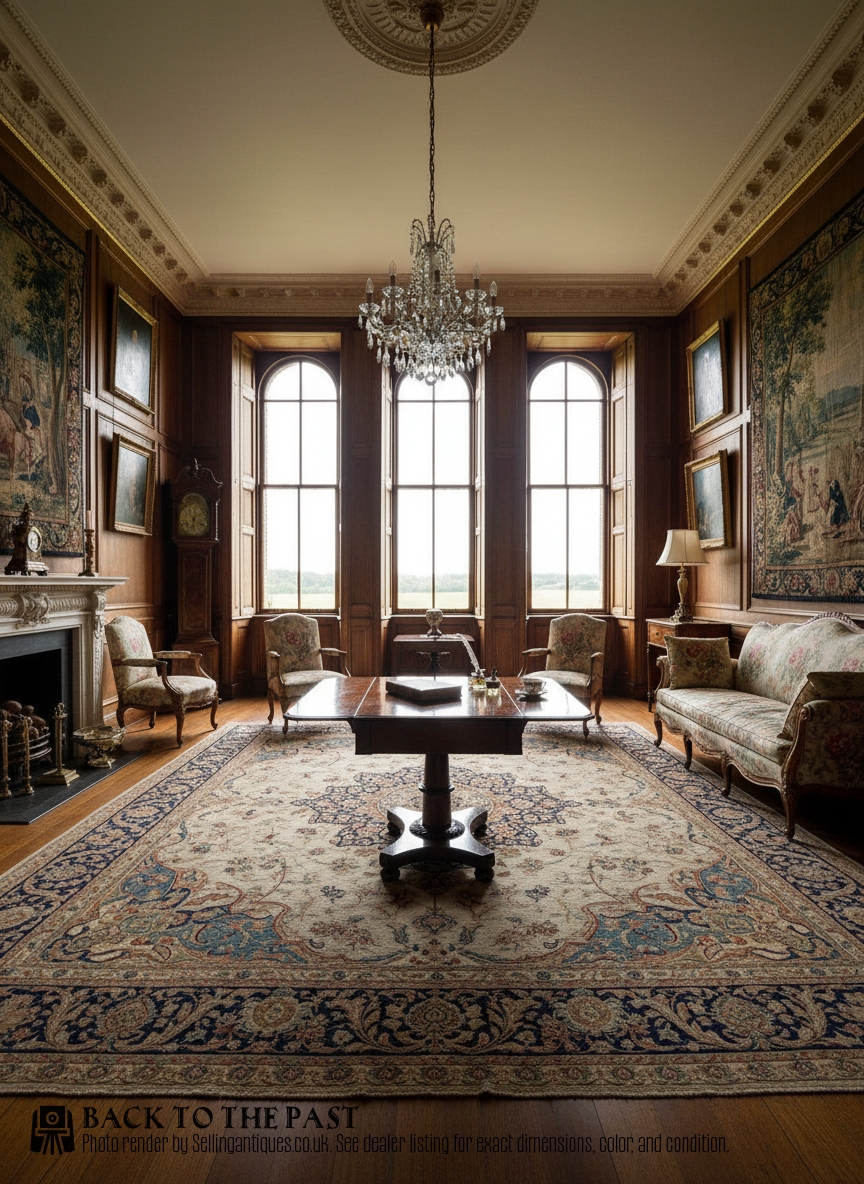
Antique Victorian Mahogany Pedestal Centre Table, 1860
Priced at £1,585 from London City Antiques
Early Georgian examples often served as tea tables. They sat against the wall until servants brought them into the centre of the room.
Check the design changes around the Regency period. Dining variations grew larger to seat whole families without legs getting in the way.
Victorian households demanded versatility. Breakfast tables on central columns became common in smaller parlours.
Tilt-top mechanisms appear frequently on antique pedestal tables. This allowed owners to fold them flat and push them aside to save space.
Gillows of Lancaster produced solid mahogany variants from the late eighteenth century. Their stamped pieces often feature precise leg reeding.
William Trotter worked in Edinburgh during the early nineteenth century. He favoured heavy carved columns and dark rosewood finishes.
Most of these were built by anonymous regional cabinetmakers. Provincial workshops copied London pattern books using locally available hardware.

A Large William IV Mahogany Triple Pedestal Dining Table., 19th Century
Priced at £4,500 from Country Homes Antiques Stirling
The 2026 retail price guide for Antique Pedestal Tables is drawn from a proprietary archive of over 1.1 million retail prices indexed by Sellingantiques since 2003. This guide relies exclusively on their own internal data; no external sources or auction records are used.
Analysing nearly 25 years of UK antique market history alongside current retail values, the data indicates that typical UK retail prices for Antique Pedestal Tables range between £600 and £4,000. Entry-level prices generally fall under £600 and premium examples upwards of £4,000.
Tripod bases are standard on smaller antique pedestal tables. Three splayed legs ensure the piece stands firm on uneven floors.
Brass castors sit at the feet of heavier dining versions. These rolling mounts meant staff could move heavy tops easily.
Examine the central column. Turning and reeding are common decorative touches that break up the heavy vertical mass.
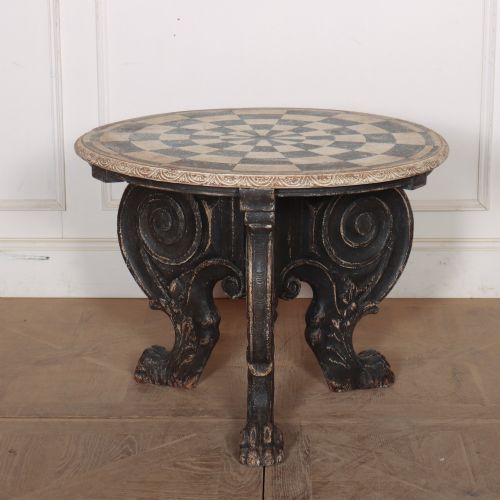
Wonderful Quality Small L Circular Marquetry Table, Victorian
Priced at £2,375 from Wayne Long Antiques and Interiors
Legs join the central shaft using deep sliding dovetails. A tight friction fit here keeps the structure from wobbling.
Veneering allowed cabinetmakers to match grain patterns across wide circular tops. They cut adjacent slices from a single log.
Turners shaped the main column on a lathe. They used long hand tools to cut decorative rings and flutes into the spinning wood.
"The central column acts as a natural weight distributor. This clever engineering allows a surprisingly thin top to carry a heavy load."
"A brass catch often snaps with a satisfying click. These original spring-loaded locks kept tilted tops upright for decades."
"Many bases hide concealed iron plates. Blacksmiths forged these custom braces to give extra rigidity to the wooden joints."
Based on almost 25 years of Sellingantiques UK antique market data, Antique Pedestal Tables appeared 8168 times (out of 1,100,000 antiques) which gives it a rarity score of 20/100.
This score measures scarcity within the Sellingantiques archive only and is not a survey of the entire antiques market, so these statistics may not be indicative of the general availability of Antique Pedestal Tables elsewhere.
Start by checking the screws holding the bearer to the top. Wood shrinks over time, leaving these fixings loose in their holes. Tightening them carefully often resolves a minor wobble.
If the movement is in the hinge or the birdcage action, the brass pins might be worn. You can replace loose pins with slightly thicker brass rod to restore a snug fit.
Antique pedestal tables designed for dining are robust. Cabinetmakers used dense timbers and deep dovetails to handle the stress of daily meals.
Make sure the base spreads wide enough. If the legs reach close to the outer edge of the surface, it will handle a typical family dinner without tipping.
Yes, you can. Most tilt-top versions have a simple brass catch to release the top.
Larger variants often have screws connecting the column to the block. Remove these to transport the base and top separately.
Leave the finish alone if you can. Over generations, polish and natural oxidation create a dark patina that belongs to the piece. Stripping this away destroys the surface history.
A good clean with a mild wax reviver will lift off the dirt without harming the original polish underneath.
Please note: This Antique Pedestal Tables guide and its associated pricing data are provided for general informational purposes only. It does not constitute formal financial, investment, or appraisal advice and should not be relied upon as the sole basis for any commercial activity, purchasing, or sales decisions. Sellingantiques.co.uk accepts no liability for any actions taken in reliance on this information. Always consult with a qualified professional or independent appraiser.
