
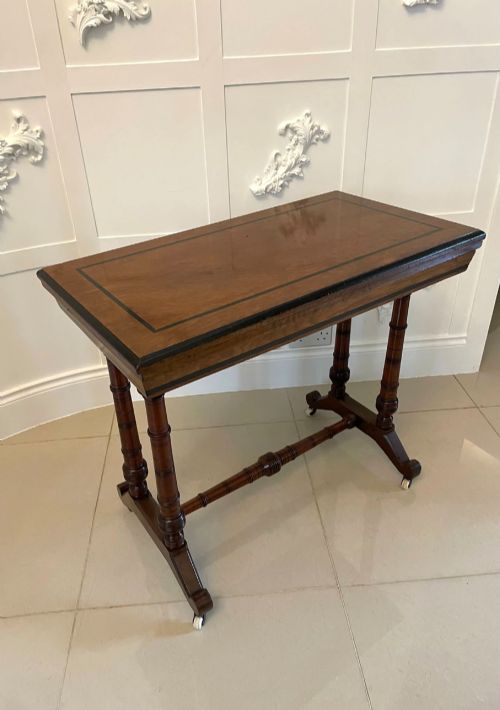
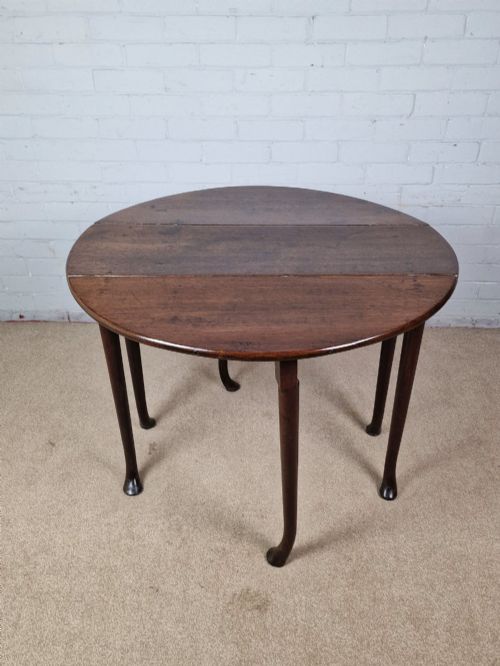
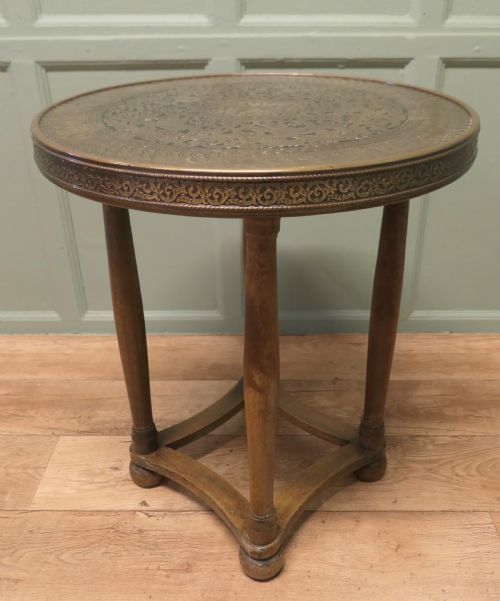
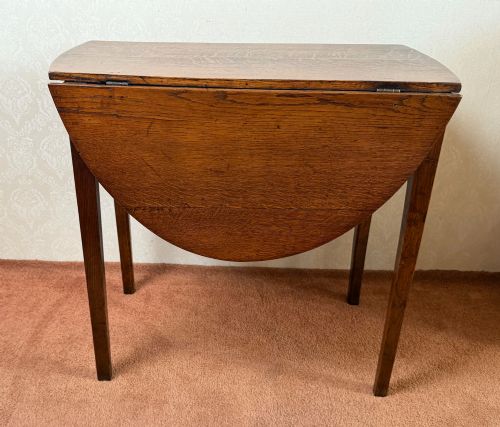
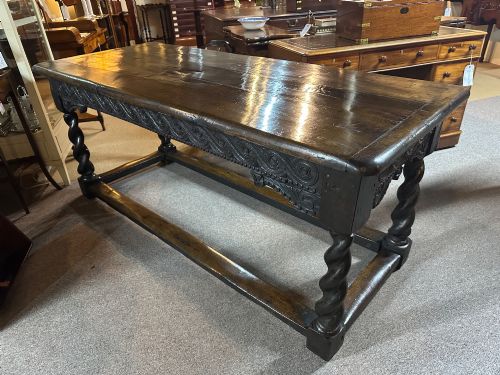
Antique Oak Tables
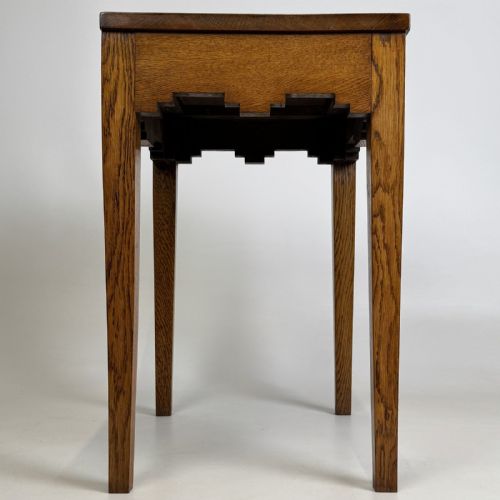
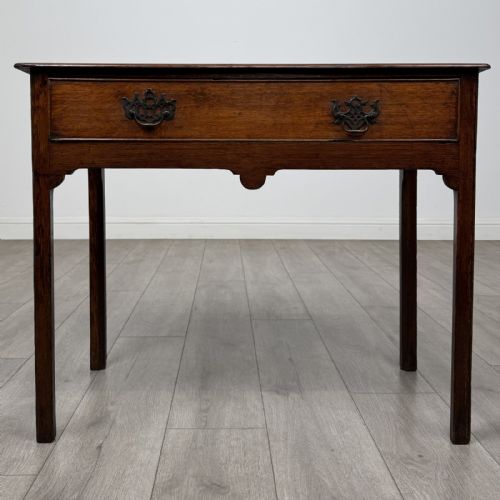
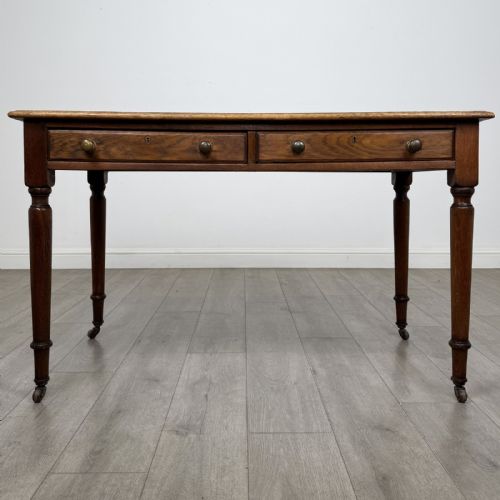
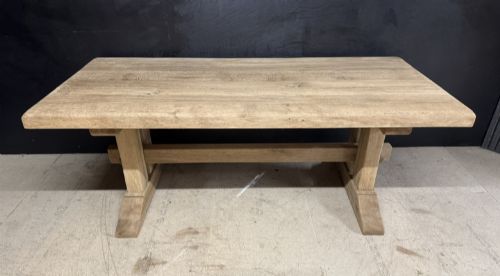
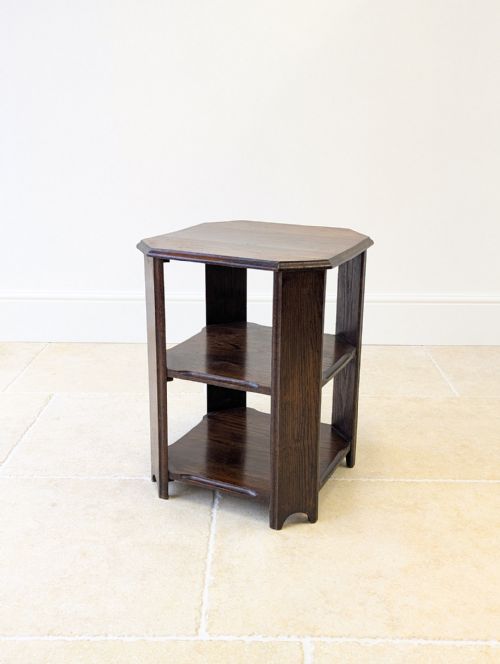
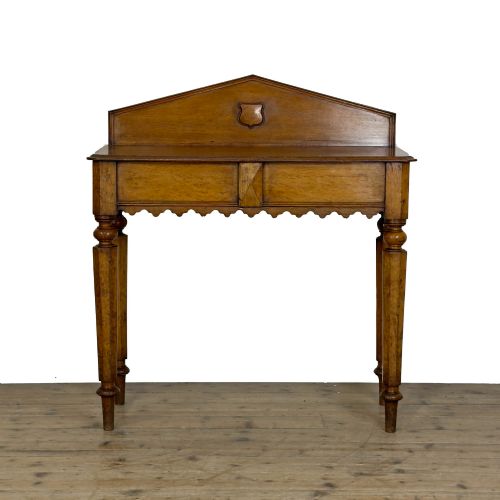
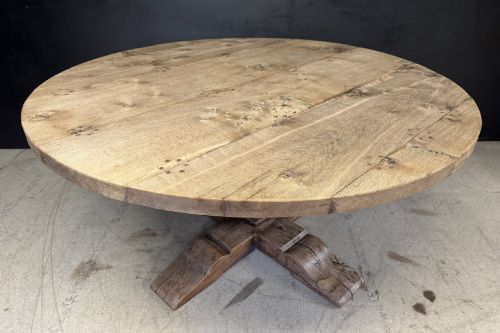
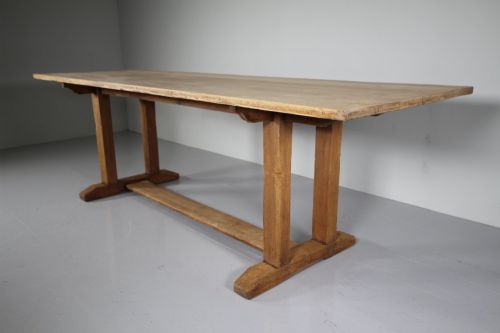
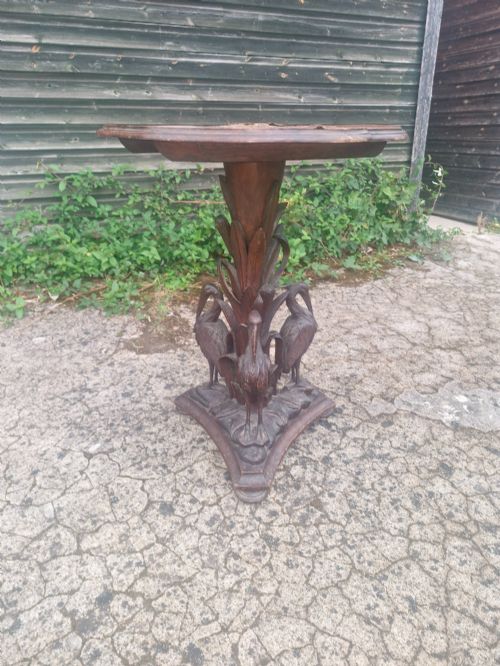
Oak-topped and oak-framed tables, from long plank-topped refectory and farmhouse tables that seat ten or twelve down to small side, cricket and tripod tables made for a corner of a room.
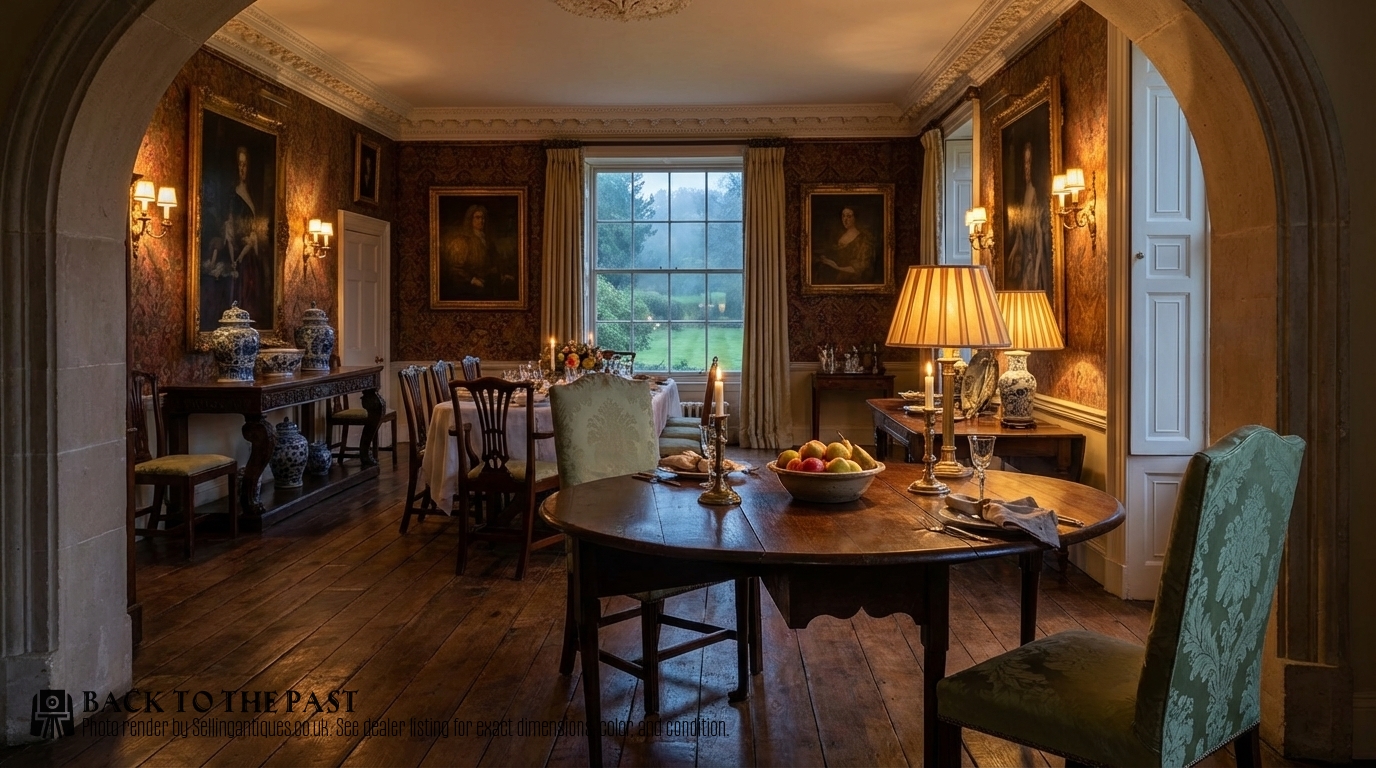
Antique Oak Tables
Two populations sit under this heading. Dining-scale tables come first: 'dining' appears in 1,693 titles on Sellingantiques, 'refectory' in 1,081 and 'farmhouse' in 893, often with a seating count quoted in the title. Right behind them sits the small-table group, led by 'side' at 1,390 titles, with hall, console, coffee, lamp and occasional forms filling out the rest.
Oak was the standard furniture timber of the British Isles and much of northern Europe before walnut and mahogany came into fashion, and joined oak tables were made continuously from the medieval period onward. Long boarded tables for communal eating and small turned or tripod tables for domestic use both carried on into the twentieth century in their revival forms.
The dating dealers give runs from 1660 to 1960, though only 3,552 of 7,575 listings carry a clean year and the rest sit in buckets as wide as '19th Century'. The largest single bucket is the 1920s, with 1,225 listings, ahead of both the 18th and 17th Century buckets. Some titles say so outright, describing a piece as 17th century style and dated 1900.
A French strand runs through the whole category, with 845 titles carrying 'french' and 386 describing a bleached or limed surface. The two cluster together on farmhouse tables. Titles in this group name vendange, drapers', vinters', monastic and bistro tables, and Alsace turns up as a source.
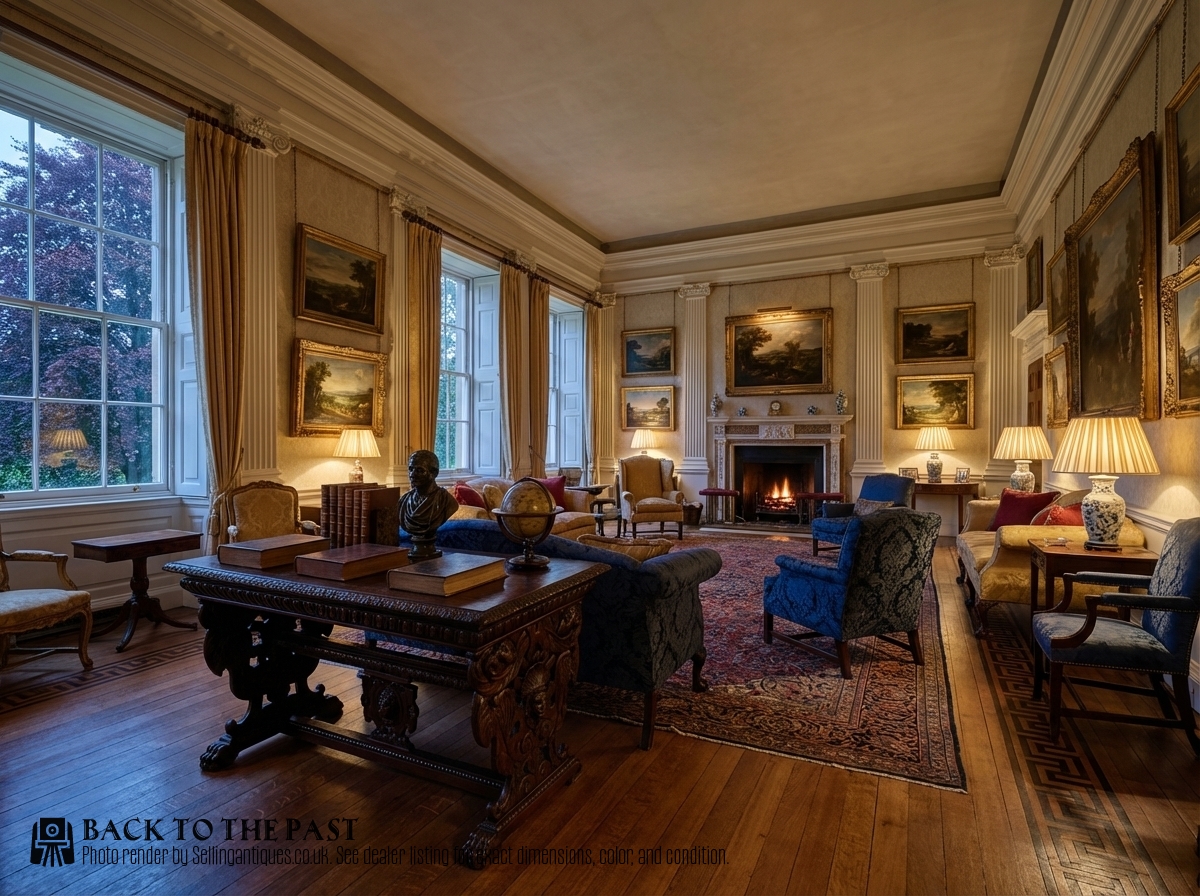
Where The Range Splits
Size does most of the work at the dining end. The upper sample is thick with declared length and seating: nine-foot refectory tops, tables measured at 3.5 and 4.1 metres, seating for ten, twelve and fourteen, and one banqueting table quoted at thirty seats. The bottom of the range reads 'small oak side table' and 'neat occasional table'.
After size comes the top itself. Fewer, wider boards push a table up, and titles say so plainly: two-plank farmhouse tops and one-piece tops are called out as selling points. Figured timber works the same way. Burr and pollard oak appear in only a handful of titles, and those titles sit almost entirely in the upper reaches.
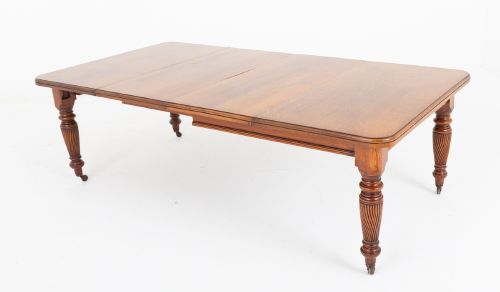
Early dating lifts a piece, with 17th and early 18th-century tables sitting near the top while 1920s and 1930s occasional tables sit at the bottom. A named maker or attribution pushes up too, though it stays uncommon. The highest-priced piece in the samples is neither early nor named: a large mid-19th-century telescopic extending table.
Antique Oak Tables Retail Price Guide 2026
Typical UK retail prices for oak tables, calculated from the Sellingantiques database of over a million retail prices indexed since 2003. This retail price guide relies exclusively on Sellingantiques data; no external sources or auction records are used, so the figures do not describe the wider market.
The biggest to pass through Sellingantiques was a banqueting table seating thirty. Tops of 3.5 and 4.1 metres have been listed too.
Gillows·Heals of London·James Shoolbred·Howard & Sons·Edwards & Roberts
The Antique Oak Tables Glossary
- Refectory table
- A long table, usually with a plank top on stretchered end supports. After 'dining' itself, it's the commonest dining descriptor in this category.
- Draw leaf
- An extending action where leaves pull out from beneath the top and rise level with it. Around 148 titles use the term.
- Gateleg
- Hinged flaps supported by swinging gate-shaped leg frames. Written 'gate leg' in plenty of titles, so both spellings turn up.
- Plank top
- A top made from one, two or three wide boards, sometimes cleated at the ends. Dealers count the planks in the title when there are few of them.
- Bleached or limed
- A pale surface treatment. It clusters tightly with the French farmhouse tables, and 172 titles carry both words.
- Birdcage
- The small boxed block under a tilt-top that lets the top revolve as well as tip.
Antique Oak Tables: Frequently Asked Questions
What is a cricket table?
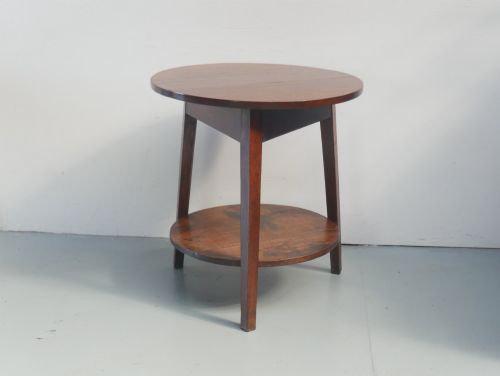
A small three-legged country table, usually with a round top. Cricket appears in 178 titles, sitting alongside tripod, tilt top and wine tables in the small occasional group.
That group is a sixth or so of the category, and it's where the lamp and coffee tables live too.
How old are most oak tables listed?
Dating runs from 1660 to 1960, but under half the listings carry a clean year. The rest sit in wide buckets like '19th Century' or style labels like Georgian and Victorian.
The largest single bucket is the 1920s, with 1,225 listings, more than the 18th and 17th Century buckets combined. Early 20th-century decades together outweigh any single earlier period.
Why are so many French oak tables bleached?
Bleached or limed surfaces appear on 386 titles and cluster tightly with the French farmhouse tables, with 172 titles carrying both words.
It's a pale surface treatment rather than a construction feature, and it turns up on dining-scale pieces more than on the small tables.
Does a plank count in the title matter?
Dealers quote it when the number is low. Two-plank farmhouse tops and one-piece tops get named in the title, and those listings sit high in the range.
Fewer, wider boards mean a wider tree. The same logic sits behind burr and pollard oak, which appears rarely and almost always near the top.
Are named makers common on oak tables?
No. Five names come up across the archive, and each from at most five dealers out of 334 who have handled oak tables.
Names appear stamped, on a label, or simply as an attribution in the description. Most oak tables carry no name at all.
What sizes do refectory tables come in?
Seating capacity is quoted often enough to be a genre of its own, from six-seaters upward. Ten, twelve and fourteen seats all turn up in titles.
At the far end sit a nine-foot top, tables described at 3.5 and 4.1 metres, and a single thirty-seat banqueting table.